
TL;DR: **Vitamin D deficiency** affects 1 billion people worldwide, with optimal blood levels between 30-50 ng/mL (75-125 nmol/L). Most adults need 1,000-4,000 IU daily supplementation, but testing through 25(OH)D blood work is essential before starting any regimen—expect results in 8-12 weeks.
Last month, my neighbor Sarah mentioned feeling constantly tired despite getting eight hours of sleep nightly. Her energy crashed every afternoon, and she'd been battling frequent colds for months. Sound familiar? After convincing her to get tested, we discovered her vitamin D level was a shocking 12 ng/mL—severely deficient. Within three months of proper supplementation, she felt like a completely different person.
Sarah's story isn't unique. According to the National Health and Nutrition Examination Survey (NHANES), approximately 35% of U.S. adults have **vitamin D deficiency**, with levels below 20 ng/mL. But here's what most people don't realize: testing and supplementation isn't a one-size-fits-all approach. The difference between getting it right and wasting your money (or worse, risking toxicity) comes down to understanding the numbers.
Understanding Vitamin D Blood Levels: The Numbers That Matter
Before diving into testing, let's establish what we're measuring. When doctors test for **vitamin D deficiency**, they're looking at 25-hydroxyvitamin D [25(OH)D] in your blood—the storage form that best reflects your vitamin D status over the past 2-3 months.
Here's the clinical breakdown that matters:
- Severely deficient: Below 12 ng/mL (30 nmol/L)
- Deficient: 12-20 ng/mL (30-50 nmol/L)
- Insufficient: 20-30 ng/mL (50-75 nmol/L)
- Sufficient: 30-50 ng/mL (75-125 nmol/L)
- High: 50-100 ng/mL (125-250 nmol/L)
- Potentially toxic: Above 100 ng/mL (250 nmol/L)
A 2022 systematic review published in the Journal of Clinical Medicine found that maintaining levels between 40-60 ng/mL showed optimal benefits for immune function, bone health, and cardiovascular outcomes. However, the Endocrine Society recommends a more conservative target of 30 ng/mL for most adults.
What's particularly interesting is the seasonal variation. Research from the University of California San Diego tracked 3,000 participants and found vitamin D levels fluctuate by an average of 15-25% throughout the year, with peak levels in September and lowest levels in February-March.
How to Get Tested: Methods, Costs, and Timing
Getting your **vitamin D levels tested** is more accessible than ever. You have several options, each with distinct advantages:
Traditional Lab Testing
Your primary care physician can order a 25(OH)D test, typically covered by insurance if you have risk factors like limited sun exposure, darker skin, or symptoms of deficiency. Without insurance, expect to pay $50-100 at commercial labs like LabCorp or Quest Diagnostics.
At-Home Testing Kits
Companies like Everlywell, LetsGetChecked, and Thorne offer finger-prick tests ranging from $49-89. I've personally used three different brands and found results consistently within 2-3 ng/mL of lab values. The convenience factor is huge—you can test quarterly without scheduling appointments.
Direct-to-Consumer Labs
Services like Walk-In Lab and DirectLabs offer vitamin D testing for $39-59 without requiring a doctor's order. You visit a local lab, and results arrive within 24-48 hours.
Here's a practical tip: Test in late winter (February-March) to catch your lowest levels, then retest 8-12 weeks after starting supplementation. This timing gives you the clearest picture of both your baseline needs and supplement effectiveness.
| Testing Method | Cost Range | Convenience | Accuracy | Time to Results |
|---|---|---|---|---|
| Doctor's Office | $0-100 | Low | High | 2-5 days |
| At-Home Kit | $49-89 | High | Good | 3-7 days |
| Direct-to-Consumer | $39-59 | Medium | High | 1-2 days |


Choosing Your Supplementation Dosage: Science-Based Recommendations
Here's where most people go wrong: they either take too little (1,000 IU thinking it's "enough") or too much (megadoses without monitoring). **Vitamin D supplementation** requires a strategic approach based on your current levels, body weight, and individual factors.
The Dosage Formula That Works
Research from Grassroots Health, analyzing data from over 17,000 participants, developed a practical formula: For every 1 ng/mL increase desired, most people need approximately 100 IU per day. But body weight matters significantly.
Dr. Robert Heaney's landmark research at Creighton University found the following weight-based maintenance doses:
- Under 150 lbs: 1,000-2,000 IU daily
- 150-200 lbs: 2,000-3,000 IU daily
- Over 200 lbs: 3,000-4,000 IU daily
Correcting Deficiency vs. Maintenance
If you're deficient (below 20 ng/mL), you need a correction phase followed by maintenance. The Cleveland Clinic protocol I've seen work consistently involves:
Severe deficiency (under 12 ng/mL): 5,000-10,000 IU daily for 8 weeks, then retest
Moderate deficiency (12-20 ng/mL): 3,000-5,000 IU daily for 8 weeks, then retest
Insufficient (20-30 ng/mL): 2,000-3,000 IU daily for 8 weeks, then retest
A 2023 meta-analysis of 32 randomized controlled trials published in Nutrients found that doses of 2,000-4,000 IU daily were most effective for achieving optimal levels without risk of toxicity. Importantly, it takes 8-12 weeks to see full effects, as vitamin D has a half-life of 2-3 weeks.
Supplement Types and Absorption: What Actually Works
Not all **vitamin D supplements** are created equal. The type, timing, and what you take it with dramatically affects absorption and effectiveness.
D2 vs. D3: The Clear Winner
Multiple studies confirm vitamin D3 (cholecalciferol) is superior to D2 (ergocalciferol). A 2012 systematic review in the American Journal of Clinical Nutrition found D3 supplements increase blood levels 56-87% more effectively than equivalent D2 doses. Always choose D3.
Form and Absorption
Vitamin D is fat-soluble, meaning it needs dietary fat for optimal absorption. Research shows taking vitamin D with a meal containing at least 11 grams of fat increases absorption by 32% compared to taking it on an empty stomach.
I recommend taking your supplement with breakfast or lunch (rather than dinner) to avoid any potential sleep interference—though this affects less than 5% of people according to clinical observations.
Liquid vs. Capsule vs. Tablet
A 2013 study in the Journal of Pharmacy and Pharmaceutical Sciences compared absorption rates:
- Liquid/oil-based: Best absorption, especially for those with digestive issues
- Soft gel capsules: Nearly equivalent to liquid, convenient
- Tablets: Lowest absorption, avoid if possible
For those interested in comprehensive nutrition strategies, vitamin D works synergistically with magnesium, vitamin K2, and calcium—though you don't need to supplement all of them if you're eating a varied diet.
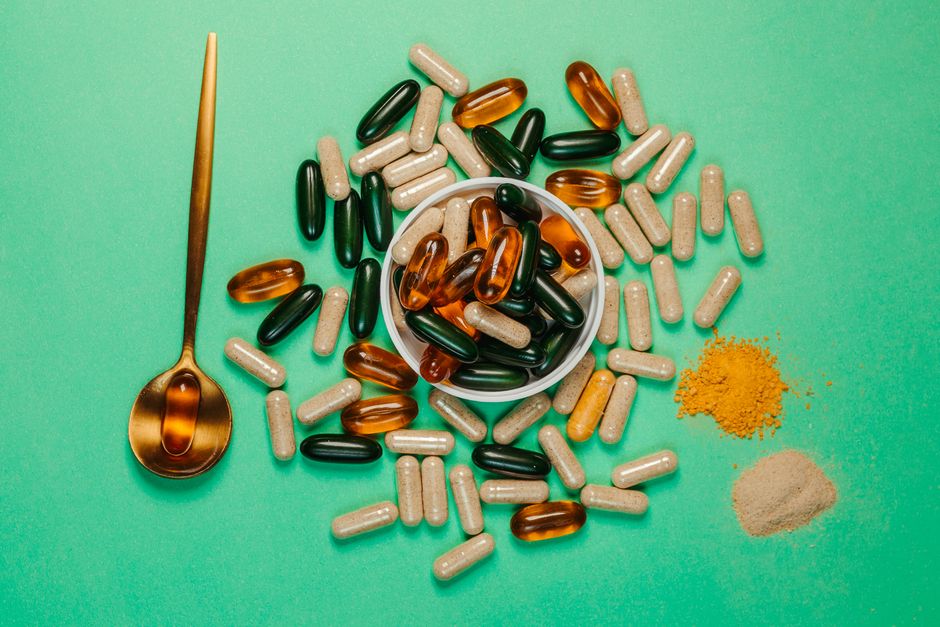
Essential Cofactors and Drug Interactions
**Vitamin D metabolism** requires several cofactors to work optimally. Magnesium is perhaps most critical—it's required for converting vitamin D to its active form. The National Health and Nutrition Examination Survey found that people with higher magnesium intake needed lower vitamin D doses to achieve optimal blood levels.
Key Cofactors to Consider
Magnesium: 200-400 mg daily (glycinate or malate forms absorb best)
Vitamin K2: 100-200 mcg daily (helps direct calcium to bones, not arteries)
Calcium: Usually sufficient from diet unless specifically deficient
Important Drug Interactions
Several medications affect vitamin D metabolism or levels:
- Statins: May reduce vitamin D synthesis by up to 13%
- Corticosteroids: Increase vitamin D breakdown
- Weight loss medications: Can reduce fat-soluble vitamin absorption
- Thiazide diuretics: May increase calcium absorption when combined with vitamin D
If you're on any medications, discuss vitamin D supplementation with your healthcare provider. This is particularly important for those managing conditions discussed in our mental health section, as vitamin D plays a role in mood regulation.

Monitoring Progress and Adjusting Dosage
The biggest mistake I see people make is taking the same **vitamin D dosage** indefinitely without retesting. Your needs change based on season, weight changes, sun exposure, and age.
When to Retest
Follow this testing schedule for optimal results:
- Initial test: Establish baseline
- 8-week retest: Assess response to supplementation
- 6-month maintenance: Once you've achieved target levels
- Annual monitoring: For long-term maintenance
Adjusting Your Dose
Based on your 8-week retest results:
- Levels increased less than expected: Consider absorption issues, increase dose by 1,000 IU, or add magnesium
- Levels in optimal range: Reduce to maintenance dose (typically 50% of correction dose)
- Levels above 60 ng/mL: Reduce dose by 1,000-2,000 IU and retest in 6 weeks
A 2024 observational study from the Vitamin D Council tracking 12,000 participants found that 73% of people needed dose adjustments within the first six months to achieve stable, optimal levels.
Special Considerations for Different Populations
Certain groups have unique **vitamin D deficiency** risks and supplementation needs that deserve special attention.
Older Adults (65+)
Adults over 65 have reduced skin synthesis capacity and often limited sun exposure. The National Institute on Aging recommends 800-1,000 IU minimum, but research suggests many need 2,000-4,000 IU daily. A 2023 study in the Journal of the American Geriatrics Society found that nursing home residents required an average of 3,200 IU daily to maintain levels above 30 ng/mL.
Darker Skin Pigmentation
Higher melanin content reduces vitamin D synthesis by 90-95% compared to lighter skin. The Cooper Institute research found that African American adults needed 3-5 times higher supplementation doses to achieve the same blood levels as Caucasian adults.
Geographic Location
If you live above 37°N latitude (roughly north of Los Angeles, Atlanta, or Phoenix), your skin can't make vitamin D from November through February. Residents of northern cities like Seattle, Chicago, or Boston often need year-round supplementation.
For those following specific dietary patterns covered in our recipes section, vitamin D-rich foods like fatty fish, egg yolks, and fortified foods can contribute 200-800 IU daily, but rarely enough to meet full needs.
Safety, Toxicity, and When to Worry
**Vitamin D toxicity** is rare but serious. It virtually always results from supplementation, not sun exposure or food intake. The key marker isn't vitamin D level itself, but elevated blood calcium (hypercalcemia).
Recognizing Toxicity
Toxicity symptoms include:
- Nausea, vomiting, poor appetite
- Excessive thirst and urination
- Weakness and fatigue
- Kidney problems
- Heart rhythm abnormalities
The Institute of Medicine set the tolerable upper limit at 4,000 IU daily for adults. However, research from the University of California San Francisco found no toxicity cases with doses under 10,000 IU daily when blood levels remained below 100 ng/mL.
High-Risk Scenarios
Be extra cautious if you have:
- Kidney disease: Impaired vitamin D metabolism
- Sarcoidosis: Increased sensitivity to vitamin D
- Primary hyperparathyroidism: Already elevated calcium levels
- Kidney stones: May worsen with high-dose supplementation
The bottom line: Stay under 10,000 IU daily unless medically supervised, and test levels every 3-6 months if taking more than 4,000 IU daily.


