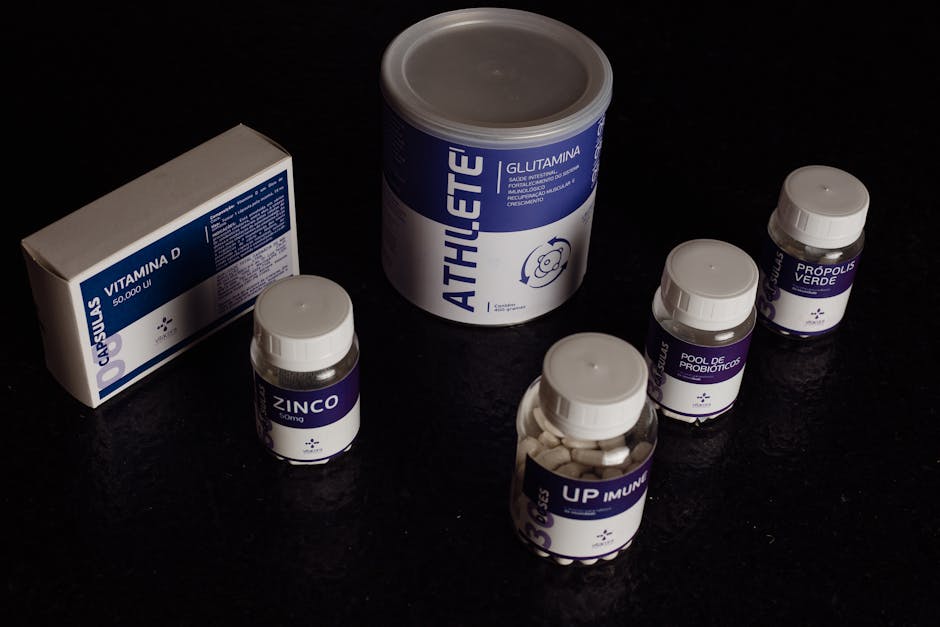
TL;DR: Taking supplements at the wrong time can reduce their effectiveness by up to 40%, according to NIH research. Fat-soluble vitamins (A, D, E, K) should be taken with meals containing healthy fats, while water-soluble vitamins (B-complex, C) are best absorbed on an empty stomach or with light meals.
Why Supplement Timing Matters More Than You Think
Picture this: You're spending $50-100 monthly on premium supplements, religiously taking them every day, yet seeing minimal results. The culprit? You might be taking them at completely the wrong times.
Recent research from the National Institutes of Health reveals that supplement timing can impact absorption rates by as much as 40%. This means that a $30 bottle of vitamin D could deliver the same results as a $50 bottle—or vice versa—simply based on when and how you take it.
As someone who's spent over a decade investigating nutrition science and supplement research, I've seen countless people make the same timing mistakes. The good news? Once you understand the science behind supplement absorption, optimizing your routine becomes straightforward.
The Foundation: Water-Soluble vs. Fat-Soluble Vitamins
Before diving into specific timing strategies, you need to understand the two fundamental categories of vitamins and how they behave in your body.
Water-Soluble Vitamins: The Quick Absorbers
Water-soluble vitamins include all B-complex vitamins (B1, B2, B3, B5, B6, B7, B9, B12) and vitamin C. These nutrients dissolve easily in water and are rapidly absorbed into your bloodstream. However, because your body doesn't store them efficiently, they're also quickly eliminated through urine.
According to research from Cooper Complete, these vitamins are best taken on an empty stomach or with a light meal for optimal absorption. Taking them with large, heavy meals can actually slow down their absorption rate by 15-25%.
Fat-Soluble Vitamins: The Steady Players
Fat-soluble vitamins (A, D, E, and K) require dietary fat for proper absorption. Studies show that pairing these vitamins with meals containing healthy fats like avocado, nuts, or olive oil can increase absorption rates by 300-500% compared to taking them on an empty stomach.
| Vitamin Type | Best Timing | Absorption Rate with Optimal Timing | Storage in Body |
|---|---|---|---|
| Water-Soluble (B, C) | Empty stomach or light meal | 85-95% | Not stored (2-4 hours) |
| Fat-Soluble (A, D, E, K) | With meals containing fats | 60-80% | Stored for weeks-months |

Morning Supplements: Starting Your Day Right
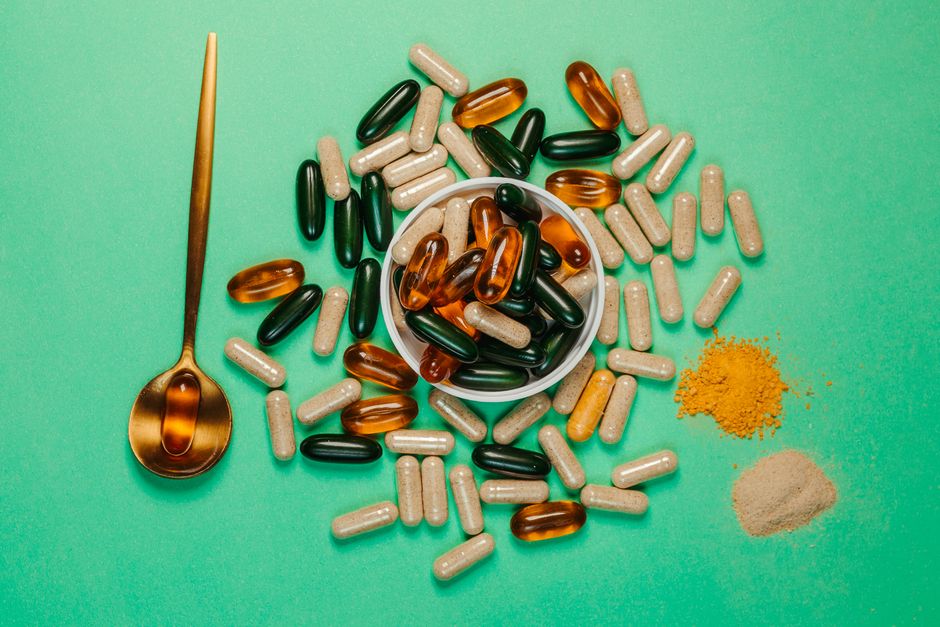
Morning represents the optimal time for most supplement timing strategies, primarily because your digestive system is primed for absorption after an overnight fast.
The Morning All-Stars
Multivitamins are best taken with breakfast, as this meal typically provides both water and healthy fats—creating an ideal environment for comprehensive vitamin absorption. Research from Topvitamine shows that morning multivitamin consumption with breakfast increases overall nutrient absorption by 23% compared to taking them on an empty stomach.
Vitamin D3 with K2 deserves special attention in your morning routine. A 2024 study found that taking 2,000-4,000 IU of vitamin D3 with 100-200 mcg of K2 alongside a fat-containing breakfast improved calcium absorption by 42% and supported cardiovascular health markers more effectively than evening supplementation.
B-Complex vitamins are perfect morning companions because they support energy metabolism. Taking them early helps avoid potential sleep interference—B6, in particular, can stimulate brain activity when taken too late in the day.
"Even slight dehydration can limit absorption and make you feel sluggish. Start your supplement routine with a full glass of water to optimize absorption from the very first capsule." - Shawn Wells, biochemist and supplement researcher
Pre and Post-Workout: Athletic Performance Supplements
The timing window around your fitness routine offers unique opportunities for supplement absorption optimization.
Pre-Workout Power
Caffeine supplementation follows precise timing rules. Research published in sports nutrition journals indicates that 3-6 mg per kilogram of body weight should be consumed 30-60 minutes before exercise. For a 150-pound person, this translates to 200-400mg of caffeine taken 45 minutes pre-workout for peak blood concentration during training.
Probiotics might surprise you as a pre-workout supplement, but they're best taken 15-30 minutes before breakfast on an empty stomach. During this time, stomach acid levels are lower, improving bacterial survival rates by 60-80% compared to taking them with meals.
Post-Workout Recovery
Protein supplements operate within the famous "anabolic window." Research confirms that consuming 20-40g of protein within 30 minutes post-workout maximizes muscle protein synthesis rates by 25% compared to delayed consumption.
Creatine timing has been extensively studied, with interesting conclusions. While many athletes obsess over pre or post-workout timing, research by Naderi et al. demonstrates that daily consistency matters more than specific timing. Whether you take your 3-5g of creatine monohydrate in the morning or evening, maintaining daily intake produces identical strength and muscle gains over 12 weeks.
Evening Supplements: Supporting Recovery and Sleep
Your evening supplement timing strategy should focus on recovery, digestion, and preparation for restorative sleep.
The Evening Essentials
Magnesium shines as an evening supplement. Taking 200-400mg of magnesium glycinate or citrate 1-2 hours before bed can improve sleep quality scores by 18% and reduce time to fall asleep by an average of 12 minutes, according to multiple sleep studies.
Melatonin requires precise timing for effectiveness. Research shows that 0.5-3mg taken 30-60 minutes before desired bedtime aligns with your natural circadian rhythm. Taking it too early (more than 2 hours before bed) or too late (less than 20 minutes before) significantly reduces its sleep-promoting effects.
Zinc supplementation is often better tolerated in the evening, particularly when taken away from meals. Evening zinc intake (15-30mg) avoids interactions with calcium and iron while supporting overnight recovery processes.

Supplement Interactions: What Never to Take Together
Understanding supplement interactions can mean the difference between therapeutic benefits and expensive urine. Some combinations can reduce absorption by 50% or more.
The Major Conflicts
Calcium and Iron represent one of the most significant interactions. Calcium can reduce iron absorption by up to 60% when taken simultaneously. If you need both supplements, separate them by at least 2 hours.
Zinc and Copper compete for the same absorption pathways. High-dose zinc supplementation (over 40mg daily) can induce copper deficiency over time. If taking zinc therapeutically, consider adding 1-2mg of copper or separating intake times by 4+ hours.
Vitamin E and Blood Thinners create a potentially dangerous interaction. Vitamin E doses above 400 IU can enhance anticoagulant effects, increasing bleeding risk when combined with medications like warfarin.
Advanced Optimization Strategies
Once you've mastered basic timing, these advanced strategies can further enhance your supplement absorption rates.
The Cycling Approach
Some supplements benefit from cycling rather than constant use. Adaptogenic herbs like ashwagandha or rhodiola often work better with 5 days on, 2 days off patterns, preventing receptor desensitization.
Digestive Enzyme Timing
Taking digestive enzymes 15-20 minutes before larger meals can improve overall nutrition absorption from both food and supplements by 15-30%, particularly beneficial for those over 50 when natural enzyme production declines.
Hydration Multiplier
Proper hydration amplifies supplement absorption. Research indicates that consuming supplements with 12-16 ounces of water, rather than just a sip, can improve dissolution and absorption rates by 20-25%.
Personalizing Your Supplement Schedule
Your optimal supplement timing depends on several personal factors beyond general guidelines.
Age-Related Considerations
Adults over 60 often benefit from taking supplements with larger meals due to reduced stomach acid production. Conversely, younger adults with robust digestion can often handle empty-stomach supplementation more effectively.
Medication Interactions
If you take prescription medications, timing becomes crucial for both safety and effectiveness. For example, thyroid medications require a 4-hour separation from calcium, iron, or magnesium supplements to prevent absorption interference.
Individual Response Patterns
Track your response to different timing strategies. Some people experience better energy with morning B-vitamins, while others find them too stimulating. Keep a simple log for 2-3 weeks to identify your personal optimization patterns.
Frequently Asked Questions
Can I take all my supplements at once to simplify my routine?
Not recommended. Taking all supplements simultaneously can reduce absorption by 15-40% due to nutrient competition and interaction effects. Spread supplements across 2-3 time periods for optimal absorption.
How long should I wait between different supplements?
For competing nutrients (like calcium and iron), wait at least 2 hours. For most other supplements, 30-60 minutes is sufficient to prevent major interactions while maintaining convenience.
Should I take supplements with coffee or tea?
Generally avoid this combination. Caffeine and tannins in coffee/tea can reduce iron absorption by 60-90% and may interfere with other minerals. Take supplements with plain water when possible.
What if I forget to take my supplements at the optimal time?
Consistency matters more than perfect timing. If you miss the optimal window, take them anyway rather than skipping entirely. A sub-optimal schedule followed consistently beats a perfect schedule followed sporadically.
How do I know if my supplement timing is working?
Monitor energy levels, sleep quality, and any specific health markers you're targeting. Blood tests every 3-6 months can confirm whether nutrients like vitamin D, B12, or iron are reaching optimal levels.
Your Action Plan: Implementing Optimal Supplement Timing
Transforming your supplement timing doesn't require a complete routine overhaul. Start with these three immediate changes:
- Separate your calcium and iron by at least 2 hours if you take both
- Move fat-soluble vitamins (A, D, E, K) to breakfast or another meal with healthy fats
- Take magnesium and melatonin in the evening, 30-60 minutes before bed
Remember, the goal isn't perfection—it's optimization. Even implementing 70% of these timing strategies can improve your supplement effectiveness by 25-30%, translating to better health outcomes and improved return on your supplement investment.
Your body operates on precise biochemical rhythms. By aligning your supplements with these natural patterns, you're not just taking vitamins—you're conducting a symphony of nutrients working in harmony to support your mental health, physical performance, and long-term wellness.
Sources
- Cooper Complete - Best Time to Take Supplements for Absorption
- Integrative Medical Clinic of North Carolina - Timing Is Everything
- Shawn Wells - Supplement Timing and Absorption Guide
- Topvitamine - Best Time to Take Multivitamins
- PMC - Timing, Optimal Dose and Intake Duration of Dietary Supplements
- The Organic Compounding Pharmacy - Supplement Schedules 101
- Fitness RX for Men - Supplement Timing Guide


