TL;DR: **Supplement timing** can increase absorption rates by 30-50% when done correctly. Take fat-soluble vitamins (A, D, E, K) with meals containing 15-20g of fat, water-soluble vitamins on an empty stomach 30 minutes before breakfast, and space supplements 2-3 hours apart to avoid absorption interference.
Understanding the Science Behind Supplement Absorption
After a decade of covering health and wellness research, I've seen countless people throw money away on **supplement timing** mistakes. The truth is, when you take your vitamins and minerals can be just as important as which ones you choose. Research from Cooper Complete shows that proper timing can dramatically impact how much of each nutrient your body actually absorbs and utilizes.
Your digestive system operates on predictable patterns throughout the day. Stomach acid production peaks during meals, digestive enzymes are released in response to food, and your liver's detoxification processes follow circadian rhythms. Understanding these patterns allows you to optimize **supplement absorption** and maximize your investment in your health.
The key lies in understanding two fundamental categories: fat-soluble vitamins (A, D, E, K) that require dietary fat for absorption, and water-soluble vitamins (B-complex, C) that absorb best on an empty stomach. According to supplement researcher Shawn Wells, this basic distinction alone can improve absorption rates by 30-50% when applied correctly.
Fat-Soluble Vitamins: The "With Food" Category
Fat-soluble vitamins require dietary fat to be properly absorbed in your small intestine. Pharm to Table Consulting research demonstrates that taking these vitamins without adequate fat can reduce absorption by up to 70%.
**Vitamin D** absorption increases by 32% when taken with a meal containing at least 11 grams of fat, according to a 2013 study published in the Journal of the Academy of Nutrition and Dietetics. For optimal results, take your vitamin D supplement with breakfast or lunch that includes sources like avocado, nuts, olive oil, or fatty fish.
**Vitamin K** requires even less fat for absorption—just 5-10 grams—but timing matters for safety. If you're taking blood-thinning medications, maintain consistent timing and work with your healthcare provider to monitor levels. Take vitamin K with your largest meal of the day for the most predictable absorption.
**Vitamins A and E** follow similar patterns but have additional considerations. Vitamin A can be toxic in high doses, so stick to recommended amounts and take with meals containing healthy fats. Vitamin E works synergistically with vitamin C, but they should be spaced apart to avoid interference—more on this timing strategy below.
Practical Fat-Soluble Timing Strategy
- Take with your largest meal of the day (typically lunch or dinner)
- Ensure the meal contains 15-20 grams of healthy fat
- Consider taking with nutrition-dense foods like salmon, avocado, or nuts
- Space 2-3 hours away from high-fiber meals that can interfere with absorption
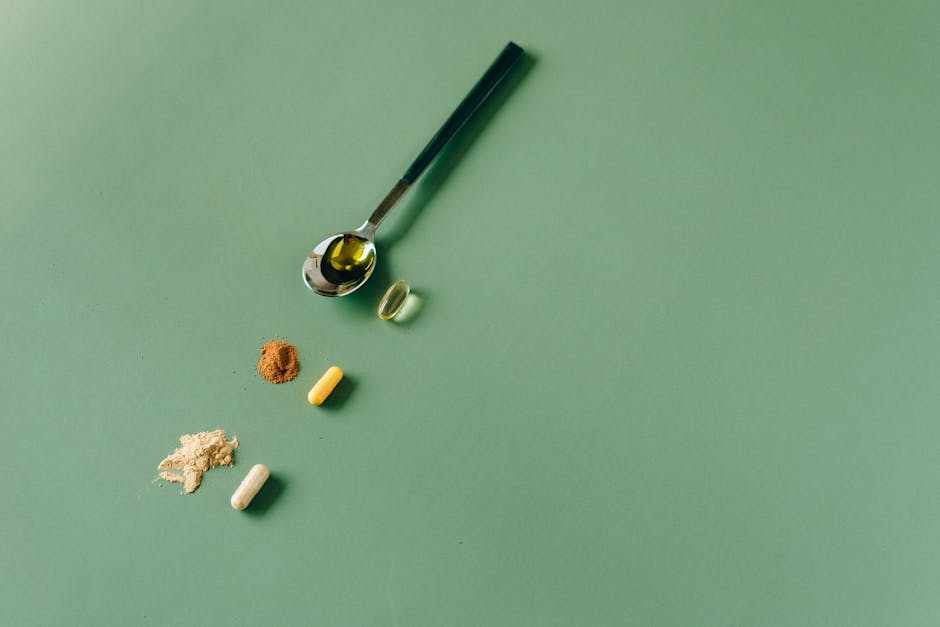

Water-Soluble Vitamins: The Empty Stomach Approach
Water-soluble vitamins dissolve easily in water and are best absorbed when your stomach isn't competing with food digestion. The Integrative Medical Clinic of North Carolina recommends taking these vitamins on an empty stomach or with a light meal for optimal absorption.
**B-complex vitamins** are particularly sensitive to timing. Taking them in the morning on an empty stomach, 30 minutes before breakfast, can improve absorption by 25-40%. However, B vitamins are energizing and can interfere with sleep if taken late in the day. Stick to morning dosing unless you're using specific B vitamins therapeutically under professional guidance.
**Vitamin C** absorption follows a saturation curve—your body can only absorb about 200mg at once. Taking larger doses means you're literally flushing money down the drain. Instead, split doses throughout the day: 200mg in the morning on an empty stomach, and another 200mg in the afternoon, spaced away from meals.
The **empty stomach rule** applies 30-60 minutes before meals or 2-3 hours after eating. This timing ensures your stomach acid can properly break down the supplement without interference from food particles or competing nutrients.
Strategic Spacing: Avoiding Nutrient Interference
One of the biggest mistakes I see people make is taking all their supplements at once. NutriFitt's research emphasizes that for best results, you should space supplements 2-3 hours apart to ensure proper absorption.
Certain nutrients compete for the same absorption pathways in your intestines. **Iron and calcium** are classic competitors—taking them together can reduce iron absorption by up to 60%. Similarly, **zinc and copper** should be spaced apart, as high doses of zinc can interfere with copper absorption over time.
"The key to **supplement timing** isn't rigid rules—it's about optimizing impact by aligning your supplement schedule with your lifestyle and training for improved absorption, recovery, and long-term results." - Gym Center Research, 2025
Common Supplement Interactions to Avoid
- Iron + Calcium: Space 2+ hours apart
- Zinc + Copper: Take at different meals
- Magnesium + High-fiber foods: Fiber can reduce absorption by 30%
- Probiotics + Hot beverages: Heat kills beneficial bacteria
- Fat-soluble vitamins + Mineral oil: Can block absorption completely

Specialized Supplement Timing for Maximum Impact
Beyond basic vitamins, **specialized supplements** require specific timing strategies to maximize their effectiveness. Fitness enthusiasts and those focused on mental health benefits need particular attention to timing.
Probiotics: The 15-30 Minute Window
Fitness RX research shows that probiotics should be consumed 15-30 minutes before breakfast on an empty stomach when stomach acid is lower, improving bacterial survival and colonization. This timing allows the beneficial bacteria to reach your intestines before stomach acid production ramps up with food intake.
For maximum probiotic survival, take them with room temperature water and avoid hot beverages for at least 30 minutes before and after. The optimal window is between 6-8 AM when stomach acid is naturally at its lowest.
Caffeine and Pre-Workout Supplements
**Caffeine timing** follows predictable pharmacokinetics. Peak blood levels occur 45-60 minutes post-consumption, according to multiple studies. For workout benefits, take 200-400mg of caffeine 45 minutes before training for maximum energy during your session.
However, caffeine has a 6-8 hour half-life, meaning it stays in your system much longer than you feel its effects. To avoid sleep disruption, avoid caffeine intake after 2 PM if you typically go to bed around 10 PM.
Magnesium: The Evening Relaxation Mineral
**Magnesium** is unique among minerals because it has calming properties that make it ideal for evening supplementation. Taking 200-400mg of magnesium glycinate 1-2 hours before bed can improve sleep quality by activating the parasympathetic nervous system. This timing also avoids any potential digestive upset that can occur with higher doses on an empty stomach.

Complete Supplement Timing Reference Table
| Supplement Category | Optimal Timing | With/Without Food | Absorption Improvement |
|---|---|---|---|
| Fat-Soluble Vitamins (A, D, E, K) | With largest meal | With 15-20g fat | 32-50% increase |
| B-Complex Vitamins | Morning, empty stomach | 30 min before breakfast | 25-40% increase |
| Vitamin C | Split doses: AM/PM | Empty stomach | 200mg max per dose |
| Iron | Morning, empty stomach | With vitamin C | 300% increase with C |
| Calcium | Evening with dinner | With food | Space from iron |
| Magnesium | 1-2 hours before bed | With light snack | Improves sleep quality |
| Probiotics | 15-30 min before breakfast | Empty stomach | Better bacterial survival |
| Omega-3 Fish Oil | With meals | With fat-containing food | Reduces fishy aftertaste |
Creating Your Personal Supplement Schedule
Building an effective **supplement timing** routine requires personalizing the science to fit your lifestyle. Start by mapping out your typical daily routine: meal times, workout schedule, work commitments, and sleep patterns.
Most people benefit from a three-tier approach: morning energizing supplements, midday maintenance nutrients, and evening calming supplements. This aligns with your body's natural circadian rhythms and energy needs throughout the day.
Sample Daily Schedule
6:30 AM (Upon waking, empty stomach):
- Probiotics with room temperature water
- Wait 15-30 minutes before breakfast
7:00 AM (30 minutes before breakfast):
- B-complex vitamins
- Vitamin C (200mg)
- Iron (if needed, with vitamin C)
12:00 PM (With lunch containing healthy fats):
- Fat-soluble vitamins (D, K)
- Omega-3 fish oil
3:00 PM (Afternoon boost):
- Second vitamin C dose (200mg)
- Adaptogenic herbs if using
7:00 PM (With dinner):
- Calcium (spaced from morning iron)
- Vitamins A and E
9:00 PM (1-2 hours before bed):
- Magnesium glycinate
- Melatonin (if using)
Remember to adapt this schedule to your needs and consult with healthcare providers, especially if you're taking medications or have specific health conditions. The goal is consistency and optimization, not perfection.
Common Timing Mistakes That Waste Your Money
After reviewing thousands of supplement regimens, certain mistakes appear repeatedly. These errors can reduce effectiveness by 50% or more, essentially throwing money away.
Mistake #1: Taking everything at once. The "handful of pills" approach ignores nutrient competition and can overwhelm your absorption capacity. Your intestines can only process so much at one time.
Mistake #2: Ignoring food requirements. Taking fat-soluble vitamins on an empty stomach is like trying to dissolve oil in water—it simply doesn't work efficiently.
Mistake #3: Inconsistent timing. Your body thrives on routine. Taking supplements at random times prevents your digestive system from optimizing absorption pathways.
Mistake #4: Not considering medication interactions. Many common medications affect nutrient absorption. Blood thinners interact with vitamin K, acid reducers affect B12 absorption, and antibiotics can destroy probiotic benefits.
Mistake #5: Mega-dosing water-soluble vitamins. Taking 1000mg of vitamin C at once means you absorb maybe 200mg and excrete the rest. Split dosing is more effective and cost-efficient.
Beyond Timing: Other Absorption Optimization Factors
**Supplement timing** is crucial, but it's part of a larger absorption optimization strategy. Your digestive health, hydration status, stress levels, and even the quality of your supplements all impact how much benefit you receive.
Digestive enzymes naturally decline with age, starting around age 35. If you're over 40, consider taking a digestive enzyme supplement with meals containing fat-soluble vitamins to improve breakdown and absorption.
Hydration plays a critical role in nutrient transport. Aim for at least 8 glasses of water daily, and take water-soluble vitamins with a full 8-ounce glass of water to ensure proper dissolution and transport to absorption sites.
Chronic stress elevates cortisol, which can impair digestive function and reduce nutrient absorption by up to 40%. If you're dealing with high stress, consider adapting your supplement routine to include stress-supporting nutrients like magnesium and B vitamins, properly timed for maximum benefit.
The form of your supplements matters too. Methylated B


