TL;DR: With the FDA not verifying supplement contents and a 2023 analysis revealing that 776 dietary supplements contained unapproved pharmaceutical ingredients, **third-party testing** is your only reliable safeguard. Look for NSF International, USP Verified, or Informed Choice logos—these organizations conduct rigorous testing that includes batch-specific analysis, facility inspections, and ongoing monitoring to ensure supplements contain what they claim without harmful contaminants.
Why Supplement Verification Is Critical for Your Health
Walking down the supplement aisle can feel overwhelming, with thousands of products making bold health claims. But here's a sobering reality: the supplement industry operates under minimal regulatory oversight, leaving consumers vulnerable to products that may not contain what's on the label—or worse, may contain harmful contaminants.
Unlike prescription medications, the Food and Drug Administration (FDA) doesn't verify the contents of dietary supplements before they hit store shelves. According to Fullscript's analysis, many third-party certifiers have stepped in to fill this regulatory gap, evaluating supplement quality based on identity, strength, and purity—factors the FDA doesn't routinely verify.
This regulatory vacuum has real consequences. A comprehensive review by the Department of Defense found hundreds of supplements containing undisclosed pharmaceutical ingredients, including banned stimulants and unapproved drugs. The stakes are particularly high for athletes, military personnel, and anyone taking multiple medications, where hidden ingredients could trigger failed drug tests or dangerous interactions.
That's where **third-party testing and certification** becomes your safety net. These independent organizations act as watchdogs, conducting rigorous testing that manufacturers often skip. As noted by nutrition experts, this verification process is becoming the gold standard for quality assurance in an otherwise under-regulated industry.
What Third-Party Testing Actually Means
**Third-party testing** refers to independent laboratory analysis conducted by organizations with no financial stake in a supplement's success. These certifiers test products to ensure they contain the ingredients listed on the label at the stated potencies, while screening for potentially harmful contaminants like heavy metals, pesticides, and undisclosed pharmaceutical compounds.
The Office of Dietary Supplements Research clarifies an important distinction: third-party certification doesn't evaluate whether a supplement is effective or safe for everyone—it simply verifies that the product content matches the label. This means you're getting what you pay for, without unwanted surprises.
However, not all testing programs are created equal. The only published standard for **third-party certification** is NSF/ANSI 173-2021, which means many organizations may not meet these comprehensive certification guidelines. This standard covers ingredient identification and quantification, toxicology reviews, contaminant testing, and facility inspections—a far more thorough process than many consumers realize.
Understanding this process helps explain why supplements with proper certification often cost more than uncertified alternatives. You're paying for the peace of mind that comes with rigorous testing and quality assurance.
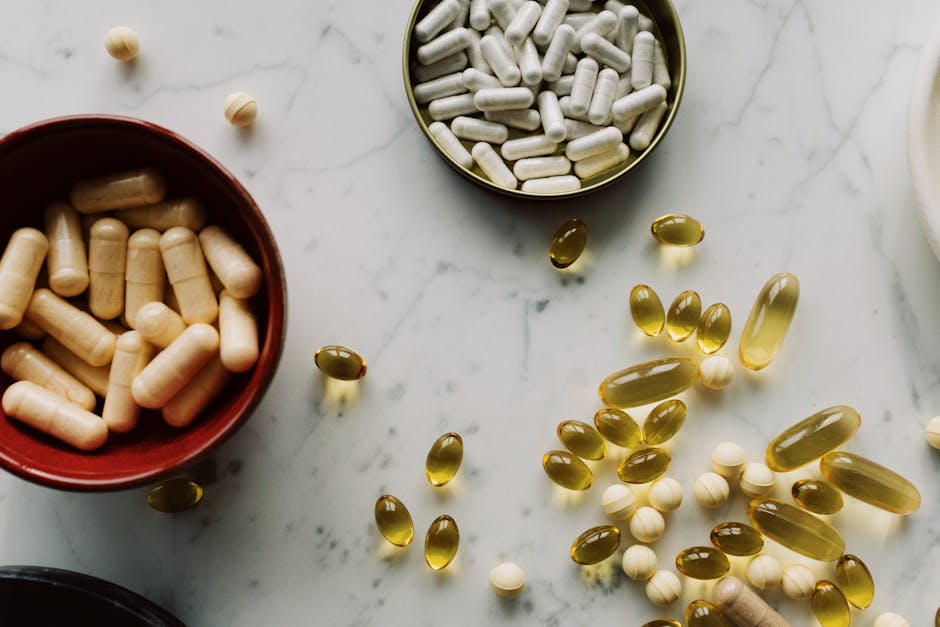

The Big Three: NSF, USP, and Informed Choice
When it comes to **supplement certification standards**, three organizations stand out as industry leaders, each offering distinct advantages for different consumer needs.
NSF International: The Gold Standard
NSF International operates what many consider the most comprehensive testing program available. According to their certification standards, NSF is the only independent organization that conducts true testing rather than simply evaluating manufacturer-submitted data. Their process includes:
- Testing every ingredient for identity and potency
- Screening for more than 270 banned substances and contaminants
- Conducting unannounced facility inspections
- Performing annual audits and periodic retesting
- Requiring batch-specific documentation
The NSF certification seal on a product means it has undergone this rigorous evaluation and continues to be monitored for ongoing compliance.
USP (United States Pharmacopeia): Healthcare Provider Favorite
The USP Dietary Supplement Verification Program has earned particular trust among healthcare professionals. In a representative survey of licensed dietitians, nutritionists, physicians, and pharmacists, the USP Verified Mark was the #1 recommended seal by healthcare practitioners to their patients.
USP's program focuses on five key quality standards:
- Quality: Meeting established purity standards
- Purity: Free from harmful levels of contaminants
- Potency: Contains the amount of ingredient stated on label
- Performance: Dissolves and disintegrates properly for absorption
- Consistency: Manufactured using validated processes
Informed Choice: The Athlete's Shield
Informed Choice specializes in testing for substances banned in competitive sports. Their program is particularly valuable for athletes, military personnel, and anyone subject to drug testing. Products bearing the Informed Choice quality mark have been tested for hundreds of prohibited substances on the World Anti-Doping Agency (WADA) list.
| Certification | Best For | Testing Focus | Ongoing Monitoring |
|---|---|---|---|
| NSF International | General consumers seeking comprehensive safety | 270+ banned substances, heavy metals, potency | Annual audits + periodic retesting |
| USP Verified | Those following healthcare provider recommendations | Purity, potency, performance, dissolution | Ongoing facility monitoring |
| Informed Choice | Athletes and those subject to drug testing | WADA-prohibited substances + basic quality | Regular batch testing |
Step-by-Step: How to Verify Supplement Quality
Armed with knowledge about certification programs, here's your practical guide to **verifying supplement quality** before making a purchase.
Step 1: The Visual Seal Check
Start by examining the product packaging or online listing for certification logos. Look for the NSF, USP, or Informed Choice logo directly on the bottle image or in the product description. These should be clearly visible, not buried in fine print.
Be wary of vague claims like "laboratory tested" or "quality assured" without specific certification seals. As Harvard Health notes, most seals of approval are meaningless, but the U.S. Department of Defense has identified several certifying organizations that provide legitimate verification.
Step 2: Database Verification
Don't stop at visual confirmation. Each major certifying organization maintains searchable databases where you can verify current certification status:
- NSF: Visit nsf.org and use their product database search
- USP: Check usp.org's verified products database
- Informed Choice: Search their certified products list at choice.wetestyoutrust.com
This verification step is crucial because certifications can expire or be revoked if products fail follow-up testing.
Step 3: Request Certificates of Analysis
Quality manufacturers provide batch-specific Certificates of Analysis (COAs) upon request. According to supplement safety experts, you should look for companies that provide these documents and conduct regular third-party verification.
A legitimate COA should include:
- Batch or lot number matching your product
- Test results for active ingredients
- Contaminant screening results
- Testing laboratory information
- Date of analysis
Step 4: Research the Manufacturer
Investigate the company behind the supplement. Reputable manufacturers typically:
- Maintain FDA-registered facilities
- Follow Good Manufacturing Practices (GMP)
- Provide transparent ingredient sourcing information
- Offer readily accessible customer service
- Have established track records in the industry

Red Flags: What to Avoid
Recognizing warning signs can save you from ineffective or potentially dangerous supplements. Here are the major **red flags in supplement quality** that should make you think twice:
Pricing That's Too Good to Be True
Legitimate third-party testing costs money, and those expenses are reflected in product pricing. If a supplement claiming premium ingredients costs significantly less than certified alternatives, question why. Quality testing, facility inspections, and ongoing monitoring aren't cheap—but they're essential for your safety.
Vague or Misleading Testing Claims
Watch out for phrases like:
- "Laboratory tested" (without specifying which lab or what tests)
- "Quality assured" (meaningless without third-party verification)
- "Pharmaceutical grade" (not a regulated term)
- "FDA approved" (supplements aren't approved by the FDA)
As nutrition experts emphasize, don't settle for vague testing claims when specific certification logos from recognized organizations are available.
Unrealistic Health Claims
Be skeptical of supplements promising miraculous results or claiming to cure serious medical conditions. The supplement industry's minimal regulation makes it a breeding ground for exaggerated marketing claims that aren't supported by scientific evidence.
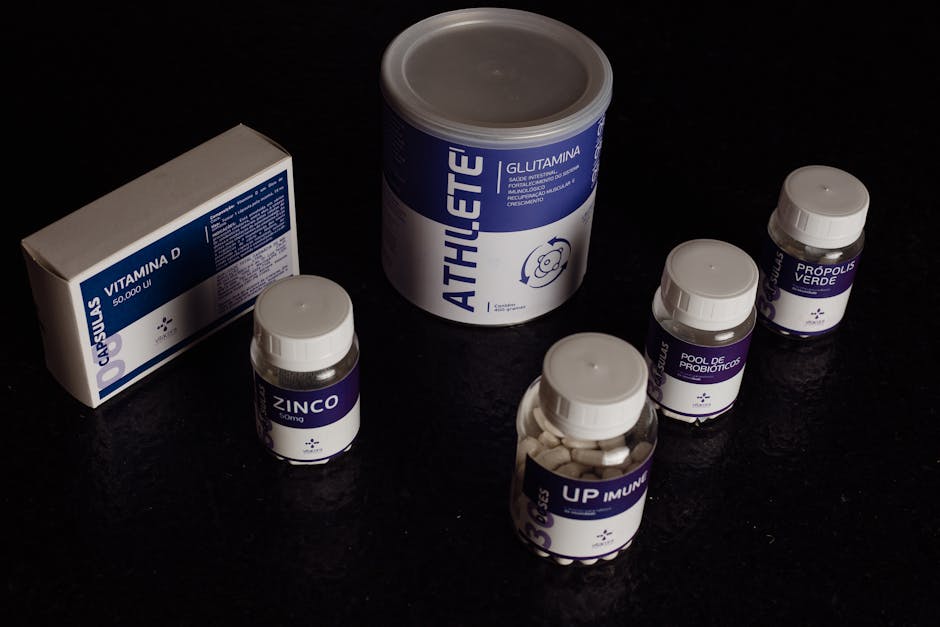
The Economics of Quality: Is Certified Worth the Cost?
**Certified supplements** typically cost 20-40% more than non-certified alternatives, raising the question: is the extra expense justified?
Consider the hidden costs of uncertified supplements:
- Ineffectiveness: Products with insufficient active ingredients waste your money entirely
- Health risks: Contaminated supplements can lead to serious health complications and medical expenses
- Legal consequences: For athletes, banned substances in uncertified supplements can end careers
- Opportunity cost: Time spent dealing with ineffective products delays achieving your health goals
When viewed through this lens, the additional cost of certification becomes a worthwhile investment in your health and peace of mind. You're paying for quality assurance that prevents these potential problems.
For those managing their mental health or addressing specific nutritional needs, the stakes are even higher. Taking supplements that don't contain what's promised can interfere with treatment plans and delay improvement.
Special Considerations for Different Groups
Certain populations face unique risks when it comes to supplement quality, making **third-party certification** even more critical.
Athletes and Military Personnel
For individuals subject to drug testing, choosing supplements without proper certification can be career-ending. The Informed Choice certification specifically addresses this need by testing for substances on the World Anti-Doping Agency prohibited list.
Pregnant and Breastfeeding Women
Quality assurance becomes paramount when supplement choices affect both mother and child. Certified products provide confidence that you're avoiding harmful contaminants while getting the nutrients you need during this critical time.
Individuals with Chronic Conditions
If you're managing conditions like diabetes, heart disease, or autoimmune disorders, supplement interactions with medications can be dangerous. Certified products reduce the risk of unexpected ingredients that could interfere with your treatment plan.
Elderly Adults
Age-related changes in metabolism and increased likelihood of taking multiple medications make quality assurance especially important for older adults. Certified supplements help prevent interactions and ensure appropriate potency levels.
Frequently Asked Questions
How can I tell if a supplement is truly third-party tested?
Look for specific certification logos from NSF International, USP, or Informed Choice on the product packaging, then verify the certification through the organization's official database. Don't accept vague claims like "laboratory tested" without specific third-party seals.
Are certified supplements always more expensive?
Yes, certified supplements typically cost 20-40% more than uncertified alternatives due to testing expenses, facility inspections, and ongoing monitoring. However, this additional cost provides assurance that you're getting what you pay for and avoiding potential health risks.
Does FDA regulation mean I don't need third-party testing?
No, the FDA does not verify supplement contents before they reach consumers. Unlike prescription drugs, dietary supplements enter the market without pre-market approval, making third-party testing your primary protection against mislabeled or contaminated products.
Which certification is best for general health purposes?
NSF International offers the most comprehensive testing program for general consumers, screening for over 270 banned substances and contaminants while conducting ongoing facility inspections. USP Verified is also excellent and is the top choice among healthcare providers.
Can I request test results for specific supplement batches?
Yes, reputable manufacturers should provide batch-specific Certificates of Analysis upon request. These documents show test results for the exact batch you're purchasing, including active ingredient levels and contaminant screening results.
Enjoyed this article?
Get science-backed health tips delivered to your inbox every week.


