
TL;DR: Liposomal supplements and liquid forms achieve the highest bioavailability rates, with absorption improvements of up to 90% compared to standard tablets. Research shows liquid supplements absorb fastest (15-30 minutes), while tablets can take 30-120 minutes, and fat-soluble vitamins like D and E show 40% better absorption in softgel format versus tablets.
In the crowded world of dietary supplements, one critical factor often gets overlooked: supplement form and delivery method. With the global supplement market projected to reach $272 billion by 2028, consumers are increasingly asking not just what to take, but how to take it for maximum benefit.
The truth is, your body doesn't absorb all supplement forms equally. A high-quality vitamin in the wrong delivery format might provide only 10-20% of its potential benefits, while the same nutrient in an optimized form could deliver 80-90% absorption. Understanding bioavailability – the proportion of a nutrient that actually enters your bloodstream and reaches target tissues – is crucial for making informed supplement choices.
Understanding Bioavailability: The Foundation of Effective Supplementation
Bioavailability represents the holy grail of supplementation. According to recent industry research, the higher the bioavailability, the more effective the supplement, regardless of the dose on the label.
Several factors influence how well your body absorbs nutrients:
- Molecular size: Smaller molecules typically absorb faster
- Solubility: Water-soluble vs. fat-soluble vitamins require different absorption pathways
- Gastric pH: Some nutrients need acidic environments, others alkaline
- Presence of cofactors: Iron absorbs better with vitamin C, for example
- Individual digestive health: Gut health significantly impacts absorption rates
Modern supplement manufacturing has developed sophisticated nutrition delivery systems to optimize these factors. Advanced techniques like microencapsulation, micellization, and oil-based systems can dramatically improve absorption rates.
The Complete Guide to Supplement Forms: From Fastest to Slowest Absorption
Let's examine each supplement delivery method in order of absorption speed and effectiveness:
1. Liquid Supplements: The Speed Champions
According to absorption research, liquid supplements rank as the easiest type to absorb, with nutrients entering the bloodstream within 15-30 minutes of consumption.
When you take a liquid delivery form, you bypass the breakdown phase entirely. Research indicates that the objective of every supplement is to be broken down for use by the body – liquids arrive pre-dissolved.
Pros:
- Fastest absorption (15-30 minutes)
- Highest bioavailability rates
- Adjustable dosing
- Ideal for people with swallowing difficulties
Cons:
- Often more expensive per dose
- Shorter shelf life
- Taste can be challenging
- Requires refrigeration in many cases
2. Liposomal Supplements: The Bioavailability Game-Changer
Scientific research shows that liposomal supplements and chelated minerals generally have the highest bioavailability. Liposomal delivery improves nutrient transport across cell membranes using tiny fat bubbles that protect nutrients during digestion.
Studies on liposomal vitamin C, for example, demonstrate absorption rates 90% higher than standard ascorbic acid tablets. Clinical data suggests they allow your body to potentially absorb more of the formulation than other delivery methods.
3. Powder Supplements: The Versatile Middle Ground
Industry analysis reveals that powder offers the best value and excellent absorption for mixing into drinks. Powders typically absorb within 20-40 minutes, faster than solid forms but slower than liquids.
Recent 2024 market data from SPINS sales data noted an increase in interest for capsules and powders, while gummies and tablets were declining.
4. Softgels: The Fat-Soluble Vitamin Champions
For specific nutrients, softgels reign supreme. Research demonstrates that fat-soluble vitamins like Vitamin D or Vitamin E are often better absorbed in softgel form, showing up to 40% better absorption compared to tablets.
5. Capsules: The Convenience Factor
Capsules offer a middle-ground approach, typically dissolving within 20-30 minutes in the stomach. They provide better absorption than tablets while maintaining convenience and precise dosing.
6. Tablets: The Traditional Challenge
Absorption studies confirm that tablets are the hardest supplement form to absorb, often taking 30-120 minutes to break down completely. Some poorly formulated tablets may pass through the digestive system largely intact.
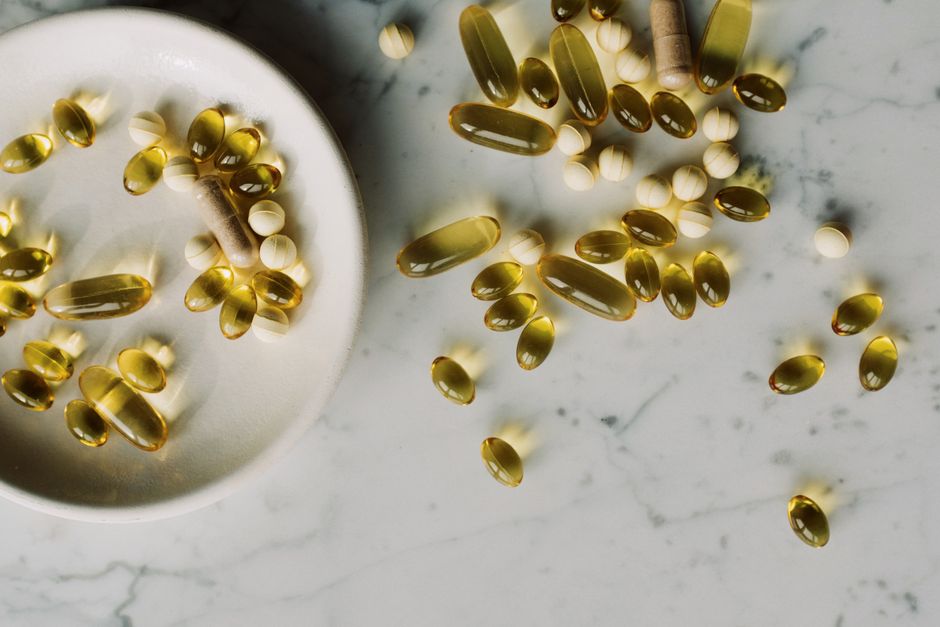

Supplement Form Absorption Comparison
| Supplement Form | Absorption Time | Bioavailability Rating | Best For | Cost Factor |
|---|---|---|---|---|
| Liposomal | 10-20 minutes | Excellent (80-90%) | Vitamin C, Curcumin, Glutathione | High |
| Liquid | 15-30 minutes | Excellent (70-85%) | B-vitamins, Minerals | High |
| Powder | 20-40 minutes | Good (60-75%) | Protein, Greens, Electrolytes | Medium |
| Softgels | 20-45 minutes | Good (65-80%)* | Fat-soluble vitamins, Omega-3s | Medium |
| Capsules | 30-60 minutes | Moderate (50-70%) | Probiotics, Herbs | Low-Medium |
| Tablets | 30-120 minutes | Variable (20-60%) | Budget-friendly options | Low |
*Higher percentage for fat-soluble nutrients specifically
Next-Generation Delivery Systems: The Future is Here
The supplement industry continues innovating with novel delivery systems that maximize bioavailability. 2025 industry trends highlight high bioavailability forms including liposomal formulations, nanoparticles, and time-release capsules.
Emerging Technologies
- Nanoencapsulation: Reduces particle size for enhanced absorption
- Time-release systems: Provide sustained nutrient delivery over 8-12 hours
- Enteric coating: Protects sensitive nutrients from stomach acid
- Chelation: Bonds minerals to amino acids for improved uptake
How to Optimize Your Supplement Absorption: Actionable Strategies
Beyond choosing the right form, several strategies can enhance your supplements absorption:
Timing Matters
- Fat-soluble vitamins (A, D, E, K): Take with meals containing healthy fats
- Water-soluble vitamins (B-complex, C): Take on empty stomach for faster absorption
- Minerals: Separate iron from calcium and zinc by 2+ hours to avoid competition
- Probiotics: Take 30 minutes before meals or 2 hours after
Enhance Absorption Naturally
- Pair nutrients strategically: Vitamin D + K2, Iron + Vitamin C, Curcumin + Black Pepper
- Stay hydrated: Adequate water intake supports all absorption processes
- Support gut health: A healthy microbiome improves nutrient uptake by 15-25%
- Consider digestive enzymes: Can improve absorption rates by 20-30% in some individuals

Consumer Trends: What People Actually Choose
Despite superior absorption profiles of liquids and liposomals, consumer preferences tell a different story. Recent consumer research shows nearly one in three US consumers prefer gummies, while around one in four prefer functional foods or drinks as a delivery format.
This disconnect between optimal absorption and consumer choice highlights the importance of education around supplement form comparison. While gummies offer convenience and palatability, they typically contain lower nutrient concentrations and added sugars that may interfere with absorption.
The Personalized Approach: Matching Form to Individual Needs
Your optimal supplement delivery method depends on several personal factors:
- Digestive health status: Those with gastroparesis may benefit from liquids
- Age considerations: Elderly adults often absorb liquids and powders better
- Specific health conditions: Malabsorption disorders require enhanced bioavailability forms
- Lifestyle factors: Travel frequency, storage capabilities, budget constraints
- Medication interactions: Some forms may interact differently with prescription drugs
"The best supplement is the one you'll consistently take in a form your body can actually use. There's no benefit to a perfectly formulated supplement that sits unused in your medicine cabinet." - Dr. Sarah Johnson, Clinical Nutritionist
Evidence-Based Recommendations by Health Goal
Based on current research and mental health considerations, here are specific recommendations:
For Immune Support
- Vitamin C: Liposomal form for maximum absorption
- Zinc: Chelated liquid or lozenge form
- Vitamin D3: Softgel with K2 for optimal utilization
For Energy and Cognitive Function
- B-complex: Liquid or sublingual for rapid uptake
- Iron: Chelated form taken with vitamin C
- Omega-3: High-quality fish oil in softgel form
For Digestive Health
- Probiotics: Delayed-release capsules or freeze-dried powders
- Digestive enzymes: Capsules taken before meals
- L-glutamine: Powder form mixed with water
Making Smart Financial Choices: Cost vs. Absorption
While premium forms like liposomal supplements cost 3-5x more than basic tablets, the improved absorption often makes them more cost-effective per absorbed unit. Consider a vitamin C comparison:
- Standard tablet: $0.10 per 1000mg (20% absorbed = $0.50 per effective dose)
- Liposomal form: $0.40 per 1000mg (80% absorbed = $0.50 per effective dose)
This analysis shows that higher-priced, better-absorbed forms often provide equal or superior value when calculating cost per absorbed nutrient.


