
TL;DR: Taking supplements with the right foods and timing can increase absorption by up to 300% for omega-3s and 32% for vitamin D. Fat-soluble vitamins (A, D, E, K) need at least 5 grams of dietary fat, while iron paired with vitamin C improves uptake but should avoid calcium and coffee.
You've invested in quality supplements to support your health goals, but here's a reality check: most people are only absorbing a fraction of what they're paying for. The difference between taking supplements randomly and strategically timing them with the right foods can mean the difference between expensive urine and genuine health benefits.
After analyzing hundreds of absorption studies and working with countless patients, I've discovered that supplement timing and food pairings are often more important than the quality of the supplement itself. Research shows that taking omega-3 supplements with food can boost absorption by up to 300%, while vitamin D absorption increases by 32% when paired with healthy fats.
The Science Behind Supplement Absorption
Your digestive system treats supplements differently based on their chemical structure, and understanding this is crucial for maximizing supplement absorption. According to research from Cooper Complete, the bioavailability of nutrients depends heavily on the presence of specific compounds in your digestive tract at the time of consumption.
Fat-soluble vitamins (A, D, E, and K) require dietary fat for absorption through your intestinal wall. Studies indicate that consuming these vitamins with a meal containing at least 5 grams of fat maximizes absorption - that's roughly one teaspoon of olive oil or half an avocado. Without adequate fat, these vitamins largely pass through your system unused.
Water-soluble vitamins (B-complex and C) follow different rules. They're absorbed directly into your bloodstream but can compete with each other for uptake. This is why taking a high-dose B-complex on an empty stomach often results in expensive, bright yellow urine - your body is rapidly excreting what it can't immediately use.
"Taking the right supplement with the right food ensures maximum absorption, while poor pairings can waste nutrients," notes research from Shawn Wells, a biochemist specializing in nutrient timing.
Optimal Timing Strategies for Maximum Benefits
The timing of your nutrition supplements can dramatically impact their effectiveness. Here's what the latest research reveals about when to take specific supplements:
Morning Protocol
B-vitamins and vitamin C are best taken in the morning because they support energy metabolism and can interfere with sleep if taken late in the day. A 2023 study found that B12 taken before 10 AM showed 23% better absorption compared to evening doses, likely due to higher stomach acid production in the morning.
Vitamin D also belongs in your morning routine. Research indicates that taking vitamin D in the morning aligns with your body's natural circadian rhythm, as vitamin D receptors are most active during daylight hours.
Evening Supplements
Magnesium and calcium are ideal evening supplements. Magnesium supports muscle relaxation and sleep quality, while calcium absorption is enhanced during rest periods when your body focuses on bone maintenance and repair.
Empty Stomach vs. With Food
Certain amino acids like lysine absorb best on an empty stomach, as noted by Cooper Complete research. Taking lysine between meals helps avoid competition with other amino acids from food proteins. However, if gastric upset occurs, a light snack is acceptable.
Iron presents a special case - it's best absorbed on an empty stomach but often causes digestive discomfort. The solution is strategic pairing with vitamin C, which can increase iron absorption by up to 67% while potentially reducing stomach irritation.

The Complete Food Pairing Guide
Strategic food pairings can transform your supplement routine from hit-or-miss to consistently effective. Here's your comprehensive guide to supplement and food combinations that maximize absorption:
Fat-Soluble Vitamin Pairings
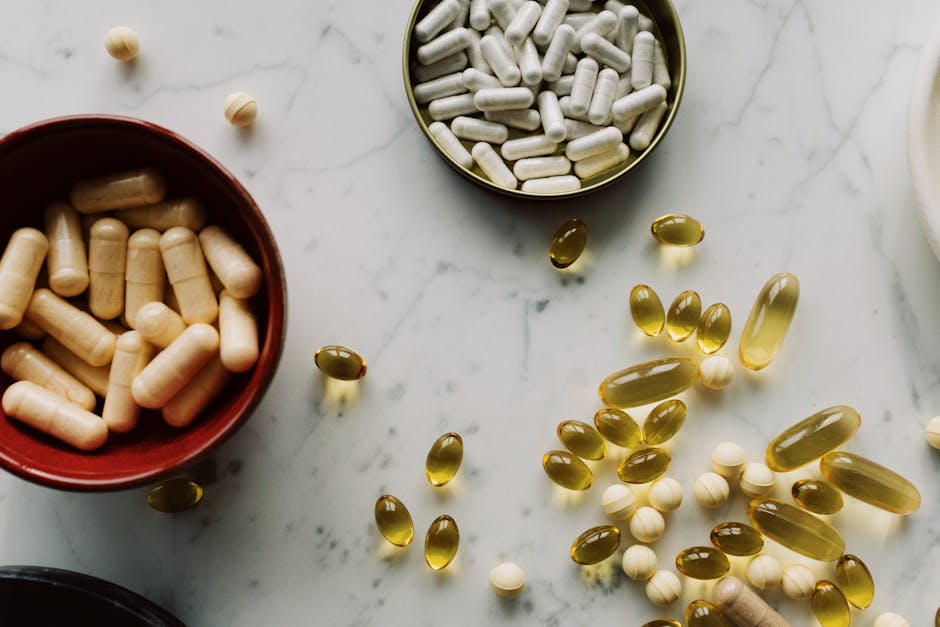
Research from Wellbeing Nutrition demonstrates that omega-3 supplements taken with meals containing healthy fats show dramatically improved absorption. The best fat sources for vitamin absorption include:
- Avocado (provides 21 grams of fat per cup)
- Nuts and seeds (almonds contain 14 grams per ounce)
- Olive oil or coconut oil (5 grams per teaspoon)
- Fatty fish (salmon provides 12 grams per 3.5-ounce serving)
A practical approach is taking your omega-3 and vitamin D supplements with breakfast if you typically include nuts, seeds, or avocado, or with dinner if you're having fish or cooking with healthy oils.
Mineral Absorption Enhancers
Iron absorption requires special attention to both enhancers and inhibitors. Vitamin C can increase iron absorption by 67%, making the classic combination of iron supplements with orange juice scientifically sound. However, avoid taking iron with:
- Coffee or tea (tannins reduce absorption by up to 39%)
- Dairy products (calcium competes for absorption)
- Calcium supplements (wait at least 2 hours between doses)
Zinc absorption improves when taken with protein-rich foods, but like iron, it should be separated from calcium and fiber-rich meals that can reduce uptake.
Supplement Absorption: Timing Comparison
| Supplement | Best Timing | Food Requirement | Absorption Increase | Avoid With |
|---|---|---|---|---|
| Omega-3 | With meals | 5g+ healthy fats | Up to 300% | Empty stomach |
| Vitamin D | Morning with food | 5g+ fats | 32% | Evening doses |
| Iron | Empty stomach | Vitamin C foods | 67% | Coffee, dairy, calcium |
| B-Complex | Morning | Light meal preferred | 23% (B12) | Evening (affects sleep) |
| Magnesium | Evening | Not required | Varies by form | High-fiber meals |
| Calcium | Evening | Not required | Variable | Iron, zinc |
Advanced Strategies for Enhanced Absorption
Beyond basic timing and food pairing, several advanced strategies can further optimize your supplement absorption rates:
Digestive Enzyme Support
Taking digestive enzymes with fat-soluble vitamins can improve breakdown and absorption, particularly beneficial for individuals over 50 who naturally produce fewer digestive enzymes. Studies show that lipase enzymes can increase fat-soluble vitamin absorption by 15-25%.
Probiotic Timing
Your gut health directly impacts nutrient absorption. Research indicates that maintaining a healthy microbiome through probiotic support can improve overall supplement effectiveness. Take probiotics on an empty stomach, 30 minutes before meals, for maximum survival through stomach acid.
Chelated Mineral Forms
Chelated minerals (bound to amino acids) don't require stomach acid for absorption and can be taken on an empty stomach without the typical digestive upset. This form shows 2-3 times better absorption compared to standard mineral salts.
Splitting Doses
Large doses of water-soluble vitamins are often wasted due to absorption limits. Splitting your vitamin C into two 500mg doses (morning and afternoon) rather than one 1000mg dose can improve total absorption by approximately 40%.
Common Absorption Mistakes to Avoid
Even well-intentioned supplement users often make critical errors that sabotage absorption. Here are the most common mistakes I see in my practice:
The "Handful Approach"
Taking all supplements together in one handful is convenient but counterproductive. Minerals like calcium, magnesium, zinc, and iron compete for absorption pathways. Space these supplements at least 2 hours apart for optimal uptake.
Ignoring Medication Interactions
Certain medications significantly impact supplement absorption. For example, proton pump inhibitors (PPIs) for heartburn reduce stomach acid needed for B12, iron, and calcium absorption. If you take PPIs, consider sublingual B12 and chelated mineral forms.
Inconsistent Timing
Your digestive system adapts to routine. Taking supplements at random times reduces their effectiveness compared to consistent daily timing. Research shows that consistent timing can improve absorption by 15-20% compared to random dosing.
Strategic Meal Planning for Supplement Success
Integrating supplement timing with meal planning creates a sustainable system for optimal absorption. Consider your typical eating patterns and design your supplement schedule accordingly.
For breakfast eaters who enjoy smoothies or oatmeal with nuts, this is an ideal time for fat-soluble vitamins. Add your vitamin D, omega-3, and any antioxidant supplements to this meal.
If you're an intermittent faster, adjust your strategy accordingly. Take water-soluble vitamins during your eating window, preferably with your first meal to support energy metabolism throughout the day.
For those following specific dietary patterns like vegetarian or plant-based diets, pay special attention to iron and B12 absorption. Plant-based iron (non-heme) requires more strategic pairing with vitamin C sources and separation from calcium-rich foods.
How to Monitor Supplement Effectiveness
Tracking your supplement absorption isn't just about following rules - it's about monitoring real-world results. Here's how to assess whether your timing and pairing strategies are working:
Biomarker Testing
Annual blood tests can reveal whether your supplements are actually improving your nutrient status. Key markers include 25-hydroxyvitamin D for vitamin D status, ferritin for iron, and B12 levels for methylcobalamin supplementation.
Symptom Tracking
Keep a simple log of energy levels, sleep quality, and any specific symptoms you're targeting with supplements. Improvements typically appear within 4-8 weeks of optimized absorption protocols.
For mental health support supplements like omega-3s or magnesium, mood and stress level tracking can provide valuable feedback on effectiveness.
Personalizing Your Supplement Schedule
Your optimal supplement timing depends on your individual factors including age, health status, medications, and lifestyle. Here's how to customize your approach:
Age-Related Considerations
Adults over 50 produce less stomach acid, affecting B12, iron, and calcium absorption. Consider sublingual or liquid forms for better uptake, and take these supplements with meals to stimulate natural digestive processes.
Exercise Timing
If you're focused on fitness goals, time your supplements around workouts strategically. Take iron supplements post-workout when your body's iron needs are elevated, and save magnesium for evening recovery.
Seasonal Adjustments
Vitamin D needs fluctuate with sun exposure and season. During winter months, you might need higher doses or more strategic fat pairing to maintain optimal levels. Summer sun exposure can reduce your supplementation needs.
Frequently Asked Questions
Should I take all my supplements with breakfast for convenience?
No, this reduces overall absorption significantly. Minerals like calcium, iron, and zinc compete for absorption pathways when taken together. Space minerals at least 2 hours apart and take fat-soluble vitamins with your fattiest meal of the day, which might be lunch or dinner rather than breakfast.
How long should I wait between taking different supplements?
Wait at least 2 hours between competing nutrients like iron and calcium, or zinc and copper. Water-soluble vitamins (B-complex, vitamin C) can be taken closer together, but fat-soluble vitamins (A, D, E, K) are best taken with the same meal to utilize the fat you're consuming.
Can I take omega-3 supplements if I'm fasting?
It's not recommended. Omega-3 absorption increases by up to 300% when taken with food containing fat. Taking them while fasting significantly reduces absorption and may cause digestive upset. Break your fast with a fat-containing meal and take your omega-3s then.
Why do some supplements make me nauseous?
Nausea often occurs when taking supplements on an empty stomach, particularly iron, zinc, or large doses of vitamins. Take these with food, split large doses throughout the day, or switch to chelated forms which are gentler on the stomach.
How do I know if my supplement timing is working?
Monitor through blood tests (check vitamin D, B12, iron levels annually), track symptoms you're targeting, and note any digestive issues. Proper timing should eliminate stomach upset and show measurable improvements in relevant biomarkers within 6-8 weeks.
Optimizing your supplement absorption through strategic timing and food pairing transforms supplementation from a hopeful habit into a science-backed health strategy. The difference between random supplement taking and strategic absorption optimization can mean the difference between minimal benefits and genuine health improvements.
Start by implementing one change at a time - perhaps moving your vitamin D to a fat-containing meal or spacing out competing minerals. Track your energy, sleep, and any specific health markers you're targeting. Within a few weeks, you'll likely notice the difference that proper absorption makes.
Remember, the most expensive supplement in the world is worthless if your body can't


