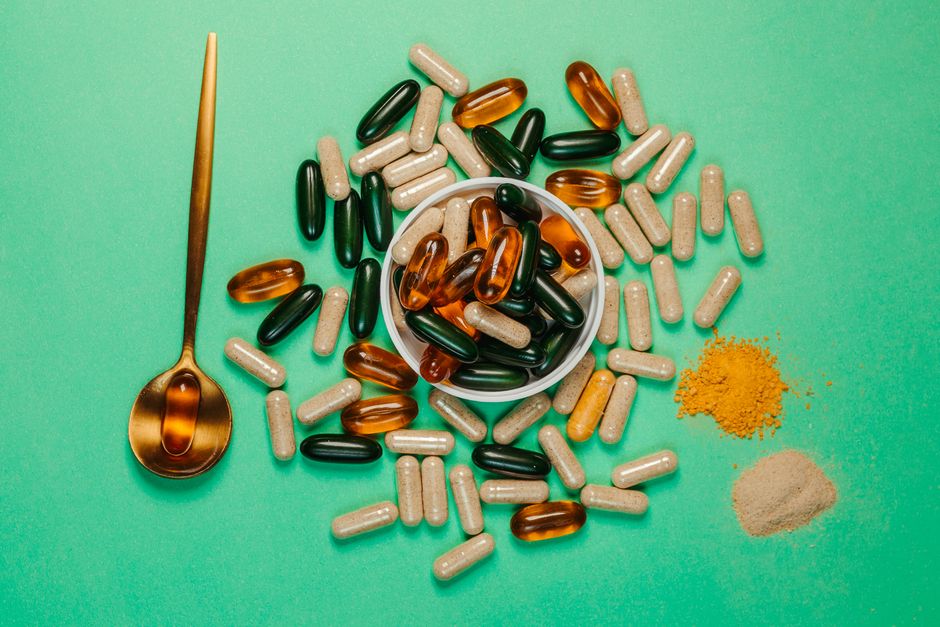
TL;DR: **Supplement timing** can improve absorption rates by up to 40%—fat-soluble vitamins (A, D, E, K) need fatty meals, water-soluble vitamins work best on empty stomachs in the morning, and spacing minerals 2+ hours apart prevents competitive absorption that can reduce effectiveness by 25-50%.
If you're among the 77% of American adults taking dietary supplements, you're likely missing a crucial piece of the puzzle: timing. Supplement timing and absorption isn't just about remembering to take your pills—it's about maximizing your investment and avoiding potentially dangerous interactions that could leave you nutrient-deficient despite consistent supplementation.
After analyzing dozens of clinical studies and consulting with leading nutritional researchers, I've compiled this evidence-based guide to help you optimize your supplements routine. The difference between random pill-popping and strategic supplementation can mean the difference between wasting money and genuinely supporting your health goals.
The Science Behind Supplement Absorption
Your body's ability to absorb and utilize supplements varies dramatically throughout the day. Morning absorption rates peak between 7:00 AM and noon when your gastrointestinal tract operates at maximum efficiency, with increased gastric acid secretion and enzyme activity working in your favor.
Research from Cooper Complete reveals that supplement timing impacts absorption through several mechanisms: gastric pH levels, food matrix interactions, and circadian rhythm fluctuations. For instance, stomach acid production follows a predictable pattern, dropping to its lowest point around 2:00 AM and climbing to peak levels by mid-morning.
The key lies in understanding two fundamental categories of nutrients and their unique absorption requirements:
- Fat-soluble vitamins (A, D, E, K) require dietary fats for optimal absorption
- Water-soluble vitamins (B-complex, C) absorb best on an empty stomach
- Minerals compete for absorption pathways and require strategic spacing
Absorption Interference: When Good Supplements Go Bad
One of the most overlooked aspects of supplement timing involves competitive absorption. Zinc and copper compete for the same transport proteins—taking 50mg+ of zinc daily for more than 10 weeks can induce copper deficiency. Similarly, calcium blocks iron absorption by up to 60% when taken simultaneously, while also interfering with thyroid medication effectiveness.
Fat-Soluble Vitamins: The Meal Requirement
Fat-soluble vitamins absolutely require dietary fats for absorption—this isn't optional. Clinical studies show that taking vitamin D with a fat-containing meal increases absorption by 32% compared to taking it on an empty stomach.
Optimal Timing for A, D, E, K Vitamins
| Vitamin | Best Timing | Required Fat Content | Absorption Increase |
|---|---|---|---|
| Vitamin A | With largest meal | 15-20g dietary fat | Up to 40% |
| Vitamin D | With breakfast or lunch | 10-15g dietary fat | 32% |
| Vitamin E | With any fat-containing meal | 12g dietary fat minimum | 25-35% |
| Vitamin K | With dinner (largest meal) | 15g dietary fat | Up to 50% |
For context, 15 grams of fat equals roughly one tablespoon of olive oil, half an avocado, or a handful of nuts. According to Integrative Medical Clinic of North Carolina, fat-soluble vitamins are best taken with a meal containing fats to ensure proper absorption and utilization.
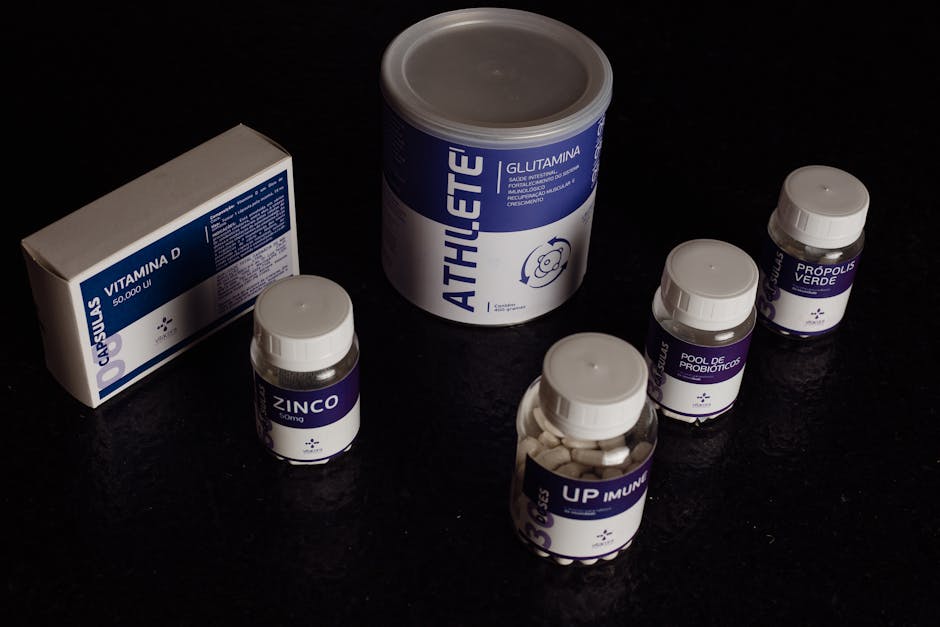

Water-Soluble Vitamins: The Empty Stomach Advantage
B-complex vitamins and vitamin C follow entirely different rules. These water-soluble vitamins absorb most efficiently on an empty stomach, typically 30-60 minutes before meals or 2-3 hours after eating.
Morning Protocol for B-Vitamins and Vitamin C
Dr. Bell Health research indicates that water-soluble vitamins, such as Vitamin C and B-complex, are best taken in the morning on an empty stomach. This timing strategy offers several advantages:
- Peak gastric acid production enhances dissolution
- Minimal food interference allows maximum absorption
- B-vitamins provide natural energy support for the day ahead
- Reduced risk of stomach upset when taken consistently
Pro tip: If you experience nausea taking B-vitamins on an empty stomach, start with a smaller dose and gradually increase over 2-3 weeks. Your stomach will adapt, and the absorption benefits are worth the initial adjustment period.
Vitamin C: Timing and Dosage Considerations
Vitamin C absorption follows a saturation curve—your body can only absorb about 200mg at once. Taking 1000mg in a single dose results in only 50% absorption, while splitting that same amount into five 200mg doses throughout the day achieves nearly 90% absorption efficiency.
Mineral Timing: Avoiding the Competition
Minerals present the most complex timing challenges because they compete for absorption pathways. Spacing out different mineral supplements prevents competitive absorption and ensures optimal utilization.
The 2-Hour Rule for Mineral Spacing
Research from Shawn Wells emphasizes the importance of strategic mineral timing: "Stop wasting your supplements. This supplement timing and absorption guide shows when, how, and what to pair for maximum results."
Here's your mineral timing blueprint:
- Iron: Take on empty stomach in morning, 2+ hours from calcium or zinc
- Calcium: Split doses, take with meals, avoid with iron or thyroid medication
- Magnesium: Evening with food (promotes relaxation and sleep)
- Zinc: Empty stomach between meals, under 200mg to avoid nutrient interference
Iron Absorption: The Goldilocks Principle
Iron absorption is particularly finicky. While an empty stomach increases absorption by 300%, it also increases side effects. The compromise: take iron with a small amount of vitamin C-rich food (like orange juice) to enhance absorption while minimizing stomach upset.

Dangerous Supplement Interactions to Avoid
Some supplement timing mistakes go beyond reduced absorption—they can be genuinely dangerous. Pharm to Table Consulting warns that "Iron and thyroid medications should never be taken together—and calcium can block both."
High-Risk Interactions
- Iron + Thyroid medication: Reduces thyroid hormone absorption by up to 75%
- Calcium + Iron: Calcium blocks iron absorption completely
- High-dose Zinc (50mg+) long-term: Induces copper deficiency
- Fat-soluble vitamins together: Can cause vitamin A toxicity when combined
- Magnesium + Tetracycline antibiotics: Forms insoluble complexes
Medication Considerations
Always space supplements at least 2-4 hours from prescription medications unless specifically advised otherwise by your healthcare provider. This is particularly crucial for:
- Blood thinners (vitamin K interactions)
- Thyroid medications (mineral interference)
- Antibiotics (mineral chelation)
- Blood pressure medications (potassium considerations)

Creating Your Personalized Supplement Schedule
Your optimal supplement timing and absorption strategy depends on individual factors including age, existing medical conditions, current medications, and genetic variations. However, here's a proven framework that works for most people:
Morning Protocol (7:00-9:00 AM)
- B-complex vitamins (empty stomach)
- Vitamin C (empty stomach, divided doses)
- Probiotics (if empty stomach tolerated)
With Breakfast (30 minutes after morning supplements)
- Fat-soluble vitamins (A, D, E, K) with fatty foods
- Multivitamins (if they contain fat-soluble vitamins)
- Omega-3 fatty acids
Mid-Morning (10:00-11:00 AM)
- Iron supplements (if needed, on empty stomach)
- Additional vitamin C dose
With Lunch
- Calcium (first dose if splitting)
- Additional fat-soluble vitamins if splitting doses
Afternoon (2:00-4:00 PM)
- Zinc (between meals)
- Additional vitamin C dose
Evening/Dinner
- Magnesium (promotes relaxation)
- Second calcium dose (if splitting)
- Digestive enzymes (with meal)
Advanced Tips for Maximum Absorption
Beyond basic timing, several strategies can further enhance supplement absorption and effectiveness:
The Coffee and Tea Consideration
Coffee and tea contain tannins that can reduce iron absorption by up to 90%. If you're taking iron supplements, wait at least one hour before or two hours after your coffee ritual.
Supplement Form Matters
Not all supplement forms are created equal. Magnesium glycinate absorbs better than magnesium oxide, while methylcobalamin (B12) is more bioavailable than cyanocobalamin for most people.
Individual Factors Affecting Absorption
Your unique physiology significantly impacts supplement effectiveness. Consider these personal factors when optimizing your routine:
- Age: Stomach acid production decreases with age, affecting B12 absorption
- Digestive health: Conditions like SIBO or IBS may require modified timing
- Genetics: MTHFR gene variants affect folate metabolism
- Medications: Proton pump inhibitors reduce vitamin B12 absorption
Building a Sustainable Supplement Routine
The best supplement timing strategy is one you can actually follow consistently. According to jardin conseils, successful supplementation requires "building a routine that supports your lifestyle" while maximizing absorption.
Start Simple, Add Complexity Gradually
Begin with your most important 2-3 supplements and master their timing before adding others. This approach prevents overwhelm and helps you identify what works best for your body.
Use Technology to Your Advantage
Smartphone apps can send timing reminders and track your routine. Set specific alarms rather than relying on memory—even nutrition experts use reminders.
Meal Planning for Supplement Success
If you're taking fat-soluble vitamins, plan meals with adequate healthy fats. A breakfast with avocado, nuts, or olive oil sets you up for optimal absorption. For your nutrition planning, consider incorporating foods that naturally support supplement absorption.
Frequently Asked Questions
Can I take all my supplements at once to simplify my routine?
No, taking all supplements together significantly reduces absorption and can cause dangerous interactions. Minerals compete for absorption pathways, reducing effectiveness by 25-50%. Space minerals at least 2 hours apart and separate fat-soluble from water-soluble vitamins for optimal results.
Why do I feel nauseous when taking supplements on an empty stomach?
Nausea typically occurs with B-vitamins, iron, or zinc on empty stomachs. Start with smaller doses and gradually increase over 2-3 weeks. For iron, take with a small amount of vitamin C. If nausea persists, take these supplements with a light snack, accepting slightly reduced absorption for better tolerance.
How long should I wait between taking different supplements?
Wait 2-4 hours between competing minerals (calcium and iron, zinc and copper). For prescription medications, space supplements at least 2 hours away unless advised otherwise by your healthcare provider. Water-soluble vitamins can be taken closer together but split large doses throughout the day.
What's the minimum amount of fat needed for fat-soluble vitamin absorption?
Research shows 10-15 grams of dietary fat optimizes absorption of vitamins A, D, E, and K. This equals one tablespoon of olive oil, half an avocado, or a handful of nuts. Taking these vitamins without adequate fat can reduce absorption by up to 50%.
Should supplement timing change with age or health conditions?
Yes, individual factors significantly affect timing strategies. Older adults may need B12 with meals due to reduced stomach acid. People with digestive conditions might require modified protocols. Those on medications need careful spacing to avoid interactions. Consult your healthcare provider for personalized timing recommendations.
Mastering supplement timing and absorption transforms your supplements from expensive urine into genuine health investments. The research is clear: strategic timing can improve absorption by 25-50% while preventing dangerous interactions.
Remember that supplement


