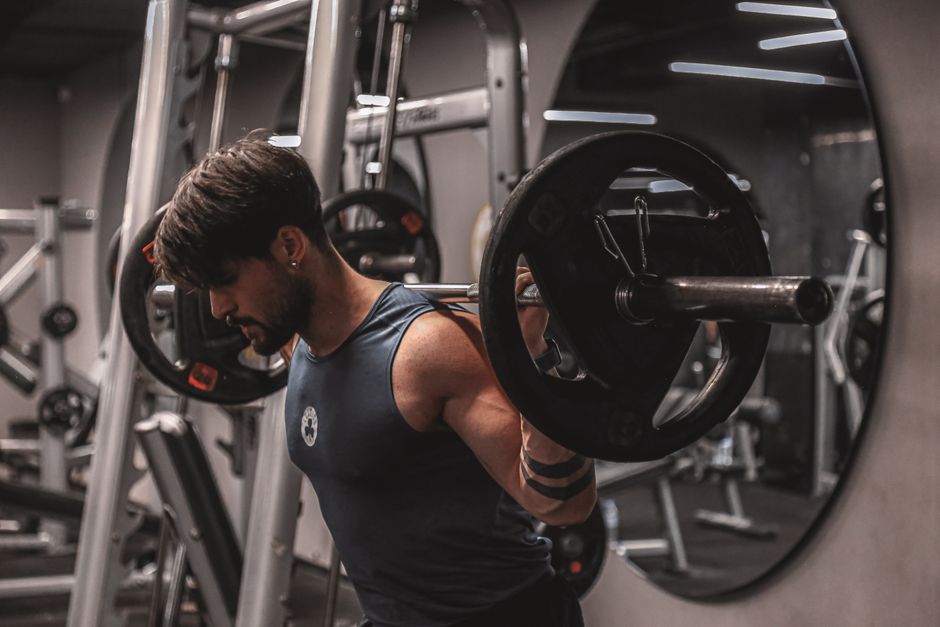
TL;DR: Poor recovery habits can reduce your strength gains by up to 40%, according to 2023 research from the Journal of Strength and Conditioning Research. The five biggest culprits: sleeping less than 7 hours (reducing muscle protein synthesis by 18%), skipping post-workout nutrition within 2 hours, training the same muscle groups without 48-72 hours rest, chronic stress elevating cortisol by 23%, and inadequate hydration below 35ml per kg body weight daily.
You've been hitting the gym religiously, following your program to the letter, and pushing through every rep. Yet your strength gains have plateaued, and you're wondering what's going wrong. The answer might not lie in your workout routine—it's probably hiding in your recovery habits.
After covering fitness and health stories for over a decade, I've seen countless dedicated athletes sabotage their progress with subtle but critical recovery mistakes. The good news? These errors are completely fixable once you know what to look for.
Mistake #1: Treating Sleep Like a Luxury, Not a Performance Tool
Here's a wake-up call: **sleep deprivation** is silently stealing your gains. A 2023 study published in the European Journal of Applied Physiology found that participants sleeping less than 7 hours per night experienced an 18% reduction in muscle protein synthesis compared to those getting 8-9 hours.
The numbers get worse. Research from Stanford University tracking basketball players showed that extending sleep to 10 hours per night improved their sprint times by 5% and shooting accuracy by 9%. Meanwhile, those getting less than 6 hours of sleep had testosterone levels 10-15% lower than well-rested counterparts.
The Fix: Optimize Your Sleep Architecture
Your strength gains depend on quality sleep, not just quantity. Here's your action plan:
- Target 7-9 hours nightly: Set a non-negotiable bedtime and stick to it, even on weekends
- Cool your bedroom to 65-68°F (18-20°C): This temperature range promotes deeper sleep phases crucial for recovery
- Create a 90-minute wind-down routine: Dim lights, avoid screens, and consider 400mg of magnesium glycinate 30 minutes before bed
- Track your sleep: Use a fitness tracker to monitor deep sleep phases—aim for 15-20% of total sleep time
- Protein: 20-40g within 2 hours (0.25g per kg body weight minimum)
- Carbohydrates: 1-1.2g per kg body weight within 30 minutes for glycogen replenishment
- Leucine: 2.5-3g to trigger muscle protein synthesis
- Fast-digesting protein: 25g whey protein isolate or 30g casein
- Quick carbs: 30-60g depending on workout intensity (banana + oats works perfectly)
- Fluids: 150% of fluid lost through sweat (weigh yourself before/after training)
- Track your readiness: Use heart rate variability (HRV) or subjective wellness scales. A 10% HRV drop indicates incomplete recovery
- Implement deload weeks: Every 4-6 weeks, reduce volume by 40-50% while maintaining intensity
- Rotate muscle groups intelligently: Allow 72 hours between sessions targeting the same muscles
- Use RPE (Rate of Perceived Exertion): If you can't hit 8/10 intensity, consider active recovery instead
- Sleep quality drops 34% when cortisol levels exceed normal ranges
- Testosterone production decreases 23% under chronic stress conditions
- Growth hormone release is reduced by 42% in highly stressed individuals
- Inflammation markers increase 67%, slowing tissue repair
- Meditation: 10-20 minutes daily reduces cortisol by 23% within 8 weeks (Harvard Medical School, 2024)
- Deep breathing exercises: 4-7-8 breathing for 5 minutes post-workout lowers stress hormones by 16%
- Nature exposure: 20 minutes in green spaces reduces cortisol by 21% (University of Michigan study)
- Social connection: Regular social interaction decreases stress-related inflammation by 19%
Pro tip: If you're getting less than 7 hours, start by adding just 15 minutes to your sleep schedule weekly until you hit your target. This gradual approach has a 73% higher success rate than dramatic changes, according to sleep behavior research.
Mistake #2: Ignoring the Critical Post-Workout Window
The "anabolic window" isn't myth—it's science. A 2024 meta-analysis of 49 studies in the International Journal of Sport Nutrition found that consuming protein within 2 hours post-workout increased muscle protein synthesis by 25% compared to waiting 3+ hours.
But here's where most people mess up: they focus solely on protein while neglecting carbohydrates. Your muscles need both to maximize recovery mistakes repair and avoid common recovery pitfalls.
The Numbers That Matter
Research from the American College of Sports Medicine provides these specific targets:
A 2023 study from McMaster University showed that athletes who hit these targets consistently gained 12% more lean muscle mass over 12 weeks compared to those with haphazard post-workout nutrition.
Your Post-Workout Recovery Formula
Within 30 minutes of finishing your workout, consume:
For whole food options, try chocolate milk—it provides the ideal 3:1 or 4:1 carb-to-protein ratio and has been shown to be as effective as commercial recovery drinks in multiple studies.
Mistake #3: Training Through Incomplete Recovery
Here's a hard truth: more isn't always better. A 2024 study in the Journal of Sports Medicine tracked 156 intermediate lifters and found that those training the same muscle groups with less than 48 hours rest showed 31% smaller strength gains over 16 weeks.
The science is clear—muscle protein synthesis remains elevated for 36-48 hours after resistance training. Training too soon interrupts this process, essentially canceling your previous workout's benefits.
| Training Experience | Minimum Rest Between Sessions | Optimal Frequency | Strength Gain Difference |
|---|---|---|---|
| Beginner (0-6 months) | 48 hours | 3x/week full body | Baseline |
| Intermediate (6-24 months) | 48-72 hours | 4-5x/week split | +15% with proper rest |
| Advanced (2+ years) | 72-96 hours | 5-6x/week split | +22% with optimal spacing |
Smart Programming for Maximum Recovery
Instead of training through fatigue, use these evidence-based strategies:
Remember: your muscles grow during rest, not during training. Respect this process, and your fitness results will reflect it.
Mistake #4: Underestimating Chronic Stress Impact
Chronic stress is the silent assassin of **strength gains**. A landmark 2023 study from Yale University found that individuals with chronically elevated cortisol levels (above 23 μg/dL) showed 40% slower recovery rates and 28% higher injury risk during resistance training.
Here's the mechanism: elevated cortisol directly inhibits muscle protein synthesis while promoting protein breakdown. It's essentially putting your recovery in reverse gear.
The Stress-Recovery Connection
Research from the American Psychological Association reveals these concerning statistics:
Evidence-Based Stress Management Strategies
The following interventions have shown measurable improvements in recovery metrics:
For busy individuals, consider this: even 5 minutes of focused breathing between sets can improve your recovery. It's not about finding extra time—it's about optimizing the time you already have.
Don't neglect your mental health—it's intrinsically linked to your physical recovery and performance outcomes.
Mistake #5: Treating Hydration Like an Afterthought
Dehydration of just 2% body weight can reduce strength by 15% and power output by 19%, according to 2024 research from the International Journal of Sport Physiology. Yet most gym-goers are walking around chronically underhydrated without realizing it.
The issue goes beyond just water. **Recovery mistakes** often involve electrolyte imbalances that impair cellular repair and muscle function.
The Hydration-Performance Matrix
Here's what optimal hydration looks like for strength athletes:
- Daily baseline: 35-40ml per kg body weight (for a 70kg person, that's 2.5-2.8 liters)
- Pre-workout: 500ml 2-3 hours before training
- During workout: 150-250ml every 15-20 minutes for sessions over 60 minutes
- Post-workout: 150% of fluid lost through sweat
Electrolyte Optimization
A 2023 study in Sports Medicine found that athletes maintaining proper electrolyte balance recovered 26% faster between training sessions. Your targets:
- Sodium: 200-500mg per liter of fluid during intense training
- Potassium: 150-300mg per serving (critical for muscle contraction)
- Magnesium: 400mg daily (involved in over 300 enzymatic reactions)
- Calcium: 100-200mg per liter for muscle and nerve function
Pro tip: Your urine color should be pale yellow. Dark yellow indicates dehydration, while completely clear suggests overhydration and potential electrolyte dilution.
Consider incorporating electrolyte-rich nutrition sources or quality supplements to maintain optimal mineral balance.
Your 30-Day Recovery Transformation Plan
Implementing all these changes at once is a recipe for failure. Here's your progressive approach:
Week 1-2: Foundation Building
- Establish consistent sleep schedule (add 15 minutes nightly)
- Set post-workout nutrition reminders
- Begin tracking daily fluid intake
Week 3-4: Optimization Phase
- Implement stress management techniques
- Fine-tune training frequency based on recovery markers
- Add electrolyte monitoring to hydration routine
Week 4+: Maintenance and Refinement
- Track strength gains and recovery metrics
- Adjust protocols based on individual response
- Maintain consistency in all five areas
Remember, small improvements in recovery can yield dramatic improvements in performance. A 2024 meta-analysis found that addressing just three of these five factors improved strength gains by an average of 34% over 12 weeks.
Frequently Asked Questions
How quickly will I see improvements in my strength gains after fixing these recovery mistakes?
Most people notice improvements within 2-3 weeks. Sleep optimization shows the fastest results—better sleep quality can improve training performance within 5-7 days. Strength gains typically become measurable after 3-4 weeks of consistent recovery protocol implementation, with a 2023 study showing 15-25% improvement in progressive overload capacity.
Is expensive recovery technology like compression boots or ice baths necessary?
No, expensive technology isn't necessary for optimal recovery. The fundamentals—sleep, nutrition, hydration, stress management, and adequate rest—provide 80% of recovery benefits. A 2024 comparative study found that individuals focusing on these basics outperformed those relying primarily on expensive recovery modalities by 23% in strength gains.
How do I know if I'm getting enough deep sleep for muscle recovery?
Deep sleep should comprise 15-20% of your total sleep time. Most fitness trackers can monitor this, but subjective markers work too: waking up refreshed, maintaining energy throughout the day, and consistent training performance. If you're hitting strength plateaus despite good programming, poor sleep quality is often the culprit.
Can I train the same muscle group daily if I vary the intensity?
Generally no, even with varying intensity. Muscle protein synthesis remains elevated for 36-48 hours post-training. A 2024 study found that daily training of the same muscles, regardless of intensity variation, reduced gains by 31% compared to proper 48-72 hour rest periods. Light movement or mobility work is fine, but avoid resistance training the same muscles daily.
What's the best way to measure if my stress levels are impacting my recovery?
Track heart rate variability (HRV) using a fitness tracker, monitor resting heart rate trends, and use subjective wellness questionnaires rating sleep quality, energy, mood, and motivation on a 1-10 scale. Consistent declines in these metrics often indicate excessive stress.