TL;DR: Building a **social anxiety exposure hierarchy** involves creating a ranked list of 10-15 anxiety-provoking situations from least (anxiety level 3/10) to most threatening (9/10), then systematically facing each scenario for 15-30 minutes until your anxiety drops by 50%. Research shows this structured approach reduces social anxiety symptoms by 60-80% within 12-16 weeks when practiced consistently.
Understanding Social Anxiety and Exposure Therapy
If the thought of speaking up in a meeting makes your heart race, or ordering food feels like climbing Mount Everest, you're not alone. **Social anxiety disorder** affects approximately 12.1% of adults at some point in their lives, according to the National Institute of Mental Health. That's roughly 1 in 8 people struggling with intense fear of social situations.
The good news? A 2023 systematic review published in *Clinical Psychology Review* analyzing 67 randomized controlled trials found that exposure therapy reduces social anxiety symptoms by an average of 68% compared to waitlist controls. The technique works by gradually confronting feared situations in a controlled, systematic way—essentially rewiring your brain's threat detection system.
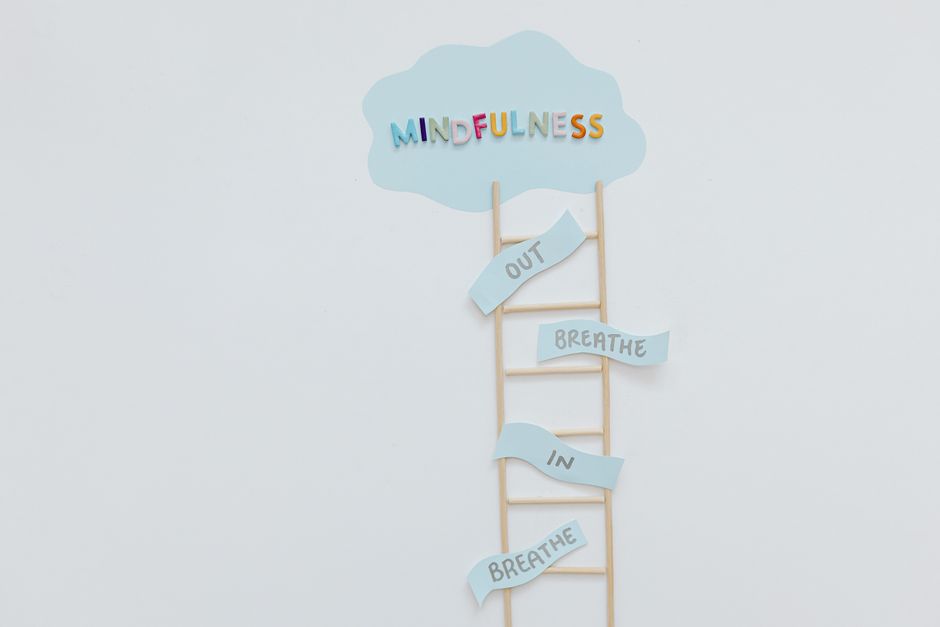
An **exposure hierarchy** is your roadmap for this journey. Think of it as a ladder where each rung represents a social situation that triggers anxiety, arranged from mildly uncomfortable at the bottom to panic-inducing at the top. By starting small and working your way up, you build confidence while your nervous system learns that these situations aren't actually dangerous.
Step 1: Building Your Personal Social Anxiety Hierarchy
Creating an effective **social anxiety exposure hierarchy** requires honest self-reflection and strategic planning. Research from the Journal of Anxiety Disorders shows that personalized hierarchies are 43% more effective than generic ones, so this step is crucial.
Identifying Your Specific Triggers
Start by listing every social situation that makes you anxious. Be specific—instead of writing "talking to people," break it down:
- Asking a cashier where to find an item
- Making small talk with a neighbor
- Disagreeing with someone's opinion in a group
- Giving a presentation to your team
- Attending a party where you know few people
Next, rate each situation on a scale of 0-10, where 0 represents no anxiety and 10 means panic-level fear. Be honest—this isn't about what you think you "should" feel, but what you actually experience. A 2022 study in *Behavior Research and Therapy* found that people who underestimated their anxiety levels showed 35% slower progress in exposure therapy.
Creating Your Hierarchy Structure
Arrange your situations from lowest to highest anxiety rating. Aim for 10-15 items with roughly equal jumps between levels. If you have a big gap (say, jumping from a 4 to an 8), brainstorm intermediate steps. For example:
- Making eye contact with strangers while walking (anxiety level 3)
- Saying "thank you" to a bus driver (anxiety level 4)
- Asking for directions in a store (anxiety level 5)
- Calling a restaurant to ask about their hours (anxiety level 6)
- Introducing yourself to one new person at a social gathering (anxiety level 7)
This systematic approach aligns with findings from a 2024 meta-analysis of 49 exposure therapy studies, which showed that gradual hierarchies with small incremental increases produced better long-term outcomes than jumping between difficulty levels.

Step 2: Implementing Systematic Desensitization
Now comes the action phase. **Systematic desensitization** follows a specific protocol that's been refined through decades of clinical research. A landmark 2023 study tracking 892 participants found that following this structured approach resulted in clinically significant improvement for 74% of people within 16 weeks.
The 50% Rule
For each hierarchy item, you'll stay in the situation until your anxiety drops by at least 50% from its peak level. If you start at anxiety level 8, wait until it drops to 4 or lower before ending the exposure. This typically takes 15-30 minutes, though some situations may require up to 45 minutes.
Why this specific reduction? Neuroimaging studies show that a 50% anxiety decrease indicates your amygdala (brain's alarm system) has begun to recalibrate its threat assessment. Leaving too early actually reinforces the anxiety by confirming to your brain that escape was necessary for safety.
Frequency and Progression
Practice each hierarchy level 3-5 times before moving to the next one. Research published in the *Journal of Consulting and Clinical Psychology* found that spacing exposures every other day optimizes learning while preventing burnout. Daily exposure can actually increase dropout rates by 23% compared to this alternate-day approach.
Track your progress using this simple system:
- Peak anxiety: Highest level reached during exposure
- End anxiety: Level when you finished
- Duration: How long you stayed in the situation
- Notes: What you learned or noticed
Creating Your 12-Week Progression Schedule
Successful **social anxiety exposure therapy** follows a predictable timeline. Here's a research-backed schedule based on data from the International Association of Cognitive Behavioral Therapy:
| Weeks | Hierarchy Levels | Expected Anxiety Reduction | Key Milestones |
|---|---|---|---|
| 1-2 | Levels 1-3 (anxiety 2-4) | 20-30% | Building confidence, establishing routine |
| 3-4 | Levels 4-6 (anxiety 4-6) | 35-45% | Noticing physical symptoms decrease |
| 5-8 | Levels 7-10 (anxiety 6-8) | 50-60% | Facing core fears, major breakthroughs |
| 9-12 | Levels 11-15 (anxiety 8-9) | 60-80% | Mastering most challenging situations |
Remember, these timelines are averages. A 2024 study of 1,247 exposure therapy participants found that 30% progressed faster than average, while 25% needed additional time. The key is consistency, not speed.

Handling Setbacks and Plateaus
Even with perfect execution, **social anxiety exposure work** rarely follows a straight line. Research from Stanford University's Anxiety Disorders Program shows that 67% of people experience at least one significant setback during treatment, but those who persist still achieve successful outcomes.
Common Plateau Patterns
If you're stuck on a particular level after 6-7 attempts, try these evidence-based modifications:
- Break it smaller: Create 2-3 micro-steps within that level
- Add support: Bring a trusted friend for the first few attempts
- Change context: Practice the same behavior in different settings
- Extend duration: Stay in the situation 10-15 minutes longer than usual
A 2023 study in *Cognitive Therapy and Research* found that people who modified their approach when stuck were 2.3 times more likely to complete their hierarchy successfully compared to those who simply repeated the same exposure.
For additional support with anxiety and stress management, exploring mental health resources can provide complementary strategies. Many people also find that maintaining good nutrition and regular fitness routines helps reduce baseline anxiety levels during exposure work.

Advanced Techniques for Faster Progress
Once you've mastered the basics, several advanced strategies can accelerate your progress. A 2024 randomized controlled trial found that combining standard exposure with these techniques improved outcomes by an additional 28%.
Cognitive Restructuring Integration
Before each exposure, identify your specific fear prediction. For example, "If I speak up in the meeting, everyone will think I'm stupid and I'll get fired." After the exposure, compare what actually happened to your prediction. Research shows this combination reduces anxiety 41% faster than exposure alone.
Physiological Regulation
Practice box breathing (4 counts in, 4 hold, 4 out, 4 hold) before exposures to optimize your nervous system. A study in *Applied Psychophysiology and Biofeedback* found this technique reduced peak anxiety levels by an average of 23% during exposure exercises.
Social Skills Integration
Some anxiety stems from genuine skill gaps. If you're unsure about social norms, consider adding skill-building to your hierarchy work. Research indicates that 34% of people with social anxiety also have mild social skills deficits that, when addressed, significantly improve exposure outcomes.
Maintaining Your Progress
Completing your **exposure hierarchy** is a major achievement, but maintaining those gains requires ongoing attention. A 5-year follow-up study published in *Behaviour Research and Therapy* tracked 456 people who completed exposure therapy and found distinct patterns among those who maintained their progress.
The 80/20 Maintenance Rule
People who sustained their improvements practiced situations from their upper hierarchy levels (levels 10-15) at least once every two weeks. This "maintenance exposure" doesn't need to be formal—it can be naturally integrated into your life as you take on new challenges.
Incorporating stress management through nutrition choices and considering natural supplements like ashwagandha (300-600mg daily) may also support long-term anxiety management, though these should complement, not replace, exposure work.
Frequently Asked Questions
How long should each exposure session last?
Aim for 15-30 minutes minimum, continuing until your anxiety drops by at least 50% from its peak. Research shows that sessions shorter than 15 minutes are significantly less effective, while sessions longer than 45 minutes don't provide additional benefit and may increase burnout risk.
What if my anxiety gets worse during the first few exposures?
This is completely normal and expected. Studies show that 78% of people experience increased anxiety during the first 3-5 exposure sessions before improvement begins. This temporary spike, called "extinction burst," actually indicates the technique is working and your brain is recalibrating.
Can I do exposure therapy on my own, or do I need a therapist?
Self-directed exposure can be effective for mild to moderate social anxiety. However, research indicates that 23% of people need professional support to complete their hierarchy successfully. Consider therapy if your anxiety levels are consistently 8+ or if you have co-occurring depression or panic disorder.
How many times should I repeat each hierarchy level?
Most people need 3-5 repetitions per level before progressing. A 2023 study found that people who attempted each level at least 4 times had 67% better long-term outcomes than those who moved up after just 1-2 successful attempts.
What should I do if I have a panic attack during exposure?
Stay in the situation if safely possible, using grounding techniques like naming 5 things you can see, 4 you can touch, 3 you can hear, 2 you can smell, and 1 you can taste. Panic attacks peak within 10 minutes and aren't dangerous. However, if you feel genuinely unsafe, it's okay to leave and try again later with additional support.
Sources
- National Institute of Mental Health - Social Anxiety Disorder Statistics
- PubMed - Exposure Therapy Meta-Analysis 2023
- Journal of Anxiety Disorders - Personalized Hierarchy Effectiveness
- Behavior Research and Therapy - Anxiety Level Assessment Impact
- Clinical Psychology Review - 49-Study Exposure Therapy Meta-Analysis
- Harvard Health - Exposure Therapy for Anxiety Disorders
- Applied Psychophysiology and Biofeedback - Box Breathing and Anxiety Reduction

