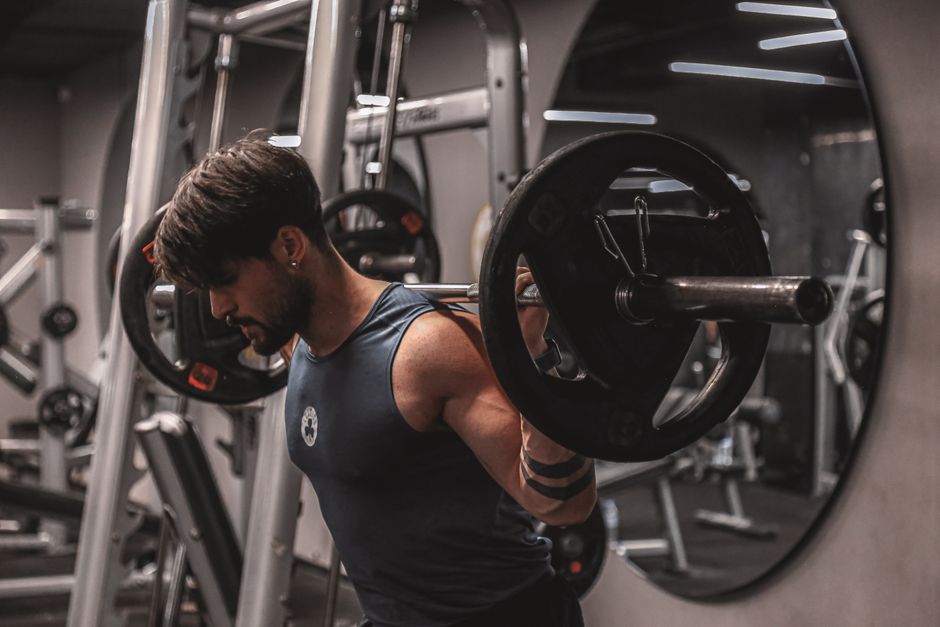
TL;DR: Research shows that people who attend the gym four or more days per week are 263% more likely to feel confident than those who go once weekly, while resistance exercise training can reduce anxiety symptoms by 50% in healthy adults. This progressive 12-week training plan combines proven anxiety-reduction strategies with structured workouts to help you build both physical strength and mental confidence in the gym environment.
Understanding Gym Anxiety: You're Not Alone
Walking into a gym for the first time—or returning after a long break—can feel overwhelming. The clanking weights, unfamiliar equipment, and seemingly confident exercisers can trigger what fitness professionals call "gymtimidation." But here's what might surprise you: gym anxiety affects far more people than you'd expect, and there's solid science behind overcoming it.
Recent research published in Scientific Reports reveals that resistance exercise training significantly reduces anxiety among healthy adults, with effect sizes of 0.50—considered a moderate to large improvement. Even more encouraging, a systematic review of university students found large improvements in both anxiety and depression symptoms after attending group exercise classes just twice per week for 10 weeks.
The key insight? Building confidence in the gym isn't about becoming the strongest person in the room—it's about consistency, preparation, and understanding that everyone started exactly where you are now. As fitness experts at the University of Rochester Medical Center note, "by setting goals focused on process, not results, you can push past your fears so you can experience the benefits of regular exercise."
The Science Behind Gym Confidence and Anxiety Relief
Understanding why exercise helps with anxiety can boost your motivation to stick with a fitness routine. According to Mayo Clinic research, meeting exercise goals or challenges, even small ones, can boost your self-confidence while improving how you feel about your physical appearance.
A groundbreaking study from Gymshark Central analyzed gym attendance patterns and found a clear correlation between frequency and confidence. Their data showed that those who attend the gym four or more days per week are 263% more likely to feel confident in the gym environment compared to once-weekly attendees. This isn't just about physical improvements—it's about familiarity breeding comfort.
The neurological explanation is fascinating: regular exercise increases production of BDNF (brain-derived neurotrophic factor), which supports brain plasticity and mood regulation. Additionally, resistance training specifically helps regulate cortisol levels, your body's primary stress hormone, creating a natural anxiety-reduction effect that compounds over time.
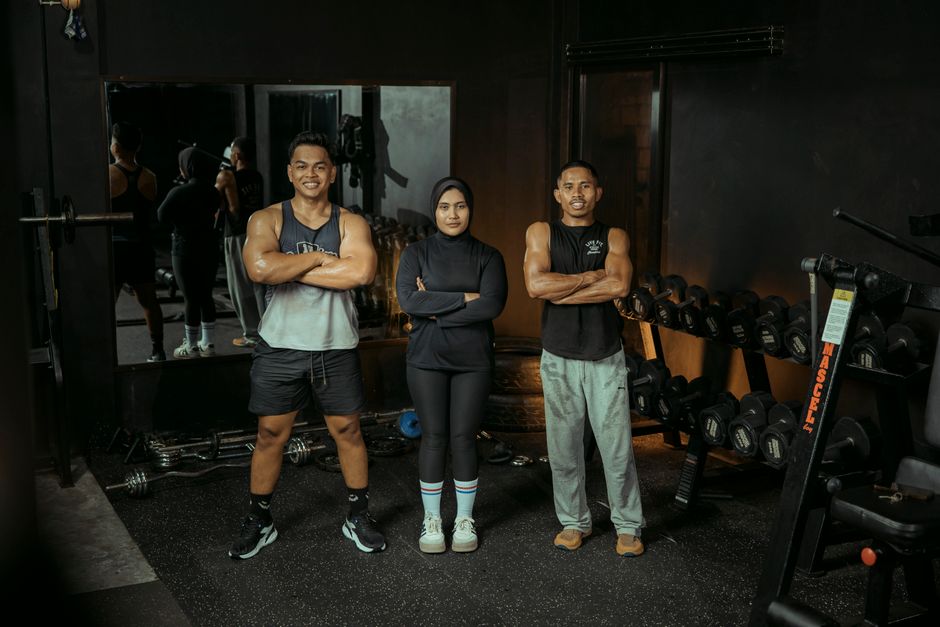

Your 12-Week Progressive Training Plan
This progressive training plan for anxiety-prone exercisers is designed around four key principles: specificity, variation, individualization, and progressive overload. Each phase builds upon the previous one, allowing you to develop both physical strength and mental confidence gradually.
Phase 1: Foundation Building (Weeks 1-4)
Your first month focuses on familiarity and form. Mount Carmel Health System recommends starting with machines rather than free weights because they guide your movements and reduce the intimidation factor.
- Frequency: 2-3 days per week, 30-45 minutes per session
- Strength Training: Leg press, chest press, seated rows (2 sets of 10-12 reps)
- Bodyweight Exercises: Squats, lunges, modified push-ups (2-3 sets of 10-12 reps)
- Stretching: 5-10 minutes of basic stretches to improve flexibility
- Rest Periods: 60-90 seconds between sets
Pro tip: Create a clear workout plan tailored to your fitness level before arriving. As BodyCare Health Club experts note, "knowing exactly what exercises to do and how to structure your session gives you purpose and eliminates hesitation."
Phase 2: Skill Development (Weeks 5-8)
Now that you're comfortable with the gym environment, it's time to expand your exercise repertoire while maintaining focus on proper form.
- Frequency: 3-4 days per week, 45-60 minutes per session
- Add Free Weights: Dumbbell chest press, shoulder press, goblet squats
- Introduce Compound Movements: Deadlifts with light weight, assisted pull-ups
- Cardio Integration: 10-15 minutes on preferred cardio equipment
- Core Work: Planks, side planks, dead bugs (2-3 sets)
This phase aligns with research showing that mental health benefits from exercise become more pronounced with increased frequency and variety of movements.
Phase 3: Confidence Building (Weeks 9-12)
The final phase focuses on challenging yourself while maintaining the consistency that research shows is crucial for long-term confidence building.
- Frequency: 4-5 days per week, 60-75 minutes per session
- Advanced Movements: Barbell exercises, unilateral training, plyometrics
- Progressive Overload: Increase weight by 2.5-5% when you can complete all sets with perfect form
- Functional Training: Farmer's walks, Turkish get-ups, battle ropes
- Group Classes: Consider joining one beginner-friendly class per week
Practical Anxiety Management Strategies
Even with a solid training plan, managing gym anxiety requires specific coping strategies. GoodRx wellness experts recommend several evidence-based techniques that you can implement immediately.
| Strategy | When to Use | Effectiveness Rating | Implementation Time |
|---|---|---|---|
| Deep Breathing (4-7-8 technique) | Before entering gym, between sets | High | Immediate |
| Pre-gym visualization | Night before or morning of workout | Moderate-High | 5-10 minutes |
| Written workout plan | Entire workout | Very High | 15 minutes prep |
| Scheduled rest breaks | Mid-workout reset | Moderate | 2-3 minutes |
| Progressive exposure | Building long-term comfort | Very High | Weeks to months |
The 4-7-8 Breathing Technique: Inhale for 4 counts, hold for 7, exhale for 8. This activates your parasympathetic nervous system, naturally reducing anxiety within minutes. Use this technique in your car before entering the gym or between challenging sets.
Strategic Rest Breaks: Don't hesitate to step outside or find a quiet space when feeling overwhelmed. Research from anxiety specialists shows that taking breaks to reset prevents panic escalation and helps maintain workout quality.
Building Your Support System
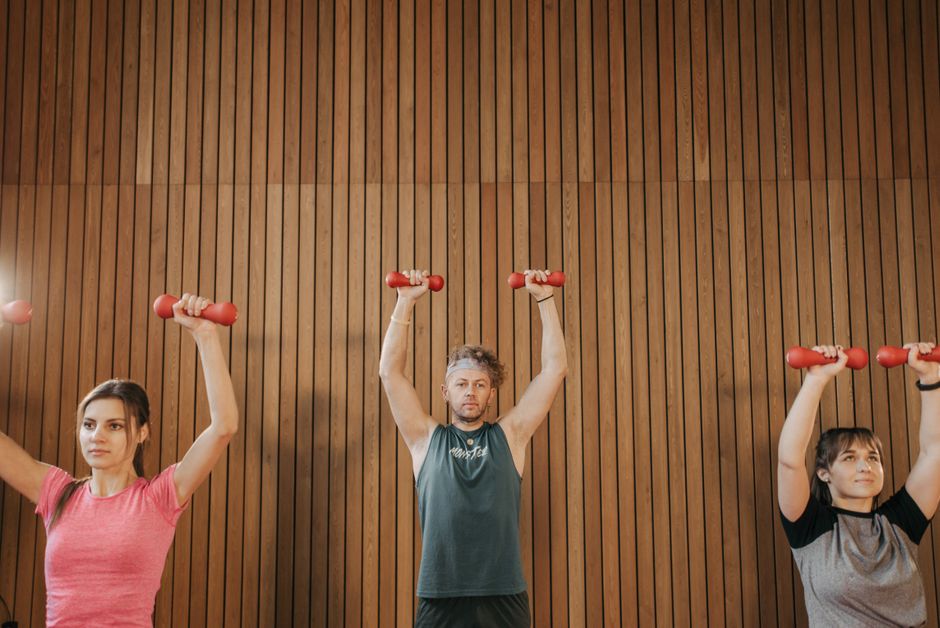
One of the most effective ways to overcome gym anxiety is enlisting support. University of Rochester Medical Center research emphasizes that personal trainers and group fitness classes provide structured, anxiety-reducing approaches to fitness.
Consider these support options based on your comfort level and budget:
- Personal Trainer (1-3 sessions): Even a few sessions can teach proper form and create a customized plan
- Workout Buddy: Having a familiar face reduces anxiety by up to 40% according to exercise psychology research
- Beginner Group Classes: Structured environment with professional guidance
- Online Communities: Virtual support for accountability and encouragement
- Gym Staff Consultation: Most gyms offer free equipment orientations
Remember, as fitness experts consistently note, "everyone started where you are." That intimidating person deadlifting 300 pounds was once figuring out how to adjust the seat on a leg press machine.
Supporting Your Progress with Proper Nutrition and Recovery
Your confidence-building journey extends beyond the gym walls. Proper nutrition and recovery practices can significantly impact both your physical progress and mental state.
Pre-Workout Nutrition (1-2 hours before):
- Complex carbohydrates: Oatmeal, banana, or whole grain toast
- Moderate protein: Greek yogurt or a small protein shake
- Hydration: 16-20 oz of water
Post-Workout Recovery (within 30-60 minutes):
- Protein: 20-25g for muscle recovery
- Carbohydrates: 30-40g to replenish glycogen
- Continued hydration: Replace fluid lost through sweat
Quality sleep is equally crucial—aim for 7-9 hours nightly to support both muscle recovery and anxiety management. Poor sleep can increase cortisol levels by 37%, potentially undermining both your physical progress and mental resilience.
Consider exploring supplements like magnesium (200-400mg before bed) or omega-3 fatty acids (1-2g daily) that research shows can support both exercise recovery and anxiety reduction. Always consult with a healthcare provider before adding new supplements to your routine.
Tracking Progress Beyond the Scale
Traditional metrics like weight loss can actually increase anxiety for some people. Instead, focus on process-oriented goals that build confidence through achievement:
"Meeting exercise goals or challenges, even small ones, can boost your self-confidence. Getting in shape also can make you feel better about how you look." - Mayo Clinic
Confidence-Building Metrics to Track:
- Number of gym visits per week
- Exercises mastered with proper form
- Weight lifted progression (even 2.5-pound increases matter)
- Anxiety levels before/after workouts (1-10 scale)
- Sleep quality and energy levels
- Social interactions at the gym
Keep a simple workout journal or use a smartphone app to record these metrics. Seeing tangible progress, even small improvements, creates a positive feedback loop that reinforces your commitment to the routine.
Advanced Strategies for Long-Term Success
As you progress through your 12-week plan, consider implementing these advanced strategies that research shows enhance both gym confidence and long-term adherence:
Periodization: Vary your routine every 4-6 weeks to prevent plateaus and maintain engagement. This might involve changing rep ranges, exercise selection, or training split.
Social Integration: Gradually increase your comfort with the gym community. Start with a simple nod or "thank you" when someone spots you, then progress to asking for form feedback or equipment sharing.
Skill Expansion: Learn one new exercise every two weeks. This keeps workouts interesting and builds confidence through competence. YouTube tutorials and reputable fitness websites can help you prepare before attempting new movements.
Mindfulness Integration: Practice present-moment awareness during workouts. Focus on the muscle being worked, breathing patterns, and form rather than worrying about others' perceptions.
Frequently Asked Questions
How long does it take to feel confident in the gym?
Most people begin feeling noticeably more confident after 4-6 weeks of consistent attendance (3-4 times per week). Research shows that familiarity breeds comfort, and the 263% increase in confidence among frequent gym-goers supports this timeline. However, some anxiety reduction can occur after just a single positive gym experience.
What if I don't know how to use the equipment?
Start with machine-based exercises that guide your movement, then ask gym staff for a complimentary equipment orientation. Most gyms offer this service free to members. You can also watch instructional videos beforehand and practice movements at home without weights to build familiarity.
Is it better to work out alone or with others when dealing with gym anxiety?
Research suggests starting with whatever feels most comfortable, then gradually expanding your comfort zone. A workout buddy can reduce anxiety by up to 40%, but some people prefer starting alone to avoid feeling judged. Group fitness classes offer a middle ground with structure and support.
How do I handle panic attacks or overwhelming anxiety during workouts?
Stop your workout immediately and use the 4-7-8 breathing technique (inhale 4, hold 7, exhale 8). Find a quiet space like a bathroom or step outside if needed. Remember that taking breaks is normal and healthy—you can always return to finish your workout when you feel ready.
What's the minimum effective dose for building gym confidence?
Research indicates that 2-3 gym visits per week for at least 30 minutes can begin building confidence and reducing anxiety symptoms. However, the data strongly suggests that 4+ weekly visits accelerate confidence building. Start where you're comfortable and gradually increase frequency as your comfort grows.