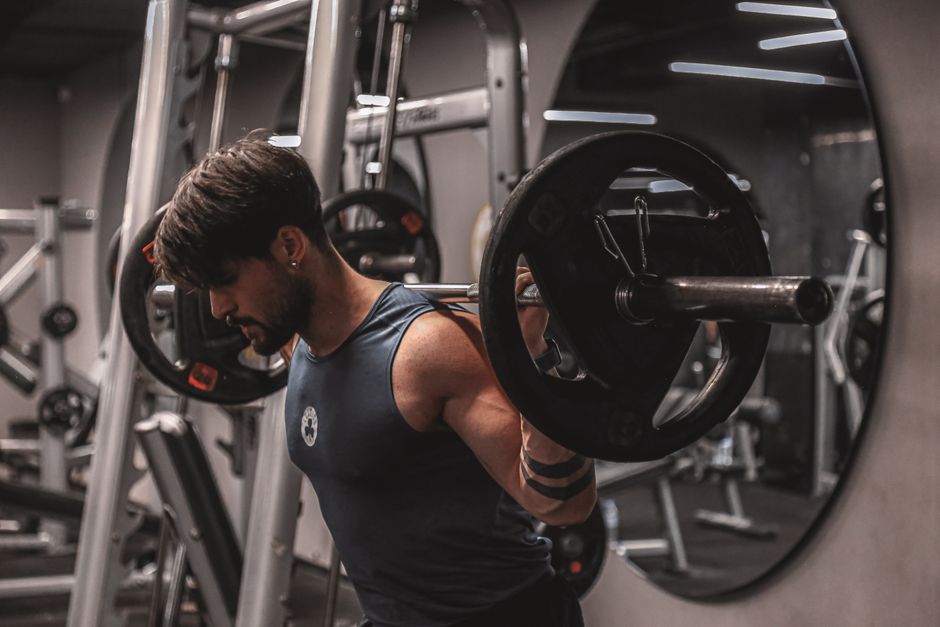
TL;DR: Nearly 40% of gym-goers avoid workouts due to self-consciousness, but research shows those who train 4+ times per week experience significantly less gym anxiety than once-weekly exercisers. Start with 20-30 minute sessions using just 3 machines, practice progressive exposure, and focus on consistency over intensity to build lasting gym confidence.
Walking into a gym for the first time—or even the hundredth time—can feel like stepping onto a stage where everyone's watching your performance. That knot in your stomach, the sweaty palms, the urge to turn around and head straight back to your car? You're not alone. Gym anxiety affects millions of exercisers, from complete beginners to seasoned athletes returning after a break.
The statistics are eye-opening: nearly three-quarters of gym newbies feel more comfortable exercising at home, and over half of anxious gym-goers actively avoid crowded spaces during peak hours. But here's the encouraging news—building confidence in the gym isn't about overnight transformation. It's about strategic, gradual exposure combined with practical techniques that work.
Understanding Gym Anxiety: The Numbers Don't Lie
Before diving into solutions, let's acknowledge what we're dealing with. Research reveals that gym anxiety manifests differently across individuals, but common triggers remain remarkably consistent. Nearly 40% of people report avoiding the gym specifically because they feel self-conscious about their appearance or fitness level.
Interestingly, the anxiety often stems from misconceptions about what others are thinking. Most gym-goers are laser-focused on their own workouts, not analyzing your form or counting your repetitions. This cognitive distortion—believing we're under constant scrutiny—creates a barrier that's more psychological than real.
The good news? Consistency breeds confidence. Research demonstrates that those who train more regularly experience far less anxiety in gym environments. Specifically, people who work out 4+ times per week report significantly lower anxiety levels compared to those exercising just once weekly. This isn't just about familiarity—regular exercise actually rewires our stress response systems.
The Gradual Exposure Strategy: Your 4-Week Confidence Blueprint
The most effective approach to building gym confidence involves gradual exposure therapy—a proven psychological technique. Here's your week-by-week progression plan:
Week 1: Reconnaissance and Comfort Zone
- Visit during off-peak hours (typically 10 AM-3 PM or after 7 PM)
- Start with 20-30 minute sessions, 2-3 times maximum
- Focus on just 3 pieces of equipment you feel comfortable using
- Spend 10 minutes on each machine—no pressure for intensity
Week 2: Expanding Your Territory
- Increase session length to 35-40 minutes
- Add 1-2 new exercises or machines
- Practice one bodyweight exercise in the functional area
- Observe others' workout patterns without judgment
Week 3: Building Routine
- Experiment with slightly busier time slots
- Try one group fitness class or follow a guided workout
- Increase frequency to 3-4 sessions if comfortable
- Set one specific, measurable goal (e.g., walk 1.5 miles on treadmill)
Week 4: Confidence Consolidation
- Maintain 45-60 minute sessions
- Venture into the free weights area for 10-15 minutes
- Ask a staff member one question about equipment or form
- Celebrate your progress with a non-food reward
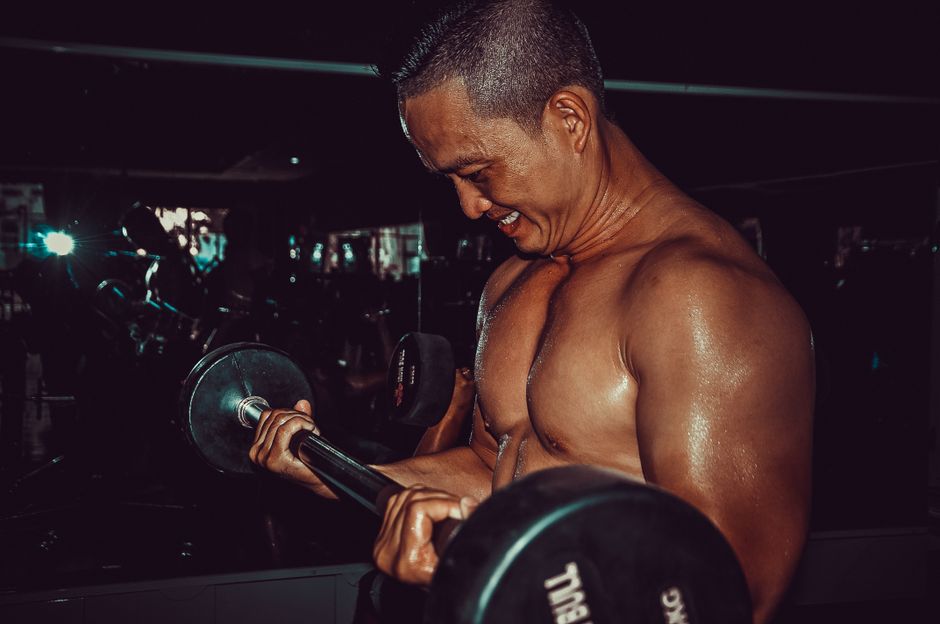
Mindfulness and Mental Strategies for Immediate Relief
When anxiety hits mid-workout, having instant coping strategies makes the difference between pushing through and heading for the exit. Mindfulness techniques specifically designed for gym environments can provide immediate relief.
The 5-4-3-2-1 Grounding Technique
When feeling overwhelmed, identify:
- 5 things you can see (equipment, colors, people exercising)
- 4 things you can touch (your water bottle, the machine handles)
- 3 things you can hear (music, weights clinking, air conditioning)
- 2 things you can smell (cleaning products, someone's cologne)
- 1 thing you can taste (your sports drink, gum)
This technique activates your parasympathetic nervous system, naturally reducing anxiety within 2-3 minutes.
Box Breathing for Exercise Anxiety
Practice this between sets or while walking on the treadmill:
- Inhale for 4 counts
- Hold for 4 counts
- Exhale for 4 counts
- Hold empty for 4 counts
- Repeat 4-6 cycles
This breathing pattern has been shown to reduce cortisol levels by up to 23% within 10 minutes of practice.
Strategic Workout Planning: The Science of Progressive Confidence
Understanding fundamental training principles eliminates much of the guesswork that fuels gym anxiety. Four key principles form the foundation of effective, confidence-building workouts: specificity, variation, individualization, and progressive overload.
| Training Principle | Application for Beginners | Confidence Benefit |
|---|---|---|
| Specificity | Choose exercises that match your goals (cardio for endurance, weights for strength) | Clear purpose reduces "what should I do?" anxiety |
| Variation | Rotate between 8-10 familiar exercises weekly | Prevents boredom while maintaining comfort zone |
| Individualization | Start with bodyweight or light resistance regardless of others' intensity | Eliminates comparison-based anxiety |
| Progressive Overload | Increase time, reps, or weight by 10% weekly | Measurable progress builds genuine confidence |
Social Strategies: Turning Isolation into Support
One of the most effective ways to build gym confidence involves leveraging social connections rather than avoiding them. Research consistently shows that exercising with others reduces anxiety levels and increases long-term adherence by up to 40%.
The Buddy System Advantage
Training with a friend provides multiple benefits beyond moral support:
- Shared vulnerability reduces individual self-consciousness
- Built-in accountability increases consistency
- Natural conversation distracts from anxiety-provoking thoughts
- Spotting assistance enables more challenging exercises safely
Group Fitness Classes: Structured Confidence
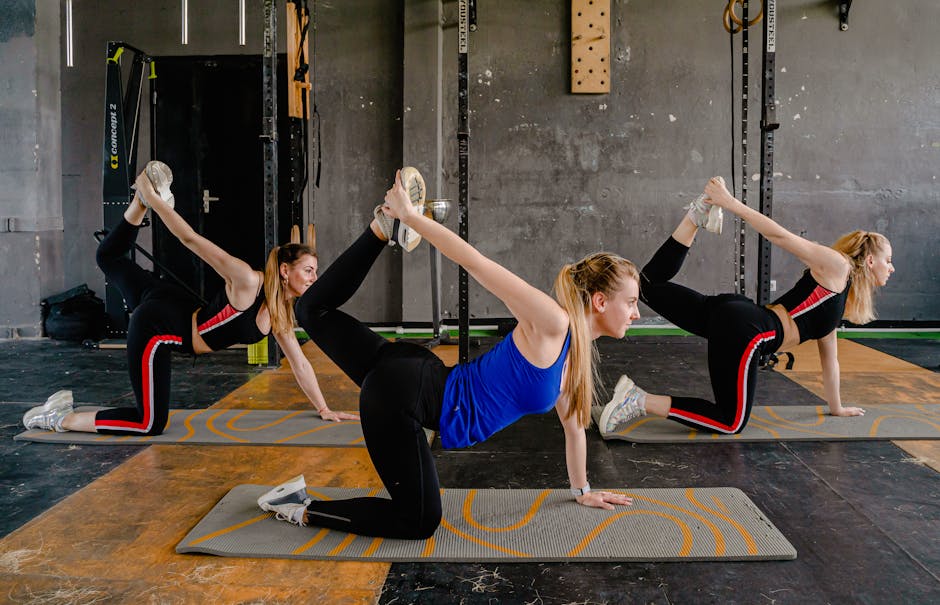
Group classes offer a unique middle ground between solo workouts and personal training. The structured environment provides clear direction while the group setting normalizes being a beginner. Popular confidence-building class formats include:
- Beginner yoga or Pilates (low intensity, inclusive atmosphere)
- Water aerobics (body partially hidden, joint-friendly)
- Cycling classes (stationary bikes reduce coordination anxiety)
- Circuit training (variety prevents boredom, time limits reduce pressure)
Gear Psychology: How What You Wear Affects How You Feel
Research has found that clothing choices play a significant role in gym anxiety severity, particularly among women. This phenomenon, called "enclothed cognition," demonstrates how our attire directly influences our psychological state and performance.
The key isn't expensive gear—it's comfort and functionality. Choose clothing that:
- Allows full range of motion without adjustment
- Provides appropriate support for your activity level
- Makes you feel put-together without being overdressed
- Includes backup options (extra shirt, deodorant, hair tie)
Studies show that people wearing comfortable, well-fitting workout clothes report 25% higher confidence levels during exercise compared to those in ill-fitting or inappropriate attire.
Nutritional Support for Exercise Anxiety
Your nutrition strategy significantly impacts anxiety levels before, during, and after gym sessions. Certain nutrients and timing strategies can either amplify or reduce exercise-related stress.
Pre-Workout Anxiety Management
- Magnesium: 200-400mg taken 30 minutes before exercise can reduce cortisol response
- Complex carbohydrates: A small banana or oatmeal 1-2 hours prior stabilizes blood sugar and mood
- Avoid: High caffeine intake (>200mg) which can amplify anxiety symptoms
Consider exploring supplements like L-theanine (100-200mg) paired with moderate caffeine for calm alertness without jitters.
Long-Term Confidence Building: Beyond the First Month
Once you've established basic comfort in the gym environment, focus shifts to sustainable confidence building through skill development and community integration.
Skill-Based Progress Tracking
Instead of focusing solely on physical changes (which can take 8-12 weeks to become noticeable), track skill-based improvements:
- Number of new exercises mastered monthly
- Duration of workouts without checking phone
- Comfort level in different gym areas (1-10 scale)
- Frequency of asking questions or seeking help
The Community Integration Approach
Gradually building relationships within your gym community creates a sense of belonging that dramatically reduces anxiety. Start small:
- Make eye contact and smile at regular gym-goers
- Learn the names of 2-3 front desk staff members
- Attend one gym-sponsored social event per quarter
- Participate in online gym community groups or challenges
Research indicates that people who feel part of a gym community are 60% more likely to maintain their membership and 45% less likely to experience workout anxiety after six months.
Frequently Asked Questions
How long does it typically take to feel confident at the gym?
Most people report significant confidence improvements within 3-4 weeks of consistent attendance (3+ times per week). However, comfort levels vary—some feel at ease after just a few sessions, while others need 2-3 months of regular exposure. The key is consistency over timeline pressure.
What should I do if I have a panic attack at the gym?
Immediately move to a quieter area like the stretching zone or locker room. Practice box breathing (4-4-4-4 count) and use the 5-4-3-2-1 grounding technique. Don't leave immediately—sit for 10-15 minutes until symptoms subside. This prevents your brain from associating the gym with escape, which can worsen future anxiety.
Is it better to work out during busy or quiet gym hours when building confidence?
Start during off-peak hours (10 AM-3 PM or after 7 PM) for your first 2-3 weeks. This reduces social pressure and ensures equipment availability. Gradually transition to busier times as your comfort increases. Many find moderate-busy periods (early evening) ideal—active enough to feel part of the community without overwhelming crowds.
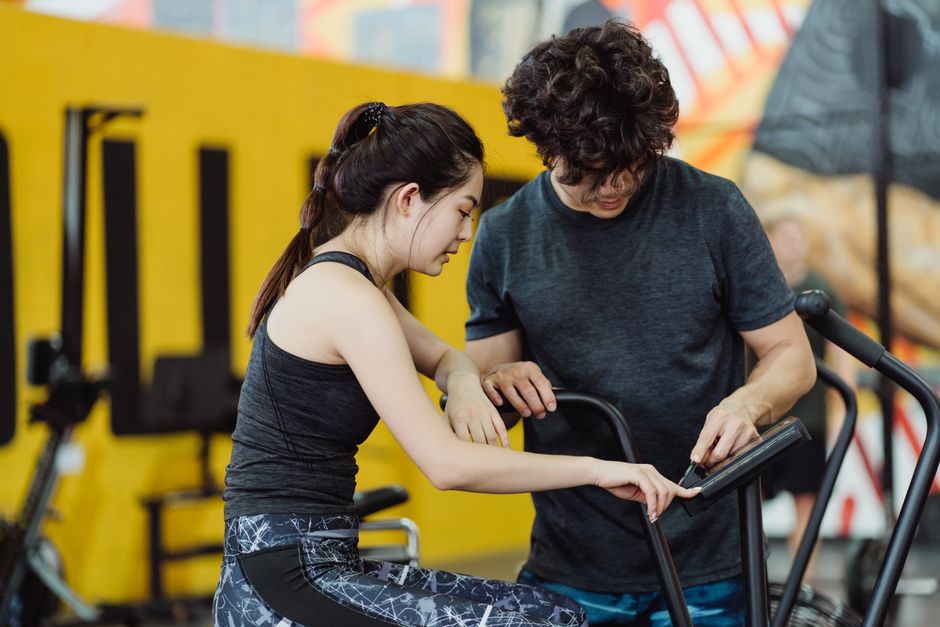
Should I hire a personal trainer to overcome gym anxiety?
A personal trainer can be extremely helpful, especially for the first 4-6 sessions. They provide structured guidance, proper form instruction, and social support. However, ensure they understand your anxiety concerns—some trainers focus purely on physical goals. Consider asking for a "confidence-building" focused consultation rather than just general training.
What if I feel too self-conscious about my fitness level or appearance?
Remember that 40% of gym-goers feel the same way—you're in the majority, not the minority. Focus on internal metrics (how you feel, energy levels, strength gains) rather than appearance comparisons. Most gym-goers are focused on their own workouts and often admire others who are making health improvements, regardless of starting fitness level.
Building gym confidence isn't about becoming the most athletic person in the room—it's about creating a sustainable relationship with exercise that enhances your overall well-being. The journey from anxiety to confidence happens one workout at a time, one small victory at a time.
Remember that every confident gym-goer was once a nervous beginner. The difference lies not in natural ability or genetics, but in the willingness to show up consistently despite the discomfort. Your mental health benefits from this courage as much as your physical health benefits from the exercise itself.
Start tomorrow—not next Monday, not next month. Choose one strategy from this guide and implement it during a 30-minute gym visit. Your future, more confident self will thank you for taking that first brave step.