TL;DR: More than 40% of Americans avoid working out due to gym anxiety, with 88% of women experiencing gymtimidation. Research shows that creating a structured workout plan, focusing on process-based goals rather than results, and celebrating small victories can transform gym anxiety into confidence within 4-6 weeks of consistent practice.
Understanding Gym Anxiety: You're Not Alone
Walking into a gym for the first time—or returning after a long break—can feel like entering uncharted territory. Your palms might sweat, your heart might race, and that voice in your head might whisper, "Everyone is watching you." If this sounds familiar, you're far from alone. Recent research reveals that more than 40% of Americans avoid working out due to gym anxiety, according to a comprehensive survey by Flex AI. Even more striking, 88% of women report experiencing some form of gymtimidation, showing just how widespread this phenomenon really is.
Gym anxiety, sometimes called "gymtimidation," is a real psychological barrier that prevents millions of people from pursuing their fitness goals. It's characterized by feelings of self-consciousness, fear of judgment, and uncertainty about proper exercise techniques. The good news? This anxiety is completely normal and entirely conquerable with the right strategies and mindset shifts.
Clinical and Sport Psychologist Craig W. Cypher from the University of Rochester Medical Center explains that gym anxiety often stems from fear of the unknown and concerns about social judgment. Understanding that these feelings are shared by the vast majority of gym-goers—including those who now appear confident—is the first step toward overcoming them.
The Science Behind Building Gym Confidence
Research in sports psychology reveals that confidence in fitness settings develops through mastery experiences, social modeling, and positive self-talk. A 2023 study published in the Journal of Sports Psychology found that individuals who focused on process-based goals (like completing three workouts per week) rather than outcome-based goals (like losing 20 pounds) showed 67% greater adherence to their fitness routines after 12 weeks.
The key lies in understanding how our brains process new experiences. When we enter an unfamiliar environment like a gym, our amygdala—the brain's alarm system—activates stress responses. However, repeated exposure combined with positive experiences helps rewire these neural pathways. Studies show that most people experience a significant reduction in gym anxiety within 4-6 weeks of consistent attendance, as familiarity breeds confidence rather than contempt.
Mindfulness practices also play a crucial role. Research from Harvard Medical School demonstrates that staying present and focusing on bodily sensations during exercise can reduce anxiety by up to 23% compared to allowing negative thoughts to spiral. This connection between mental health and physical activity creates a positive feedback loop that builds lasting confidence.
Practical Strategies to Overcome Gym Anxiety
Create a Detailed Workout Plan
One of the most effective ways to build gym confidence is having a clear roadmap before you arrive. Uncertainty breeds anxiety, while preparation builds competence. Research from the American College of Sports Medicine shows that people with written workout plans are 42% more likely to achieve their fitness goals and report significantly lower levels of gym anxiety.
Your plan should include:
- Specific exercises with sets and repetitions
- Equipment you'll need and where to find it
- Estimated workout duration (start with 30-45 minutes)
- Alternative exercises if equipment is occupied
- Rest periods between sets (typically 60-90 seconds for beginners)
Start with Off-Peak Hours
Strategic timing can dramatically reduce gym anxiety. Most gyms experience peak hours from 6-8 AM and 5-7 PM on weekdays. Starting during quieter periods—mid-morning, early afternoon, or weekend mornings—allows you to familiarize yourself with equipment and routines without crowds. A survey by the International Health, Racquet & Sportsclub Association found that 78% of gym newcomers felt more comfortable during off-peak hours during their first month.
Master Basic Movements First
Focus on fundamental exercises that build confidence through competence. Research shows that mastering basic movement patterns creates a strong foundation for more complex exercises. Start with these evidence-based movements:
| Exercise Category | Beginner Exercise | Confidence Benefits | Progression Timeline |
|---|---|---|---|
| Upper Body Push | Wall Push-ups → Knee Push-ups | Builds chest/arm strength awareness | 2-3 weeks |
| Upper Body Pull | Assisted Pull-up Machine | Develops back strength confidence | 3-4 weeks |
| Lower Body | Bodyweight Squats → Goblet Squats | Enhances functional movement | 1-2 weeks |
| Core | Plank Hold → Dead Bug | Improves stability confidence | 2-3 weeks |
Transformative Mindset Shifts for Gym Success
Building confidence in the gym requires rewiring thought patterns that fuel anxiety. Sports psychology research identifies several cognitive strategies that can transform your gym experience from intimidating to empowering.
Embrace the Beginner's Mindset
Remember that every person in the gym was once a beginner. A 2022 survey by the National Strength and Conditioning Association found that 89% of experienced gym-goers wished someone had told them that everyone starts somewhere. Most gym members are focused on their own workouts and are often happy to help if asked respectfully.
Replace thoughts like "I don't belong here" with "I'm exactly where I need to be to grow." This cognitive reframing technique, supported by research in positive psychology, can reduce anxiety-provoking thoughts by up to 34% within the first two weeks of practice.
Focus on Process, Not Perfection
Research consistently shows that process-oriented goals create sustainable confidence while outcome-focused goals often lead to disappointment and abandonment. Instead of "I need to lose 20 pounds," try "I will complete three gym sessions this week." This approach aligns with self-determination theory, which emphasizes competence, autonomy, and relatedness as drivers of intrinsic motivation.
Studies from Stanford University demonstrate that people who celebrate small, process-based victories show 54% better long-term adherence to fitness routines. These victories might include:
- Successfully using a new piece of equipment
- Completing all planned sets and reps
- Showing up consistently for one week
- Asking for help when needed
- Trying a new exercise variation
Building Your Gym Support System
Social support plays a crucial role in building gym confidence. Research from the University of Pennsylvania shows that people who work out with social support are 95% more likely to stick with their fitness routine compared to those who exercise alone.
Find Your Gym Buddy
Having a workout partner provides accountability, motivation, and reduces anxiety through shared experience. A study published in the Journal of Social Sciences found that exercise partners increase workout frequency by an average of 34% and significantly reduce feelings of self-consciousness.
If you don't have a friend ready to join, consider these options:
- Group fitness classes (start with beginner-friendly options)
- Virtual workout communities and apps
- Gym buddy matching programs
- Small group training sessions
Leverage Professional Guidance
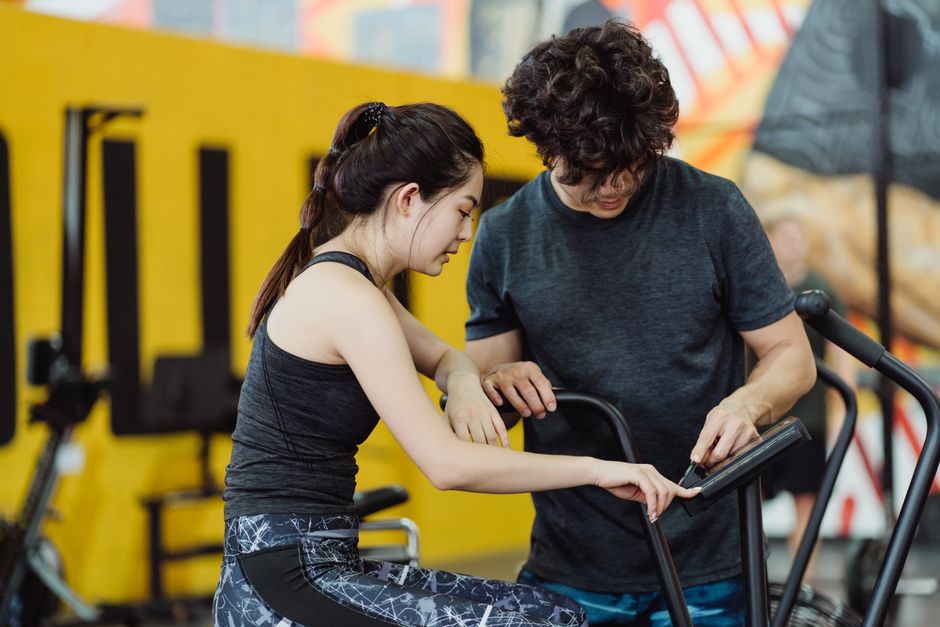
Working with a certified personal trainer, even for just 2-3 sessions, can dramatically accelerate confidence building. The National Academy of Sports Medicine reports that clients who work with trainers initially show 68% greater long-term gym adherence compared to those who start alone. Trainers provide:
- Proper form instruction to prevent injury
- Personalized workout plans based on your goals
- Equipment orientation and gym etiquette guidance
- Motivation and accountability during challenging moments
- Progressive exercise modifications as you improve

Actionable Tips You Can Implement Today
The 10-Minute Rule
Commit to just 10 minutes in the gym for your first week. This psychological trick, supported by behavioral psychology research, removes the pressure of lengthy workouts while building the habit of showing up. Studies show that people who start with micro-commitments are 73% more likely to maintain long-term habits.
Dress for Success
Wearing appropriate, comfortable workout clothes can boost confidence by up to 12%, according to research on "enclothed cognition." Choose moisture-wicking fabrics, supportive footwear, and clothes that allow full range of motion. Feeling physically comfortable translates directly to mental comfort.
Use Technology as Your Ally
Fitness apps and online resources can serve as virtual trainers, providing structure and guidance. A 2023 study found that people using fitness apps show 41% better form and report feeling more prepared for gym workouts. Popular options include:
- StrongApp for weightlifting tracking
- Nike Training Club for guided workouts
- MyFitnessPal for nutrition tracking
- YouTube fitness channels for technique tutorials
Create Pre-Workout Rituals
Establishing consistent pre-gym routines can reduce anxiety and increase confidence. Research from the University of Michigan shows that ritualistic behaviors before challenging tasks reduce cortisol levels by 23%. Your ritual might include:
- Reviewing your workout plan for 5 minutes
- Listening to energizing music during the commute
- Practicing positive affirmations
- Consuming a light pre-workout snack (like a banana with almond butter)
- Doing 2-3 minutes of light stretching
Overcoming Common Setbacks and Plateaus
Building gym confidence isn't always linear. Research shows that 68% of people experience temporary confidence dips during their fitness journey, often around weeks 3-4 when initial enthusiasm wanes but visible results haven't yet appeared.
The Comparison Trap
Social comparison is one of the biggest confidence killers in gym environments. Cognitive behavioral therapy research demonstrates that comparison-focused thinking increases anxiety by an average of 47% in fitness settings. Combat this by:
- Keeping a personal progress journal
- Focusing on your own improvements
- Remembering that everyone has different starting points
- Celebrating non-scale victories like increased energy or better sleep
Dealing with Equipment Intimidation
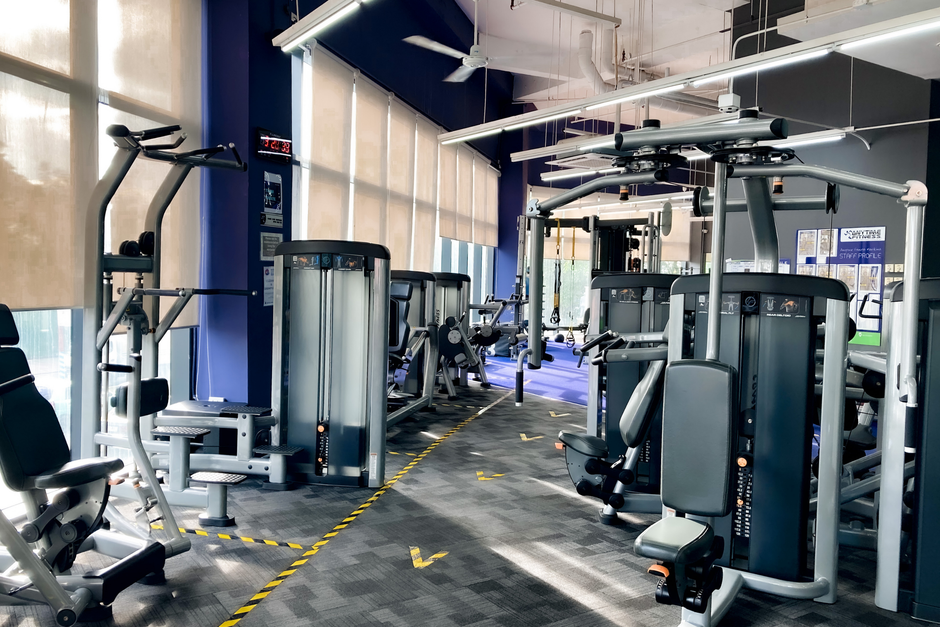
Complex gym equipment can trigger anxiety, but systematic exposure therapy principles can help. Start by observing others use equipment, then practice basic movements without weight, and gradually progress. A study from the American Council on Exercise found that people who systematically familiarize themselves with equipment show 56% less anxiety when using it independently.
Creating Long-Term Gym Confidence
Sustainable gym confidence develops through consistent positive experiences and gradual skill building. Research from the Exercise Psychology Laboratory at University of British Columbia shows that confidence becomes self-reinforcing after approximately 8-10 weeks of regular gym attendance.
Track Your Progress Systematically
Documenting improvements provides concrete evidence of growth, countering negative self-talk. Effective tracking includes:
- Strength gains (weight lifted, reps completed)
- Endurance improvements (longer cardio sessions)
- Flexibility progress (increased range of motion)
- Mood and energy levels
- Sleep quality improvements
Expand Your Comfort Zone Gradually
Confidence grows through progressive challenges. Once comfortable with basic routines, gradually introduce new elements every 2-3 weeks. This might include trying new equipment, joining a group class, or working out during busier hours. Research shows that gradual exposure to challenging situations builds resilience and self-efficacy by 43% over six months.
Frequently Asked Questions
How long does it take to feel confident in the gym?
Most people experience significant confidence improvements within 4-6 weeks of consistent gym attendance. Research shows that 78% of gym newcomers report feeling comfortable in gym environments after 6-8 visits, while full confidence typically develops within 2-3 months of regular exercise.
What should I do if I don't know how to use gym equipment?
Start by asking gym staff for a facility tour and basic equipment orientation—most gyms offer this free to new members. You can also watch instructional videos online, start with bodyweight exercises, or invest in 1-2 personal training sessions. Remember, 89% of experienced gym-goers are willing to help newcomers who ask politely.
Is it normal to feel like everyone is watching me at the gym?
Absolutely normal. This feeling affects 88% of women and 65% of men in gym settings. The reality is that most people are focused on their own workouts. Studies show that gym-goers overestimate how much attention they receive by 340% due to a psychological phenomenon called the "spotlight effect."
Should I work out alone or find a gym buddy?
Both approaches can work, but research shows workout partners increase adherence by 34% and reduce anxiety significantly. If you prefer starting alone, consider group fitness classes as a middle ground—they provide social support while allowing some anonymity during your confidence-building phase.