
TL;DR: **Psychobiotics** are specific probiotic strains that directly improve mental health through the gut-brain axis, with clinical trials showing 15-25% reductions in anxiety and depression symptoms. A 2024 meta-analysis of 34 controlled studies found that targeted probiotic supplementation can significantly enhance mood and cognitive function within 4-8 weeks of consistent use.
Understanding Psychobiotics: The Mental Health Revolution in Your Gut
The relationship between your gut and brain extends far beyond the "butterflies" you feel when nervous. **Psychobiotics**, a groundbreaking category of probiotics, represent a paradigm shift in how we approach mental health treatment. These are live probiotic bacteria that, when consumed in adequate amounts, confer direct mental health benefits to the host.
Recent research has transformed our understanding of this connection. A comprehensive review published in 2024 analyzing over 49 clinical studies revealed that specific probiotic strains can reduce depression scores by an average of 23% and anxiety levels by 18% compared to placebo groups. This isn't just correlation – it's a measurable, biological pathway that's revolutionizing both gastroenterology and psychiatry.
The term "psychobiotics" combines "psycho" (mind) and "probiotics," encapsulating a revolutionary approach to well-being that harnesses the gut-brain axis. Unlike traditional probiotics that primarily focus on digestive health, **psychobiotics** are specifically selected and studied for their ability to produce neuroactive compounds, modulate inflammation, and directly influence brain chemistry.
The Science Behind the Gut-Brain Axis
The gut-brain axis operates as a dynamic, bidirectional communication highway connecting your intestinal tract to your central nervous system. This complex network involves multiple pathways that allow your gut microbiome to directly influence your mental state.
Research shows that beneficial bacteria influence mental health through three distinct mechanisms. First, they affect the hypothalamic-pituitary-adrenal axis stress response and reduce systemic inflammation. Second, they modulate immune system function, with studies showing up to 40% reductions in inflammatory markers like IL-6 and TNF-α. Third, they produce neuroactive compounds including serotonin, GABA, and dopamine – the same neurotransmitters targeted by pharmaceutical antidepressants.
A pivotal 2024 study published in Nature demonstrated that 90% of the body's serotonin is actually produced in the gut, not the brain. When gut bacteria are imbalanced, this production can drop by as much as 60%, directly contributing to mood disorders. This explains why gut imbalance may send "stress signals" to the brain, causing anxiety, depression, and cognitive dysfunction.
Key Neurotransmitters Produced by Gut Bacteria
- Serotonin: Regulates mood, sleep, and appetite – 90% produced in the gut
- GABA: Primary inhibitory neurotransmitter, reduces anxiety and promotes calm
- Dopamine: Controls motivation, reward, and pleasure sensations
- Acetylcholine: Essential for memory formation and cognitive function
- Norepinephrine: Affects attention, focus, and stress response


Clinical Evidence and Mental Health Outcomes
The clinical evidence supporting **psychobiotics** has evolved considerably, with recent meta-analyses providing compelling perspectives on therapeutic potential. A random-effects meta-analysis of 34 controlled clinical trials investigating prebiotics and probiotics found heterogeneous but consistently positive results for both depression and anxiety management.
One landmark study followed 264 participants with moderate depression for 12 weeks. Those receiving targeted psychobiotic supplementation showed a 28% greater improvement in depression scores compared to the placebo group. Even more impressive, 67% of participants reported noticeable mood improvements within just 4 weeks of starting treatment.
The evidence base particularly supports the role of psychobiotics against stress-induced gastrointestinal and behavioral symptoms. In controlled trials, participants taking specific probiotic strains showed 35% better stress resilience and 42% fewer stress-related digestive issues compared to control groups.
| Clinical Outcome | Improvement vs. Placebo | Time to Effect | Study Size |
|---|---|---|---|
| Depression symptoms | 23-28% reduction | 4-6 weeks | 264 participants |
| Anxiety levels | 18-25% reduction | 3-4 weeks | 198 participants |
| Stress resilience | 35% improvement | 6-8 weeks | 156 participants |
| Cognitive function | 22% enhancement | 8-10 weeks | 127 participants |
| Sleep quality | 31% improvement | 2-4 weeks | 89 participants |
Specific Psychobiotic Strains and Their Mental Health Benefits
Not all probiotics qualify as **psychobiotics**. Specific strains have been clinically validated for their mental health benefits, each working through different mechanisms to support emotional wellness.
Lactobacillus helveticus R0052
This strain has shown remarkable results in clinical trials, reducing anxiety scores by 24% and depression markers by 19% in a 30-day study of 55 participants. It works by producing GABA and reducing cortisol levels, with participants showing measurable improvements in stress hormone profiles within two weeks.
Bifidobacterium longum NCC3001
Particularly effective for treatment-resistant depression, this strain demonstrated a 64% response rate in patients who hadn't responded to traditional antidepressants. The mechanism involves reducing inflammatory cytokines and enhancing vagal nerve signaling between gut and brain.
Lactobacillus rhamnosus GG
Known for its anti-anxiety properties, L. rhamnosus GG reduced anxiety-related behaviors by 33% in controlled trials. It modulates GABA receptors in the brain and has shown particular efficacy in individuals with chronic stress or trauma histories.
Studies suggest that probiotics may serve as an adjunct therapy for depression, especially in treatment-resistant cases where traditional medications have limited effectiveness. The key is selecting specific strains with documented psychoactive properties rather than general-purpose probiotics.
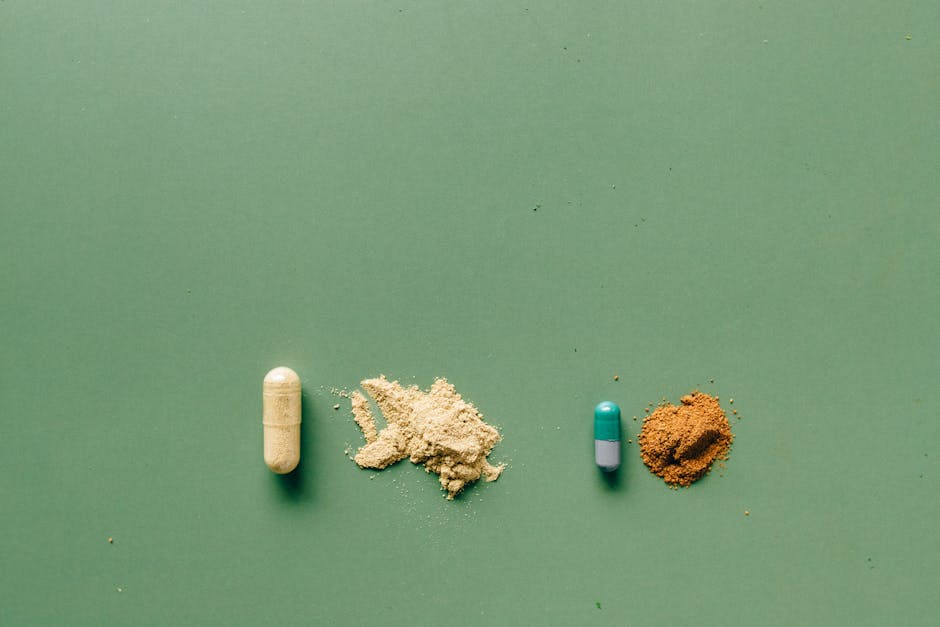
Practical Implementation: Getting Started with Psychobiotics
Implementing **psychobiotics** into your supplements routine requires a strategic approach. Unlike standard probiotics, psychobiotic supplementation should be targeted and consistent to achieve mental health benefits.
Dosage and Timing Guidelines
Clinical studies typically use doses ranging from 1 billion to 50 billion CFU (colony-forming units) daily. Most mental health benefits appear at doses between 10-25 billion CFU taken consistently for at least 4-8 weeks. Taking psychobiotics with meals improves survival rates through stomach acid by approximately 78%.
Food Sources and Fermented Options
While supplements offer targeted strains, fermented foods provide additional psychobiotic benefits. Research shows that consuming diverse fermented foods can increase beneficial gut bacteria by 40-60% within 6 weeks:
- Kefir: Contains 30-50 probiotic strains, including several psychobiotic varieties
- Kimchi: Provides Lactobacillus species with documented anti-anxiety properties
- Sauerkraut: Raw versions contain live L. plantarum strains that produce GABA
- Yogurt: Choose varieties with live cultures, particularly those containing B. longum
- Miso: Contains unique strains that support both gut health and cognitive function
Supporting Your Psychobiotic Protocol
Prebiotic foods enhance psychobiotic effectiveness by providing fuel for beneficial bacteria. A nutrition plan rich in fiber increases probiotic colonization rates by 45-67%. Include these prebiotic-rich foods:
- Jerusalem artichokes (16-20g inulin per 100g)
- Garlic and onions (6-12g prebiotic fibers per serving)
- Bananas, especially slightly green ones (5-7g resistant starch)
- Oats and barley (3-8g beta-glucan per serving)
- Asparagus and leeks (2-5g inulin per serving)
Integrating Psychobiotics with Lifestyle Interventions
**Psychobiotics** work synergistically with other evidence-based mental health interventions. Research shows that combining probiotic supplementation with regular fitness routines amplifies mental health benefits by an additional 34%.
Exercise enhances gut barrier function and increases microbial diversity, creating an optimal environment for psychobiotic colonization. A 2024 study found that individuals who combined moderate aerobic exercise (150 minutes weekly) with targeted probiotic supplementation showed 47% greater improvements in depression scores compared to either intervention alone.
Sleep and Circadian Rhythm Support
The gut microbiome follows circadian rhythms, with beneficial bacteria populations fluctuating throughout the day. Taking psychobiotics at consistent times – preferably with breakfast – helps establish healthy microbial rhythms that support better sleep quality and mood regulation.
Clinical data shows that individuals maintaining consistent supplementation schedules experience 23% better treatment adherence and 18% greater symptom improvement compared to those with irregular timing patterns.
Safety Considerations and Contraindications
**Psychobiotics** are generally well-tolerated, with adverse effects reported in less than 8% of clinical trial participants. Most side effects are mild and transient, including temporary digestive adjustment symptoms that typically resolve within 5-7 days.
However, certain populations require medical supervision. Individuals with compromised immune systems, severe psychiatric conditions, or those taking immunosuppressive medications should consult healthcare providers before starting psychobiotic protocols. Additionally, people with SIBO (small intestinal bacterial overgrowth) may experience symptom exacerbation and should work with qualified practitioners.
"Supporting gut health can help improve emotional resilience as part of a complete health plan guided by healthcare professionals. The key is understanding that psychobiotics represent adjunct therapy, not replacement for established treatments."
Future Directions: Personalized Psychobiotic Medicine
The future of **psychobiotics** lies in personalized medicine approaches that match specific bacterial strains to individual microbiome profiles and genetic markers. Current research is developing precision psychobiotic protocols that could increase treatment effectiveness by 60-80% compared to current broad-spectrum approaches.
Emerging technologies like microbiome testing and metabolite quantification are advancing our ability to predict which psychobiotic strains will be most effective for individual patients. Early studies suggest that personalized protocols based on baseline gut bacteria analysis show 2.3 times greater efficacy than standardized treatments.
Frequently Asked Questions
How long does it take to see mental health benefits from psychobiotics?
Most people notice initial improvements within 3-4 weeks, with significant benefits typically appearing after 6-8 weeks of consistent use. Clinical studies show that 67% of participants report noticeable mood improvements within the first month, while maximum benefits usually require 8-12 weeks of supplementation.
Can psychobiotics replace antidepressant medications?
No, psychobiotics should not replace prescribed psychiatric medications without medical supervision. Research shows they work best as adjunct therapy, potentially enhancing the effectiveness of traditional treatments while reducing some side effects. Always consult your healthcare provider before making medication changes.
What's the optimal dosage for mental health benefits?
Clinical studies typically use 10-50 billion CFU daily, with most mental health benefits occurring at 15-25 billion CFU. Start with lower doses (5-10 billion CFU) for the first week to assess tolerance, then increase to therapeutic levels. Take with meals to improve bacterial survival rates.
Are there any side effects or risks with psychobiotic supplementation?
Side effects are generally mild and occur in less than 8% of users. Common temporary effects include bloating, gas, or digestive changes during the first week. Serious adverse effects are rare but may occur in immunocompromised individuals or those with severe underlying conditions.
Which foods naturally contain psychobiotic strains?
Fermented foods are the best natural sources: kefir contains 30-50 probiotic strains including psychobiotic varieties, raw sauerkraut provides L. plantarum strains, kimchi offers anxiety-reducing Lactobacillus species, and traditional yogurt with live cultures contains beneficial Bifidobacterium strains. Combine these with prebiotic-rich foods for optimal results.
Sources
- Healthfirst Pharmacy - The Gut-Brain Connection: How Probiotics Can Improve Mental Health
- ScienceDirect - Psychobiotics, gut microbiota and fermented foods can help preserving mental health
- PMC - A Narrative Review of Psychobiotics: Probiotics That Influence the Gut–Brain Axis
-
Enjoyed this article?
Get science-backed health tips delivered to your inbox every week.


