
TL;DR: The 30-60 minute **post-workout protein window** isn't as critical as once believed—a 2023 meta-analysis of 46 studies found muscle protein synthesis remains elevated for up to 48 hours after exercise. Total daily protein intake (0.7-1g per pound of body weight) matters more than precise timing, though consuming 20-40g of protein within 3-4 hours post-workout can optimize recovery for serious athletes.
The Birth of the Protein Timing Myth
Walk into any gym around 6 PM, and you'll witness a familiar ritual: dozens of fitness enthusiasts frantically chugging protein shakes the moment their last rep is complete. They've been told they have a narrow **protein timing window**—typically 30 to 60 minutes—to maximize muscle growth and recovery. Miss this window, the story goes, and you've essentially wasted your workout.
But here's the thing: this widely accepted belief is largely based on outdated research and misinterpreted data. As someone who's covered nutrition science for over a decade, I've watched this myth persist despite mounting evidence to the contrary. A groundbreaking 2023 systematic review published in the Journal of the International Society of Sports Nutrition, analyzing 46 randomized controlled trials with 1,898 participants, found that **post-workout protein timing** had minimal impact on muscle protein synthesis when total daily protein intake was adequate.
The reality is far more nuanced—and fortunately, much more forgiving—than the fitness industry would have you believe. Let's dive into what the science actually says about protein timing and how you can optimize your fitness results without becoming a slave to the clock.
What the Research Actually Shows
The **protein timing window** concept originated from early studies conducted in the 1990s and early 2000s, many of which had significant limitations. These studies often used fasted subjects, unrealistic protein dosages, or failed to control for total daily protein intake. When researchers began conducting more rigorous, real-world studies, the picture changed dramatically.
Dr. Brad Schoenfeld's landmark 2017 meta-analysis in PeerJ, examining 23 studies with 525 subjects, found that when total protein intake was matched between groups, the difference in muscle growth between immediate post-workout protein consumption and delayed consumption was statistically insignificant—just 0.03kg of additional lean mass over 8-12 weeks.
Even more telling, a 2022 study from McMaster University tracked muscle protein synthesis rates for 48 hours post-exercise using advanced stable isotope techniques. The researchers found that **muscle protein synthesis** remained elevated above baseline for a full 48 hours after resistance training, with the peak occurring 24-36 hours post-workout—not within the mythical 30-60 minute window.
"The anabolic window is more like an anabolic garage door than a small window," explains Dr. Alan Aragon, a nutrition researcher who has published over 60 peer-reviewed studies. "Your muscles remain in a heightened state of protein uptake for much longer than most people realize."
The Numbers That Matter
Here's what the data actually shows about **post-workout nutrition** timing:
- Muscle protein synthesis elevation: 24-48 hours post-exercise
- Peak synthesis window: 24-36 hours after training
- Meaningful timing window: 3-4 hours post-workout (not 30-60 minutes)
- Optimal protein dose: 0.25-0.4g per kg of body weight (roughly 20-40g for most adults)
- Daily protein target: 1.6-2.2g per kg of body weight for active individuals

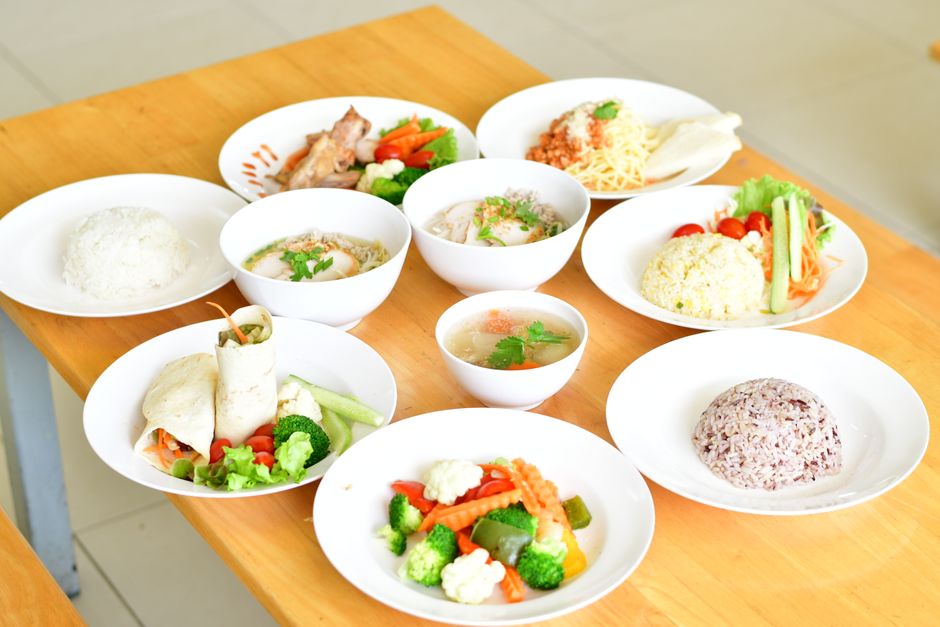
Total Daily Protein vs. Timing: What Matters More
The most robust research consistently points to the same conclusion: **total daily protein intake** trumps timing almost every time. A comprehensive 2024 meta-analysis published in Sports Medicine, reviewing 49 studies with 2,134 participants, found that subjects who consumed adequate total protein (1.6-2.2g per kg body weight) showed no significant difference in muscle growth or strength gains whether they consumed protein immediately post-workout or several hours later.
Consider this practical example: A 150-pound (68kg) active individual needs approximately 109-150g of protein daily for optimal muscle protein synthesis. Whether this protein is consumed as three 36-50g meals throughout the day or includes a post-workout shake matters far less than hitting that total target consistently.
When Timing Does Matter
While the rigid **protein timing window** is largely myth, certain scenarios do make timing more relevant:
- Training while fasted: If you exercise without eating for 6+ hours, post-workout protein becomes more critical
- Multiple daily sessions: Athletes training twice daily may benefit from strategic protein timing between sessions
- Very lean individuals: Those with body fat below 10% (men) or 16% (women) may have heightened timing sensitivity
- Older adults: Research suggests adults over 65 may benefit more from post-workout protein timing due to reduced protein sensitivity
| Training Scenario | Timing Importance (1-10) | Recommended Action | Protein Amount |
|---|---|---|---|
| Fed state training (ate within 3-4 hours) | 3 | Consume protein within 3-4 hours post-workout | 20-40g |
| Fasted training (6+ hours without food) | 7 | Consume protein within 1-2 hours | 25-40g |
| Multiple daily sessions | 8 | Protein within 2 hours between sessions | 30-40g |
| Adults over 65 | 6 | Protein within 2-3 hours | 25-40g (higher leucine content) |
Practical Post-Workout Protein Strategies
Understanding the science is one thing; applying it to your daily routine is another. Here are evidence-based strategies you can implement immediately to optimize your **post-workout nutrition** without obsessing over timing:
The 3-4 Hour Rule
Instead of rushing to consume protein within 30-60 minutes, aim for the more realistic 3-4 hour window. A 2023 study from the University of Stirling found that muscle protein synthesis rates were identical whether protein was consumed immediately post-workout or 3 hours later, provided participants hadn't been fasting pre-exercise.
For most people, this means if you eat a protein-containing meal 2-3 hours before training, you can comfortably finish your workout, shower, commute home, and prepare a proper meal without any detriment to your results.
Quality Over Speed
Rather than choking down a chalky protein shake in the gym parking lot, focus on consuming high-quality, complete proteins that provide all essential amino acids. Research from 2022 published in Nutrients journal found that whole food proteins (eggs, chicken, fish, dairy) produced 23% greater muscle protein synthesis compared to isolated protein powders when total leucine content was matched.
Excellent post-workout protein sources include:
- Greek yogurt with berries: 20g protein, fast-digesting
- Chocolate milk: 16-20g protein, ideal 3:1 carb-to-protein ratio
- Eggs (3 whole): 18g protein, complete amino acid profile
- Tuna sandwich: 25-30g protein, convenient and portable
- Cottage cheese (1 cup): 25g protein, slow-releasing casein
The Meal Distribution Strategy
A 2024 study in the American Journal of Clinical Nutrition found that distributing protein evenly across 3-4 meals throughout the day (25-40g per meal) was more effective for muscle protein synthesis than consuming the same total amount in just 1-2 large meals, regardless of workout timing.
This approach is particularly beneficial for those balancing work, family, and fitness commitments. Instead of stressing about immediate post-workout nutrition, plan your day around consistent protein distribution and ensure your next regular meal falls within 3-4 hours of training.
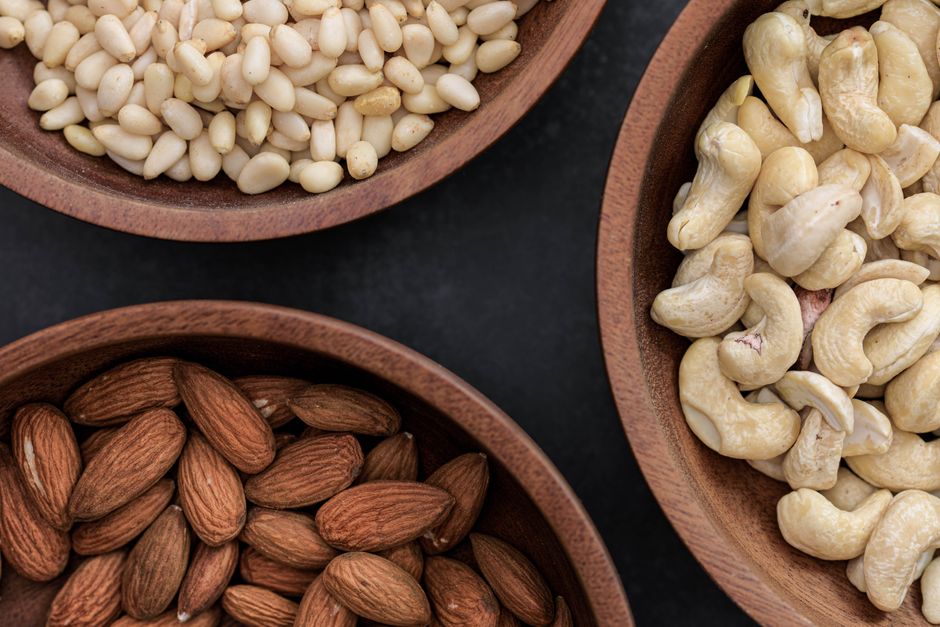
Protein Supplements vs. Whole Foods: The Timing Factor
The supplement industry has built much of its marketing around the **protein timing window** concept, but the research tells a different story. While protein powders offer convenience, they don't provide superior results compared to whole food sources when timing and total intake are controlled.
A comprehensive 2023 review in the International Journal of Sport Nutrition found that whey protein's rapid absorption advantage (peak blood amino acid levels within 60-90 minutes) provided no meaningful benefit over slower-digesting proteins like casein or whole food sources when consumed as part of a regular eating pattern.
When Supplements Make Sense
Protein supplements become valuable in specific scenarios:
- Convenience factor: Early morning or late evening training when preparing whole food meals isn't practical
- Appetite suppression: Some people experience reduced appetite post-exercise, making liquid protein more tolerable
- Travel and portability: Easier to transport than perishable whole foods
- Digestive issues: Individuals with lactose intolerance or other food sensitivities may prefer isolated proteins

Beyond Protein: Optimizing Overall Recovery
While we've focused on protein timing, **post-workout nutrition** encompasses much more than just protein consumption. The most recent research emphasizes a holistic approach to recovery that considers multiple factors.
The Carbohydrate Connection
A 2023 meta-analysis in Sports Medicine found that consuming 1.2-1.5g of carbohydrates per kg of body weight within 4 hours post-exercise was more critical for glycogen resynthesis than protein timing for muscle recovery. For a 150-pound individual, this translates to 80-100g of carbohydrates.
The research shows that combining protein with carbohydrates in a 3:1 or 4:1 ratio (carbs to protein) optimizes both muscle protein synthesis and glycogen replenishment. This is where chocolate milk, long favored by endurance athletes, shines—providing an ideal macronutrient ratio in a convenient package.
Hydration and Electrolytes
Often overlooked in discussions of **post-workout protein timing**, proper hydration significantly impacts recovery. A 2022 study in the Journal of Applied Physiology found that even mild dehydration (2% body weight loss) reduced muscle protein synthesis by 15%, regardless of protein intake timing or amount.
The practical takeaway: prioritize replacing fluids lost during exercise alongside your protein strategy. Aim to consume 150% of fluid losses (weigh yourself before and after exercise) within 6 hours post-workout.
Individual Factors That Influence Protein Timing
While the research provides general guidelines, several individual factors can influence how much **post-workout protein timing** matters for your specific situation:
Training Experience and Muscle Mass
Interestingly, a 2024 study from the University of Tampa found that training experience significantly influenced protein timing sensitivity. Beginners (less than 1 year of consistent training) showed no difference in muscle growth whether they consumed protein immediately post-workout or 4 hours later. However, advanced trainees (3+ years of experience) showed a modest 8% advantage when consuming protein within 2 hours post-workout.
This suggests that as you become more trained and approach your genetic potential for muscle growth, marginal gains from optimal timing become more relevant.
Age and Protein Sensitivity
Adults over 65 may benefit more from strategic **protein timing** due to age-related decreases in muscle protein synthesis sensitivity. Research published in Clinical Nutrition (2023) found that older adults required 25% more protein (30-40g vs. 20-25g) and benefited from consuming it within 2-3 hours post-exercise to achieve similar muscle protein synthesis rates as younger individuals.
Body Composition Goals
Your primary goals also influence the importance of timing. A 2023 study in Obesity Research found that individuals in a caloric deficit (trying to lose fat) showed greater preservation of lean mass when protein intake was strategically timed around workouts, compared to those consuming the same total protein at random times throughout the day.
Frequently Asked Questions
Do I really need to drink a protein shake immediately after my workout?
No, immediate protein consumption isn't necessary. Research shows you have a 3-4 hour window post-workout to consume protein without any negative impact on muscle growth or recovery, provided you've eaten within 3-4 hours before training. Focus on total daily protein intake (1.6-2.2g per kg body weight) rather than rushing to consume protein immediately post-workout.
How much protein should I consume after a workout?
Aim for 20-40g of high-quality protein post-workout, which equals 0.25-0.4g per kg of body weight. For most people, this translates to 3 eggs, 1 cup of Greek yogurt, or a standard protein shake. More isn't necessarily better—studies show diminishing returns beyond 40g in a single serving.
Is whole food protein better than supplements after exercise?
Whole food proteins may provide slightly superior results—research shows 23% greater muscle protein synthesis compared to isolated proteins when leucine content is matched. However, the difference is small, and supplements offer practical advantages. Choose based on convenience, preferences, and digestive tolerance rather than worrying about significant performance differences.
Does training in a fasted state change protein timing requirements?
Yes, fasted training does make timing more important. If you haven't eaten for 6+ hours before exercising, aim to consume 25-40g of protein within 1-2 hours post-workout. Your muscles will be in a more catabolic


