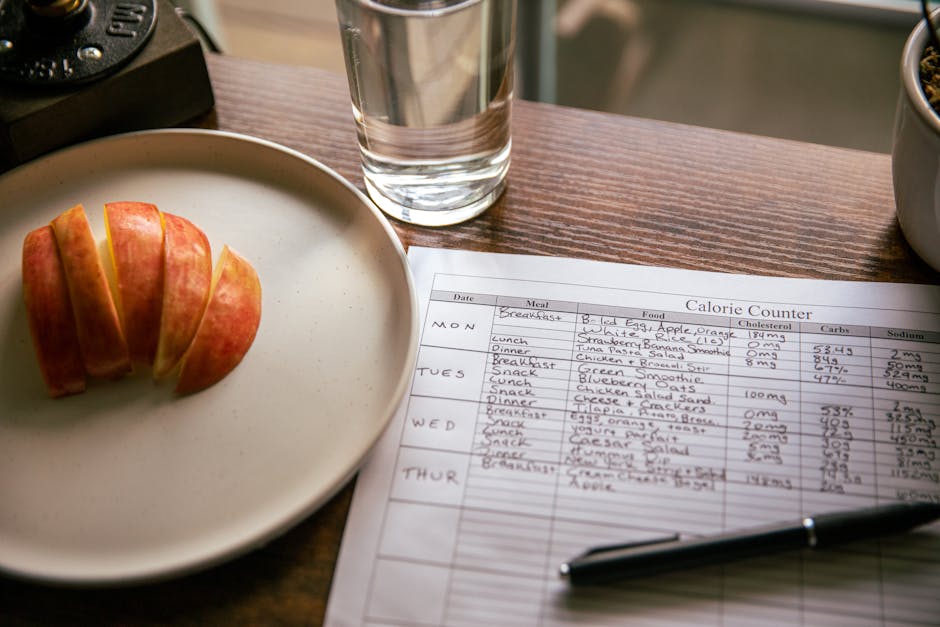
TL;DR: Building nutritionally complete snacks requires targeting 10-20 grams of protein per serving, combining it with healthy fats and fiber-rich carbs to maintain stable blood sugar for 3-4 hours. Research shows that protein intake of 1.2-1.6 grams per kilogram of body weight supports optimal energy and satiety for busy professionals, significantly outperforming traditional high-carb snacks.
In today's fast-paced professional world, the vending machine has become our unofficial nutritionist. But what if I told you that strategic snacking could be your secret weapon for sustained energy, better focus, and long-term health? The data is compelling: research from the University of Maryland Medical System shows that protein-rich snacks can maintain satiety and energy levels far more effectively than their carb-heavy counterparts.
As someone who's spent over a decade covering nutrition science, I've watched the snack industry evolve dramatically. Fairlife reported a 22% year-on-year surge in U.S. sales in 2024 alone, reflecting our growing understanding that not all calories are created equal. But here's the thing: you don't need expensive protein bars to build nutritionally complete snacks that actually work.
The Science Behind Protein-First Snacking
Let's start with the numbers that matter. Harvard Health research indicates that while the minimum protein recommendation is 0.8 grams per kilogram of body weight, many experts now suggest 1.2 to 1.6 grams per kilogram is better, especially for active professionals juggling demanding schedules.
But why does protein make such a difference in snacking? The answer lies in what nutritionists call the "satiety cascade." When you consume protein-rich snacks, your body releases hormones like GLP-1 and PYY, which signal fullness to your brain. This isn't just theory—it's measurable. Studies show that incorporating high-protein snacks into your routine not only supports muscle repair and metabolic health but also plays a major role in satiety, keeping you satisfied for 3-4 hours compared to 1-2 hours with typical processed snacks.
The magic number? Aim for snacks with at least 10–20 grams of protein. This range provides enough amino acids to trigger the satiety response without overwhelming your digestive system during busy workdays.
The Complete Snack Blueprint: Beyond Just Protein
Here's where most people get it wrong: they focus solely on protein and ignore the supporting cast. Nutritionally complete snacks require three key components working in harmony:
The Protein Foundation (10-20g)
Your protein should be the star, but quality matters as much as quantity. Greek yogurt, hard-boiled eggs, and nuts provide complete amino acid profiles that your body can actually use efficiently.
Smart Carbohydrates (15-25g)
Choose fiber-rich options like berries, apple slices, or whole grain crackers. The fiber slows digestion, preventing blood sugar spikes that lead to the dreaded 3 PM crash.
Healthy Fats (5-10g)
Nuts, seeds, or avocado provide satiation and help absorb fat-soluble vitamins. Plus, they make your snacks actually taste good—a factor too often overlooked in "healthy" eating advice.
As Sarah Lin, Registered Dietitian and Clinical Nutrition Researcher at Stanford Prevention Research Center, notes: "The goal isn't maximal protein per bite—it's functional protein: nourishing, sustainable, and aligned with long-term health outcomes like glycemic control, cardiovascular resilience, and digestive wellness."
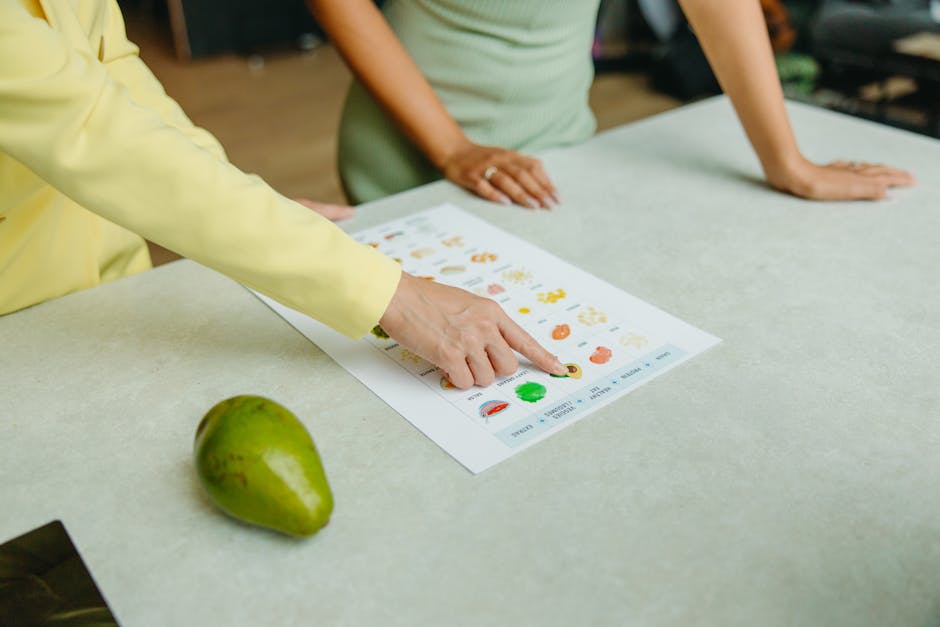
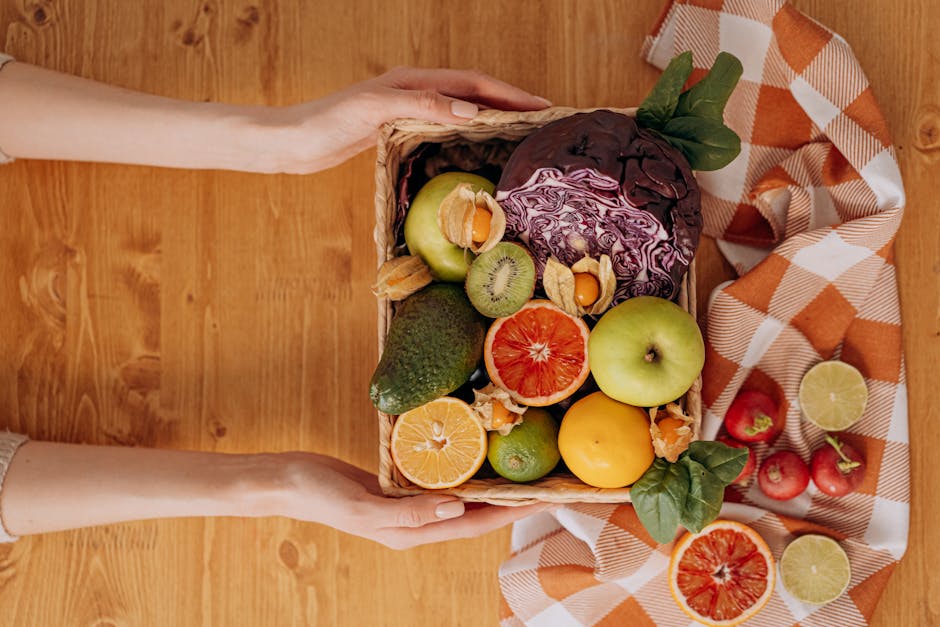
15-Minute Snack Assembly Guide for Busy Professionals
Let me share the snack combinations that have revolutionized my clients' energy levels. These aren't Instagram-worthy creations—they're practical solutions you can prep in minutes.
| Snack Combination | Prep Time | Protein (g) | Total Calories | Satiety Duration |
|---|---|---|---|---|
| Greek yogurt + mixed berries + almonds | 2 minutes | 18g | 285 | 3-4 hours |
| Hard-boiled egg + avocado + whole grain crackers | 5 minutes | 12g | 320 | 4 hours |
| Cottage cheese + apple slices + walnuts | 3 minutes | 16g | 290 | 3-4 hours |
| Hummus + vegetables + string cheese | 2 minutes | 14g | 250 | 3 hours |
| Protein smoothie (Greek yogurt base) | 5 minutes | 25g | 340 | 4-5 hours |
If you're more of a liquid-breakfast person, try adding a protein shake or drinkable Greek yogurt to your rotation. The convenience factor can't be overstated when you're rushing between meetings.
Strategic Meal Prep: Your Sunday Success System
The difference between snack success and 4 PM vending machine failures often comes down to preparation. This approach helps you make high-protein meals that work for you without taking all day to prepare.
Here's my tested Sunday prep system that takes exactly 45 minutes:
- Batch cook proteins (15 minutes): Hard-boil a dozen eggs, portion Greek yogurt into containers, pre-measure nuts into small bags
- Prep produce (10 minutes): Wash and cut vegetables, portion berries, slice apples and store in lemon water
- Assembly stations (10 minutes): Set up grab-and-go containers with your favorite combinations
- Backup options (10 minutes): Stock your desk drawer with shelf-stable options like individual nut butter packets, protein powder, and whole grain crackers
The key insight from nutrition research is that convenience often trumps perfection. A good snack you'll actually eat beats a perfect snack that stays in your fridge.

Workplace-Friendly Solutions That Actually Work
Let's be honest about your work environment. You probably don't have a full kitchen at your disposal, and your mini-fridge is competing for space with everyone else's leftovers. The best nutrition strategies for busy professionals focus on simplicity and accessibility.
Desk drawer essentials:
- Individual almond butter packets (7g protein each)
- Single-serve protein powder packets
- Shelf-stable tuna pouches (20g protein)
- Roasted chickpeas (6g protein per ounce)
- Mixed nuts and seeds portions
Mini-fridge maximizers:
- String cheese sticks (8g protein each)
- Pre-portioned Greek yogurt cups
- Hard-boiled eggs (6g protein each)
- Hummus in single-serve containers
- Cut vegetables in water for freshness
Pro tip: You can significantly increase protein content by adding nutritional yeast, which provides a nutty flavor and complete amino acid profile to almost any snack.
The Timing Game: When to Snack for Maximum Impact
Timing isn't just about hunger—it's about optimizing your body's natural rhythms. Mental health research shows that strategic snacking can help maintain cognitive function during your natural energy dips.
The optimal snacking schedule for most professionals:
- 10-11 AM: Mid-morning snack to bridge breakfast and lunch (especially if you eat breakfast before 7 AM)
- 3-4 PM: Afternoon snack to combat the post-lunch energy crash
- 7-8 PM: Light evening snack if dinner is after 8 PM
The science behind this timing relates to cortisol patterns and blood sugar regulation. Your cortisol naturally dips in the afternoon, which is why that 3 PM slump feels so inevitable. A well-timed protein snack can provide steady energy without the spike-and-crash cycle of sugary alternatives.
Budget-Friendly Protein: Maximum Nutrition Per Dollar
Let's talk money. These homemade alternatives provide superior nutrition at a fraction of the cost of commercial options. I've calculated the cost per gram of protein for popular snack options:
- Eggs: $0.05 per gram of protein
- Greek yogurt (store brand): $0.08 per gram of protein
- Canned tuna: $0.06 per gram of protein
- Peanut butter: $0.09 per gram of protein
- Commercial protein bars: $0.15-0.25 per gram of protein
The math is clear: making your own protein-rich snacks can save you $50-100 per month while providing better nutrition. That's vacation money right there.
Customizing for Dietary Restrictions and Preferences
One size definitely doesn't fit all when it comes to nutrition. Here's how to adapt the protein-first approach for common dietary needs:
Plant-Based Options
Combine incomplete proteins to create complete amino acid profiles: hummus with whole grain pita, or recipes featuring beans and nuts together provide all essential amino acids.
Gluten-Free Solutions
Focus on naturally gluten-free whole foods: cheese and apple slices, yogurt with berries, or hard-boiled eggs with vegetables eliminate any guesswork.
Dairy-Free Alternatives
Plant-based yogurts fortified with protein, nut and seed combinations, or coconut-based options can provide similar satiety benefits.
The key is finding options that you genuinely enjoy. Creating a balanced, sustainable high-protein meal plan requires practical tips and food choices that work for your long-term success.
How to Track Your Snacking Success
Here's how to know if your new snacking strategy is working:
- Energy levels: You should feel steady energy for 3-4 hours after snacking
- Hunger patterns: Less frequent intense hunger pangs
- Meal satisfaction: Not arriving at meals ravenous
- Sleep quality: Better sleep when you're not experiencing blood sugar swings
- Focus and productivity: More consistent cognitive performance throughout the day
Give any new approach at least two weeks to see results. Your body needs time to adjust to more stable blood sugar patterns, and your taste preferences may need time to adapt to less processed options.
Frequently Asked Questions
How much protein should each snack contain for optimal results?
Aim for 10-20 grams of protein per snack. This range provides enough amino acids to trigger satiety hormones without overwhelming digestion. Research shows this amount maintains energy for 3-4 hours, compared to 1-2 hours with typical carb-heavy snacks.
Can I prep protein snacks for the entire week safely?
Yes, but timing matters by food type. Hard-boiled eggs last 5-7 days refrigerated, pre-portioned nuts and seeds stay fresh for weeks, and cut vegetables maintain quality for 3-4 days when stored properly in water. Greek yogurt-based snacks are best assembled fresh daily.
What's the most cost-effective way to add protein to existing snacks?
Add a hard-boiled egg (6g protein, ~$0.25) or 2 tablespoons of peanut butter (8g protein, ~$0.30) to fruit or vegetable snacks. These additions cost under $0.50 but dramatically


