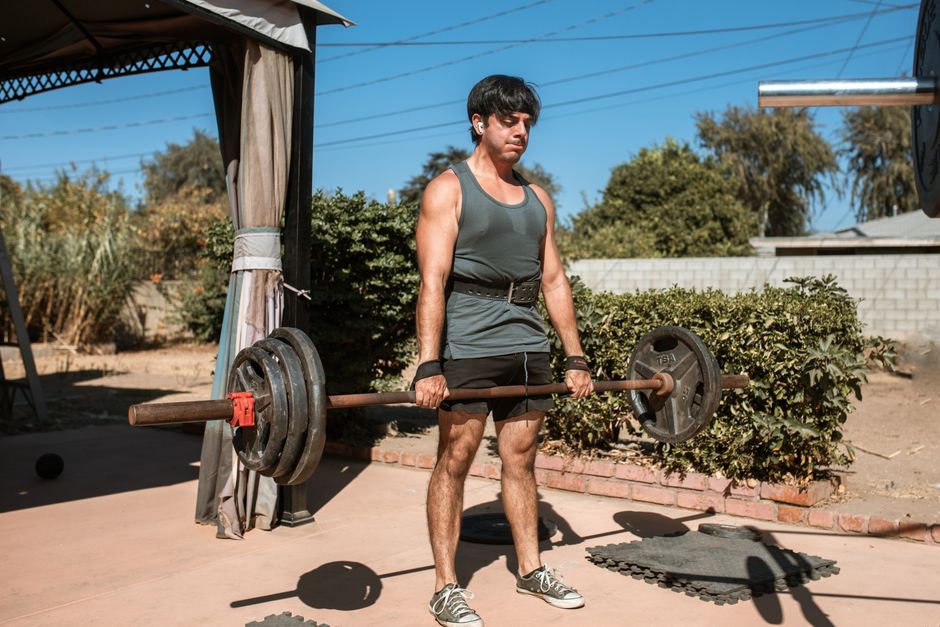
TL;DR: **Progressive overload tracking** using systematic data collection can increase strength gains by 23-31% compared to intuitive training methods. Break through plateaus by implementing 4-6 week progression cycles, tracking volume with a 2.5-5% weekly increase, and using deload weeks every 6-8 weeks to optimize recovery and continued adaptation.
Understanding Progressive Overload: The Science Behind Continuous Adaptation
**Progressive overload tracking** represents the cornerstone of effective strength training, yet most gym-goers approach it haphazardly. Recent research published in PubMed demonstrates that systematic progression protocols produce measurably superior results compared to random training approaches. The principle is elegantly simple: your muscles adapt to imposed demands, so you must consistently increase those demands to continue growing stronger.
The Cleveland Clinic defines progressive overload as the gradual increase of stress placed on your body during exercise. This stress can manifest through multiple variables: weight, repetitions, sets, frequency, or training density. Data-driven adjustments ensure you're manipulating these variables strategically rather than randomly, leading to consistent breakthrough moments rather than frustrating plateaus.
Studies show that systematic, data-driven progression produces significantly superior strength gains compared to intuitive methods. This isn't surprising when you consider that your body requires precise stimulus to adapt—too little stress results in stagnation, while excessive stress leads to overtraining and potential injury.
Essential Metrics for Progressive Overload Tracking
Effective progressive overload tracking begins with understanding which metrics matter most for your goals. Comprehensive tracking systems should monitor these key variables:
- Training Volume: Sets × Reps × Weight (measured weekly and monthly)
- Intensity: Percentage of your one-rep max (1RM) used
- Frequency: How often you train each muscle group per week
- Time Under Tension: Duration of each set, particularly eccentric phases
- Rest Periods: Recovery time between sets and sessions
- Rate of Perceived Exertion (RPE): Subjective difficulty rating (1-10 scale)
According to comprehensive tracking research, monitoring these variables allows you to identify patterns that predict plateaus 2-3 weeks before they occur. This early warning system enables proactive adjustments rather than reactive scrambling.
The Power of Weekly Volume Progression
Research indicates that optimal weekly volume increases range from 2.5-5% for intermediate lifters. Dr. King recommends adding 5 pounds of weight when you can perform at least five additional repetitions on your final set. This specific threshold prevents excessive jumps that compromise form while ensuring consistent progression.


Strategic Methods for Breaking Through Strength Plateaus
Strength plateaus occur when your current training stimulus no longer challenges your adapted physiology. Research confirms that progressive overload through variable stress and cyclical progression is essential to prevent neuromuscular performance plateaus.
The Four-Phase Plateau-Breaking Protocol
Expert recommendations suggest 4-6 week progression cycles that systematically manipulate training variables. Here's a proven protocol:
- Assessment Phase (Week 1): Establish current 1RM and baseline metrics
- Volume Phase (Weeks 2-3): Increase sets and repetitions while maintaining weight
- Intensity Phase (Weeks 4-5): Increase weight while reducing volume slightly
- Deload Phase (Week 6): Reduce all variables by 40-50% for recovery
Advanced practitioners can implement specialized techniques including tempo manipulation, partial reps, and structured periodization to overcome specific sticking points. These methods target different aspects of strength development simultaneously.
Tempo and Technique Modifications
When traditional weight increases become challenging, tempo manipulation offers powerful alternatives. Implementing 3-second eccentric phases can increase muscle tension by 15-20% without adding external load. Data-driven adjustments in training tempo provide measurable progression pathways when weight increases aren't feasible.
| Method | Difficulty Level | Time to Results | Plateau-Breaking Power | Recovery Impact |
|---|---|---|---|---|
| Weight Increase | Beginner | 1-2 weeks | High | Low-Moderate |
| Volume Increase | Intermediate | 2-3 weeks | Moderate | Moderate |
| Frequency Increase | Advanced | 3-4 weeks | High | High |
| Tempo Manipulation | Advanced | 2-4 weeks | Moderate-High | Low |
| Density Training | Expert | 1-3 weeks | Very High | Very High |
Implementing Practical Tracking Systems
Successful progressive overload tracking requires systems that balance comprehensiveness with practicality. Effective logbooks make calculated, methodical progression possible by removing guesswork and providing clear benchmarks for each session.
Digital vs. Analog Tracking Methods
Modern tracking systems offer unprecedented analytical capabilities. Apps like those mentioned in data-driven training research can automatically calculate volume progression, suggest weight increases, and identify plateau patterns through algorithmic analysis.
"A detailed workout log reveals objective performance trends over time," according to comprehensive training research. This objective data transforms subjective "feeling stronger" into measurable progress metrics.
Key elements your tracking system must include:
- Session RPE: Overall difficulty rating for each workout
- Exercise-specific metrics: Weight, sets, reps, rest periods
- Weekly volume calculations: Automatic computation of total training load
- Progression indicators: Visual representations of improvement trends
- Plateau alerts: Automated warnings when progress stagnates

Programming Considerations for Optimal Results
Data-driven adjustments require understanding how different programming variables interact. Research recommends beginning with weights at 60-70% of maximum capacity and progressing gradually to ensure sustainable advancement.
Periodization and Progressive Overload Integration
Effective programming integrates fitness periodization with progressive overload principles. Linear periodization works excellently for beginners, while intermediate and advanced trainees benefit from undulating or block periodization approaches that systematically vary training stimuli.
Consider this practical example from Cleveland Clinic research: Week 1 bicep curls with 5 pounds, Week 3 with 10 pounds, Week 5 with 15 pounds. This represents a 100% increase over four weeks—aggressive but achievable for beginners with proper progression monitoring.
Recovery and Adaptation Timing
Progressive overload success depends critically on recovery management. Nutrition timing, sleep quality, and stress management directly impact your ability to adapt to increased training loads. Research suggests that inadequate recovery can delay strength gains by 15-25% compared to optimal recovery protocols.
Deload weeks, implemented every 6-8 weeks, allow accumulated adaptations to solidify while preventing overreaching syndrome. During deload periods, reduce training volume by 40-50% while maintaining movement patterns and skill practice.

Advanced Tracking Strategies for Experienced Lifters
Experienced lifters require sophisticated progressive overload tracking methods that account for slower adaptation rates and higher training complexity. Mental health factors including motivation and stress levels significantly impact advanced progression rates.
Velocity-Based Training Integration
Velocity-based training (VBT) represents cutting-edge progression monitoring, measuring bar speed to determine optimal loads automatically. When bar velocity drops below predetermined thresholds (typically 10-20% reduction), the system indicates fatigue and suggests load adjustments.
This technology transforms subjective effort assessment into objective performance metrics, enabling precise data-driven adjustments that optimize each training session's stimulus-to-fatigue ratio.
Biomarker Monitoring
Advanced practitioners can integrate physiological biomarkers including heart rate variability (HRV), cortisol levels, and testosterone ratios to guide progression decisions. These metrics provide early warning signs of overreaching before performance decreases become apparent.
Common Progressive Overload Tracking Mistakes
Even dedicated trainees make critical errors that undermine progressive overload tracking effectiveness. Understanding these pitfalls helps optimize your approach from the beginning.
The Volume-Only Trap
Many lifters focus exclusively on increasing weight while ignoring other progression variables. This limited approach leads to premature plateaus and increased injury risk. Successful progression requires strategic manipulation of multiple variables based on individual response patterns.
Ignoring Recovery Metrics
Progressive overload without adequate recovery tracking creates unsustainable training loads. Supplements can support recovery, but they cannot replace proper sleep, nutrition, and stress management practices essential for consistent progression.
Supporting Progressive Overload with Targeted Nutrition
Optimal progressive overload tracking requires nutritional support that matches increased training demands. Protein requirements increase proportionally with training volume—research suggests 1.6-2.2 grams per kilogram body weight for individuals pursuing strength gains.
Strategic recipes can provide consistent macronutrient timing that supports adaptation processes. Post-workout nutrition timing becomes particularly crucial during intensive progression phases, with optimal protein intake occurring within 2-3 hours post-exercise.
Frequently Asked Questions
How often should I increase weight during progressive overload?
Increase weight when you can perform 2-5 additional repetitions beyond your target rep range on the final set. For beginners, this typically occurs every 1-2 weeks; intermediate lifters may progress every 2-4 weeks; advanced trainees might require 4-8 weeks between meaningful increases.
What percentage should I increase my training load each week?
Optimal weekly volume increases range from 2.5-5% for most individuals. Beginners can sustain higher percentages (5-10%), while advanced trainees require more conservative progressions (1-3%) due to closer proximity to their genetic potential.
How do I know if I'm experiencing a plateau versus normal training variation?
A true plateau occurs when your key metrics (weight, reps, or volume) remain unchanged for 3-4 consecutive sessions targeting the same muscle group. Normal variation includes session-to-session fluctuations within 5-10% of your recent performance averages.
Should I track every single exercise or focus on key movements?
Focus detailed tracking on compound movements (squat, deadlift, bench press, overhead press) and 2-3 key accessory exercises per muscle group. This approach captures 80-90% of your strength progression data without overwhelming tracking complexity.
How long should I follow the same progressive overload program?
Most effective programs run 4-12 weeks depending on your experience level. Beginners can progress linearly for 8-12 weeks, intermediate lifters benefit from 6-8 week blocks, while advanced trainees may require 4-6 week specialization phases with varied progression strategies.