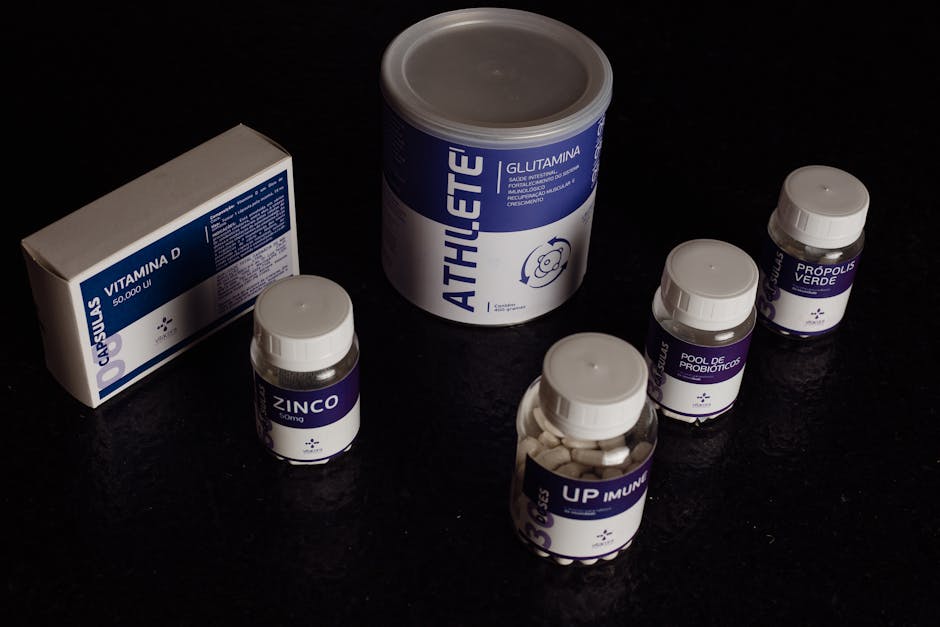
TL;DR: **Micronutrient testing** can identify specific vitamin and mineral deficiencies affecting 31% of adults globally, allowing you to build a personalized supplement stack that addresses your unique needs rather than taking generic multivitamins. Companies like Bioniq leverage algorithms analyzing over 4 million biochemical data points to create tailored formulas with up to 34 components, while simple nutrient tracking apps can help identify 80% of common deficiencies for under $20 monthly.
Why One-Size-Fits-All Supplements Don't Work
Walking down the supplement aisle feels like navigating a maze of promises. Rows of colorful bottles claim to boost energy, enhance immunity, and optimize performance. Yet despite Americans spending over $50 billion annually on supplements, **micronutrient deficiencies** remain surprisingly common. A 2024 study published in the journal Nutrients found that even in developed countries, significant portions of the population show inadequate levels of key nutrients.
The fundamental problem? Most people are essentially playing nutritional roulette, taking supplements based on marketing claims rather than actual biological need. Research from VitaminLab reveals that **leveraging micronutrient testing** provides the most accurate foundation for creating a personalized supplement formula that addresses your unique physiological requirements.
Consider this: your neighbor might thrive on 1000 IU of vitamin D daily, while you require 4000 IU due to genetic polymorphisms affecting vitamin D metabolism. Without testing, you're both shooting in the dark. This is why **personalized interventions consider individual absorption capabilities, underlying health conditions, and lifestyle factors** according to Infusion Health's comprehensive guide.
The Science Behind Micronutrient Testing
**Micronutrient testing** goes beyond basic blood panels to measure both serum levels and intracellular concentrations of vitamins, minerals, and other essential nutrients. Unlike standard blood tests that might only check vitamin D or B12, comprehensive micronutrient panels analyze 20-35 different nutrients simultaneously.
The testing process typically involves:
- Functional intracellular analysis: Measures how nutrients actually function within your cells, not just blood levels
- Vitamin assessment: Covers fat-soluble (A, D, E, K) and water-soluble vitamins (B-complex, C)
- Mineral evaluation: Tests essential minerals like magnesium, zinc, selenium, and chromium
- Antioxidant capacity: Measures your body's ability to neutralize free radicals
- Metabolic markers: Assesses nutrients involved in energy production and cellular repair
Companies like Bioniq have developed patented algorithms based on blood test data from more than 40,000 people across **4 million biochemical data points** to create tailored supplement regimens. Their formulas can include up to 34 components with over 10 million possible combinations, demonstrating the complexity of true personalization.


Who Should Consider Micronutrient Testing
While **micronutrient testing** can benefit anyone serious about optimizing their health, certain groups show higher rates of deficiencies. Labcorp's testing guidelines identify several high-risk categories:
Vegetarians and vegans face particular challenges, as some micronutrients like vitamin B12, folate, iodine, and zinc are more commonly available in animal-based foods.
Additional candidates for testing include:
- Athletes and fitness enthusiasts: Higher metabolic demands deplete nutrients faster
- People with digestive issues: Conditions like SIBO, Crohn's disease, or celiac disease impair absorption
- Individuals over 50: Age-related decline in absorption efficiency
- Those with chronic fatigue: Often linked to B-vitamin, iron, or magnesium deficiencies
- People on restrictive diets: Elimination diets may create nutritional gaps
- Individuals with high stress levels: Chronic stress depletes B-vitamins and magnesium rapidly
Even if you eat a "healthy" diet, modern farming practices and soil depletion mean foods contain 20-40% fewer nutrients than they did 50 years ago. This makes **personalized supplement stacks** increasingly important for maintaining optimal health, as discussed in our comprehensive guide to nutrition optimization.
Comparing Micronutrient Testing Options
The **micronutrient testing** landscape offers several approaches, from high-tech laboratory analysis to simple dietary tracking. Here's how the main options compare:
| Testing Method | Cost Range | Accuracy Level | Nutrients Measured | Turnaround Time | Best For |
|---|---|---|---|---|---|
| Comprehensive Lab Panel | $300-$600 | 95%+ | 20-35 nutrients | 7-14 days | Serious optimization |
| At-Home Test Kits | $150-$400 | 85-90% | 15-25 nutrients | 10-21 days | Convenience seekers |
| Basic Doctor Panel | $50-$200 | 90%+ | 6-12 nutrients | 3-7 days | Insurance coverage |
| Dietary Tracking Apps | $0-$20/month | 70-80% | 25+ nutrients | Real-time | Budget-conscious |
| AI-Powered Analysis | $200-$500 | 85-95% | 30+ nutrients | 5-10 days | Tech enthusiasts |
For those seeking a cost-effective starting point, longevity researcher Nick Engerer suggests that "you don't have to spend hundreds of dollars on a micronutrient test." Instead, he recommends downloading the free Cronometer app to track the micronutrient content of your meals, which can identify 80% of common deficiencies.

How to Interpret Your Test Results
Understanding your **micronutrient testing** results requires more than just looking for numbers in the "normal" range. Optimal levels often differ significantly from standard reference ranges, which are typically based on the middle 95% of the population—not necessarily what's ideal for peak performance.
Key interpretation principles include:
Understanding Reference Ranges
- Deficient: Below the 5th percentile—immediate supplementation needed
- Insufficient: 5th-25th percentile—moderate supplementation recommended
- Adequate: 25th-75th percentile—maintenance dosing may be beneficial
- Optimal: 75th-95th percentile—the target zone for most nutrients
- Excess: Above 95th percentile—potential toxicity risk
Prioritizing Deficiencies
Not all deficiencies require immediate attention. Medical-grade supplement formulations typically focus on borderline or insufficient nutrient deficiencies that have the greatest impact on energy production, immune function, and cellular repair.
Priority nutrients for supplementation typically include:
- B-complex vitamins: Essential for energy metabolism and nervous system function
- Magnesium: Involved in over 300 enzymatic reactions
- Vitamin D: Critical for immune function and bone health
- Omega-3 fatty acids: Anti-inflammatory and brain health support
- Zinc: Immune function and protein synthesis
This systematic approach connects directly with your overall fitness and wellness goals, ensuring supplements support rather than work against your body's natural processes.

Building Your Personalized Supplement Stack
Creating an effective **personalized supplement stack** requires a strategic, layered approach. Supplement experts recommend locking in the foundation first, "because nothing else in the stack performs optimally if your protein intake is inadequate or your micronutrient status has gaps."
The Foundation Layer
Start with these core supplements based on your **micronutrient testing** results:
- High-quality multivitamin: Covers basic nutritional insurance
- Omega-3 fatty acids: 1000-2000mg EPA/DHA daily
- Vitamin D3: Dose based on blood levels (typically 1000-4000 IU)
- Magnesium: 200-400mg in highly absorbable forms (glycinate, citrate)
The Targeted Layer
Add specific nutrients based on your individual deficiencies:
- B-complex: For energy and nervous system support
- Vitamin K2: Often deficient and crucial for calcium metabolism
- Zinc: Immune function and wound healing
- Selenium: Antioxidant support and thyroid function
The Performance Layer
Finally, add supplements that support your specific health and mental health goals:
- Adaptogenic herbs: Ashwagandha, rhodiola for stress management
- Nootropics: Lion's mane, bacopa for cognitive support
- Digestive enzymes: If absorption issues are identified
- Probiotics: For gut health and immune support
Monitoring and Adjusting Your Stack
**Consistent monitoring helps evaluate supplement effectiveness and guide adjustments** according to wellness nutrition experts. This isn't a "set it and forget it" approach—your nutritional needs change with age, stress levels, activity patterns, and health status.
Effective monitoring includes:
Subjective Tracking
- Energy levels: Rate 1-10 daily upon waking and mid-afternoon
- Sleep quality: Track time to fall asleep, sleep duration, and morning alertness
- Digestive comfort: Note bloating, regularity, and post-meal energy
- Mood stability: Monitor stress resilience and emotional balance
- Exercise recovery: Track soreness duration and performance consistency
Objective Measurements
- Retesting schedule: Repeat micronutrient panels every 6-12 months
- Biomarker tracking: Monitor inflammation markers, blood sugar, and lipid panels
- Body composition: Track muscle mass, body fat percentage changes
- Performance metrics: Measure strength, endurance, and cognitive performance
This comprehensive approach to monitoring ensures your supplement stack continues supporting your healthy lifestyle choices and nutritional goals over time.
Cost-Effectiveness of Personalized Supplementation
While **micronutrient testing** and personalized supplementation require an initial investment, the long-term cost-effectiveness often exceeds generic supplementation approaches. Consider these financial factors:
Initial Investment Breakdown
- Comprehensive testing: $300-$600 annually
- Targeted supplements: $50-$150 monthly
- Follow-up testing: $200-$400 every 6-12 months
- Professional consultation: $100-$300 for interpretation
Total annual cost: $1,200-$2,500
Generic Supplementation Comparison
- Basic multivitamin: $20-$50 monthly
- Additional supplements: $30-$100 monthly (often unnecessary)
- Trial and error costs: $200-$500 annually on ineffective products
Total annual cost: $800-$1,500 (with lower effectiveness)
The key advantage lies not just in cost, but in targeted efficacy. Personalized stacks typically require fewer total supplements while delivering superior results, making them cost-effective for serious health optimization.
Frequently Asked Questions
How often should I repeat micronutrient testing?
Every 6-12 months


