
TL;DR: Women with PCOS can achieve sustainable weight loss through strategic meal timing, blood sugar management, and proper macronutrient ratios rather than strict calorie counting. Research shows that combining time-restricted eating with a Mediterranean-style diet and 150 minutes of weekly cardio can lead to 5-10% weight reduction, significantly improving PCOS symptoms and insulin sensitivity.
Understanding Why PCOS Makes Weight Loss Different
If you've been struggling with PCOS weight loss despite following traditional dieting advice, you're not alone. Polycystic ovary syndrome affects 1 in 10 women of reproductive age, and up to 80% of women with PCOS experience weight gain or difficulty losing weight. The reason? PCOS fundamentally changes how your body processes food and stores fat.
Unlike typical weight management scenarios, PCOS weight loss requires addressing insulin resistance, chronic inflammation, and hormonal imbalances that make standard calorie-counting approaches less effective. According to Johns Hopkins Medicine, women with PCOS often have insulin levels that are 50-70% higher than women without the condition, making their bodies more likely to store calories as fat rather than burn them for energy.
The good news? A 2024 systematic review found that a reduction in weight of 5% to 10% can be beneficial for managing PCOS symptoms, and this is achievable through strategic dietary approaches that go beyond simple calorie restriction. The key lies in understanding how to structure your eating patterns to work with, rather than against, your body's unique metabolic challenges.
The Blood Sugar Stability Foundation
The cornerstone of effective PCOS diet planning isn't about eliminating entire food groups—it's about timing and combining foods to maintain steady blood sugar levels throughout the day. Research from a 2025 study involving 93 PCOS participants found that those who combined time-restricted eating with proper meal structure showed significant improvements in insulin sensitivity and weight loss outcomes.
Here's how to implement blood sugar stability in your daily routine:
- Start each meal with protein: Aim for 20-30 grams of protein per meal to slow glucose absorption
- Pair carbohydrates with fiber and fat: This combination can reduce the glycemic impact by up to 40%
- Time your largest meals earlier: Consume 40% of your daily calories before 2 PM when insulin sensitivity is naturally higher
- Space meals 4-5 hours apart: This allows insulin levels to return to baseline between eating occasions
According to nutrition experts specializing in PCOS, identifying your calorie and protein needs, and structuring your meals to keep blood sugar stable is more effective than restrictive dieting for long-term weight management.
Making Glycemic Index Work for You
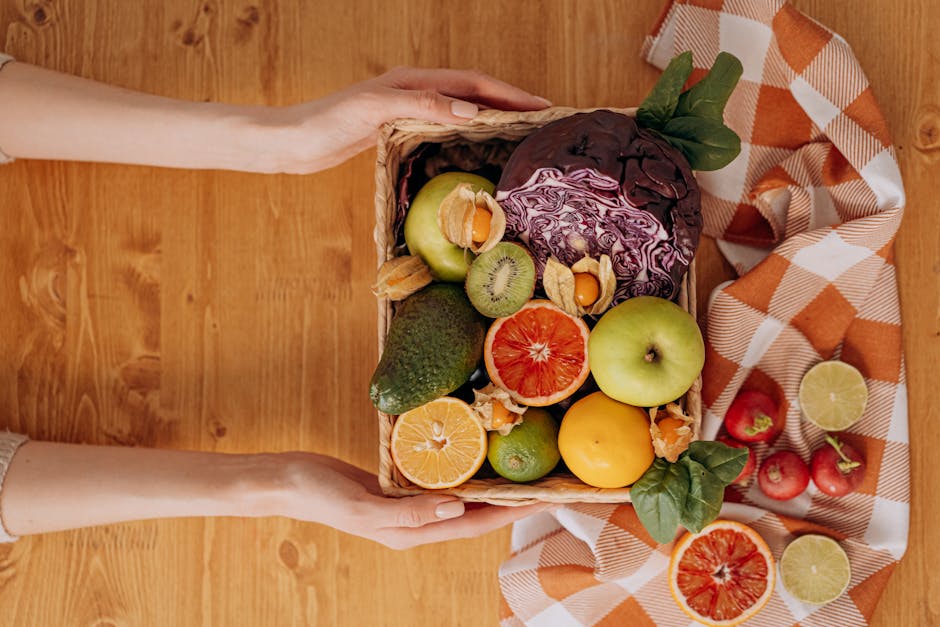
Low-glycemic foods should form the foundation of your nutrition plan. A comprehensive analysis of PCOS dietary patterns revealed that women with PCOS ate less olive oil, beans, fish, and nuts and more simple carbs and total fats than the control group, suggesting that food quality matters more than quantity alone.
Focus on incorporating these low-glycemic staples:
- Steel-cut oats instead of instant oatmeal (GI of 42 vs 79)
- Quinoa and bulgur wheat over white rice
- Sweet potatoes with skin instead of regular potatoes
- Berries and apples over tropical fruits

Strategic Macronutrient Timing
Recent research on time-restricted eating for PCOS has revealed that when you eat specific macronutrients can be as important as what you eat. A 2025 systematic review published in Nutrients demonstrated that women following structured eating windows combined with proper macronutrient timing experienced greater improvements in metabolic markers than those following traditional calorie restriction alone.
| Meal Timing | Recommended Macronutrient Focus | Example Foods | Expected Benefit |
|---|---|---|---|
| Morning (7-9 AM) | Higher protein (25-30g), moderate carbs | Greek yogurt with berries, eggs with whole grain toast | Improved insulin sensitivity for the day |
| Midday (12-2 PM) | Balanced protein, complex carbs, healthy fats | Quinoa bowl with salmon and vegetables | Sustained energy, appetite control |
| Evening (5-7 PM) | Higher protein, lower carbs, anti-inflammatory fats | Grilled chicken with roasted vegetables and olive oil | Better sleep quality, overnight fat burning |
The research indicates that a total of 93 participants were randomly assigned to the TRE or the usual care group, both of whom were prescribed 1200–1500 kcal/day, but those in the time-restricted eating group showed superior results in weight loss and hormonal balance.
The PCOS-Friendly Carbohydrate Cycling Approach
Contrary to popular belief, completely eliminating carbohydrates isn't the answer for PCOS weight management. As noted by PCOS specialists, ultra-low-carb plans may offer short-term weight loss but are hard to sustain and can deprive you of gut-friendly fiber. Instead, focus on carbohydrate cycling based on your activity levels and hormonal fluctuations.
Here's a practical weekly structure:
- Higher carb days (2-3 per week): 120-150g carbs, aligned with strength training or high-intensity workouts
- Moderate carb days (3-4 per week): 80-100g carbs, focusing on fiber-rich vegetables and legumes
- Lower carb days (1-2 per week): 50-70g carbs, emphasizing leafy greens and non-starchy vegetables
Anti-Inflammatory Food Strategies
Chronic inflammation is a key driver of PCOS symptoms and weight gain resistance. Johns Hopkins research emphasizes that people with PCOS should avoid foods that can ramp up inflammation: fried foods (French fries, potato chips, corn chips and fried chicken or fish), while substituting whole, unprocessed options for inflammatory items can set the stage for better long-term health.
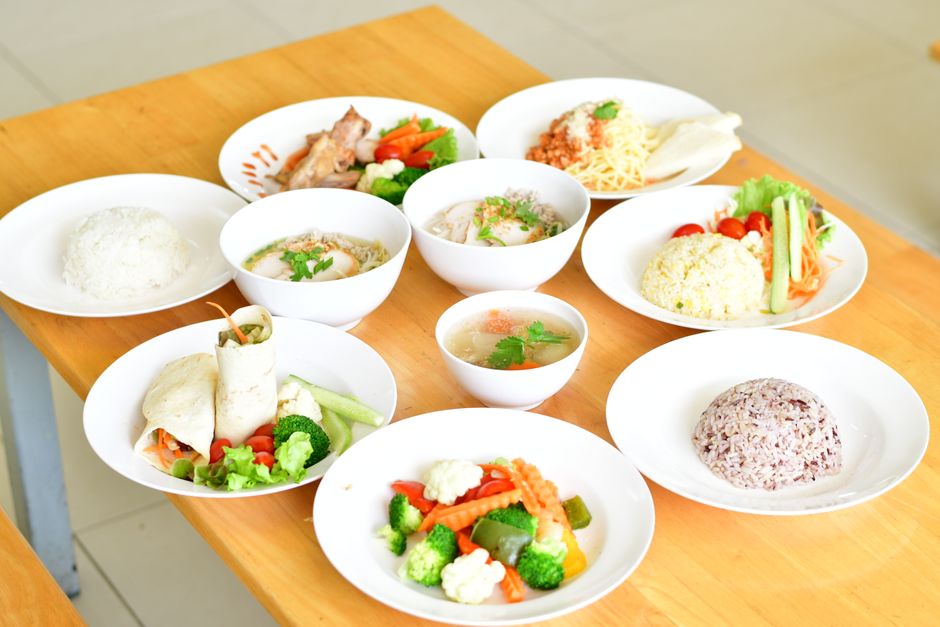
The Mediterranean diet pattern has shown particular promise for PCOS management. This approach emphasizes whole grains, millets, vegetables, lean protein, healthy fats, and low-GI fruits, while strictly limiting sugar, refined carbs, and processed foods.
Smart Food Swaps for Inflammation Control
Making strategic substitutions in your daily recipes can significantly reduce inflammatory markers. Consider these evidence-based swaps:
- Replace vegetable oils with extra virgin olive oil: Rich in oleic acid, which reduces inflammatory cytokines
- Choose fatty fish over lean proteins twice weekly: Omega-3 fatty acids can improve insulin sensitivity by up to 15%
- Incorporate fermented foods daily: Kefir, kimchi, and sauerkraut support gut health and reduce systemic inflammation
- Add anti-inflammatory spices: Turmeric, cinnamon, and ginger can help regulate blood sugar and reduce inflammation
Exercise Integration for Metabolic Boost
While diet is crucial, combining it with strategic movement amplifies PCOS weight loss results. A 2025 systematic review found that both aerobic and resistance training improve insulin sensitivity, support weight loss, and improve hormonal outcomes in women with PCOS.
The optimal fitness approach for PCOS includes:
- 150 minutes of moderate cardio weekly: This helps lower insulin and supports heart health
- 2-3 resistance training sessions: Building muscle mass improves insulin sensitivity and increases metabolic rate
- High-intensity interval training (HIIT) 1-2 times per week: Can improve insulin sensitivity more effectively than steady-state cardio
Stress Management and Sleep for Hormonal Balance
Your mental health and sleep quality directly impact your weight loss success with PCOS. Research shows that stress reduction (meditation, breathwork) curbs cortisol, which can otherwise spike blood sugar, while 7–9 hours of sleep keeps hunger hormones leptin & ghrelin in check.
Practical stress management strategies include:
- Daily 10-minute meditation or deep breathing exercises
- Regular yoga or gentle stretching routines
- Maintaining consistent sleep and wake times
- Creating a technology-free bedroom environment

Targeted Supplement Support
While whole foods should be your primary focus, certain supplements have shown promise in supporting PCOS weight management. A randomized, double-blind, placebo-controlled trial found that specific compounds can enhance the effects of a well-structured diet.
Evidence-based supplements for PCOS include:
- Inositol (2-4g daily): Can improve insulin sensitivity and support ovulation
- Omega-3 fatty acids (1-2g daily): Reduce inflammation and improve metabolic markers
- Vitamin D (2000-4000 IU daily): Many women with PCOS are deficient, and adequate levels support weight management
- Chromium (200-400 mcg daily): May help improve glucose tolerance and reduce cravings
Practical Meal Planning Implementation
Creating a sustainable meal planning system is essential for long-term success. Rather than following rigid meal plans, focus on flexible frameworks that accommodate your lifestyle while supporting your metabolic health.
A successful PCOS meal planning strategy includes:
- Batch cooking proteins: Prepare 3-4 protein sources on Sunday for easy meal assembly
- Pre-chopping vegetables: Having ready-to-use vegetables increases your likelihood of including them in meals
- Creating emergency meals: Keep ingredients for 2-3 quick, PCOS-friendly meals always available
- Planning for social situations: Have strategies for eating out while maintaining blood sugar stability
Monitoring Progress Beyond the Scale
Traditional weight monitoring may not reflect the full picture of your health improvements with PCOS. Track these additional metrics:
- Energy levels throughout the day: Stable blood sugar should eliminate afternoon crashes
- Sleep quality and duration: Improved insulin sensitivity often correlates with better sleep
- Menstrual cycle regularity: Weight loss and metabolic improvements often normalize cycles
- Mood stability: Reduced blood sugar fluctuations typically improve mood regulation
Frequently Asked Questions
Should I completely eliminate carbohydrates to manage PCOS weight loss?
No, complete carbohydrate elimination isn't necessary or recommended. Research shows that ultra-low-carb plans may offer short-term weight loss but are hard to sustain and can deprive you of gut-friendly fiber. Instead, focus on choosing low-glycemic carbs and proper timing, aiming for 50-150g of carbs daily depending on your activity level and metabolic response.
How quickly can I expect to see weight loss results with PCOS?
Most women with PCOS begin seeing initial improvements within 4-6 weeks of implementing structured dietary changes. Significant weight loss typically occurs within 12-16 weeks, with studies showing that a 5-10% reduction in body weight can significantly improve PCOS symptoms. Focus on consistency rather than speed for sustainable results.
Is intermittent fasting safe and effective for women with PCOS?
Yes, time-restricted eating can be beneficial for many women with PCOS. A 2025 study found that participants following time-restricted eating combined with calorie awareness showed superior results in weight loss and hormonal balance. Start with a 12-hour eating window and gradually adjust based on your body's response and energy levels.
What's the most important dietary change I can make today for PCOS weight loss?
Start each meal with 20-30 grams of protein to slow glucose absorption and improve satiety. This single change can reduce the glycemic impact of your meals by up to 40% and help stabilize insulin levels throughout the day, making it easier to lose weight and manage PCOS symptoms.
Can I lose weight with PCOS through diet alone, without medication?
Yes, many women successfully lose weight with PCOS through diet and lifestyle changes alone. However, some may benefit from medications like metformin or GLP-1 agonists, especially


