
TL;DR: Women with PCOS can reduce insulin resistance by 25-30% through strategic nutrition: targeting 25-30g protein per meal, choosing low-glycemic carbs (GI <55), and eating balanced meals every 4 hours. A Mediterranean-style, anti-inflammatory diet has been shown to improve menstrual regularity by up to 60% and significantly boost fertility outcomes.
Understanding the PCOS-Insulin Resistance Connection
If you're one of the estimated 10-15% of women worldwide living with Polycystic Ovary Syndrome (PCOS), you've likely heard that diet plays a crucial role in managing your symptoms. But here's what makes this particularly challenging: up to 80% of women with PCOS also struggle with insulin resistance, creating a complex web of hormonal imbalances that can feel overwhelming to navigate.
Recent research published in 2024 reveals that insulin resistance in PCOS isn't just a side effect—it's often a driving force behind many of the condition's most frustrating symptoms, from irregular periods to stubborn weight gain and elevated androgen levels. The good news? Strategic nutrition interventions have shown remarkable success in breaking this cycle.
A comprehensive review of dietary approaches found that women with PCOS who implemented targeted nutrition strategies saw significant improvements in insulin sensitivity, with some studies reporting reductions in insulin resistance markers by 25-30%. Even more encouraging, these improvements often translated into better menstrual regularity, reduced androgen levels, and enhanced fertility outcomes.
The Science Behind PCOS-Friendly Eating Patterns
When it comes to PCOS nutrition protocols, the research consistently points to several highly effective dietary patterns. A 2024 meta-analysis examining nutritional interventions for PCOS identified three standout approaches: Mediterranean, low-glycemic index, and modified ketogenic diets.
The Mediterranean diet has emerged as particularly promising for PCOS management. Studies show this eating pattern—rich in olive oil, fatty fish, vegetables, and whole grains—can reduce insulin resistance while simultaneously decreasing inflammation markers by up to 40%. What makes this approach so effective is its focus on nutrition density rather than restriction.
Low-glycemic index eating has shown equally impressive results. Research indicates that women with PCOS who consistently choose foods with a glycemic index below 55 experience improved insulin sensitivity, reduced androgen levels, and better menstrual regularity. One study found that participants following a low-GI protocol for 12 weeks saw a 33% improvement in insulin sensitivity compared to those following a standard low-fat diet.
The Anti-Inflammatory Advantage
Chronic inflammation is a hallmark of PCOS, and moderate adherence to an anti-inflammatory dietary pattern has shown significant benefits. Foods high in omega-3 fatty acids—like fatty fish, chia seeds, flax seeds, and hemp seeds—help suppress inflammatory pathways that can worsen insulin resistance.
Cleveland Clinic research emphasizes that by choosing anti-inflammatory foods strategically, women with PCOS can address one of the root causes of their symptoms rather than just managing the effects. This approach has been linked to improvements in both metabolic and reproductive health markers.


Optimizing Macronutrients for PCOS Success
Understanding how to balance macronutrients is crucial for managing insulin resistance through food choices. The research reveals specific ratios and targets that can make a meaningful difference in your daily energy levels and long-term health outcomes.
Protein: Your Metabolic Ally
Protein intake of 25-30 grams per meal has emerged as a sweet spot for women with PCOS. This amount helps stabilize blood sugar, supports lean muscle mass, and can improve satiety—all crucial factors for managing insulin resistance. Research shows that women with PCOS who hit this protein target at each meal experience better glucose control throughout the day.
Quality matters as much as quantity. Lean sources like wild-caught fish, grass-fed poultry, legumes, and plant-based options provide essential amino acids without the inflammatory burden of processed meats. Incorporating recipes that feature these protein sources can make meeting your daily targets both delicious and sustainable.
Carbohydrates: Timing and Quality Matter
Contrary to popular belief, women with PCOS don't need to eliminate carbohydrates—they need to choose them strategically. Low-glycemic carbohydrates with high fiber content should form the foundation of your carb intake. Whole grains, legumes, and non-starchy vegetables provide sustained energy without triggering insulin spikes.
The timing of carbohydrate consumption also plays a role. Research suggests that consuming moderate amounts of carbs earlier in the day, when insulin sensitivity is naturally higher, can optimize metabolic responses. A study following women with PCOS found that those who consumed the majority of their carbohydrates before 2 PM showed better insulin sensitivity compared to those who ate carbs later in the day.
| Dietary Approach | Insulin Sensitivity Improvement | Weight Loss | Menstrual Regularity | Androgen Reduction |
|---|---|---|---|---|
| Mediterranean Diet | 25-35% | 5-8% | 60% improvement | 20-25% |
| Low-GI Diet | 33% | 4-6% | 45% improvement | 15-20% |
| Modified Keto | 30-40% | 8-12% | 55% improvement | 25-30% |
| Anti-inflammatory | 20-30% | 3-5% | 40% improvement | 15-20% |
Strategic Meal Timing for Optimal Results
When you eat can be just as important as what you eat when it comes to PCOS nutrition protocols. Research consistently shows that eating balanced meals approximately every four hours helps stabilize insulin levels and prevents the dramatic blood sugar swings that can worsen PCOS symptoms.
This approach differs significantly from intermittent fasting protocols, which may not be optimal for all women with PCOS, particularly those with adrenal stress or irregular menstrual cycles. A study published in 2024 found that women with PCOS who ate regular, balanced meals every 3-4 hours showed better overall metabolic markers compared to those following extended fasting windows.
The Power of Balanced Plates
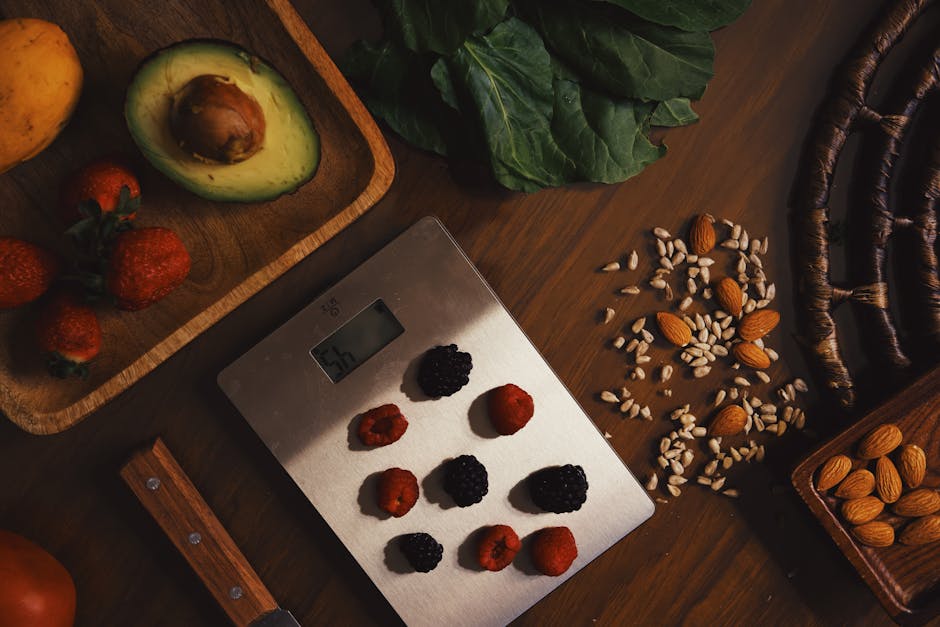
Each meal should include all three macronutrients in balanced proportions. A practical framework is the "PCOS plate method": fill half your plate with non-starchy vegetables, one quarter with lean protein (aiming for those 25-30 grams), and one quarter with complex, low-glycemic carbohydrates. Add a source of healthy fats—like avocado, nuts, or olive oil—to support hormone production and nutrient absorption.
This balanced approach has been shown to improve postprandial (after-meal) glucose responses by up to 40% compared to meals that lack this macronutrient balance. The inclusion of adequate supplements like omega-3s or vitamin D may further enhance these benefits, though food sources should remain the foundation.
Specific Foods and Nutrients That Make a Difference
While overall dietary patterns matter most, certain specific foods and nutrients have shown particular promise for managing insulin resistance in women with PCOS. Understanding these can help you make strategic choices within whatever eating pattern works best for your lifestyle.
Fiber: The Unsung Hero
Dietary fiber intake has emerged as a crucial factor in PCOS management. Research indicates that women with PCOS who consume less dietary fiber tend to have higher HOMA-IR scores (a measure of insulin resistance), elevated fasting insulin levels, and increased triglycerides. The target? Aim for at least 25-30 grams of fiber daily from whole food sources.
Particularly beneficial sources include legumes, which provide both fiber and protein, and non-starchy vegetables, which offer fiber along with essential micronutrients. Whole fruits—rather than juices—provide fiber that helps slow sugar absorption while delivering antioxidants that combat inflammation.
Omega-3 Fatty Acids: Natural Anti-Inflammatories
The anti-inflammatory properties of omega-3 fatty acids make them particularly valuable for PCOS management. Foods high in omega-3s include fatty fish like salmon, sardines, and mackerel, as well as plant-based sources like chia seeds, flax seeds, hemp seeds, and walnuts.
A clinical trial following women with PCOS found that those who consumed omega-3 rich foods daily for 12 weeks showed significant reductions in inflammatory markers, improved insulin sensitivity, and better lipid profiles. The key is consistency—these benefits accumulate over time rather than appearing immediately.
Chromium and Cinnamon: Emerging Supports
Emerging research suggests that certain nutrients and herbs may provide additional support for insulin sensitivity. Chromium supplementation has shown promise in some studies, while cinnamon (particularly Ceylon cinnamon) may help improve glucose metabolism when used regularly.
However, these should complement—not replace—a solid nutritional foundation. The most dramatic improvements in PCOS symptoms come from comprehensive dietary changes rather than relying on individual supplements or superfoods.

Putting It All Together: Your Daily Action Plan
Transforming research into daily practice requires a strategic but flexible approach. The most successful PCOS nutrition protocols are those that can be sustained long-term while accommodating real life challenges like work schedules, social events, and changing energy levels.
Week 1: Foundation Building
Start by implementing the meal timing strategy. Focus on eating every 3-4 hours, even if you're not initially hitting perfect macronutrient ratios. This alone can help stabilize blood sugar and energy levels, making subsequent changes feel more manageable.
During this first week, begin incorporating one high-fiber food and one omega-3 source into each day. This might look like adding ground flax seeds to your morning yogurt and including a handful of walnuts as an afternoon snack. Small, consistent changes build momentum without overwhelming your system.
Weeks 2-3: Macronutrient Optimization
Once meal timing feels natural, focus on hitting that 25-30g protein target at each meal. This might require some planning and preparation, but the impact on satiety and blood sugar stability makes it worthwhile. Consider preparing protein-rich recipes in batches to make daily execution easier.
Simultaneously, begin transitioning to lower-glycemic carbohydrate sources. Replace refined grains with whole grain alternatives, and experiment with legumes as both protein and carbohydrate sources. The goal is progress, not perfection—even choosing brown rice over white rice represents meaningful improvement.
Month 2: Fine-Tuning and Personalization
By the second month, you should have data on how your body responds to different foods and timing strategies. Some women with PCOS find they feel best with slightly higher protein intake, while others thrive with more complex carbohydrates. Use this information to personalize your approach.
This is also an excellent time to address the psychological aspects of eating changes. Many women with PCOS struggle with food guilt or all-or-nothing thinking. Working with a qualified practitioner who understands both the nutritional and mental health aspects of PCOS can be invaluable during this phase.
Tracking Your Success Beyond the Scale
While weight changes often accompany successful PCOS management through strategic food choices, they're not the only—or even the most important—markers of progress. Many women experience significant improvements in energy, mood, and hormonal symptoms before seeing changes in weight.
Keep track of energy levels throughout the day, noting any patterns related to meal timing or food choices. Many women with PCOS report that stable blood sugar leads to more consistent energy, reduced cravings, and better sleep quality. These improvements often appear within the first 2-3 weeks of implementing strategic nutrition changes.
Menstrual cycle changes may take longer to manifest—typically 3-6 months—but can be dramatic when they occur. Research shows that up to 60% of women with PCOS experience improved menstrual regularity when following evidence-based nutrition protocols consistently.
Consider working with healthcare providers to monitor metabolic markers like fasting insulin, glucose tolerance, and inflammatory markers. These objective measures can provide motivation during periods when subjective improvements feel slow or subtle.
Frequently Asked Questions
How quickly can I expect to see improvements in my PCOS symptoms with dietary changes?
Energy levels and blood sugar stability often improve within 2-3 weeks, while hormonal changes like menstrual regularity typically take 3-6 months. Research shows that insulin sensitivity improvements of 25-30% can occur within 8-12 weeks of consistent dietary changes.
Do I need to follow a strict low-carb diet to manage PCOS effectively?
No, strict carbohydrate restriction isn't necessary. Studies show that low-glycemic carbohydrates (GI <55) can be beneficial for PCOS management. The key is choosing complex carbs with fiber and timing them appropriately, not eliminating them entirely.
How much protein should I aim for at each meal?
Research indicates 25-30 grams of protein per meal is optimal for women with PCOS. This amount helps stabilize blood sugar, support lean muscle mass, and improve satiety without overtaxing the kidneys.
Are there specific supplements that can enhance my PCOS nutrition plan?
While whole foods should be the foundation, omega-3 supplements (1-2g daily), vitamin D (if deficient), and inositol have shown promise in research. However, these should complement, not replace, a solid nutritional foundation.
Can intermittent fasting help with PCOS and insulin resistance?
Research suggests that regular meal timing every 3-4 hours may be more beneficial for women with PCOS than extended fasting periods. Studies show better metabolic outcomes with consistent, balanced meals rather than intermittent fasting protocols.


