
TL;DR: Research shows that **PCOS nutrition management** through a moderate-carb approach (30-40% of calories) and low-glycemic index foods can reduce insulin resistance by 28% compared to high-glycemic diets. Evidence-based strategies including omega-3 fatty acids, Mediterranean diet patterns, and targeted supplementation offer more sustainable results than restrictive dieting for managing PCOS symptoms.
Understanding PCOS: Beyond the Weight Loss Myth
Polycystic Ovary Syndrome (PCOS) affects approximately 10-15% of women of reproductive age, making it one of the most common endocrine disorders. Yet despite its prevalence, **PCOS nutrition management** remains shrouded in misconceptions and oversimplified advice. The prevailing narrative often reduces treatment to "just lose weight," but emerging research reveals a far more nuanced picture.
According to recent evidence-based guidelines, weight and lifestyle management serve as first-line therapy for PCOS, but the approach matters significantly. The key lies not in restriction, but in strategic nutrition choices that address the underlying metabolic dysfunction driving PCOS symptoms.
**The modification of lifestyles, diet patterns, and proper selection of nutrients** have shown remarkable promise in managing PCOS progression. What makes this particularly encouraging is that the consequences of PCOS are largely modifiable and depend significantly on evidence-based interventions rather than willpower alone.
The Insulin Resistance Foundation: Why Calories Aren't Everything
At the heart of PCOS lies insulin resistance, affecting up to 70% of women with the condition. This metabolic dysfunction explains why traditional calorie-counting approaches often fail for women with **PCOS nutrition** challenges. When cells become resistant to insulin, the body compensates by producing more insulin, creating a cascade of hormonal disruptions.
A groundbreaking 2025 meta-analysis of five studies demonstrated that **a low-glycemic index (LGI) diet significantly reduced HOMA-IR in women with PCOS** compared with a high-glycemic index diet, with a standardized mean difference of -0.28 (95% CI: -0.55 to -0.02, P = 0.04). This 28% improvement in insulin sensitivity represents a clinically meaningful change that can translate into reduced symptoms.
The practical implication? **PCOS weight loss** success depends more on addressing insulin resistance than simply creating a caloric deficit. This explains why some women can follow identical meal plans with vastly different outcomes – their underlying metabolic flexibility varies significantly.
The Moderate-Carb Revolution
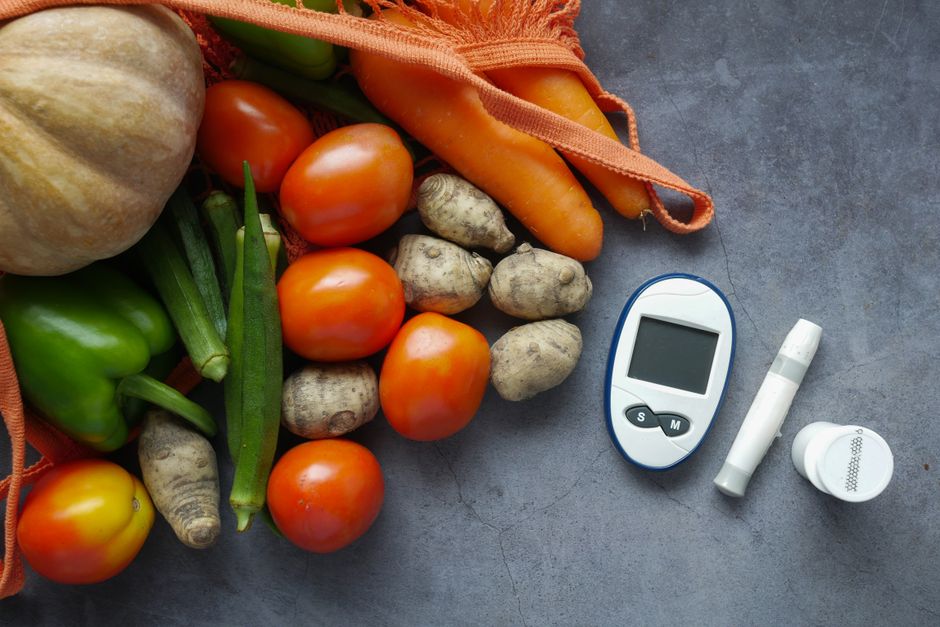
Contrary to extreme low-carb trends, research supports a more balanced approach. **A moderate-carb approach (30-40% calories) proves more sustainable than extreme restriction** while still providing metabolic benefits. This strategy allows for adequate fiber intake, supports thyroid function, and maintains the psychological sustainability crucial for long-term success.

Evidence-Based Dietary Strategies That Actually Work
The landscape of **PCOS nutrition management** has evolved dramatically as researchers identify specific dietary patterns that target the condition's underlying mechanisms. Let's examine the strategies with the strongest scientific backing.
Mediterranean Diet: The Gold Standard
Johns Hopkins Medicine emphasizes that substituting whole, unprocessed options for inflammatory items can set the stage for better long-term health, particularly through Mediterranean diet principles. This approach consistently shows benefits across multiple PCOS parameters, including improved insulin sensitivity, reduced inflammation, and better lipid profiles.
A recent systematic review found negative correlations between the degree of adherence to the Mediterranean diet and clinical severity of PCOS symptoms. Women with higher adherence scores showed measurably better outcomes across metabolic markers.
Low-Glycemic Index Foods: The 28% Solution
The power of **low-glycemic index foods** extends beyond blood sugar control. These foods help break the insulin-resistance cycle that drives many PCOS symptoms. Practical low-GI swaps include:
- Steel-cut oats instead of instant oatmeal (GI: 42 vs. 79)
- Quinoa instead of white rice (GI: 53 vs. 89)
- Sweet potatoes instead of regular potatoes (GI: 54 vs. 85)
- Greek yogurt with berries instead of flavored yogurt (GI: 11 vs. 33)
Anti-Inflammatory Nutrition Protocols
Chronic low-grade inflammation characterizes PCOS, making **anti-inflammatory diets** a cornerstone of management. Evidence from various randomized controlled trials suggests that dietary interventions including **high-fiber, omega-3-rich, and antioxidant-dense foods** significantly improve PCOS outcomes.
| Food Category | Daily Target | Key Compounds | PCOS Benefits |
|---|---|---|---|
| Fatty Fish | 2 servings/week | Omega-3 EPA/DHA | Improved insulin sensitivity, reduced inflammation |
| Leafy Greens | 2-3 cups daily | Folate, magnesium, antioxidants | Enhanced metabolic function, hormone balance |
| Berries | 1 cup daily | Anthocyanins, fiber | Blood sugar regulation, antioxidant protection |
| Nuts/Seeds | 1 oz (28g) daily | Healthy fats, protein, fiber | Satiety, stable blood sugar, hormone production |
| Legumes | 1/2 cup, 3x/week | Protein, fiber, complex carbs | Improved insulin response, sustained energy |
The Omega-3 Advantage: Specific Dosing for PCOS
**Omega-3 fatty acids have been shown to support a healthier lipid profile and improve fasting blood glucose** in women with PCOS. But the devil lies in the details – not all omega-3 sources provide equal benefits, and dosing matters significantly.
Research indicates that incorporating fish two times per week helps with managing PCOS, but supplementation may be necessary to reach therapeutic levels. Studies showing benefit typically use 1-3 grams of combined EPA and DHA daily. For context, a 3.5-ounce serving of salmon provides approximately 1.8 grams of omega-3s.
Food sources ranked by omega-3 content (per 3.5 oz serving):
- Atlantic mackerel: 2.6g
- Wild salmon: 1.8g
- Sardines: 1.5g
- Anchovies: 1.4g
- Herring: 1.2g
For vegetarian sources, focus on ground flaxseeds (1 tablespoon = 1.6g ALA), chia seeds (1 tablespoon = 1.9g ALA), and walnuts (1 oz = 2.6g ALA). Note that ALA conversion to EPA/DHA is limited (5-10%), making direct sources more efficient for therapeutic purposes.

Targeted Supplementation: Beyond Basic Multivitamins
While food-first approaches form the foundation, **targeted nutritional supplementation** can address specific deficiencies common in PCOS. A comprehensive 2024 umbrella meta-analysis evaluated the efficacy of various supplements, providing clear guidance on what works.
**Some women with PCOS can benefit from inositol, vitamin D, omega-3s, or magnesium**, but timing and dosing require precision. The evidence-based approach includes:
Inositol: The Insulin Sensitizer
Myo-inositol, often called "nature's metformin," shows remarkable promise. Studies typically use 2-4 grams daily, split into two doses with meals. Research demonstrates improvements in insulin sensitivity comparable to pharmaceutical interventions, but with significantly fewer side effects.
Vitamin D: The Hormone Regulator
Up to 85% of women with PCOS are vitamin D deficient, and this deficiency correlates with insulin resistance severity. Target levels should reach 30-50 ng/mL (75-125 nmol/L), often requiring 2,000-4,000 IU daily depending on baseline status.
Magnesium: The Metabolic Cofactor
Magnesium deficiency affects up to 19% of women with PCOS, compared to 2% in the general population. This mineral serves as a cofactor in over 300 enzymatic reactions, including those involved in glucose metabolism. Supplementation with 200-400mg daily shows benefits for insulin sensitivity and inflammation markers.

Meal Timing and Intermittent Fasting: The Circadian Connection
**Intermittent fasting** has gained attention as a potential tool for PCOS management, but the research reveals important nuances. The approach must be carefully tailored to avoid exacerbating cortisol dysfunction common in PCOS.
A 16:8 intermittent fasting protocol (eating within an 8-hour window) shows promise when combined with adequate protein intake and proper meal composition. However, women with PCOS often do better with a modified approach:
- 12-14 hour overnight fast (rather than 16 hours)
- Protein-rich breakfast within 1-2 hours of waking
- Balanced meals every 4-5 hours during eating window
- Last meal 3-4 hours before bedtime
This approach supports circadian rhythm regulation while avoiding the stress response that can worsen insulin resistance in some women with PCOS.
Practical Implementation: Your 30-Day PCOS Nutrition Reset
Translating research into daily practice requires a systematic approach. Based on the evidence reviewed, here's a practical framework you can implement starting today:
Week 1-2: Foundation Building
- Replace refined grains with low-GI alternatives (quinoa, steel-cut oats, brown rice)
- Add 1 tablespoon ground flaxseed to daily smoothie or yogurt
- Include leafy greens at lunch and dinner
- Plan 2 fatty fish meals per week
Week 3-4: Optimization
- Fine-tune portion sizes based on hunger and energy levels
- Experiment with meal timing to optimize blood sugar stability
- Consider targeted supplements based on laboratory testing
- Integrate stress management techniques that support mental health
Sample Day: Evidence-Based PCOS Meal Plan
Breakfast (7:00 AM): Steel-cut oats with ground flaxseed, berries, and Greek yogurt
Lunch (12:00 PM): Quinoa salad with leafy greens, chickpeas, avocado, and olive oil dressing
Snack (3:00 PM): Handful of walnuts with an apple
Dinner (6:30 PM): Baked salmon with roasted sweet potato and steamed broccoli
This framework provides approximately 35% carbohydrates, 25% protein, and 40% healthy fats – aligning with research showing optimal macronutrient distribution for **PCOS management**.
Monitoring Progress: Beyond the Scale
Traditional weight-focused metrics often fail to capture the meaningful improvements possible with **PCOS nutrition management**. More relevant markers include:
- Fasting glucose and insulin levels
- HOMA-IR score (insulin resistance index)
- Inflammatory markers (hs-CRP)
- Menstrual cycle regularity
- Energy stability throughout the day
- Sleep quality and mood
Many women notice improvements in energy and mood within 2-3 weeks, while metabolic markers typically show changes within 6-12 weeks of consistent implementation.
Frequently Asked Questions
How quickly can I expect to see improvements in PCOS symptoms with dietary changes?
Most women notice energy and mood improvements within 2-3 weeks of implementing evidence-based nutrition strategies. Metabolic markers like insulin sensitivity typically improve within 6-12 weeks, while menstrual regularity may take 3-6 months to normalize. The key is consistency with anti-inflammatory, low-glycemic foods rather than expecting overnight changes.
Is a ketogenic diet recommended for PCOS management?
While some women with PCOS benefit from very low-carb approaches, research suggests a moderate-carb approach (30-40% of calories) is more sustainable long-term. Ketogenic diets can be effective short-term but may stress the adrenal system in some women with PCOS. A Mediterranean-style, low-glycemic approach typically provides better long-term outcomes.
What's the most important supplement for PCOS?
Vitamin D stands out as the most universally beneficial supplement, since up to 85% of women with PCOS are deficient. Target levels of 30-50 ng/mL often require 2,000-4,000 IU daily. Inositol


