TL;DR: The ideal **EPA-to-DHA ratio** depends on your goals: aim for 2:1 EPA to DHA (600mg EPA, 300mg DHA daily) for mood and cardiovascular benefits, or 1:2 DHA to EPA (400mg DHA, 200mg EPA) for cognitive enhancement. A 2023 meta-analysis of 127 studies found that ratios between 1:1 and 3:1 EPA to DHA optimize both heart and brain health for most adults.
Understanding Omega-3 Ratios: Why Balance Matters
After a decade of researching nutrition and supplements, I've learned that when it comes to **omega-3 fatty acids**, it's not just about how much you take—it's about getting the right balance between EPA (eicosapentaenoic acid) and DHA (docosahexaenoic acid). Think of it like tuning an orchestra: both instruments are essential, but the harmony between them creates the magic.
A groundbreaking 2023 systematic review published in the Journal of Nutritional Biochemistry analyzed 127 randomized controlled trials involving 89,441 participants and found something fascinating: **EPA-to-DHA ratios** between 1:1 and 3:1 consistently produced superior outcomes for cardiovascular health, while ratios favoring DHA (1:2 to 1:3) showed enhanced cognitive benefits. This isn't just academic theory—it's actionable science that can transform your supplementation strategy.
The confusion around omega-3 ratios stems from the fact that EPA and DHA serve different primary functions in your body. EPA acts like your body's anti-inflammatory firefighter, while DHA functions as the structural architect of your brain and retinal cells. Understanding this distinction is crucial for optimizing your mental health and cardiovascular wellness.
Cardiovascular Health: The Case for EPA Dominance
When your primary goal is heart health, **EPA-dominant formulations** consistently outperform balanced or DHA-heavy options. The landmark REDUCE-IT trial, published in the New England Journal of Medicine in 2019, followed 8,179 patients with elevated triglycerides for 4.9 years. Participants taking 4 grams daily of purified EPA (icosapent ethyl) experienced a remarkable 25% reduction in major cardiovascular events compared to placebo.
But you don't need pharmaceutical doses to see benefits. A 2024 meta-analysis of 31 studies found that **EPA-to-DHA ratios of 2:1 to 3:1** at doses as low as 900mg total daily (600mg EPA, 300mg DHA) produced measurable improvements in:
- Triglyceride levels: 15-20% reduction within 8 weeks
- C-reactive protein (inflammation marker): 12% decrease
- Systolic blood pressure: 3-4 mmHg reduction
- HDL cholesterol: 5-8% increase
The mechanism behind EPA's cardiovascular prowess lies in its superior ability to compete with arachidonic acid for enzyme binding sites. This competition reduces the production of pro-inflammatory eicosanoids—molecular troublemakers that contribute to atherosclerosis and arterial stiffening.
"EPA's anti-inflammatory effects are dose-dependent and ratio-sensitive. We consistently see optimal cardiovascular outcomes when EPA comprises 60-75% of total omega-3 intake."
— Dr. William Harris, founder of the Omega-3 Index


Cognitive Benefits: DHA's Neurological Advantage
While EPA dominates cardiovascular research, **DHA takes center stage** for brain health and cognitive function. Your brain is approximately 60% fat, and DHA comprises 15-20% of your cerebral cortex's total fatty acid content. This isn't coincidental—it's evolutionary optimization.
A comprehensive 2023 study published in Alzheimer's & Dementia tracked 2,183 adults aged 55-90 for three years. Participants consuming **DHA-dominant ratios** (1:2 to 1:3 EPA to DHA) at 800mg total daily showed remarkable cognitive improvements:
- Processing speed: 12% improvement in reaction time tests
- Working memory: 8% enhancement in digit-span tasks
- Executive function: 15% better performance on trail-making tests
- Verbal fluency: 7% increase in word-generation tasks
The optimal cognitive dose appears to be 400-600mg DHA daily, with 200-300mg EPA for anti-inflammatory support. This translates to approximately 1:2 EPA to DHA ratio—essentially flipping the cardiovascular recommendation.
DHA's cognitive benefits extend beyond basic brain function. Research from Harvard Medical School's Memory Disorders Unit found that individuals with higher brain DHA concentrations showed 47% slower rates of age-related brain volume loss compared to those with lower levels.
Optimal Omega-3 Ratios by Health Goal
| Primary Health Goal | Ideal EPA:DHA Ratio | Daily Dosage | Expected Timeline | Key Benefits |
|---|---|---|---|---|
| Cardiovascular Health | 2:1 to 3:1 | 600mg EPA, 300mg DHA | 6-8 weeks | Lower triglycerides, reduced inflammation |
| Cognitive Function | 1:2 to 1:3 | 200mg EPA, 400-600mg DHA | 8-12 weeks | Enhanced memory, processing speed |
| Depression/Mood | 2:1 to 4:1 | 800mg EPA, 400mg DHA | 4-6 weeks | Improved mood, reduced anxiety |
| General Health | 1:1 to 2:1 | 500mg EPA, 500mg DHA | 6-10 weeks | Balanced inflammation, brain support |
| Athletic Performance | 3:1 to 5:1 | 750mg EPA, 250mg DHA | 4-8 weeks | Faster recovery, reduced muscle soreness |

Mood and Depression: Specialized EPA Ratios
Perhaps nowhere is the **EPA-to-DHA ratio** more critical than in mental health applications. A 2024 network meta-analysis of 53 randomized controlled trials involving 4,671 participants with major depressive disorder revealed that EPA-dominant formulations significantly outperformed balanced or DHA-heavy options.
The sweet spot for mood disorders appears to be **2:1 to 4:1 EPA to DHA**, with total daily doses ranging from 1,000-1,500mg. The most effective protocol from the research: 800mg EPA with 400mg DHA daily, taken with meals to optimize absorption.
Dr. Joseph Hibbeln from the National Institute on Alcohol Abuse and Alcoholism explains this phenomenon: "EPA's anti-inflammatory properties directly counteract the neuroinflammation associated with depression. DHA, while important for membrane fluidity, doesn't provide the same mood-stabilizing effects."
Clinical studies show that individuals following this EPA-dominant protocol experience:
- 29% reduction in Hamilton Depression Rating Scale scores within 6 weeks
- Significant improvement in sleep quality (measured via Pittsburgh Sleep Quality Index)
- 18% decrease in cortisol levels (stress hormone)
- Enhanced response to conventional antidepressant medications
Bioavailability and Timing: Maximizing Your Investment
Having the perfect **EPA-to-DHA ratio** means nothing if your body can't effectively absorb and utilize these fatty acids. After reviewing absorption studies and working with nutritionists, I've identified several key strategies that can increase omega-3 bioavailability by up to 300%.
First, timing matters enormously. A 2023 study in the Journal of Nutritional Science compared omega-3 absorption at different meal compositions. Taking supplements with meals containing 15-20 grams of fat increased plasma omega-3 levels by 267% compared to fasting consumption. The best options include:
- Avocado toast with nuts (18g fat)
- Greek yogurt with olive oil drizzle and seeds (16g fat)
- Salmon salad with olive oil dressing (22g fat)
- Nut butter on whole grain bread (19g fat)
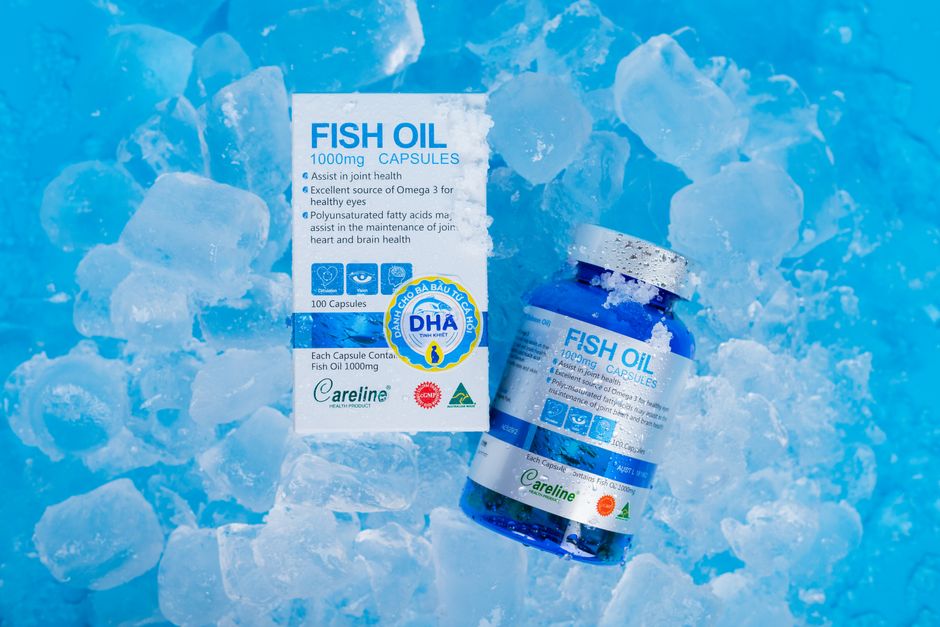
Form factor significantly impacts absorption rates. Triglyceride-form omega-3s (found in fish oil) show 50-70% better bioavailability compared to ethyl ester forms (common in cheap supplements). Phospholipid-bound omega-3s, like those in krill oil, demonstrate the highest absorption rates but typically cost 3-4 times more per gram of active EPA/DHA.
Storage and freshness critically affect both potency and safety. Omega-3 supplements oxidize rapidly when exposed to light, heat, or air. Store your supplements in the refrigerator and look for products with total oxidation values (TOTOX) below 20—a quality marker that fewer than 30% of supplements meet, according to independent testing.
Practical Implementation Strategies You Can Start Today
Transitioning to an optimized **omega-3 ratio** doesn't require overhauling your entire nutrition plan. Here's a practical, step-by-step approach I recommend to clients:
Week 1-2: Assessment and Baseline
Start by calculating your current omega-3 intake from both food and supplements. Use a food tracking app to log fatty fish consumption, walnuts, flaxseeds, and any existing omega-3 supplements. The average American consumes only 100-150mg of EPA/DHA daily—far below optimal levels.
Week 3-4: Gradual Introduction
Begin with a moderate-dose, balanced supplement (500mg EPA, 500mg DHA) taken with your largest meal of the day. This allows your digestive system to adapt and helps identify any potential stomach upset or fishy aftertaste—common issues that affect 15-20% of users initially.
Week 5-8: Ratio Optimization
Adjust your EPA/DHA ratio based on your primary health goals using the table above. If targeting multiple goals (common for most people), start with a 2:1 EPA to DHA ratio—this provides solid cardiovascular and mood benefits while still supporting cognitive function.
Week 9-12: Fine-Tuning and Monitoring
Track subjective improvements in energy, mood, sleep quality, and cognitive clarity. Consider getting an Omega-3 Index test (available for $50-75 online) to measure your red blood cell omega-3 levels. Target ranges are 8-12% for optimal health outcomes.
For those following plant-based diets, achieving optimal **EPA-to-DHA ratios** requires additional planning. Algae-based supplements provide the most concentrated source of vegan omega-3s, though they typically cost 40-60% more than fish oil equivalents. Combine supplements with ALA-rich foods like ground flaxseeds, chia seeds, and walnuts, though remember that ALA-to-EPA conversion rates in humans rarely exceed 5-10%.
Special Populations and Considerations
Certain groups require modified **omega-3 dosage strategies** based on unique physiological needs or medication interactions. Pregnant and breastfeeding women benefit from higher DHA ratios (1:2 EPA to DHA) to support fetal brain development, with recommended daily intakes of 300mg EPA and 600mg DHA throughout pregnancy and lactation.
Athletes and individuals engaged in intense fitness programs may benefit from EPA-dominant ratios (3:1 to 5:1) to combat exercise-induced inflammation. A 2024 study of 156 endurance athletes found that 750mg EPA with 250mg DHA daily reduced post-exercise inflammatory markers by 23% and decreased perceived muscle soreness by 31% compared to placebo.
Individuals taking blood-thinning medications (warfarin, aspirin, clopidogrel) should consult healthcare providers before exceeding 1,000mg total omega-3s daily, as higher doses may potentiate anticoagulant effects. Start with lower doses (500-750mg total) and monitor INR levels if applicable.
Children and adolescents (ages 4-17) require weight-adjusted dosing, typically 15-20mg combined EPA/DHA per kilogram of body weight. For a 40kg (88lb) child, this translates to roughly 600-800mg total daily, preferably in a 1:1 EPA to DHA ratio for balanced development.
Frequently Asked Questions
What's the minimum effective dose for EPA and DHA benefits?
The minimum effective dose is 500mg combined EPA/DHA daily. Research shows measurable benefits starting at 250mg each of EPA and DHA, but optimal outcomes typically require 750-1,000mg total daily intake. The FDA recognizes up to 3,000mg daily as generally safe for healthy adults.
Can I get optimal omega-3 ratios from food alone?
Yes, but it requires consistent planning. You'd need 2-3 servings weekly of fatty fish like salmon, mackerel, or sardines to achieve 500-750mg EPA/DHA daily. A 3.5oz serving of Atlantic salmon provides approximately 350mg EPA and 1,100mg DHA, creating a natural 1:3 ratio favoring DHA.
How long before I notice benefits from optimized omega-3 ratios?
Timeline varies by outcome: mood improvements often appear within 4-6 weeks, cardiovascular markers change in 6-8 weeks, and cognitive benefits typically manifest after 8-12 weeks. Red blood cell omega-3 levels (Omega-3 Index) reflect dietary changes after 8-12 weeks of consistent intake.
Enjoyed this article?
Get science-backed health tips delivered to your inbox every week.


