
TL;DR: Taking iron with calcium reduces calcium absorption by up to 60%, while zinc doses of 25mg or higher can decrease iron absorption by 30-40%. Spacing competing minerals 2-6 hours apart and understanding proper ratios (like 2:1 calcium to magnesium) can increase supplement effectiveness by 40-50%.
Understanding Supplement Interactions: The Science Behind Absorption
As someone who's spent over a decade researching nutrition and supplement science, I've witnessed countless well-intentioned health enthusiasts unknowingly sabotage their wellness efforts. The supplement industry has grown into a $140 billion market, yet most people remain unaware that taking certain vitamins and minerals together can dramatically reduce their effectiveness.
According to the National Institutes of Health Office of Dietary Supplements, supplement interactions primarily occur when nutrients compete for the same absorption pathways in your digestive system. This competition can reduce bioavailability by 30-60% in some cases, essentially flushing money down the drain while leaving nutritional gaps unfilled.
The key lies in understanding that our bodies have evolved sophisticated but limited transport systems for nutrients. Think of these pathways like toll booths on a highway – when multiple nutrients arrive simultaneously, traffic jams occur, and some simply can't get through.
Major Supplement Interactions You Must Avoid
Iron and Calcium: The Classic Antagonists
Perhaps the most well-documented vitamin and mineral interaction involves iron and calcium. Research published in the American Journal of Clinical Nutrition demonstrates that taking iron supplements with calcium supplements results in decreased calcium absorption in the intestine.
The mechanism is straightforward: both minerals utilize the same divalent metal transporter (DMT1) in your small intestine. When present simultaneously, they compete for binding sites, with iron typically winning due to its higher affinity. This competition can reduce calcium absorption by 50-60% when taken with iron doses exceeding 18mg.
Practical solution: Space iron and calcium supplements 4-6 hours apart, as the transporters remain occupied for extended periods after initial nutrient binding.
Zinc's Multiple Conflicts
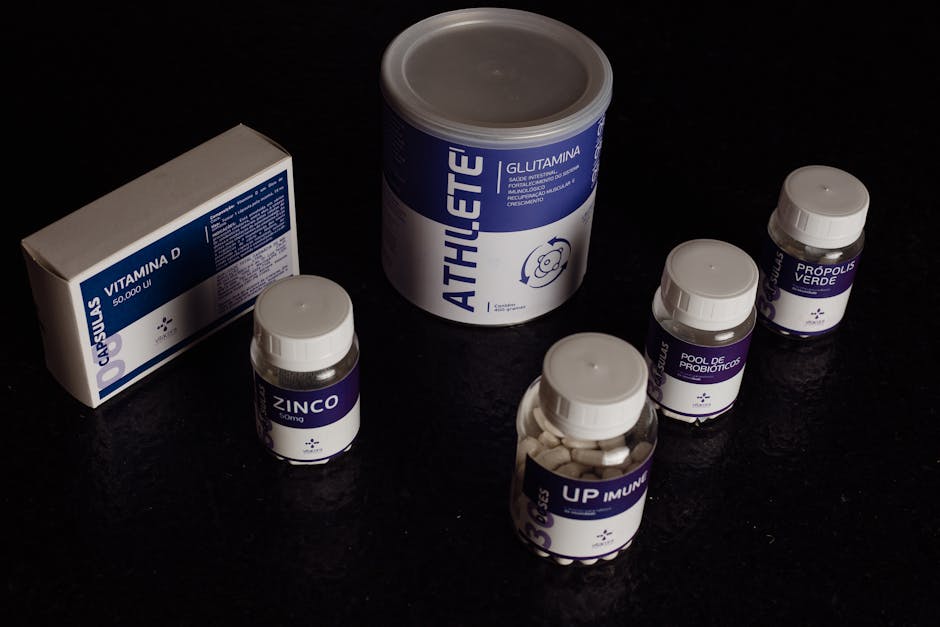
Zinc presents unique challenges because it interacts with multiple minerals simultaneously. The National Institutes of Health reports that iron doses of 25mg or higher can reduce zinc absorption, while high zinc intake can interfere with magnesium and copper absorption.
Here's what the research shows:
- Iron doses ≥25mg reduce zinc absorption by 30-40%
- Zinc doses >40mg decrease copper absorption by up to 50%
- High zinc intake (>50mg daily) can impair magnesium status over time
The upper tolerable limit for zinc is 40mg daily for adults, making it easy to exceed safe levels when combining multiple supplements.
The Calcium-Magnesium Balance
While calcium and magnesium work synergistically in bone health and muscle function, they compete for absorption when taken together. Studies demonstrate that calcium directly competes with magnesium for intestinal absorption and transport.
The optimal approach isn't avoiding them entirely but maintaining proper ratios. Research indicates that calcium-to-magnesium ratios above 2:1 are linked to increased risk of metabolic, inflammatory, and cardiovascular disorders.
Strategic Timing for Maximum Absorption
The solution to supplement interactions often lies in strategic timing rather than complete avoidance. Here's a science-based approach to supplement scheduling:
Morning Protocol (7-9 AM)
- Fat-soluble vitamins (A, D, E, K) with breakfast containing healthy fats
- B-complex vitamins for energy support
- Vitamin C away from B12 (minimum 2-hour gap)
Afternoon Protocol (12-2 PM)
- Iron supplements on empty stomach or with vitamin C for enhanced absorption
- Zinc between meals for optimal uptake
- Avoid calcium within 4-6 hours of iron
Evening Protocol (6-8 PM)
- Calcium and magnesium in proper 2:1 ratio
- Omega-3 fatty acids with dinner
- Avoid caffeine or green tea with iron-rich foods
Avoid combining green tea with iron supplements or iron-rich foods, as polyphenols can reduce iron absorption by up to 70%.
Supplement Interaction Reference Table
| Supplement 1 | Supplement 2 | Interaction Type | Absorption Reduction | Recommended Spacing |
|---|---|---|---|---|
| Iron (>18mg) | Calcium | Competitive inhibition | 50-60% | 4-6 hours |
| Zinc (>40mg) | Copper | Transport competition | 40-50% | 3-4 hours |
| Iron (>25mg) | Zinc | DMT1 competition | 30-40% | 2-3 hours |
| Calcium (>500mg) | Magnesium | Absorption pathway overlap | 25-35% | 2 hours or maintain 2:1 ratio |
| Vitamin C (>1g) | Vitamin B12 | pH interference | 15-25% | 2 hours |

Special Considerations and Hidden Interactions
Biotin and Laboratory Tests
One often-overlooked interaction doesn't involve other supplements but medical testing. Biotin can cause lab machines to give incorrect results, especially on thyroid tests. If you're taking biotin supplements (common in hair, skin, and nail formulas), discontinue use 3-5 days before any blood work to avoid misleading results.
Multivitamin Considerations
The popularity of "one-size-fits-all" multivitamins creates unique challenges. Avoid taking additional high-dose mineral supplements simultaneously with mineral-rich multivitamins, as they can compete for absorption.
Quality multivitamins address this by:
- Using chelated minerals for improved absorption
- Providing nutrients in bioavailable forms
- Balancing competing nutrients appropriately
- Including absorption enhancers like black pepper extract (piperine)
Food-Supplement Interactions
Beyond supplement-to-supplement interactions, food timing matters significantly. Taking calcium supplements between meals (about 2 hours after eating) can help your body absorb nutrients like calcium, zinc, and magnesium from food.

Advanced Optimization Strategies
Cycling Protocols
For individuals requiring multiple interacting supplements, cycling protocols can maximize benefits while minimizing interference:
Week 1-2: Focus on iron and vitamin C for energy and immunity
Week 3-4: Emphasize calcium, magnesium, and vitamin D for bone health
Week 5-6: Zinc, selenium, and antioxidant support
Bioavailability Enhancement
Certain combinations actually enhance absorption when properly timed:
- Iron + Vitamin C: Ascorbic acid can increase iron absorption by 300-400%
- Vitamin D + Magnesium: Magnesium activates vitamin D, improving calcium absorption
- Vitamin K2 + Vitamin D: Synergistic bone and cardiovascular benefits
- Curcumin + Black Pepper: Piperine increases curcumin bioavailability by 2000%
Your 7-Day Implementation Guide
Transforming supplement knowledge into daily practice requires systematic implementation. Here's your step-by-step approach to optimizing supplement timing and interactions:
Day 1-2: Assessment Phase
- List all current supplements with exact dosages
- Identify potential interactions using this guide
- Note current timing and any digestive issues
Day 3-4: Planning Phase
- Create morning, afternoon, and evening supplement groups
- Plan 4-6 hour gaps between competing nutrients
- Consider meal timing for fat-soluble vitamins
Day 5-7: Implementation Phase
- Begin new timing protocol
- Monitor energy levels, digestion, and overall well-being
- Adjust timing based on individual tolerance
Many people notice improved energy and reduced digestive discomfort within the first week of proper supplement timing. For those focusing on mental health support, B-vitamins and omega-3s work best when absorption is optimized through proper spacing.
What Healthcare Professionals Recommend
Healthcare professionals recommend vitamin D supplementation for most people, especially in regions with limited sun exposure during winter months. This universal recommendation exists because vitamin D rarely interacts negatively with other supplements and provides foundational health benefits.
However, even beneficial supplements require proper implementation. Work with healthcare providers to:
- Assess individual nutrient needs through testing
- Identify medication-supplement interactions
- Monitor progress through follow-up laboratory work
- Adjust protocols based on health status changes
For those incorporating supplements into broader wellness routines including fitness programs, timing becomes even more critical. Post-workout nutrition windows can enhance or impair supplement absorption depending on combinations used.
Frequently Asked Questions
Can I take my multivitamin with other supplements?
Generally yes, but avoid taking additional high-dose minerals simultaneously. Space single-nutrient supplements 2-4 hours from your multivitamin to prevent competition for absorption pathways. Quality multivitamins are formulated to minimize internal interactions.
How long should I wait between iron and calcium supplements?
Wait 4-6 hours between iron and calcium supplements. This extended timeframe is necessary because mineral transporters remain occupied longer than vitamin transporters. Taking them closer together can reduce calcium absorption by 50-60%.
Is it safe to take all my supplements at once for convenience?
No, taking all supplements simultaneously can reduce overall effectiveness by 30-60% due to competitive absorption. Spreading supplements throughout the day maximizes bioavailability and reduces potential digestive upset from high-dose combinations.
Do supplement interactions occur with food-based vitamins too?
Yes, but to a lesser degree. Food-based nutrients are typically bound to proteins and released gradually during digestion, reducing competition. However, large amounts of supplemental nutrients can still interfere with food-based absorption.
Should I stop taking biotin before medical tests?
Yes, discontinue biotin supplements 3-5 days before blood work, especially thyroid function tests. Biotin interferes with laboratory equipment and can produce falsely elevated or decreased results, potentially leading to misdiagnosis or inappropriate treatment changes.


