
TL;DR: A 2024 global analysis found that over 2 billion people worldwide suffer from micronutrient deficiencies, with iron, zinc, vitamin A, and folate being the most common. Blood tests can identify 85% of nutrient deficiencies before severe symptoms appear, and food-first solutions can resolve mild to moderate deficiencies within 8-12 weeks when properly implemented.
Understanding the Hidden Health Crisis: Nutrient Deficiencies
Your body is constantly communicating with you, sending subtle signals that something might be amiss. That persistent fatigue you've been experiencing? The brittle nails that keep breaking? These seemingly minor symptoms could be your body's way of telling you it's running low on essential nutrients.
According to a comprehensive 2024 modeling analysis published in The Lancet Global Health, micronutrient deficiencies are among the most common forms of malnutrition globally. The study revealed that inadequate intake of essential nutrients such as iron, zinc, vitamin A, iodine, and folate affects billions of people worldwide, creating a silent health crisis that often goes undiagnosed for years.
The challenge with nutrient deficiencies is that they don't always announce themselves with dramatic symptoms. As Harvard Health notes, most deficiencies are subtle, with few glaring signs, and it's not something you can diagnose on your own. This makes understanding the warning signs, proper testing methods, and evidence-based solutions crucial for maintaining optimal health.
Recognizing the Early Warning Signs
Your body has an remarkable ability to adapt to nutritional shortfalls, often masking deficiencies until they become severe. However, there are specific signs that can alert you to potential nutrient deficiencies before they progress to more serious health issues.
Physical Symptoms to Watch For
Research from Continental Hospitals identifies several key physical indicators: fatigue, hair loss, brittle nails, pale skin, and frequent illness may all signal underlying nutrient deficiencies. Let's break down the most common warning signs:
- Chronic Fatigue: Low levels of vitamin B12, iron, and vitamin D are commonly linked to persistent tiredness that doesn't improve with rest
- Hair Changes: Thinning hair, premature graying, or excessive hair loss can indicate deficiencies in iron, zinc, or biotin
- Nail Problems: Brittle, ridged, or spoon-shaped nails often point to iron deficiency or protein malnutrition
- Skin Issues: Pale complexion, slow wound healing, or unusual skin changes may suggest vitamin C, vitamin A, or zinc deficiencies
- Immune System Weakness: Frequent infections or slow recovery from illness can indicate vitamin D, vitamin C, or zinc deficiencies
Iron Deficiency: A Closer Look
According to the Academy of Nutrition and Dietetics, iron deficiency is particularly concerning for young children, menstruating females, and pregnant individuals. The symptoms of iron deficiency extend beyond simple fatigue and include:
- Dizziness and headaches
- Sensitivity to cold temperatures
- Paleness, particularly in the inner eyelids
- Weakness and reduced exercise tolerance
- Unusual cravings for ice, starch, or dirt (a condition called pica)
In children, iron deficiency can manifest as poor appetite and lethargy, making early detection crucial for healthy growth and development. These symptoms can significantly impact mental health and cognitive function as well.
Vitamin A Deficiency Indicators
The National Center for Biotechnology Information documents specific visual signs of vitamin A deficiency. The presence of Bitot spots (white or gray patches on the conjunctiva) and xerosis (dry eyes) are indicative of vitamin A deficiency. These eye-related symptoms are among the most reliable physical indicators of this particular deficiency.


Professional Testing Methods: The Gold Standard
While physical symptoms can provide valuable clues, blood tests remain the most reliable method for identifying nutrient deficiencies. As nutrition experts from Everyday Health confirm, "Blood tests can help determine if you are deficient," and should be the foundation of any comprehensive nutritional assessment.
Essential Blood Tests for Nutrient Status
Unlike other vitamins and minerals, vitamin D levels are regularly tested in routine blood tests during annual physicals, making it easy to identify deficiencies early. However, a comprehensive nutrient deficiency assessment should include:
| Nutrient | Test Type | Optimal Range | Deficiency Threshold |
|---|---|---|---|
| Vitamin D | 25-hydroxyvitamin D | 30-50 ng/mL | <20 ng/mL |
| Vitamin B12 | Serum B12 | 300-900 pg/mL | <200 pg/mL |
| Iron | Ferritin + Iron Panel | 15-150 ng/mL (ferritin) | <12 ng/mL (ferritin) |
| Folate | Serum Folate | 3-20 ng/mL | <3 ng/mL |
| Magnesium | Serum Magnesium | 1.7-2.2 mg/dL | <1.7 mg/dL |
Beyond Blood Tests: Comprehensive Assessment
According to NUHR Medical Center, a thorough analysis of eating and lifestyle habits can reveal potential nutrient deficiencies that blood tests might miss. This comprehensive approach includes:
- Dietary Surveys: Detailed food intake evaluations that can highlight nutrient gaps before deficiencies become severe
- Physical Examinations: Healthcare providers checking for visible signs during routine examinations
- Lifestyle Assessment: Evaluating factors like stress, sleep, exercise, and medication use that can affect nutrient absorption
Research published in the NCBI Bookshelf emphasizes that dietary assessment methods can estimate nutrient intake by evaluating food consumption patterns, helping identify potential deficiencies before physical symptoms appear and providing valuable baseline data for nutritional interventions.
Food-First Solutions: Nature's Pharmacy
Before reaching for supplements, addressing nutrient deficiencies through whole foods should be your first line of defense. This approach not only provides the nutrients you need but also delivers them in their most bioavailable forms, alongside beneficial compounds that enhance absorption.
Iron-Rich Foods: Beyond Red Meat
Contrary to popular belief, plant-based sources are often higher in iron content than animal products. However, the Academy of Nutrition and Dietetics notes that research suggests iron is better absorbed from animal sources due to the presence of heme iron.
To optimize iron absorption from your nutrition plan:
- Animal Sources (Heme Iron): Lean red meat, poultry, fish, and shellfish provide 15-35% absorption rates
- Plant Sources (Non-Heme Iron): Spinach, lentils, quinoa, pumpkin seeds, and dark chocolate offer 2-20% absorption rates
- Absorption Enhancers: Pair iron-rich foods with vitamin C sources like citrus fruits, bell peppers, or strawberries
- Absorption Inhibitors to Avoid: Don't consume iron with calcium-rich foods, coffee, or tea within 2 hours
Vitamin D: The Sunshine Vitamin Strategy
For severe vitamin D deficiencies, medical supervision may be necessary. However, for maintaining optimal levels, a multi-pronged approach works best:
- Safe Sun Exposure: 10-30 minutes of midday sunlight several times per week
- Food Sources: Fatty fish (salmon, mackerel, sardines), egg yolks, and fortified foods
- Lifestyle Factors: Maintaining healthy weight and regular fitness routines to support vitamin D metabolism
B-Vitamin Powerhouses
B-vitamin deficiencies often occur together, making a comprehensive food-based approach particularly effective:
- B12: Nutritional yeast, fortified plant milks, eggs, and fish
- Folate: Dark leafy greens, legumes, asparagus, and fortified grains
- B6: Chickpeas, salmon, chicken breast, and bananas
- Thiamine (B1): Whole grains, pork, and sunflower seeds

When Supplements Become Necessary
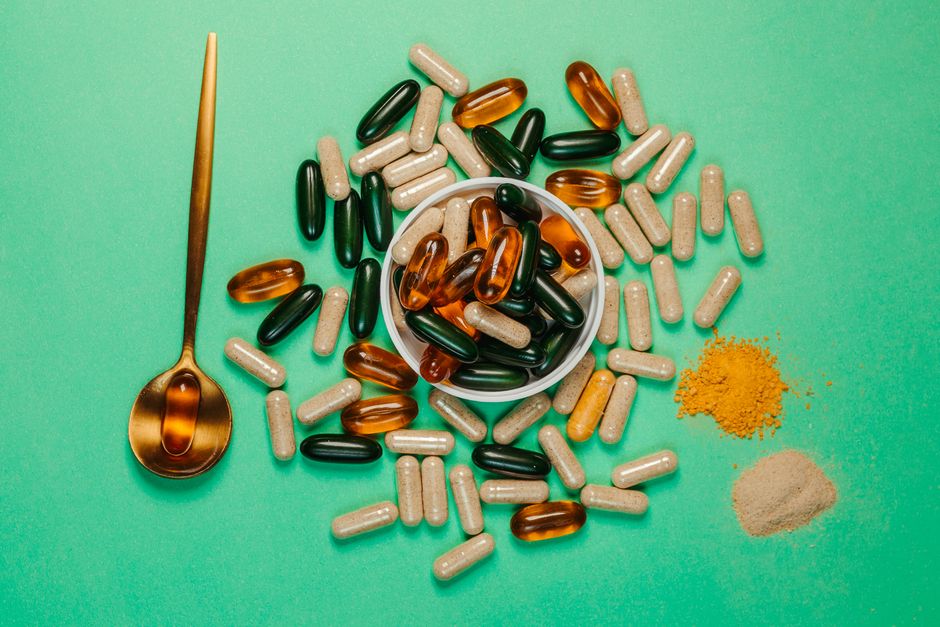
While food-first approaches should be prioritized, there are specific situations where nutritional supplementation becomes medically necessary. Understanding when to make this transition can prevent deficiencies from progressing to serious health complications.
Clinical Indications for Supplementation
Supplements may be recommended when:
- Blood tests confirm severe deficiencies (below clinical thresholds)
- Dietary modifications alone haven't improved levels after 3-6 months
- Medical conditions impair nutrient absorption (celiac disease, Crohn's disease)
- Life stage demands exceed dietary capacity (pregnancy, breastfeeding, aging)
- Medications interfere with nutrient absorption or metabolism
Evidence-Based Supplementation Guidelines
When supplementation is necessary, following evidence-based dosing guidelines ensures both safety and efficacy:
- Vitamin D: 1,000-4,000 IU daily for deficiency correction, 600-800 IU for maintenance
- Iron: 18-65 mg daily for iron deficiency anemia (under medical supervision)
- B12: 250-1,000 mcg daily for vegans or absorption issues
- Folate: 400-800 mcg daily, especially crucial during pregnancy
Prevention Strategies: Building Nutrient Resilience
The most effective approach to preventing nutrient deficiencies involves creating sustainable dietary patterns that naturally provide comprehensive nutrition. This proactive strategy is far more effective than reactive supplementation.
The Diversity Principle
Research consistently shows that dietary diversity is the strongest predictor of nutrient adequacy. Aim to include:
- 30 different plant foods per week (fruits, vegetables, grains, legumes, nuts, seeds)
- All color groups in your produce selections
- Seasonal rotation to ensure varied nutrient profiles
- Traditional food combinations that enhance nutrient absorption
This diversity principle directly supports your overall recipes and meal planning strategy, ensuring you're getting a wide range of nutrients naturally.
Timing and Preparation Optimization
How and when you prepare and consume foods significantly impacts nutrient bioavailability:
- Raw vs. Cooked: Some nutrients (like lycopene in tomatoes) increase with cooking, while others (like vitamin C) decrease
- Meal Timing: Spread nutrient-dense foods throughout the day for optimal absorption
- Food Combinations: Pair fat-soluble vitamins (A, D, E, K) with healthy fats for better absorption
- Preparation Methods: Steaming and sautéing preserve more nutrients than boiling
Frequently Asked Questions
How long does it take to correct a nutrient deficiency through food alone?
Most mild to moderate deficiencies can be corrected within 8-12 weeks through targeted dietary changes. However, severe deficiencies (like iron deficiency anemia) may require 3-6 months of consistent intervention, and often benefit from supervised supplementation alongside dietary improvements.
Can you have multiple nutrient deficiencies at the same time?
Yes, multiple deficiencies are common, especially among populations with limited dietary diversity. B-vitamin deficiencies often cluster together, and iron deficiency frequently occurs alongside vitamin D and magnesium deficiencies. This is why comprehensive testing and whole-food approaches are more effective than targeting individual nutrients.
Are nutrient deficiencies more common in certain age groups?
Yes, certain life stages carry higher risk. Adolescents (especially females) commonly develop iron deficiency due to rapid growth and menstruation. Adults over 60 frequently experience B12, vitamin D, and calcium deficiencies due to decreased absorption. Pregnant and breastfeeding women have increased needs for folate, iron, and multiple other nutrients.
Do vegetarians and vegans need to supplement, or can food provide everything?
Well-planned plant-based diets can provide most nutrients adequately. However, vitamin B12 supplementation is essential for vegans since it's not reliably found in plant foods. Iron, zinc, and omega-3 fatty acids require careful planning but can usually be obtained through food. Regular blood testing helps ensure nutritional adequacy regardless of dietary pattern.


