
TL;DR: Only 39% of US adults consume adequate potassium, while up to 25% of women experience iron deficiency. **Mineral deficiencies** can be identified through specific symptoms like fatigue and muscle cramps, then confirmed with blood tests, and often reversed through targeted dietary changes within 2-6 weeks.
Your body is like a finely tuned orchestra, and minerals are the conductors ensuring every section plays in harmony. When even one essential mineral falls short, the entire performance can suffer. Yet many of us are unknowingly walking around with mineral deficiencies that could be easily addressed with the right knowledge and approach.
According to the National Institutes of Health, common mineral deficiencies affect millions of Americans, with only 39% of adults meeting adequate potassium intake and a mere 2% consuming sufficient vitamin K. The good news? **Mineral deficiencies** are typically treatable and preventable when you know what signs to watch for.
Understanding Mineral Deficiencies: The Hidden Health Crisis
**Mineral deficiencies** occur when your body doesn't receive or absorb adequate amounts of essential minerals needed for optimal function. Unlike dramatic medical emergencies, these deficiencies often develop gradually, creating a subtle decline in energy, mood, and overall wellness that many people dismiss as "just getting older" or stress.
The Cleveland Clinic reports that mineral deficiencies happen when your body is low in crucial nutrients like iron or calcium, and they're usually treatable once properly identified. The challenge lies in recognizing the often vague symptoms before they progress to more serious health complications.
Research from the NIH shows that nutrition gaps are particularly common in certain populations. Children aged 2-18 years show notably low intakes of magnesium and calcium, while adults frequently fall short on potassium, magnesium, and several other essential minerals.
The Most Common Mineral Deficiencies and Their Symptoms
Iron Deficiency: The Energy Thief
Iron deficiency stands as one of the most prevalent **mineral deficiencies** worldwide, particularly affecting women of reproductive age. According to Dietitians On Demand, clinical signs include anemia, fatigue, weakness, and shortness of breath.
The symptoms often develop in stages. Initially, you might notice decreased energy levels and difficulty concentrating. As the deficiency progresses, you may experience:
- Unusual cravings for ice, starch, or non-food items
- Brittle or spoon-shaped fingernails
- Cold hands and feet
- Rapid or irregular heartbeat during physical activity
- Pale skin, particularly noticeable in the inner eyelids
Calcium Deficiency: Beyond Bone Health
While most people associate calcium with bone health, this mineral plays crucial roles in muscle function, nerve transmission, and blood clotting. UNC Health notes that fatigue or muscle cramps could indicate a calcium deficiency.
Early signs of calcium deficiency include:
- Muscle spasms or cramps, particularly in the back and legs
- Numbness and tingling in fingers and around the mouth
- Memory problems and confusion
- Brittle nails and dry, coarse hair
Magnesium Deficiency: The Stress Mineral
Often called the "relaxation mineral," magnesium is involved in over 300 enzymatic reactions in your body. The NIH research indicates that magnesium blood levels are tightly controlled, making deficiency assessment challenging through standard blood tests.
Symptoms of magnesium deficiency often manifest as:
- Sleep disturbances and insomnia
- Muscle twitches and cramps
- Anxiety and irritability
- Irregular heart rhythms
- Headaches and migraines
Potassium Deficiency: The Heart Helper
With only 39% of US adults meeting adequate potassium intake, this **mineral deficiency** has reached epidemic proportions. Potassium is essential for heart function, muscle contractions, and maintaining healthy blood pressure levels.
Signs of potassium deficiency include:
- High blood pressure
- Muscle weakness and fatigue
- Constipation
- Heart palpitations
- Increased urination and thirst


How to Properly Diagnose Mineral Deficiencies
**Detecting mineral deficiencies** requires a systematic approach combining symptom assessment with laboratory testing. According to nutrition experts, vitamin and mineral deficiencies can be detected by clinical and physical symptoms and then confirmed by a blood test.
UNC Health emphasizes getting a comprehensive blood panel during your physical examination. This blood work will pinpoint specific deficiencies, allowing healthcare providers or registered dietitians to address them in the context of your individual situation.
Essential Tests for Mineral Assessment
A comprehensive **mineral deficiency** screening should include:
- Complete Blood Count (CBC): Identifies iron deficiency anemia
- Comprehensive Metabolic Panel: Measures calcium, phosphorus, and magnesium levels
- Serum Iron Studies: Includes ferritin, transferrin saturation, and total iron-binding capacity
- 25-hydroxy Vitamin D: Important for calcium absorption
- Red Blood Cell Magnesium: More accurate than serum magnesium
The timing of these tests matters. For most accurate results, follow fasting guidelines when required and avoid taking supplements for 12-24 hours before testing, unless specifically instructed otherwise by your healthcare provider.
Best Food Sources for Essential Minerals
While supplements have their place, food sources often provide superior bioavailability and additional cofactors that enhance mineral absorption. Here's a comprehensive comparison of top food sources for common **mineral deficiencies**:
| Mineral | Top Food Sources | Amount per Serving | Daily Value % |
|---|---|---|---|
| Iron | Oysters (3 oz) | 5.7 mg | 32% |
| Spinach, cooked (1 cup) | 6.4 mg | 36% | |
| Lean beef (3 oz) | 2.6 mg | 14% | |
| Calcium | Plain yogurt (8 oz) | 415 mg | 32% |
| Sardines with bones (3 oz) | 325 mg | 25% | |
| Collard greens (1 cup) | 268 mg | 21% | |
| Magnesium | Pumpkin seeds (1 oz) | 168 mg | 40% |
| Almonds (1 oz) | 80 mg | 19% | |
| Black beans (1/2 cup) | 60 mg | 14% | |
| Potassium | White potato with skin | 610 mg | 13% |
| Banana (medium) | 422 mg | 9% | |
| Salmon (3 oz) | 534 mg | 11% |
According to Cleveland Clinic experts, incorporating these foods into your daily recipes can significantly improve mineral status within 2-6 weeks for mild deficiencies.
Enhancing Mineral Absorption
Simply consuming mineral-rich foods isn't enough; you need to optimize absorption. Here are evidence-based strategies:
- Iron absorption: Combine with vitamin C-rich foods like citrus fruits, bell peppers, or strawberries
- Calcium absorption: Take with magnesium and vitamin D; avoid consuming with high-fiber foods
- Magnesium absorption: Space doses throughout the day; avoid taking with calcium supplements
- Potassium absorption: Best absorbed from whole foods rather than supplements

When to Consider Mineral Supplements
While food sources should be your first line of defense against **mineral deficiencies**, certain situations warrant supplementation. The key is knowing when supplements are necessary and how to use them safely and effectively.
"For mild deficiencies, dietitians can counsel clients on focusing on certain foods to replete nutrient stores," according to registered dietitians. However, severe deficiencies may require targeted supplementation under professional guidance.
Red Flags That Suggest Supplementation
Consider supplements when you experience:
- Persistent fatigue despite adequate sleep and fitness routines
- Confirmed deficiencies through blood testing
- Dietary restrictions that limit mineral-rich foods
- Malabsorption conditions like celiac disease or Crohn's disease
- Increased needs during pregnancy, breastfeeding, or intense athletic training
Safe Supplementation Guidelines
When supplementing for **mineral deficiencies**, follow these evidence-based recommendations:
- Iron: 18-27 mg daily for deficient individuals; take on empty stomach with vitamin C
- Calcium: No more than 500 mg per dose; take with meals for better absorption
- Magnesium: 200-400 mg daily; start with lower doses to avoid digestive upset
- Potassium: Generally obtain from food sources; supplements are limited to 99 mg per dose
Research from the NIH emphasizes that supplement timing and form matter significantly. For instance, magnesium glycinate is often better tolerated than magnesium oxide, while chelated iron forms may cause less digestive distress.
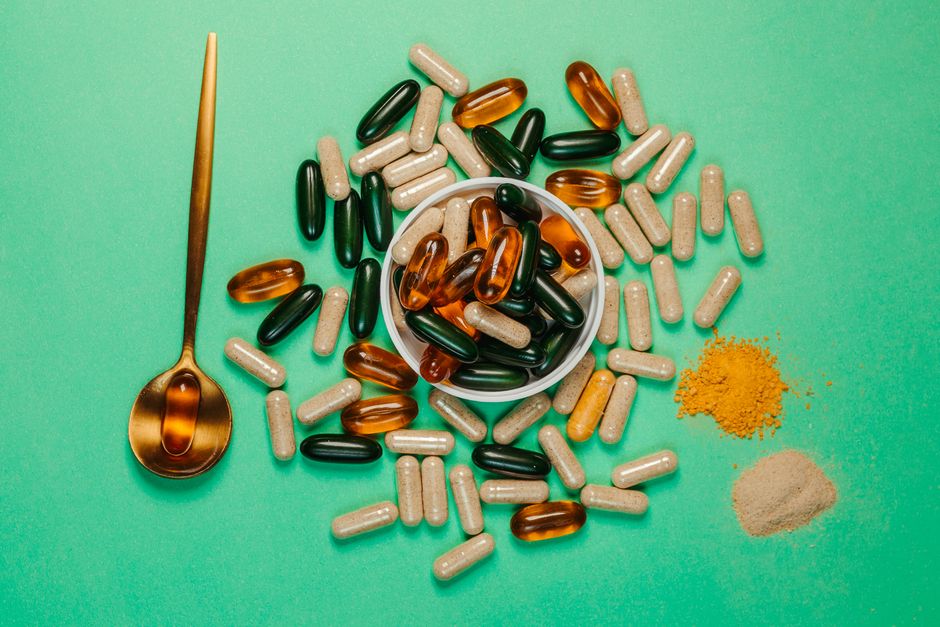
Prevention Strategies: Building Mineral-Rich Habits
Preventing **mineral deficiencies** is far more effective than treating them after they develop. The most successful approaches involve sustainable lifestyle changes rather than quick fixes.
The Mineral-Smart Meal Planning Approach
Create meals that naturally combine complementary minerals and absorption enhancers:
- Breakfast: Fortified oatmeal with berries and almonds (iron, magnesium, potassium)
- Lunch: Spinach salad with salmon and orange segments (iron, calcium, potassium, vitamin C)
- Dinner: Lean beef with sweet potato and steamed broccoli (iron, potassium, calcium)
- Snacks: Greek yogurt with pumpkin seeds (calcium, magnesium)
Lifestyle Factors That Impact Mineral Status
Your daily habits significantly influence mineral absorption and utilization. Consider these factors that can affect your **mineral status**:
- Stress management: Chronic stress depletes magnesium stores; incorporate mental health practices
- Exercise timing: Intense workouts increase mineral losses through sweat
- Medication interactions: Proton pump inhibitors can reduce iron absorption
- Alcohol consumption: Excessive intake interferes with multiple mineral pathways
Special Considerations for High-Risk Groups
Certain populations face increased risk for **mineral deficiencies** and require tailored approaches to prevention and treatment.
Women of Reproductive Age
Monthly menstrual losses significantly increase iron needs, with up to 25% of women experiencing iron deficiency. The combination of iron loss and


