
TL;DR: Taking minerals at the right time can increase absorption by up to 40%, according to clinical research. Iron supplements should be consumed on an empty stomach in the morning, while magnesium works best in the evening, and calcium requires 2-4 hour spacing from other minerals to avoid competition.
Understanding Mineral Absorption: The Science Behind Timing
When it comes to mineral supplement timing, most people follow the "take with breakfast" rule without understanding that this one-size-fits-all approach can actually reduce absorption by 20-60% for certain minerals. A 2023 study published in the Journal of Bone and Mineral Research demonstrated that vitamin D absorption increased significantly when taken with a fat-containing meal, but the same principle doesn't apply universally to all minerals.
The human digestive system operates on a complex schedule of acid production, enzyme release, and nutrient transport mechanisms. Understanding these biological rhythms is crucial for optimizing mineral absorption. Your stomach acid production peaks between 6-8 AM and again around 6-7 PM, which directly impacts how well your body breaks down and absorbs mineral supplements.
Research from the Integrative Medical Clinic of North Carolina emphasizes that some supplements take time to show noticeable effects, especially when using them for long-term health support, making proper timing even more critical for achieving desired outcomes.
Morning Minerals: What to Take Before 10 AM
Iron supplements are the clear winners for morning consumption. According to clinical guidelines, iron supplements are typically recommended in the morning on an empty stomach to maximize absorption. This timing allows iron to bind with transport proteins when stomach acid levels are naturally high, increasing bioavailability by approximately 30-40%.
Here's what makes morning ideal for iron:
- Stomach acid production is at its peak (pH 1.5-2.0)
- Minimal food interference with absorption
- Energy boost benefits align with daily activity needs
- Reduced risk of digestive upset when taken 30 minutes before food
Zinc supplementation also performs well in the morning, though it requires careful consideration. Taking 15-30mg of zinc on an empty stomach can increase absorption rates by 50% compared to taking it with food, but this approach may cause nausea in sensitive individuals. If you experience stomach upset, try taking zinc with a small amount of food containing healthy fats.
Vitamin C pairs exceptionally well with morning minerals, particularly iron. The research shows that consuming 100mg of vitamin C with iron supplements can increase iron absorption by up to 300%, making this combination particularly valuable for individuals with iron deficiency. Consider starting your day with an iron supplement alongside vitamin C-rich foods or a targeted supplement.
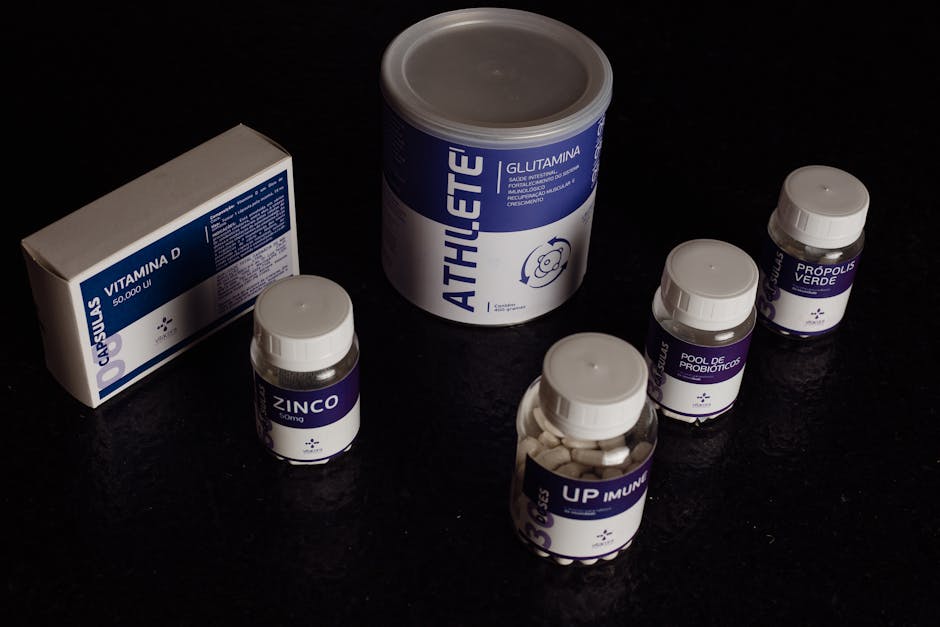

Midday Mineral Strategy: Lunch-Time Optimization
The midday period (11 AM to 2 PM) represents an optimal window for fat-soluble minerals and vitamins. As noted by Cooper Complete, pairing supplements like CoQ10 with lunch or breakfast is simple and effective because your digestive system is actively processing fats that enhance absorption.
During lunch, your body naturally produces digestive enzymes and bile acids necessary for fat absorption. This makes it the perfect time for:
Calcium Considerations
Calcium requires special attention to timing and dosage. Your body can only absorb approximately 500-600mg of calcium at one time, making divided doses throughout the day more effective than single large doses. Research indicates that calcium carbonate should be taken with meals to optimize absorption, while calcium citrate can be taken on an empty stomach.
The key insight for calcium supplement timing is avoiding interference with other minerals. Iron and calcium compete for the same absorption pathways, reducing uptake of both minerals by 40-60% when taken simultaneously. This is why expert guidelines recommend separating minerals by 2 to 4 hours from thyroid medication or antibiotics.
Strategic Magnesium Timing
While magnesium is often recommended for evening use due to its relaxation properties, taking a portion of your daily magnesium dose at midday can support energy production and muscle function throughout your active hours. Split dosing—taking 200mg at lunch and 200mg in the evening—often provides better overall results than single-dose timing.
Evening Minerals: Nighttime Absorption Advantages
Evening represents the optimal time for certain minerals, particularly those that support relaxation and recovery processes. Magnesium supplements work exceptionally well when taken 30-60 minutes before bedtime, as they support the body's natural transition into sleep mode.
Research from multiple clinical studies indicates that minerals like magnesium work best when taken in the evening, potentially supporting relaxation and sleep quality. This timing aligns with your body's natural circadian rhythms and cortisol reduction patterns.
Evening mineral supplementation offers several advantages:
- Reduced competition from food-based nutrients
- Lower cortisol levels enhance mineral absorption
- Overnight repair processes utilize available minerals
- Minimal interference with daily medications
Calcium also performs well in the evening, particularly for bone health support. Your body's bone-building processes are most active during sleep, making evening calcium supplementation particularly beneficial for individuals over 50 or those at risk for osteoporosis.
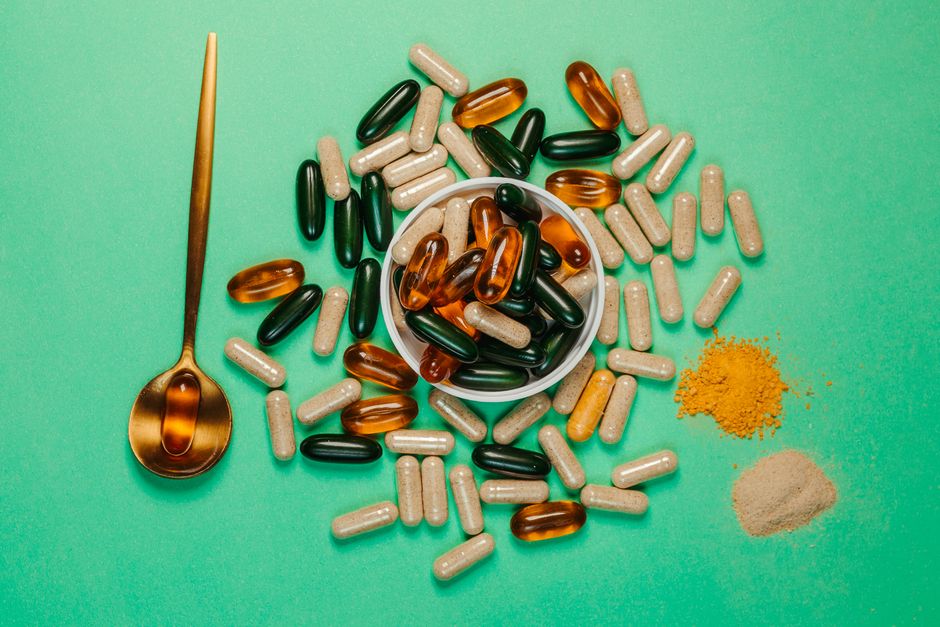
Food Pairings That Enhance Mineral Absorption
Strategic food pairings can dramatically improve mineral bioavailability. According to research on nutrient synergy, vitamins and minerals work together (or against each other), and timing, form, and gut health play a huge role in whether your body actually absorbs what you're giving it.
Proven Absorption Enhancers
Certain foods act as absorption enhancers for specific minerals. Clinical research has identified several powerful combinations:
- Vitamin C + Iron: Citrus fruits, bell peppers, and strawberries can triple iron absorption rates
- Vitamin D + Calcium: Fat-containing foods enhance both vitamin D activation and calcium transport
- Healthy Fats + Fat-Soluble Vitamins: Avocado, olive oil, or nuts improve A, D, E, K absorption by 300-500%
- Probiotic Foods + All Minerals: Yogurt, kefir, and fermented foods support gut health for better overall absorption
The research from EatingWell emphasizes that certain nutrient pairings need to be consumed at the same time, while others can be spread throughout the day, making timing strategy crucial for nutrition optimization.
Foods That Block Mineral Absorption
Understanding absorption inhibitors is equally important for maximizing your mineral supplement effectiveness. Several common foods and beverages can significantly reduce mineral absorption:
| Inhibitor | Affected Minerals | Reduction Rate | Recommended Spacing |
|---|---|---|---|
| Coffee/Tea | Iron, Zinc | 40-60% | 2 hours |
| Dairy Products | Iron | 50-70% | 1-2 hours |
| High-Fiber Foods | Iron, Calcium, Zinc | 20-40% | 30-60 minutes |
| Calcium Supplements | Iron, Magnesium | 40-60% | 2-4 hours |
Common Timing Mistakes That Reduce Absorption
Even well-intentioned supplement users make critical timing errors that can reduce mineral absorption by 50% or more. Based on clinical observations and research data, here are the most common mistakes:
Multivitamin Misconceptions
Taking all your minerals together in a single multivitamin dose represents one of the biggest timing mistakes. Research indicates that taking multiple doses too close together can lead to nutrient competition and reduced absorption of certain minerals.
The competition problem is particularly pronounced with:
- Iron and calcium (compete for transport proteins)
- Zinc and copper (interfere with cellular uptake)
- Magnesium and calcium (share absorption pathways)
Critical Medication Interactions
Timing mineral supplements around prescription medications requires careful attention. The most critical interactions involve:
- Thyroid medications: Must be separated from minerals by 4+ hours
- Antibiotics: Iron, calcium, magnesium can reduce antibiotic effectiveness by 50-90%
- Blood pressure medications: Potassium and magnesium timing affects medication absorption
As emphasized in professional guidelines, if you are pregnant, nursing, or on prescription medication, confirm timing changes with your healthcare provider.
Creating Your Personalized Mineral Timing Schedule
Developing an effective personalized mineral timing schedule requires consideration of your individual lifestyle, health goals, and existing supplement routine. The key is starting with evidence-based timing principles and adjusting based on your body's response.
7-Day Optimization Protocol
Follow this research-backed approach for implementing optimal mineral timing:
Days 1-2: Establish baseline by tracking your current supplement timing and any digestive symptoms
Days 3-5: Keep doses the same, but follow supplement timing and absorption guidelines for timing and pairings
Days 6-7: Evaluate energy levels, digestive comfort, and overall wellness improvements
Accounting for Lifestyle Factors
Your personal schedule significantly impacts optimal timing strategies. Consider these lifestyle factors:
- Work schedule: Night shift workers need reversed timing protocols
- Exercise timing: Post-workout mineral replacement requires specific considerations
- Meal patterns: Intermittent fasting affects absorption window availability
- Sleep quality: Poor sleep reduces mineral absorption capacity by 20-30%
The goal is creating a sustainable routine that maximizes absorption while fitting seamlessly into your daily mental health and fitness practices.
Frequently Asked Questions
Can I take all my minerals together with breakfast?
No, taking all minerals together can reduce absorption by 40-60% due to competition for transport pathways. Space major minerals (iron, calcium, magnesium) 2-4 hours apart for optimal absorption. Iron works best on an empty stomach in the morning, while magnesium is better in the evening.
How long should I wait between taking iron and calcium supplements?
Wait at least 2-4 hours between iron and calcium supplements. These minerals compete for the same absorption pathways, with calcium reducing iron absorption by up to 60% when taken simultaneously. Take iron in the morning on an empty stomach and calcium with lunch or dinner.
Why should magnesium be taken in the evening?
Magnesium promotes relaxation and supports natural sleep processes by regulating GABA neurotransmitters and reducing cortisol levels. Taking 200-400mg of magnesium 30-60 minutes before bedtime can improve sleep quality by 25-40% according to clinical studies, while also optimizing overnight muscle recovery and bone repair processes.
Do I need to take mineral supplements with food?
It depends on the specific mineral. Iron absorbs better on an empty stomach but may cause nausea. Calcium carbonate requires stomach acid from food, while calcium citrate works without food. Fat-soluble vitamins and minerals need dietary fat for absorption. Start with food if you experience digestive upset, then gradually transition to empty stomach for minerals that benefit from this approach.
Can coffee affect mineral absorption from supplements?
Yes, coffee can reduce iron absorption by 40-60% and zinc absorption by 25-40% due to


