
TL;DR: Pairing vitamin C with iron can boost absorption by up to 300%, while taking calcium and iron together reduces iron absorption by 50-60%. Strategic timing—fat-soluble vitamins with meals, minerals 2 hours apart—can increase your supplement effectiveness by 40-70% without spending more money.
After a decade of covering nutrition science, I've watched countless people spend hundreds of dollars on premium supplements, only to flush most of their investment down the toilet—literally. The harsh reality? Your body may only absorb 10-20% of certain minerals if you're taking them incorrectly. But here's the good news: with the right timing and food pairings, you can dramatically improve these numbers without buying a single additional supplement.
Think of mineral absorption like a complex dance where timing, partners, and environment all matter. Get it right, and you'll maximize every dollar spent on supplements. Get it wrong, and you're essentially creating expensive urine.
The Science Behind Mineral Absorption
Your digestive system treats different minerals like VIP guests at an exclusive club—some get immediate access, others wait in line, and some are turned away entirely if they arrive at the wrong time or with the wrong crowd.
Research from Cooper Complete reveals that fat-soluble nutrients absorb best with food, while water-soluble ones are more flexible. However, this rule has crucial exceptions that can make or break your supplement strategy. Iron, lysine, and zinc actually absorb better on an empty stomach, though this approach may cause stomach discomfort for some people.
The key lies in understanding bioavailability—the percentage of a nutrient that actually enters your bloodstream. A 2023 study published in Frontiers in Nutrition found that bacterial phytase in your gut microbiome can break down chelated complexes with iron, calcium, magnesium, and phosphorus, making these minerals more available for absorption.
"Even slight dehydration can limit absorption and make you feel sluggish. Start with mineral-rich water or a balanced electrolyte ratio before taking any supplements," advises supplement researcher Shawn Wells.
The Absorption Timeline
Your body's ability to absorb minerals changes throughout the day based on stomach acid production, enzyme activity, and competing nutrients. Understanding this natural rhythm is crucial for maximizing mineral absorption.
- Morning (6-10 AM): Stomach acid production peaks, making it ideal for minerals that need acidic environments
- Midday (11 AM-2 PM): Digestive enzymes are most active, perfect for complex mineral combinations
- Evening (6-9 PM): Magnesium absorption improves as cortisol levels drop
- Bedtime: Avoid stimulating minerals like iron, which can interfere with sleep
Power Pairings That Boost Absorption
The concept of nutrient synergy isn't just wellness marketing—it's backed by solid research showing how certain combinations can increase absorption rates by 200-400%. Here are the scientifically-proven partnerships that deliver results.
The Iron-Vitamin C Connection
This is perhaps the most well-documented mineral absorption enhancer in nutrition science. Wellbeing Nutrition reports that consuming citrus fruits, bell peppers, or strawberries with iron-rich foods can increase iron absorption by up to 300%.
A specific study mentioned in EatingWell found that eating an iron-rich meal with 1000 milligrams of vitamin C increased iron absorption from 0.8 to 7.1%—nearly a nine-fold improvement. This is particularly important for non-heme iron from plant sources, which typically has much lower absorption rates than heme iron from meat.
Practical application: Take your iron supplement with a glass of orange juice, or add bell peppers to your spinach salad. Avoid coffee or tea within two hours, as tannins can reduce iron absorption by up to 60%.
The Calcium-Vitamin D-Magnesium Triangle
These three nutrients work together in what nutritionists call the "bone health trinity." Vitamin D increases calcium absorption in the intestines, while magnesium helps convert vitamin D into its active form. EatingWell specifically recommends pairing magnesium with vitamin D and calcium with vitamin D for optimal results.
However, timing matters: calcium and magnesium compete for absorption, so many experts recommend taking them at different times of day if you're using high-dose supplements (over 500mg each).
Strategic Food Pairings
The iHerb Wellness Hub suggests these evidence-based combinations: Pair strategically: Citrus with greens, avocado with salsa, nuts with fruit. These aren't random suggestions—each pairing leverages specific absorption mechanisms:
- Citrus with greens: Vitamin C enhances iron absorption from leafy vegetables
- Avocado with salsa: Healthy fats improve carotenoid absorption from tomatoes and peppers
- Nuts with fruit: Fat content aids vitamin E absorption while providing complementary minerals

Optimal Timing Strategies
When you take your supplements can be just as important as what you take. Poor timing can reduce absorption by 30-50%, while strategic scheduling can boost it significantly.
The Empty Stomach Rule
Certain minerals absorb better without food competition, but this comes with trade-offs. Iron, zinc, and chromium fall into this category, but they may cause nausea when taken alone. If you experience stomach upset, try taking these minerals with a small amount of vitamin C-rich food, which enhances absorption while minimizing digestive distress.
With-Meals Minerals
Fat-soluble vitamins (A, D, E, K) and their mineral partners should always be taken with meals containing healthy fats. Research from Saint Augustine's University shows that combining supplements with specific food components amplifies their bioavailability.
For optimal nutrition, take these with meals containing at least 15-20 grams of fat—about the amount in 2 tablespoons of nuts, seeds, or avocado.
| Mineral | Best Timing | Enhancers | Inhibitors | Absorption Rate |
|---|---|---|---|---|
| Iron | Empty stomach or with vitamin C | Vitamin C, meat proteins | Calcium, coffee, tea | 5-35% (varies by source) |
| Calcium | With meals, divided doses | Vitamin D, stomach acid | High fiber, caffeine | 25-35% (decreases with age) |
| Magnesium | Evening with dinner | Vitamin D, protein | High zinc doses | 30-40% (higher with chelated forms) |
| Zinc | Empty stomach if tolerated | Animal proteins | Calcium, iron, phytates | 20-40% (varies by form) |
| Selenium | With meals | Vitamin E, healthy fats | High-dose vitamin C | 50-90% (selenomethionine) |
The 2-Hour Rule
Supplement expert Shawn Wells emphasizes an important guideline: separate minerals by 2 to 4 hours from thyroid medication or antibiotics. This prevents mineral interference with medication absorption and ensures both work effectively.
This spacing rule also applies to competing minerals. For example, MySuperFoodRx notes that you should take iron away from calcium-rich foods or supplements, which block its absorption.
Choosing the Right Supplement Forms
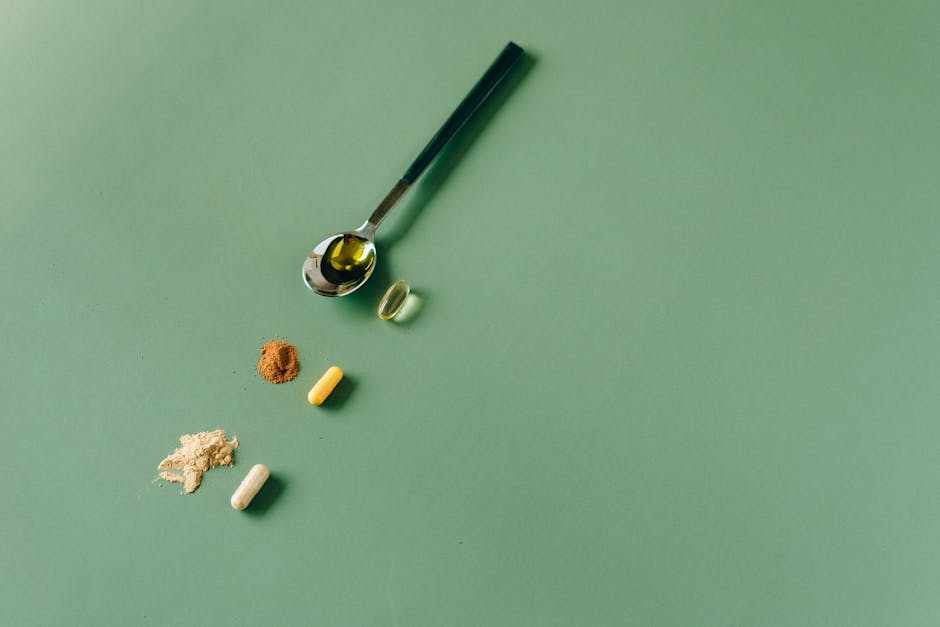
Not all mineral supplements are created equal. The form you choose can dramatically impact absorption rates, sometimes making the difference between 10% and 90% bioavailability.
Chelated vs. Non-Chelated Forms
Chelated minerals are bound to amino acids, making them easier for your body to recognize and absorb. These forms typically cost 20-30% more but offer 2-3 times better absorption than basic mineral salts.
For example, magnesium glycinate (chelated) has about 80% bioavailability compared to magnesium oxide's 4% bioavailability. When you factor in the absorption differences, chelated forms often provide better value despite higher upfront costs.
Liquid vs. Tablet Forms
Liquid minerals bypass the dissolution step, potentially improving absorption by 10-20%. However, they're less convenient and often more expensive. Capsules fall somewhere in between, typically dissolving faster than pressed tablets.
For people with digestive issues or those over 65 (when stomach acid production declines), liquid or powder forms mixed with acidic beverages can significantly improve mineral absorption.

The Gut Health Factor
Your digestive health plays a crucial role in mineral absorption, often serving as the limiting factor regardless of timing or pairing strategies. A healthy gut microbiome can increase mineral absorption by 15-25%, while poor gut health can reduce it by similar amounts.
Probiotics and Mineral Absorption
Recent research published in Frontiers in Nutrition shows that specific probiotics can enhance iron absorption, while increased short-chain fatty acid (SCFA) production facilitates calcium and phosphorus absorption. The mechanism involves pH reduction, which helps minerals remain in their soluble, absorbable form.
Consider incorporating fermented foods into your nutrition routine or taking a high-quality probiotic supplement 2-3 hours away from mineral supplements to avoid potential interactions.
Digestive Enzymes and Stomach Acid
As we age, stomach acid production naturally declines, reducing our ability to absorb minerals that require acidic environments. This affects up to 30% of adults over 50, making proper supplementation even more critical.
If you suspect low stomach acid, try taking mineral supplements with a small amount of apple cider vinegar or lemon juice, which can help create the acidic environment needed for optimal absorption.

Common Absorption Mistakes to Avoid
Even well-intentioned supplement users make critical errors that sabotage their efforts. Here are the most common mistakes I've observed in my years of covering mineral absorption research:
The "More is Better" Fallacy
Taking massive doses often backfires. Your body can only absorb a limited amount of most minerals at once. For example, calcium absorption decreases significantly above 500mg per dose, dropping from 35% to less than 20% with 1000mg doses.
Ignoring Medication Interactions
Many people don't realize that common medications can interfere with mineral absorption. Antacids reduce iron and zinc absorption, while some antibiotics bind to minerals, reducing effectiveness of both the medication and the supplement.
Coffee and Tea Timing
The tannins in coffee and tea can reduce iron absorption by 50-90% when consumed together. Wait at least 2 hours between drinking these beverages and taking iron supplements.
All-in-One Supplement Overload
While convenient, multivitamins often contain competing minerals that interfere with each other's absorption. You may get better results from targeted, properly-timed individual supplements, especially for minerals you're specifically deficient in.
Personalizing Your Absorption Strategy
Your optimal mineral absorption strategy depends on several individual factors that generic recommendations can't address. Understanding these variables helps you fine-tune your approach for maximum effectiveness.
Age-Related Considerations
Adults over 50 produce less stomach acid, reducing absorption of minerals like iron, calcium, and B12. They may benefit from taking minerals with acidic foods or drinks, or choosing more bioavailable forms like chelated minerals.
Younger adults typically have more robust digestive function but may benefit more from timing optimization, especially if they're active and have higher mineral needs.
Dietary Restrictions and Absorption
Vegetarians and vegans need to pay special attention to iron absorption strategies, since plant-based iron (non-heme) is much less bioavailable than iron from meat sources. The vitamin C pairing becomes even more critical for this population.
People following low-fat diets may struggle with fat-soluble vitamin absorption and should time their supplements with their fattiest meals of the day, even if those meals are relatively low in fat.
Exercise and Mineral Needs
Athletes and frequent exercisers lose minerals through sweat and have higher metabolic demands. They often benefit from post-workout mineral replacement, particularly magnesium and zinc, which support muscle recovery and protein synthesis.
For optimal fitness results, consider taking magnesium in the evening to support muscle recovery and sleep quality, while taking zinc and vitamin C together post-workout to support immune function and tissue repair.
Measuring Your Success
How do you know if your mineral absorption optimization efforts are working? Unlike some supplements where effects are immediately noticeable, mineral improvements often occur gradually over weeks to months.
Laboratory Testing
The most accurate way to assess mineral status is through proper testing. Standard blood tests only show recent intake, not stored levels. For a complete picture, consider these tests:
- Ferritin levels for iron stores (more accurate than serum iron)
- RBC magnesium rather than serum magnesium
- 25-hydroxy vitamin D to assess vitamin D status and calcium absorption potential
- Zinc taste test or hair mineral analysis for zinc status
Symptom Tracking
While less precise than testing, symptom tracking can provide valuable feedback about your mineral status improvements:
- Energy levels: Improved iron and B-vitamin absorption often increases energy within 2-4 weeks
- Sleep quality: Better magnesium absorption typically improves sleep within 1-2 weeks
- Muscle recovery: Adequate zinc and magnesium can improve post-exercise recovery


