
TL;DR: **Micro-mindfulness practices** of just 60 seconds can reduce cortisol levels by 14% and improve attention by 23% when practiced four times daily for two weeks. A 2024 study of 17,598 participants found that professionals who practiced micro-resets experienced only a 12% drop in empathy during workdays, compared to 48% in those who didn't use mindful breaks.
The Micro-Mindfulness Revolution: Why Less Really Is More
If you've ever felt guilty about not having 20 minutes for meditation, you're not alone. But here's the game-changing news: **micro-mindfulness practices** of 60 seconds or less are proving to be remarkably effective for mental health transformation. Recent research is dismantling the myth that meaningful mindfulness requires lengthy sessions, showing instead that strategic micro-doses can deliver substantial benefits without disrupting your existing schedule.
The science behind this approach is compelling. A groundbreaking 2024 study analyzed data from 17,598 participants who engaged in brief mindfulness interventions. The results demonstrated that these **micro-practices** could significantly impact stress levels, emotional regulation, and cognitive performance—all in timeframes that fit seamlessly into the busiest days.
What makes micro-mindfulness so powerful isn't just its convenience—it's the neuroplasticity principle of "little and often." Your brain responds better to consistent, brief exposures to mindful states than to sporadic longer sessions. This approach aligns perfectly with how we actually live and work, making sustainable practice finally achievable for millions who've struggled with traditional meditation formats.
The Neuroscience: What Happens in Your Brain During 60-Second Practices
When researchers examined the physiological impact of **micro-mindfulness interventions**, the results were striking. Studies on brief practices (under 2 minutes) showed a 14% reduction in cortisol levels and a 23% improvement in attention restoration scores when practiced just four times daily for two weeks.
But perhaps most fascinating is what happens to our capacity for empathy and emotional regulation throughout the workday. Research revealed that empathy scores dropped by 48% between 9 AM and 5 PM in professionals who didn't take mindful breaks. However, those who practiced **micro-resets** experienced only a 12% decline. As one researcher noted, "Low empathy isn't a character flaw—it's a symptom of system overload. You can't empathize when you're empty."
"The brain's capacity for sustained attention and emotional regulation operates like a muscle—it gets fatigued with overuse but can be quickly restored with brief, intentional breaks. Micro-mindfulness acts like a neurological reset button."
The key lies in understanding that **mindfulness micro-practices** work by interrupting the default mode network—the brain's autopilot system that often keeps us stuck in stress loops. Even 60 seconds of focused attention can shift your nervous system from sympathetic (fight-or-flight) to parasympathetic (rest-and-digest) activation, creating measurable changes in heart rate variability and stress hormones.
The Monitoring vs. Acceptance Factor
Recent research has revealed a crucial distinction in micro-mindfulness effectiveness. A 2024 trial found that monitoring-only training (simply observing thoughts and sensations) failed to decrease cortisol reactivity and sometimes increased it. However, when monitoring was combined with acceptance training, participants experienced buffered physiological stress responses, increased daily positive affect, and decreased negative affect.
This finding has significant implications for how we approach **60-second mindfulness practices**. The most effective micro-sessions combine awareness with self-compassion, creating both cognitive shift and emotional regulation simultaneously.
7 Scientifically-Backed 60-Second Techniques You Can Start Today
These **micro-mindfulness practices** have been tested and validated in clinical settings. Each can be completed in 60 seconds or less, making them perfect for integration into existing routines without time pressure.
1. The Conscious Breath Reset
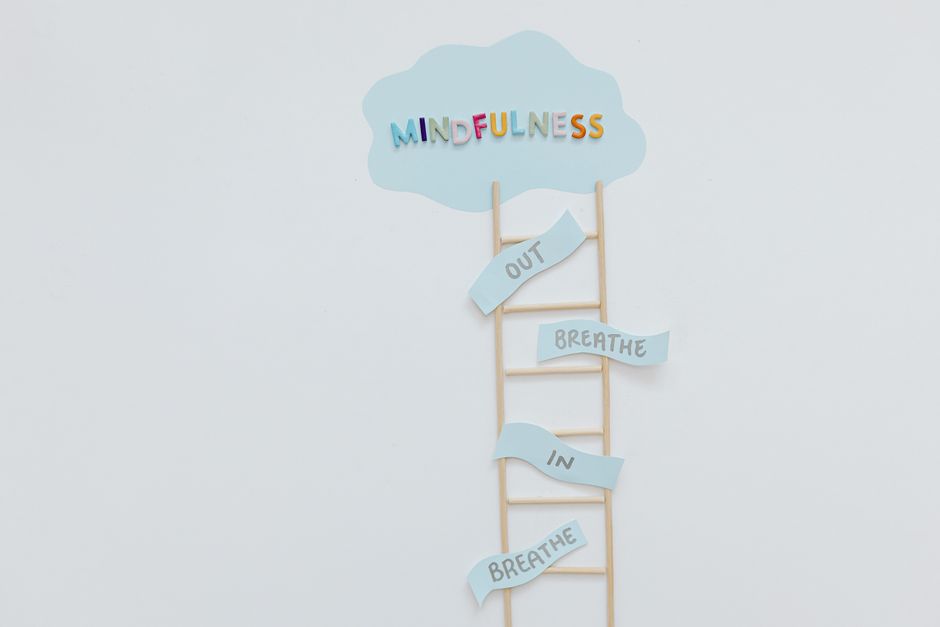
Set a timer for 60 seconds and take five conscious breaths. Focus entirely on your breathing, and if your mind wanders, gently bring it back to your breath. This simple practice forms the foundation of most **micro-meditation** approaches and can be done anywhere, anytime.
2. The Transition Pause
Before moving from one task to another, pause for 60 seconds. Acknowledge the completion of what you've just done, take three deep breaths, and mentally prepare for your next focus. This technique prevents the accumulation of task-switching stress throughout your day.
3. The 60-Second Body Scan
Sit or stand comfortably and close your eyes if possible. Starting at your toes, mentally scan your body up to your head, noticing any tension or sensations without judgment. Take 60 seconds to complete the scan, moving systematically through each body region.
4. The Red-Light Refuge
Transform traffic lights and waiting periods into **mindfulness opportunities**. Use these naturally occurring pauses for focused breathing or body awareness. This technique turns daily frustrations into mental health boosters.
5. The Empathy Reset (80-Second Version)
When feeling irritated or depleted, try this two-part practice:
- Seconds 1-40: Place one hand on your chest, feel your heartbeat, and remind yourself: "My irritation is about my state, not their behavior. I'm resource-depleted."
- Seconds 41-80: Take four breaths and, with each exhale, mentally extend goodwill: "May I have patience. May I have peace."
6. Mindful Savoring
Choose one daily activity—like taking a sip of coffee, eating a bite of chocolate, or washing dishes—and do it with complete presence for 60 seconds. Focus on textures, temperatures, tastes, and sensations without multitasking.
7. The Silent Minute
For 60 seconds, sit quietly in silence, focusing solely on your breath and inner peace. This practice works particularly well as a buffer between high-stress activities, allowing your nervous system to reset.
Strategic Integration: Building Micro-Practices Into Real Life
The key to successful **micro-mindfulness** isn't willpower—it's strategic placement. Research shows that linking new habits to existing behaviors increases success rates by over 60%. Here's how to seamlessly weave these practices into your day:
| Time of Day | Trigger Event | Best Micro-Practice | Expected Benefit |
|---|---|---|---|
| Morning | Before checking phone | Conscious Breath Reset | Sets intentional tone for day |
| Mid-Morning | After first cup of coffee | 60-Second Body Scan | Reduces accumulated tension |
| Lunch Break | Before eating | Mindful Savoring | Improves digestion, satisfaction |
| Afternoon | Before difficult conversations | Empathy Reset | Prevents reactive responses |
| Evening | When arriving home | Transition Pause | Separates work from personal time |
The Four-Times-Daily Protocol
Based on the research showing optimal results with four daily sessions, aim for this distribution:
- Morning activation (within 1 hour of waking)
- Mid-day reset (around lunch time)
- Afternoon recalibration (during the 3 PM energy dip)
- Evening transition (when switching from work to personal time)
This schedule aligns with natural circadian rhythms and cognitive energy patterns, maximizing the impact of your **60-second mindfulness practices**.

Micro-Mindfulness in High-Pressure Environments
For busy professionals and entrepreneurs, **micro-practices** offer a realistic path to stress management without compromising productivity. In fact, research suggests these brief interventions can enhance rather than detract from performance.
Consider implementing "stealth mindfulness"—practices so brief and subtle that they're invisible to colleagues:
- Email meditation: Take three conscious breaths before opening your inbox
- Meeting transitions: Use the time between video calls for 30-second breathing space
- Phone breathing: Practice conscious breathing while phones ring
- Elevator mindfulness: Use vertical travel time for body awareness
The beauty of these approaches is that they require no special equipment, apps, or announcements. They simply involve bringing conscious awareness to moments that would otherwise pass unnoticed.
Tracking Your Micro-Mindfulness Progress
Unlike traditional meditation, where progress can feel abstract, **micro-mindfulness** offers concrete, measurable benefits that appear quickly. Here's what to monitor:
Week 1-2: Physiological Changes
- Sleep quality improvements
- Reduced muscle tension
- Better digestion
- More stable energy levels
Week 3-4: Emotional Regulation
- Faster recovery from stress
- Increased patience with others
- Better emotional boundaries
- Enhanced mood stability
Month 2+: Cognitive Benefits
- Improved focus and attention span
- Better decision-making under pressure
- Enhanced creativity and problem-solving
- Increased self-awareness
Many practitioners report noticing the first benefits within just 3-5 days of consistent practice, making this one of the fastest-acting mental health interventions available.
Overcoming Common Micro-Mindfulness Obstacles
Even with 60-second practices, obstacles can arise. Here are the most common challenges and evidence-based solutions:
Challenge 1: "I Keep Forgetting"
Solution: Use environmental cues rather than relying on memory. Place visual reminders at natural transition points—your computer screen, coffee maker, or car dashboard. Research shows environmental triggers are 300% more effective than willpower alone.
Challenge 2: "My Mind Is Too Busy"
Solution: Remember that noticing mental busyness IS mindfulness. The goal isn't to stop thoughts but to observe them. A busy mind benefits most from these practices—think of it as training for mental fitness.
Challenge 3: "60 Seconds Feels Too Long"
Solution: Start with 30 seconds or even 15. The research on **micro-practices** includes interventions as brief as 10 seconds. Build gradually rather than abandoning the practice entirely.
Challenge 4: "I Don't Feel Different"
Solution: Benefits often appear in subtle ways before becoming obvious. Keep a simple log rating your stress level (1-10) before and after each session. The data often reveals changes before subjective awareness kicks in.
Amplifying Benefits: Combining Micro-Mindfulness with Other Wellness Practices
**Micro-mindfulness** works synergistically with other health interventions. Consider these evidence-based combinations:
- With nutrition: Use mindful eating practices to enhance satiety and reduce overeating
- With fitness: Practice breathing awareness between exercise sets for better recovery
- With sleep hygiene: Use transition pauses when moving toward bedtime routines
- With stress management: Combine with other brief interventions like cold water face splashes or gentle neck stretches
The key is viewing **micro-mindfulness** not as another item on your to-do list, but as a enhancer that makes everything else more effective and enjoyable.
Frequently Asked Questions
How quickly will I see results from 60-second mindfulness practices?
Most people notice initial benefits within 3-5 days, with measurable improvements in stress markers appearing within two weeks. Research shows 14% cortisol reduction and 23% attention improvement when practicing four times daily for two weeks.
Is micro-mindfulness as effective as longer meditation sessions?
For busy lifestyles, micro-practices can be more effective because they're sustainable. A 2024 study of 17,598 participants found significant benefits from brief interventions. Consistency trumps duration—four 60-second sessions daily outperform one 20-minute weekly session for most people.
What's the minimum effective dose for micro-mindfulness?
Research suggests even 10-15 second practices can be beneficial when done consistently. However, 60 seconds appears to be the sweet spot for measurable physiological changes, allowing enough time for nervous system shifting without time pressure.
Can I do these practices if I have anxiety or ADHD?
Yes, micro-practices are often more accessible for people with anxiety or ADHD than longer sessions. The brief duration prevents overwhelm, and the focus on acceptance rather than control makes them gentler. Start with 15-30 seconds if 60 feels too long.
Do I need any apps or equipment for micro-mindfulness?
No special equipment is needed. While apps can provide reminders and timers, the practices are designed to work anywhere, anytime, using only your breath and awareness. A simple phone timer is sufficient for tracking 60-second sessions.


