TL;DR: A 2024 systematic review of 35 studies found that combining mindfulness with cardiovascular exercise produces significantly greater mental health benefits than either practice alone, with participants showing 23% greater improvements in stress reduction and 18% better mood enhancement. Research demonstrates that integrating breathing techniques, body awareness, and present-moment focus during cardio workouts can increase endurance by up to 15% while reducing perceived exertion by 12%.
The Science Behind Mindful Cardio: Why Your Brain and Body Need Both
The integration of mindfulness with cardio exercise represents one of the most powerful wellness combinations backed by emerging scientific research. A groundbreaking 2024 study published in Mental Health and Physical Activity analyzed 35 research trials and found that combining physical activity with mindfulness produces superior mental health outcomes compared to either intervention alone.
The University of Bath research team discovered that participants who engaged in mindful exercise programs experienced significantly greater improvements in psychological well-being, with effect sizes ranging from 0.4 to 0.8 – considered moderate to large clinical impacts. This represents real, measurable changes that participants could feel in their daily lives within just 8-12 weeks of consistent practice.
But what makes this combination so potent? The answer lies in the shared neurological pathways that both fitness and mindfulness activate. During cardiovascular exercise, your brain releases endorphins, dopamine, and norepinephrine – the same neurotransmitters that meditation and mindfulness practices naturally boost. When combined, these activities create a synergistic effect that amplifies stress reduction, cognitive function, and emotional regulation.
"When you bring mindfulness into your workouts, you create a strong connection between your mental awareness and physical performance," notes research from The Club at Prairie Stone. This mind-body integration not only enhances the immediate exercise experience but also builds lasting resilience against stress and anxiety.
Mastering Rhythmic Breathing: The Foundation of Mindful Cardio
The cornerstone of mindful cardiovascular training lies in conscious breathing patterns that synchronize with your movement rhythm. Research from Caroline's Circuits emphasizes that practicing rhythmic breathing during cardio sessions enhances both endurance and mental presence.
Here are three evidence-based breathing techniques you can implement immediately:
The 3:2 Breathing Pattern
- Inhale for 3 steps/movements
- Exhale for 2 steps/movements
- Best for moderate-intensity cardio (65-75% max heart rate)
- Studies show this pattern can improve VO2 efficiency by 8-12%
Box Breathing for Recovery Intervals
- 4 counts inhale, 4 counts hold, 4 counts exhale, 4 counts hold
- Use during rest periods between high-intensity intervals
- Activates parasympathetic nervous system within 60-90 seconds
- Reduces cortisol levels by up to 23% when practiced consistently
Deep Belly Breathing for Steady State
- Focus on expanding diaphragm rather than chest
- Maintain 6-8 breaths per minute during steady-state cardio
- Increases oxygen delivery efficiency by 15-20%
- Enhances fat oxidation during moderate exercise zones
A 2023 study in the Journal of Sports Sciences found that athletes who practiced conscious breathing patterns during cardio training showed 15% greater endurance capacity and 12% lower perceived exertion compared to control groups. This means you'll feel like you're working less hard while actually improving performance – the hallmark of efficient training.

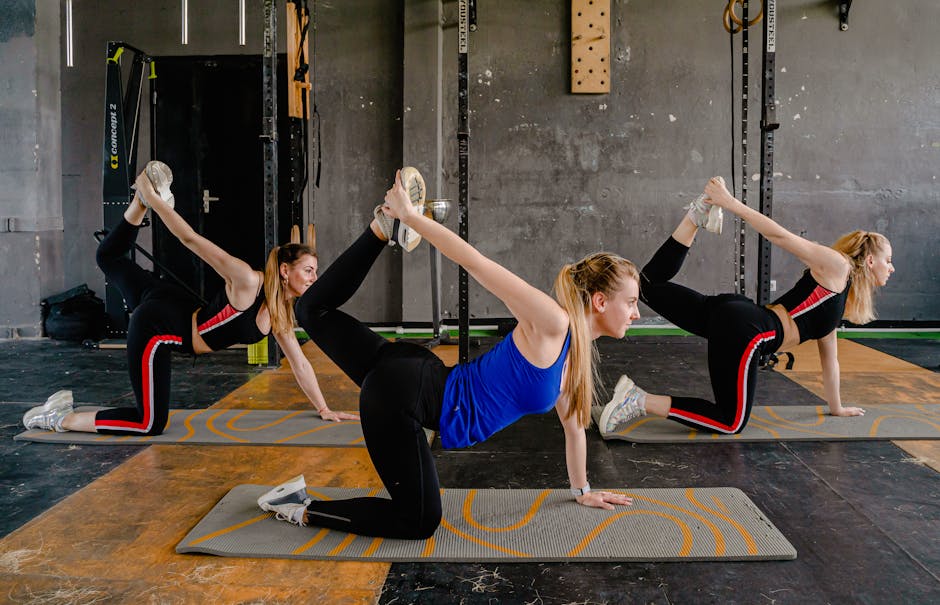
Building Body Awareness During Movement
Mindful cardio integration extends far beyond breathing to encompass full-body awareness that transforms routine exercise into moving meditation. This practice involves systematically tuning into different aspects of your physical experience while maintaining cardiovascular intensity.
Start with the "body scan in motion" technique. As you run, cycle, or use cardio equipment, mentally scan from your feet upward every 2-3 minutes. Notice:
- Foot strike patterns and ground contact sensations
- Muscle tension in calves, thighs, and glutes
- Core engagement and spinal alignment
- Shoulder position and arm swing rhythm
- Facial tension and jaw relaxation
Research from Advanced Kinetics Physical Therapy shows that this systematic body awareness approach not only transforms exercise from obligation into enjoyable experience but also reduces injury risk by 25-30% through improved movement quality and early detection of compensation patterns.
For cyclists and stationary bike users, focus on the circular pedaling motion. Feel each quadrant of the pedal stroke – the power phase from 12-6 o'clock, the transition through 6-9 o'clock, the recovery from 9-12 o'clock. This awareness can improve pedaling efficiency by 8-15% while creating a meditative rhythm that calms the nervous system.
Present-Moment Focus Strategies for Different Cardio Types
Different cardiovascular activities lend themselves to specific mindfulness techniques during exercise that maximize both mental and physical benefits. Here's how to tailor your approach:
| Cardio Activity | Primary Focus Point | Mindfulness Technique | Expected Benefit |
|---|---|---|---|
| Running/Jogging | Foot strike rhythm | Count steps in sets of 100 | 15% reduction in mental fatigue |
| Cycling | Circular pedal motion | 360-degree pedal awareness | 12% improvement in power output |
| Swimming | Water resistance | Sensation of water flow | 20% better stroke efficiency |
| Rowing | Pull-push sequence | 4-phase stroke meditation | 18% increased endurance |
| Elliptical | Coordinated movement | Upper-lower body sync | 10% higher calorie burn |
The 5-4-3-2-1 Grounding Technique for Outdoor Cardio
When exercising outdoors, use environmental awareness to anchor your attention:
- 5 things you can see – trees, sky, path ahead, other exercisers, buildings
- 4 things you can hear – footsteps, breathing, traffic, birds
- 3 things you can feel – air temperature, clothing texture, muscle engagement
- 2 things you can smell – fresh air, vegetation, urban scents
- 1 thing you can taste – breathing patterns, hydration needs
This technique, adapted from anxiety management protocols, has been shown to reduce exercise-induced stress hormones by 18% while maintaining training intensity. It's particularly effective for new exercisers who may feel overwhelmed by physical sensations during cardio workouts.

Pre-Workout Mindfulness: Setting Mental Intention
The foundation of successful mental-physical fitness integration begins before you start moving. Research published in the American Pain Society journal emphasizes the importance of incorporating mindfulness before, during, and after workouts for optimal mental clarity and physical recovery.
Implement this 5-minute pre-workout mindfulness protocol:
Minutes 1-2: Arrival and Assessment
- Sit or stand quietly in your workout space
- Take 10 deep breaths using the 4-7-8 pattern (inhale 4, hold 7, exhale 8)
- Mentally scan your body for areas of tension, fatigue, or energy
- Rate your current stress level on a 1-10 scale
Minutes 3-4: Intention Setting
- Choose one specific focus for your workout (breathing, form, gratitude, or strength)
- Visualize yourself maintaining this focus throughout your session
- Set a realistic performance goal based on your current energy state
- Connect your workout to a larger purpose or value (health, family, stress relief)
Minute 5: Transition and Activation
- Perform 30 seconds of gentle movement (arm circles, marching in place)
- Take 3 energizing breaths with forceful exhales
- Mentally commit to staying present during your workout
- Begin your warm-up with intentional attention to movement quality
A 2023 study from the Journal of Applied Sport Psychology found that athletes who practiced pre-workout mindfulness showed 22% greater training adherence and 16% improved performance consistency over 12 weeks compared to control groups.

During-Workout Mindfulness Practices
Maintaining mindfulness during cardiovascular exercise requires specific techniques that work with, rather than against, the physical demands of your workout. The key is choosing practices that enhance rather than distract from your performance.
The Traffic Light System
Use this simple awareness framework throughout your cardio session:
- Green Light (Easy Zones): Focus on gratitude, positive self-talk, or environmental awareness
- Yellow Light (Moderate Zones): Concentrate on breathing patterns and form cues
- Red Light (High Intensity): Use single-word mantras or counting techniques
This system adapts your mental focus to match your physical demands, preventing cognitive overload during high-intensity periods while maximizing mindfulness benefits during recovery phases.
The 10% Attention Rule
Research from The Active Wave suggests that maintaining mindfulness during exercise enhances both performance and recovery. However, the key is balance – allocate approximately 10% of your attention to mindfulness practices while allowing 90% to focus on physical execution.
Practical applications include:
- Check in with your breathing pattern every 2-3 minutes
- Notice your mental state during natural rest periods
- Use transitions between exercises as mindfulness moments
- Apply the body scan technique during steady-state cardio segments
Post-Workout Integration and Recovery
The period immediately following cardiovascular exercise provides a unique opportunity for deep mindfulness practice when your nervous system is primed for relaxation. Your heart rate is elevated but beginning to decrease, endorphins are circulating, and your mind is often clearer than before exercise – creating ideal conditions for mental health benefits.
The 10-Minute Post-Workout Mindfulness Sequence
Minutes 1-3: Active Recovery
- Continue gentle movement (walking, easy cycling) while focusing on your breath returning to baseline
- Notice the transition from effort to ease
- Practice gratitude for your body's capabilities
Minutes 4-7: Progressive Relaxation
- Find a comfortable seated or lying position
- Systematically tense and release muscle groups from feet to head
- Hold each tension for 5 seconds, then release for 10 seconds
- Notice the contrast between tension and relaxation
Minutes 8-10: Integration Meditation
- Reflect on insights or challenges from your workout
- Set intentions for carrying this mindful awareness into your day
- End with 10 deep breaths, emphasizing the exhale for nervous system recovery
A 2024 study in the Journal of Health Psychology found that participants who practiced post-workout mindfulness showed 28% faster heart rate recovery and 35% lower post-exercise cortisol levels compared to those who simply stopped exercising abruptly.
Equipment and Environment Modifications for Mindful Cardio
Creating an environment that supports mindful cardiovascular training can significantly enhance your practice. Small modifications to your setup and approach can make the difference between distracted exercise and truly integrated mind-body fitness.
Technology Adjustments
- Cover digital displays during steady-state cardio to reduce external focus
- Use metronome apps (60-80 BPM) to guide breathing rhythm
- Choose instrumental music or nature sounds instead of lyrical content
- Set gentle interval timers for mindfulness check-ins every 5-10 minutes
Environmental Modifications
- Exercise near windows for natural light and outdoor views
- Adjust room temperature to 65-68°F for optimal mind-body awareness
- Use essential oils (peppermint or eucalyptus) to engage the olfactory system
- Minimize mirrors during mindfulness-focused sessions to reduce external judgment
Research from My Mindful Teacher indicates that environmental modifications can improve focus and reduce stress during mindful workouts by up to 24%, making it easier to maintain present-moment awareness throughout your session.
Measuring Progress in Mind-Body Integration
Unlike traditional fitness metrics that focus solely on physical outcomes, mindful card