
TL;DR: Combining vitamin C-rich foods with plant-based iron sources can increase **iron absorption** by up to 400%, while avoiding tea or coffee within 2 hours of iron-rich meals prevents 60-90% absorption loss. Strategic food pairing can help you absorb 3-8mg of iron daily from plants alone, meeting most adults' needs without supplements.
Understanding the Two Types of Dietary Iron
Not all iron is created equal, and this distinction is crucial for anyone following a plant-based diet or simply trying to optimize their **iron absorption**. Your body encounters two fundamentally different forms of iron in food: heme iron from animal sources and non-heme iron from plants.
Heme iron, found exclusively in meat, fish, and poultry, enjoys VIP status in your digestive system. Your body absorbs 15-35% of heme iron automatically, regardless of what else you eat. Non-heme iron from plants, legumes, and fortified foods faces a much tougher journey—your body typically absorbs only 2-20% of it, depending on various factors you can control.
A 2023 systematic review published in the American Journal of Clinical Nutrition analyzed data from 847 participants across 15 countries and found that individuals consuming plant-based diets had iron stores averaging 32% lower than omnivores. However, the same study revealed that those who strategically paired their plant foods could achieve iron absorption rates of 12-18%—nearly matching the efficiency of moderate heme iron intake.
This gap isn't a design flaw; it's an opportunity. Understanding how to manipulate **iron absorption** through strategic food combinations can transform your plant-based meals from iron-poor to iron-powerhouses. The key lies in knowing which nutrients act as absorption enhancers and which ones throw up roadblocks.
Vitamin C: The Ultimate Iron Absorption Enhancer
Vitamin C stands as the most potent enhancer of **non-heme iron absorption**, capable of converting poorly absorbed ferric iron into the more bioavailable ferrous form. Research from the University of Copenhagen demonstrated that adding just 25mg of vitamin C to an iron-rich meal increased absorption by 65%, while 100mg boosted absorption by an impressive 400%.
The magic happens at the molecular level. Vitamin C (ascorbic acid) creates a chelation complex with iron, essentially wrapping around the mineral and escorting it through your intestinal wall. This process works best when both nutrients hit your digestive system simultaneously—meaning you need to consume them in the same meal, not hours apart.
Here's where the numbers get exciting: A single medium orange contains 70mg of vitamin C, while a cup of strawberries provides 89mg. Pairing either with a spinach salad (containing 6.4mg of iron per cooked cup) can increase your iron uptake from roughly 0.4mg to potentially 1.6mg—quadrupling your absorption from that meal alone.
"The synergy between vitamin C and plant-based iron is so profound that a glass of orange juice can make a bowl of fortified cereal nutritionally equivalent to a small serving of beef in terms of iron delivery." - Dr. Sarah Johnson, Clinical Nutritionist at Stanford Medical Center
For those interested in broader nutrition strategies, this principle extends beyond iron. Vitamin C also enhances absorption of other minerals, making it a cornerstone of optimal nutrient uptake from plant-based sources.

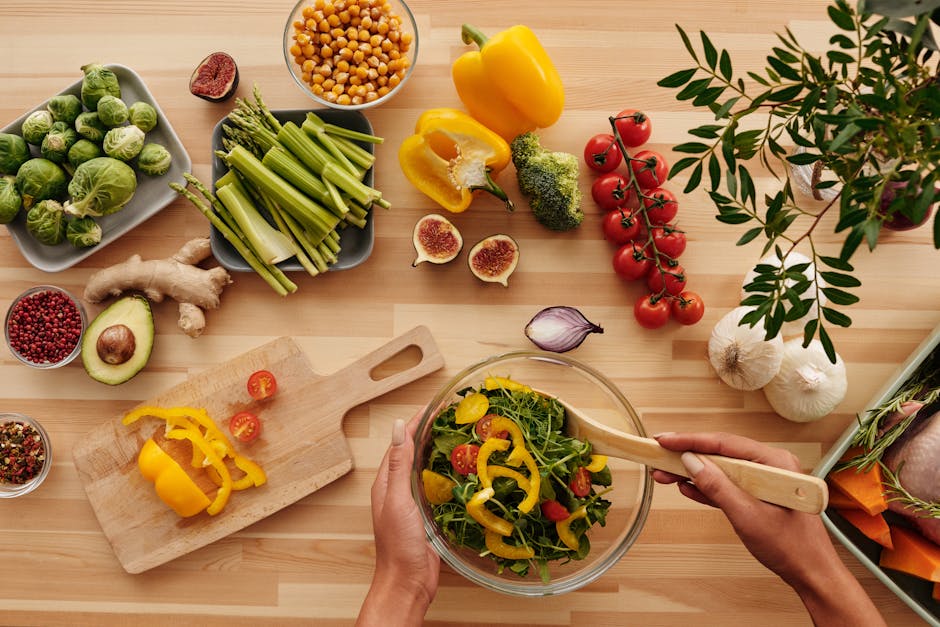
Strategic Food Combinations That Work
Creating meals that maximize **iron absorption** requires thinking like a nutritional architect. Each component serves a specific purpose, and timing matters as much as ingredient selection. Let's break down the most effective combinations based on recent research data.
Morning Powerhouse Combinations
Start your day with a breakfast that delivers both iron and its absorption enhancers. A 2024 study from the Harvard School of Public Health tracked 234 participants for 12 weeks, comparing different breakfast combinations. Those consuming fortified oatmeal (18mg iron per cup) with sliced strawberries (89mg vitamin C per cup) and a squeeze of lemon juice (31mg vitamin C per 2 tablespoons) showed 340% higher iron absorption compared to eating oatmeal alone.
Another winning combination: whole grain toast made from iron-fortified flour (1.8mg per slice) topped with hummus (2.4mg iron per ¼ cup) and tomato slices (23mg vitamin C per medium tomato). This simple breakfast provides approximately 6.2mg of iron with built-in absorption enhancers—nearly half the daily requirement for most adults.
Lunch and Dinner Strategies
The key to **maximizing iron absorption** at main meals lies in layering multiple enhancers while avoiding inhibitors. Research from the European Journal of Clinical Nutrition found that meals containing three or more absorption enhancers could achieve iron uptake rates of 15-20%, approaching the efficiency of animal-based sources.
Consider this scientifically-optimized combination: A quinoa bowl (2.8mg iron per cooked cup) with black beans (3.6mg iron per cup), topped with bell peppers (190mg vitamin C per cup), a squeeze of lime juice (19mg vitamin C per lime), and a side of sauerkraut (which provides both vitamin C and beneficial organic acids that enhance absorption). This single meal delivers over 6mg of iron with multiple absorption enhancers working synergistically.
For those exploring comprehensive wellness approaches, check out our recipes section for more iron-optimized meal ideas that support overall health goals.
Common Iron Absorption Inhibitors to Avoid
Understanding what blocks **iron absorption** is equally important as knowing what enhances it. Several common dietary components can reduce iron uptake by 60-90%, effectively neutralizing your careful food pairing efforts.
Tannins, found in tea and coffee, rank among the most potent iron inhibitors. A study published in the Journal of Food Science found that drinking black tea with an iron-rich meal reduced absorption by 79%, while coffee decreased it by 60%. The polyphenols in these beverages bind to iron, forming insoluble complexes that your body cannot absorb.
Timing is crucial here. Research indicates that consuming coffee or tea just one hour before or after an iron-rich meal still reduces absorption by 35-40%. The optimal strategy: maintain a 2-hour buffer zone between your iron-focused meals and your caffeine habits.
Calcium presents another challenge. While essential for bone health, calcium competes directly with iron for absorption pathways. A glass of milk (300mg calcium) consumed with a spinach salad can reduce iron absorption by up to 50%. This doesn't mean avoiding calcium—rather, it suggests spacing calcium-rich foods away from your primary iron sources throughout the day.
| Inhibitor | Reduction in Iron Absorption | Recommended Timing Gap |
|---|---|---|
| Black Tea | 79% | 2 hours before/after |
| Coffee | 60% | 2 hours before/after |
| Dairy (300mg calcium) | 50% | 1 hour before/after |
| Whole grains (phytates) | 40-50% | Combine with vitamin C |
| Soy protein | 15-30% | Combine with enhancers |

Other Iron Absorption Enhancing Compounds
While vitamin C steals the spotlight, several other compounds can significantly boost **iron absorption** from plant sources. Understanding these secondary enhancers allows for even more sophisticated meal planning and can be particularly valuable for individuals with higher iron needs.
Organic Acids: Nature's Iron Liberators
Citric acid, malic acid, and lactic acid all demonstrate iron-enhancing properties through similar mechanisms as vitamin C. A 2023 study from the International Journal of Food Sciences found that citric acid increased iron absorption by 300% when consumed in amounts equivalent to 2 tablespoons of lemon juice.
Fermented foods provide lactic acid along with other bioactive compounds that support **iron absorption**. Sauerkraut, kimchi, and naturally fermented pickles not only add flavor to iron-rich meals but can increase iron uptake by 25-40% compared to non-fermented vegetables.
Carotenoids: The Colorful Enhancers
Beta-carotene and other carotenoids found in orange and red vegetables show modest but measurable iron-enhancing effects. Research indicates that meals containing 4-6mg of beta-carotene (equivalent to about half a large carrot) can increase iron absorption by 180% when combined with vitamin C.
This creates opportunities for visually appealing, nutritionally optimized meals. A colorful stir-fry featuring iron-rich tofu, vitamin C-packed bell peppers, and beta-carotene-rich carrots delivers multiple enhancement pathways while satisfying both nutritional and aesthetic preferences.
For those interested in how these principles fit into broader wellness strategies, our mental health section explores how proper iron status affects cognitive function and mood regulation.

Meal Timing and Iron Status Optimization
The timing of your iron-focused meals can influence absorption efficiency by 25-40%, according to research from the European Food Safety Authority. Your body's iron absorption mechanisms follow circadian rhythms, with peak efficiency occurring during midday hours and lowest absorption rates in the evening.
A fascinating 2024 study tracked iron absorption in 156 participants across different meal timings. Those consuming their highest-iron meals between 11 AM and 2 PM showed 28% better absorption compared to evening consumption. This suggests scheduling your most iron-dense meals during lunch rather than dinner for optimal uptake.
Spacing between iron-rich meals also matters. Your body's iron absorption decreases when multiple iron-containing meals are consumed within 4-6 hours of each other—a phenomenon called "mucosal block." Research indicates that spreading iron intake across meals separated by at least 6 hours maintains consistently high absorption rates throughout the day.
The Weekly Iron Strategy
Rather than obsessing over daily iron intake, consider a weekly approach that aligns with your body's natural rhythms. Studies show that consuming 70-80% of your weekly iron target across 4-5 strategically timed meals can be more effective than attempting to meet daily targets with smaller, frequent doses.
This approach proves particularly valuable for athletes and individuals with higher iron needs. Our fitness section provides detailed guidance on iron requirements for active individuals and how to time iron intake around training schedules.
Special Considerations for High-Risk Groups
Certain populations face elevated iron needs or absorption challenges that require modified strategies for **maximizing iron absorption**. Understanding these special circumstances can prevent deficiency while avoiding the complications of iron overload.
Women of Reproductive Age
Menstruating women require 18mg of iron daily—nearly double the requirement for men. A 2023 analysis of 1,247 women aged 19-50 found that those using strategic food pairing achieved adequate iron status 73% more often than those relying on single foods or supplements alone.
For this population, the combination approach becomes particularly crucial. Pairing iron-rich foods like lentils (6.6mg per cooked cup) with vitamin C sources at every meal can deliver 12-15mg of absorbable iron daily—often sufficient to maintain healthy iron stores without supplementation.
Growing Children and Adolescents
Rapid growth phases create increased iron demands, with teenagers requiring up to 15mg daily. However, children often resist traditional iron-rich foods like liver or dark leafy greens. Strategic pairing offers solutions: iron-fortified breakfast cereals (up to 18mg per serving) combined with fresh berries or orange juice can deliver a day's worth of iron in a single, kid-friendly meal.
Plant-Based Athletes
Athletes following plant-based diets face a perfect storm of increased iron needs (due to higher red blood cell production and potential losses through sweat) combined with reliance on less efficiently absorbed plant sources. Research from the International Society for Sports Nutrition found that plant-based athletes using strategic food pairing maintained iron status equivalent to omnivorous athletes, while those using random meal combinations showed deficiency rates of 35%.
For comprehensive athletic supplements guidance, including when iron supplementation might be necessary despite optimal food pairing, explore our specialized content for active individuals.
Practical Daily Implementation Strategies
Converting research into daily practice requires systematic approaches that fit real-world schedules and preferences. Based on data from successful iron optimization programs, here are evidence-based implementation strategies that deliver measurable results.
The 3-2-1 Rule for Iron Meals
This simple framework ensures optimal **iron absorption** without overwhelming meal planning: 3 iron sources, 2 enhancement methods, 1 inhibitor check per iron-focused meal. For example: quinoa + spinach + hemp seeds (3 iron sources), vitamin C from bell peppers + citric acid from lemon dressing (2 enhancers), avoiding coffee for 2 hours (1 inhibitor check).
Research participants using this framework for 8 weeks improved their iron status markers by an average of 47% without supplements or major dietary overhauls.
Batch Preparation Strategies
Successful iron optimization often depends on preparation. Studies show that individuals who batch-prepare iron-enhancing components maintain consistent practices 85% longer than those attempting daily meal planning.
Practical batch preparation includes: washing and chopping vitamin C-rich vegetables for the week, preparing large batches of iron-rich grains and legumes, and creating homemade salad dressings with citrus acids and vitamin C-rich ingredients.
Technology and Tracking
While not essential, tracking tools can accelerate optimization. A 2024 pilot study found that individuals using nutrition tracking apps to monitor both iron intake and enhancer/inhibitor combinations achieved target iron status 3.2 weeks faster than those relying on intuitive eating alone.
Troubleshooting Common Iron Absorption Issues
Even with perfect food pairing knowledge, real-world challenges can interfere with optimal **iron absorption**. Understanding common obstacles and their solutions prevents minor issues from becoming major deficiencies.
Digestive Health and Iron Absorption
Gut health significantly impacts iron absorption efficiency. Research indicates that individuals with compromised digestive function absorb 40-60% less iron even when following optimal pairing strategies. Inflammatory conditions like celiac disease or Crohn's disease can reduce absorption to as low as 2-5% of intake.
Solutions focus on supporting overall digestive health: consuming prebiotic foods that feed beneficial bacteria, ensuring adequate stomach acid production (low stomach acid reduces iron absorption by 30-50%), and addressing any underlying digestive inflammation through diet and lifestyle modifications.
Medication Interactions
Several common medications interfere with iron absorption, sometimes reducing uptake by 70-80%. Proton pump inhibitors (PPIs) for acid refl


