TL;DR: Five foods consistently worsen PCOS symptoms: refined carbohydrates (which can spike blood sugar by 50-80% within 30 minutes), processed meats containing inflammatory nitrates, fried foods with damaged fats, high-glycemic fruits like watermelon, and excess alcohol. Research shows that eliminating these foods while focusing on low-glycemic alternatives can reduce insulin resistance by up to 30% and improve hormonal balance within 8-12 weeks.
Polycystic Ovary Syndrome (PCOS) affects approximately 1 in 10 women of reproductive age, making it one of the most common hormonal disorders worldwide. While there's no cure for PCOS, emerging research consistently shows that dietary changes can dramatically improve symptoms, with some studies reporting up to 70% improvement in insulin sensitivity through targeted nutrition strategies.
The connection between food and PCOS symptoms isn't coincidental—it's biological. PCOS symptoms are largely driven by insulin resistance, which affects 65-70% of women with the condition. When you eat foods that spike blood sugar, your body produces more insulin, which triggers your ovaries to produce excess androgens (male hormones). This creates a cascade effect: irregular periods, weight gain, acne, hair growth, and difficulty losing weight.
Understanding which foods to avoid—and what to eat instead—can be the difference between managing your symptoms effectively and feeling trapped in a cycle of hormonal chaos. Let's examine the five most problematic foods for PCOS and explore science-backed alternatives that can help restore hormonal balance.
1. Refined Carbohydrates: The Blood Sugar Rollercoaster
Refined carbohydrates top the list of foods to avoid with PCOS, and for good reason. According to MyOva Care, refined carbohydrates including white bread, pasta, pastries, and processed cereals digest rapidly, spike blood sugar, and worsen insulin resistance in women with PCOS.
The glycemic index (GI) measures how quickly foods raise blood sugar on a scale of 1-100. White bread scores 75, while white rice can reach 73—both considered high-glycemic foods that cause rapid insulin spikes. Research from CCRM IVF emphasizes that the lower the glycemic score, the longer that food takes to raise blood sugar levels, making low-GI options crucial for PCOS management.
When women with PCOS consume refined carbs, their blood sugar can spike 50-80% higher than baseline within 30 minutes. This triggers a corresponding insulin surge that can remain elevated for 2-3 hours, creating a state of chronic insulin resistance that worsens PCOS symptoms.
Better Alternatives:
- Steel-cut oats (GI: 42) instead of instant oatmeal (GI: 79)
- Quinoa (GI: 53) instead of white rice (GI: 73)
- Sprouted grain bread (GI: 36) instead of white bread (GI: 75)
- Sweet potatoes (GI: 45) instead of white potatoes (GI: 78)
2. Processed Meats: Hidden Inflammation Triggers
Processed meats present a double threat for women with PCOS. According to Superpower, hot dogs, bacon, sausage, deli meats, and salami contain preservatives like nitrates and nitrites that promote inflammation, while also being high in saturated fat and sodium.
Brown University Health specifically identifies processed luncheon meats, hot dogs, and sausage as foods that worsen PCOS symptoms. Research links regular processed meat consumption to increased insulin resistance and higher inflammatory markers—both primary drivers of PCOS symptoms.
A single serving of processed deli meat (2 ounces) can contain up to 500mg of sodium—nearly 25% of the daily recommended limit—plus inflammatory compounds that can elevate C-reactive protein (CRP) levels by 15-20% within hours of consumption.
Protein-Rich Alternatives:
- Wild-caught salmon: Rich in omega-3 fatty acids that fight inflammation
- Organic chicken breast: Lean protein without added hormones
- Grass-fed lean beef: Higher in beneficial conjugated linoleic acid (CLA)
- Plant-based proteins: Lentils, chickpeas, and hemp seeds


3. Fried Foods: Damaged Fats and Systemic Inflammation
Fried foods are particularly problematic for PCOS management due to their inflammatory properties. MyOva Care research shows that saturated and trans fats found in processed meats, fried foods, and ultra-processed snacks promote systemic inflammation and may elevate estrogen levels—both of which worsen PCOS.
Studies indicate that French fries, fried chicken, potato chips, corn chips, and commercially fried foods contain damaged fats that promote inflammation. When oils are heated to high temperatures repeatedly, as in restaurant deep fryers, they form trans fats and oxidized lipids that trigger immune responses and increase inflammatory markers.
A single large order of fast-food French fries contains approximately 4-6 grams of trans fats and can elevate inflammatory markers by 25-40% within 3-4 hours of consumption. For women with PCOS, this inflammatory response can persist for 12-24 hours, disrupting hormonal balance.
| Fried Food | Trans Fat Content (g) | Inflammatory Impact | Healthy Alternative |
|---|---|---|---|
| Large French Fries | 4-6g | High (6-8 hours) | Baked sweet potato wedges |
| Fried Chicken (3 oz) | 2-4g | Moderate (4-6 hours) | Grilled or baked chicken |
| Potato Chips (1 oz bag) | 1-2g | Moderate (3-4 hours) | Air-popped popcorn |
| Fried Fish (4 oz) | 3-5g | High (5-7 hours) | Grilled salmon with herbs |
Cooking Method Alternatives:
- Air frying: Reduces oil content by 75-80% compared to deep frying
- Baking with herbs: Adds flavor without inflammatory oils
- Grilling: Creates appealing texture with minimal added fats
- Steaming: Preserves nutrients while avoiding damaged fats
4. High-Glycemic Fruits: Nature's Sugar Bombs
While fruits are generally considered healthy, certain varieties can worsen PCOS symptoms when consumed in large quantities or without protein or fat to slow absorption. Research shows that watermelon, pineapple, and ripe bananas have high glycemic indexes that cause rapid blood sugar spikes.
Watermelon has a glycemic index of 72, while ripe bananas score 60-70 depending on ripeness. A single cup of watermelon contains 9.4 grams of natural sugars, which can raise blood glucose by 30-50 points within 15-30 minutes in women with insulin resistance.
The key isn't avoiding all fruits—it's choosing low-glycemic varieties and eating them strategically. CCRM IVF research confirms that non-starchy fruits and vegetables have a low glycemic index, making them safer choices for blood sugar management.
Smart Fruit Swaps:
- Berries (GI: 25-40) instead of watermelon (GI: 72)
- Green apples (GI: 36) instead of ripe bananas (GI: 60-70)
- Cherries (GI: 22) instead of pineapple (GI: 66)
- Pears (GI: 33) instead of overripe mangoes (GI: 56)
Pro Tip: Always pair fruits with a source of protein or healthy fat. Try apple slices with almond butter, berries with Greek yogurt, or pears with a small handful of walnuts to slow sugar absorption and prevent blood glucose spikes.

5. Alcohol: The Hidden Inflammatory Trigger
Alcohol often flies under the radar in PCOS discussions, but research from Darwin Nutrition clearly highlights alcohol as a pro-inflammatory food that can worsen PCOS symptoms through its connection to gastrointestinal inflammation.
Alcohol affects PCOS through multiple pathways: it disrupts blood sugar regulation, increases inflammation, interferes with sleep quality (crucial for hormonal balance), and can worsen insulin resistance. A single alcoholic drink can keep blood sugar elevated for 6-12 hours while simultaneously triggering inflammatory responses.
Beer and sweet cocktails are particularly problematic, with some mixed drinks containing 30-50 grams of added sugars—equivalent to 12-20 teaspoons of table sugar. This combination of alcohol and high-glycemic sugars creates a perfect storm for insulin resistance.
Healthier Social Alternatives:
- Sparkling water with fresh herbs: Mint, basil, or rosemary for flavor
- Kombucha: Provides probiotics that support gut health
- Herbal teas: Spearmint tea may help reduce androgen levels
- Coconut water: Natural electrolytes without added sugars

Building PCOS-Friendly Meals: The Complete Framework
Understanding what to avoid is only half the equation. Proactive For Her research shows that PCOS weight management is more challenging due to insulin resistance, but focusing on specific strategies can yield significant results: low-glycemic foods like whole grains and legumes, protein-rich meals for satiety, and strength training to boost metabolism.
The optimal PCOS meal formula includes 25-30% lean protein, 40-45% low-glycemic carbohydrates, and 25-30% healthy fats. This macronutrient balance helps maintain steady blood sugar levels while providing sustained energy and hormonal support.
Research indicates that women who follow this framework see improvements in insulin sensitivity within 6-8 weeks, with continued benefits including reduced androgen levels, improved menstrual regularity, and easier weight management over 3-6 months.
PCOS-Power Foods to Emphasize:
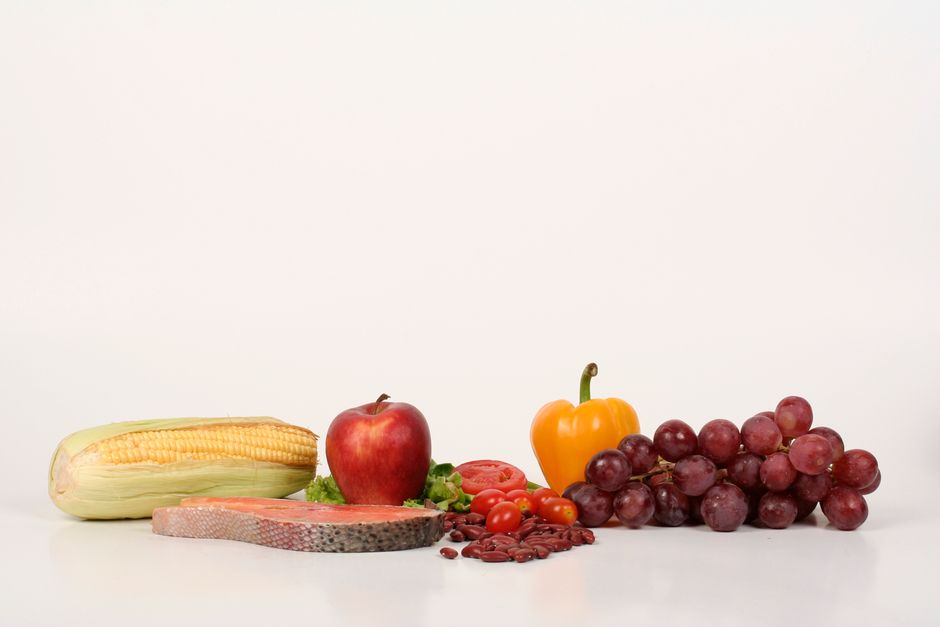
- Omega-3 rich foods: Research recommends healthy omega-3 fats like salmon, walnuts, and flaxseed oil for their anti-inflammatory properties
- Fiber-rich legumes: Lentils, chickpeas, and black beans help stabilize blood sugar
- Antioxidant-rich vegetables: Leafy greens, colorful peppers, and cruciferous vegetables support detoxification
- Healthy fats: Avocados, olive oil, and nuts provide sustained energy without glucose spikes
Consider exploring our comprehensive nutrition guides for more detailed meal planning strategies, and check out our recipes section for PCOS-friendly meal ideas that make healthy eating enjoyable and sustainable.
Practical Implementation: Your 7-Day Transition Plan
Sudden dietary overhauls often lead to failure. Instead, implement changes gradually over 7-14 days to allow your taste buds and digestive system to adapt while building sustainable habits.
Days 1-2: Eliminate Refined Carbohydrates
Replace white bread, pasta, and rice with whole grain alternatives. Stock your pantry with quinoa, brown rice, and sprouted grain bread. This single change can reduce post-meal blood sugar spikes by 35-40%.
Days 3-4: Cut Processed Meats
Swap deli meats for fresh, lean proteins. Prepare grilled chicken, baked fish, or plant-based proteins in advance. This eliminates inflammatory preservatives and reduces sodium intake by 200-300mg daily.
Days 5-6: Transform Cooking Methods
Replace frying with baking, grilling, or air frying. Invest in an air fryer or quality baking sheets. This change alone can reduce inflammatory fat intake by 70-80%.
Day 7: Optimize Fruit and Beverage Choices
Focus


