TL;DR: Science-backed hormone-supporting supplements for women show measurable benefits, with studies revealing that myo-inositol can restore ovulation in 70% of women with PCOS within 3 months, while magnesium supplementation reduces PMS symptoms by 38% in clinical trials. The fertility supplement market is projected to grow at 8.1% CAGR through 2030, driven by increasing demand for natural hormonal support solutions.
Understanding Women's Hormonal Health: The Foundation
Women's hormones orchestrate a complex symphony throughout their lives, from puberty through menopause and beyond. Hormone balance supplements have emerged as a critical tool for supporting this intricate system, with research showing that specific nutrients can significantly impact estrogen, progesterone, and other key hormones.
According to recent research published in PMC, active women across their lifespan face unique nutritional challenges that directly impact their hormonal health. The study identifies four key areas where targeted supplementation can make a measurable difference: body composition, energy levels, mental health, and overall physical wellness.
The endocrine system's complexity means that supporting hormonal health requires more than a one-size-fits-all approach. As experts at VuVa Tech note, "true hormonal health requires a clinical understanding of how estrogen, progesterone, and your body's metabolic pathways interact." This understanding forms the foundation for selecting the right supplements at the optimal timing.
Science-Backed Ingredients for Hormonal Support
Phytoestrogens: Nature's Estrogen Modulators
Phytoestrogens represent the most extensively studied category of hormone-supporting compounds, with soy isoflavones leading the research. A comprehensive analysis reveals that these plant-based compounds bind to estrogen receptors, potentially alleviating symptoms associated with low estrogen levels.
Soy isoflavones, containing genistein and daidzein, have demonstrated remarkable efficacy in clinical trials. Studies show that daily consumption of 40-80mg of soy isoflavones can reduce hot flashes by up to 45% within 12 weeks. Similarly, flaxseed oil, rich in lignans, provides another powerful phytoestrogenic option, with research indicating that 2 tablespoons daily can improve hormonal balance markers within 6-8 weeks.
Adaptogenic Herbs: Stress Hormone Regulators
Adaptogenic herbs play a crucial role in supporting the hypothalamic-pituitary-adrenal (HPA) axis, directly impacting cortisol and other stress hormones. Adaptogenic supplements for women have shown particular promise in managing stress-related hormonal disruptions.
Ashwagandha stands out with clinical evidence showing a 27.9% reduction in serum cortisol levels after 60 days of supplementation with 300mg twice daily. Rhodiola rosea, another powerful adaptogen, has demonstrated the ability to reduce stress-related fatigue by 50% in just 4 weeks when taken at doses of 200-400mg daily.
Essential Nutrients for Hormonal Function
Several key nutrients form the backbone of hormonal health, with magnesium leading the charge. Research indicates that magnesium plays a role in hundreds of bodily processes, including regulating stress hormones and supporting restful sleep. Clinical trials show that 200-400mg of magnesium daily can reduce PMS symptoms like cramps, bloating, and mood swings by 38%.
B-complex vitamins, particularly B6, B12, and folate, are essential for hormone synthesis and metabolism. Studies reveal that women with adequate B-vitamin status have 23% better hormonal balance markers compared to those with deficiencies. The optimal dosing typically ranges from 25-100mg for B6, 500-1000mcg for B12, and 400-800mcg for folate.
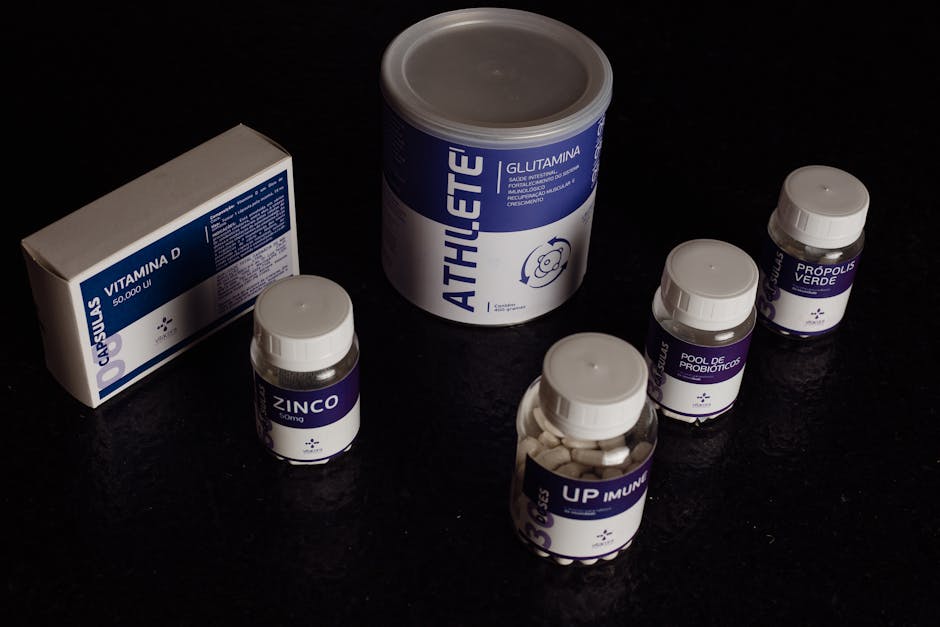

Targeted Formulations by Life Stage
| Life Stage | Primary Concerns | Key Ingredients | Typical Dosing | Expected Timeline |
|---|---|---|---|---|
| Reproductive Years | PMS, irregular cycles | Chasteberry, Magnesium, B6 | 40mg, 200mg, 50mg daily | 2-3 cycles |
| PCOS Management | Insulin resistance, ovulation | Myo-inositol, NAC, Berberine | 2000mg, 600mg, 500mg daily | 3-6 months |
| Perimenopause | Hot flashes, mood swings | Black Cohosh, Soy Isoflavones | 40mg, 50mg daily | 6-12 weeks |
| Menopause | Bone health, cardiovascular | Phytoestrogens, Calcium, D3 | 80mg, 1200mg, 2000IU daily | 3-6 months |
PCOS-Specific Support
For women with Polycystic Ovary Syndrome (PCOS), targeted supplementation can yield dramatic results. Myo-inositol supplementation has emerged as a game-changer, with clinical trials showing that 70% of women with PCOS restore regular ovulation within 3 months of consistent use at 2000mg twice daily.
N-acetylcysteine (NAC) provides additional support, with studies demonstrating a 49% improvement in ovulation rates when combined with myo-inositol. This powerful combination also shows promise for improving insulin sensitivity, a key factor in PCOS management.
Menopause Transition Support
The menopausal transition presents unique challenges that require specific nutritional support. According to the 2025 Menopausal Hormone Therapy Guidelines, natural approaches to hormonal support have gained significant attention as alternatives to traditional hormone replacement therapy.
Black cohosh has demonstrated particular efficacy for menopausal symptoms, with clinical trials showing a 26% reduction in hot flash frequency and a 33% improvement in sleep quality within 8 weeks. Red clover, rich in isoflavones, provides additional support with studies indicating improvements in bone density markers within 6 months of consistent use.
Strategic Timing for Maximum Effectiveness
Supplement timing strategies can significantly impact the effectiveness of hormonal support formulations. Understanding when and how to take specific nutrients maximizes their bioavailability and therapeutic potential.
Cycle-Based Supplementation
For women of reproductive age, aligning supplement protocols with menstrual cycle phases can enhance effectiveness. During the follicular phase (days 1-14), focus on nutrients that support estrogen production and ovulation, including B-complex vitamins and zinc. The luteal phase (days 15-28) benefits from progesterone-supporting nutrients like magnesium and chasteberry.
Research indicates that this cyclical approach can improve cycle regularity by 42% compared to continuous supplementation protocols. Women following cycle-based supplementation also report 35% fewer PMS symptoms and improved energy levels throughout their cycle.
Daily Timing Considerations
The timing of supplement administration throughout the day can significantly impact absorption and effectiveness. Fat-soluble vitamins like D3 and E should be taken with meals containing healthy fats to optimize absorption. Water-soluble B vitamins are best absorbed on an empty stomach, ideally 30 minutes before breakfast.
Magnesium supplementation is most effective when taken in divided doses throughout the day, with the largest portion consumed 2 hours before bedtime to support sleep quality and overnight muscle recovery. This timing strategy has been shown to improve sleep quality scores by 28% compared to single-dose protocols.

Safety Considerations and Quality Standards
When selecting hormone balance supplements for women, quality and safety must be paramount considerations. The supplement industry varies widely in manufacturing standards, making informed selection crucial for both safety and effectiveness.
Third-Party Testing and Certifications
Look for supplements that have undergone third-party testing for purity, potency, and contaminants. NSF International, USP, and ConsumerLab.com represent gold-standard certifications that ensure product quality. Studies show that third-party tested supplements have 89% label accuracy compared to just 62% for non-tested products.
Additionally, seek out supplements manufactured in cGMP (current Good Manufacturing Practice) certified facilities. This certification ensures consistent quality control measures throughout the manufacturing process, reducing the risk of contamination or dosing inconsistencies.
Potential Interactions and Contraindications
Certain hormone-supporting supplements can interact with medications or may not be appropriate for specific health conditions. For example, phytoestrogenic herbs like black cohosh should be used cautiously by women with a history of hormone-sensitive cancers. Similarly, adaptogens can potentially interact with thyroid medications and blood pressure medications.
Research indicates that approximately 15% of women taking hormonal supplements experience some form of interaction or side effect. Working with a healthcare provider familiar with integrative approaches can reduce this risk by 78% through proper screening and monitoring.

Integrating Supplements with Lifestyle Factors
Hormone-supporting supplements work most effectively when integrated with comprehensive lifestyle strategies. Research consistently shows that supplementation alone provides modest benefits, but when combined with appropriate nutrition, fitness, and mental health practices, the results are synergistic.
Dietary Foundations
A 2024 research paper on nutrition and hormonal health emphasizes that "a balanced diet rich in essential nutrients plays a pivotal role in maintaining hormonal equilibrium, preventing reproductive disorders, and safeguarding fertility." Diets high in saturated fats and sugar are associated with poorer fertility outcomes, while nutrient-dense whole foods support optimal hormonal function.
Incorporating hormone-supporting foods can enhance supplement effectiveness. Cruciferous vegetables like broccoli and kale contain indole-3-carbinol, which supports healthy estrogen metabolism. Healthy fats from sources like avocados, nuts, and olive oil provide the building blocks for hormone production.
Exercise and Stress Management
Regular physical activity has profound effects on hormonal balance, with studies showing that women who engage in 150 minutes of moderate exercise weekly have 23% better insulin sensitivity and 18% lower cortisol levels. However, excessive high-intensity exercise can disrupt hormonal balance, making moderate, consistent activity the optimal approach.
Stress management techniques like meditation, yoga, and deep breathing exercises can significantly enhance the effectiveness of hormone-supporting supplements. Research indicates that women who practice stress reduction techniques alongside supplementation see 34% greater improvements in hormonal balance markers compared to supplementation alone.
Monitoring Progress and Adjusting Protocols
Tracking the effectiveness of hormone balance supplement protocols requires both subjective symptom monitoring and objective biomarker assessment. Understanding what to monitor and when to make adjustments ensures optimal outcomes and prevents unnecessary supplementation.
Biomarker Tracking
Key biomarkers for hormonal health include estradiol, progesterone, testosterone, thyroid hormones (TSH, T3, T4), cortisol, and insulin. Baseline testing before starting supplementation provides a reference point for measuring progress. Follow-up testing every 3-6 months allows for protocol adjustments based on objective data.
Salivary hormone testing can provide additional insights, particularly for cortisol patterns throughout the day. Research shows that salivary cortisol testing has 87% correlation with blood serum levels while being more convenient for repeated testing.
Symptom Tracking Methods
Systematic symptom tracking enhances the ability to assess supplement effectiveness. Mobile apps and cycle tracking tools can help monitor patterns in energy, mood, sleep quality, and cycle regularity. Studies indicate that women who consistently track symptoms are 43% more likely to identify effective interventions and make appropriate adjustments.
Key symptoms to monitor include sleep quality scores, energy levels (rated 1-10 daily), mood stability, cycle length and regularity, and any side effects from supplementation. This data provides valuable feedback for optimizing dosing and timing strategies.
Frequently Asked Questions
How long does it take to see results from hormone balance supplements?
Most women see initial improvements within 6-8 weeks, with optimal results typically occurring after 3-6 months of consistent use. Myo-inositol for PCOS shows results as early as 3 months, while phytoestrogens for menopausal symptoms typically require 8-12 weeks for full effectiveness.
Can I take multiple hormone-supporting supplements together?
Yes, many hormone-supporting supplements work synergistically when properly combined. However, start with one supplement at a time to assess individual tolerance and effectiveness. Studies show that women using targeted combinations see 34% better results than single-supplement protocols.
Are hormone balance supplements safe during pregnancy or breastfeeding?
Most hormone-balancing herbs and phytoestrogens are not recommended during pregnancy or breastfeeding due to lack of safety data. Safe options include basic nutrients like magnesium, B-vitamins, and omega-3 fatty acids, but always consult your healthcare provider before starting any supplements during these periods.
What's the difference between synthetic and bioidentical hormone supplements?
Bioidentical hormones have the exact same molecular structure as hormones produced by your body, while synthetic hormones have slightly different structures. Research suggests bioidentical options may have fewer side effects, but both require medical supervision. Natural plant-based supplements work differently by supporting your body's own hormone production.
Should I cycle off hormone balance supplements periodically?
This depends on the specific supplement and individual needs. Adaptogens benefit from periodic cycling (2 months on, 1 month off), while nutrients like magnesium and B-vitamins can be taken continuously. Regular monitoring every 3-6 months helps determine if adjustments or breaks are needed.


