TL;DR: While social media hormone-balancing diet claims lack robust scientific support, evidence-based nutrition approaches—including consuming adequate protein (0.8-1.2g per kg body weight), healthy fats, and phytoestrogen-rich foods—can genuinely support hormonal health. Research shows that basic principles like eating enough calories, limiting processed foods, and following Mediterranean-style eating patterns provide more reliable hormonal benefits than trendy elimination protocols.
The Social Media Hormone Diet Explosion: What's Really Happening
Scroll through Instagram or TikTok for five minutes, and you'll likely encounter someone promising to "balance your hormones" through a specific diet protocol. These hormone-balancing diets have exploded across social platforms, with influencers claiming they can cure everything from acne to anxiety through strategic food elimination and supplementation.
The reality is more nuanced. According to recent research published in Nature Metabolism, social media has become a primary source for nutritional advice, where "influencers compete with, and often drown out, evidence-based guidance." This creates a concerning environment where clicks matter more than credibility.
The original hormone diet concept isn't entirely new—it was popularized over a decade ago by naturopathic doctor Natasha Turner. However, versions of these plans have recently begun popping up on social media, promoted by influencers and "functional nutrition" experts, creating significant buzz around the question of whether balancing hormones is the secret to sustainable weight management.
But here's what the science actually tells us about nutrition and hormonal health: while certain dietary approaches can genuinely support hormone function, the dramatic promises flooding your social feeds often lack the robust evidence they claim to have.
What Science Actually Says About Hormone-Supporting Nutrition
Let's separate the wheat from the chaff. Legitimate research does support certain evidence-based nutrition strategies for hormonal health, but they're often much simpler—and less dramatic—than social media suggests.
The Foundational Principles That Actually Work
According to evidence-based dietary guidelines, there are some general best practices that genuinely support hormonal health: "Eating enough food (particularly fats and proteins) and limiting highly processed and inflammatory foods can promote the health of your whole body, down to your hormones."
This means:
- Adequate caloric intake: Chronic under-eating can suppress reproductive hormones, thyroid function, and growth hormone production
- Sufficient protein: Aim for 0.8-1.2 grams per kilogram of body weight daily to support hormone synthesis
- Quality fats: Include omega-3 fatty acids, monounsaturated fats, and some saturated fats for steroid hormone production
- Minimal processing: Reduce ultra-processed foods that may contain endocrine-disrupting compounds
Specific Nutrients With Research Support
Recent research published in ScienceDirect on women's nutritional needs across life stages highlights specific compounds that genuinely support hormonal balance:
Phytoestrogens: These plant compounds can help balance declining estrogen levels, particularly during perimenopause and menopause. Sources include:
- Soy products (tofu, tempeh, edamame)
- Flaxseeds (aim for 1-2 tablespoons ground daily)
- Legumes and lentils
- Sesame seeds
Inositols: According to 2025 nutrition trend analysis, "inositols from corn and carob fruit are clinically proven to support hormonal and metabolic balance in the female reproductive cycle." The typical effective dose ranges from 2-4 grams daily.
Iron: Particularly important for women, iron deficiency can affect thyroid function and energy metabolism. Dietary sources include red meat, poultry, fish, shellfish, green leafy vegetables, beans, lentils, and fortified cereals.

Social Media Claims vs. Scientific Reality: A Critical Analysis
The gap between social media promises and scientific evidence is often vast when it comes to hormone-balancing diets. Let's examine some common claims with a critical eye.
| Social Media Claim | Scientific Evidence | Reality Check |
|---|---|---|
| "Eliminate all dairy to balance hormones" | Limited evidence; some people may benefit from reducing dairy | Individual response varies; complete elimination unnecessary for most |
| "Seed oils destroy your hormones" | Some processed seed oils may be inflammatory in excess | Moderate intake of quality oils (including some seed oils) can be part of healthy eating |
| "This supplement protocol will fix your hormones in 30 days" | Hormonal changes typically take 3-6 months to manifest | Quick fixes are rarely sustainable or evidence-based |
| "Intermittent fasting balances all hormones" | May help some markers but can negatively affect reproductive hormones in some women | Benefits are individual and context-dependent |
The Problem With Cherry-Picked Research
As noted by National Geographic's analysis of social media nutrition advice, "just because a claim links out to scientific studies doesn't mean the research supports the claims." This is particularly problematic in the hormone diet space, where:
- Single studies are presented as definitive proof
- Animal or cell studies are extrapolated to human recommendations
- Correlation is presented as causation
- Study limitations are ignored or downplayed
The Mediterranean Approach: Evidence-Based Hormone Support
Rather than following restrictive protocols promoted on social media, consider the Mediterranean dietary pattern, which has substantial research supporting its benefits for hormonal health and overall wellness.
According to WebMD's analysis of hormone diet research, "a Mediterranean diet, similar to Turner's [original hormone diet], can aid weight loss" and provides more sustainable results than restrictive elimination protocols.
Mediterranean-Style Eating for Hormonal Health
This approach emphasizes:
- Abundant vegetables and fruits: 7-10 servings daily provide antioxidants and fiber that support liver detoxification of hormones
- Quality proteins: Fish 2-3 times weekly, legumes, moderate amounts of poultry and eggs
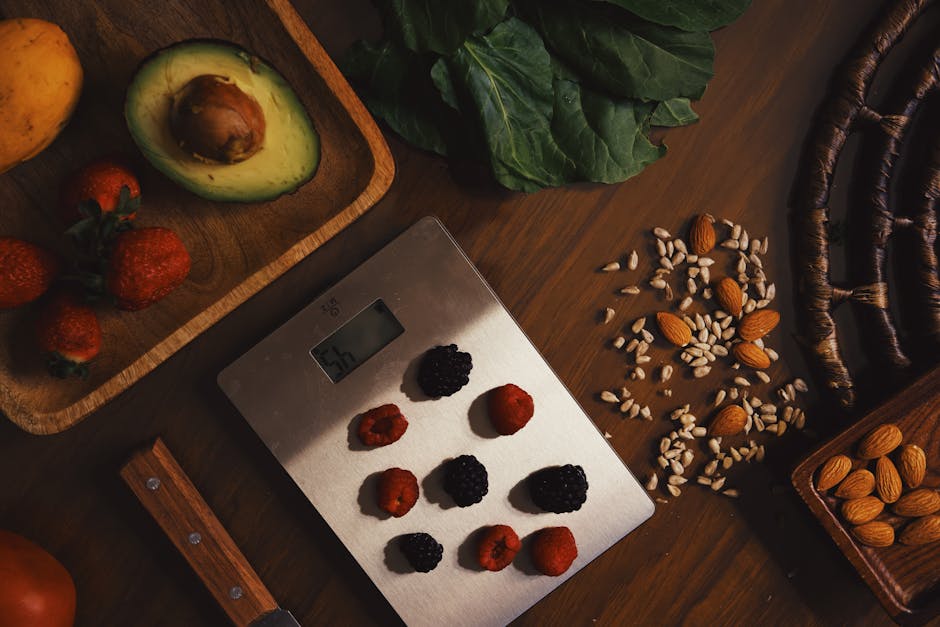
- Healthy fats: Olive oil, nuts, seeds, and avocados support hormone synthesis
- Whole grains: Provide B vitamins essential for hormone metabolism
- Moderate dairy: Yogurt and cheese can be included unless individual intolerance exists
This pattern supports hormonal health through multiple mechanisms while being sustainable and enjoyable long-term. It also integrates well with other aspects of health, including mental health and fitness goals.
Practical Implementation: Your 7-Day Hormone-Supporting Menu Framework
Rather than following a restrictive elimination protocol, try this evidence-based approach that you can implement starting today:
Daily Non-Negotiables
- Protein at each meal: 20-30 grams to support stable blood sugar and hormone synthesis
- Colorful vegetables: At least 5 servings, emphasizing variety for diverse nutrients
- Healthy fats: 2-3 servings (1 serving = 1 tbsp olive oil, 1/4 avocado, 1 oz nuts)
- Adequate hydration: Half your body weight in ounces of water daily
Weekly Targets
- Fatty fish: 2-3 servings for omega-3 fatty acids
- Legumes: 3-4 servings for fiber and plant proteins
- Phytoestrogen-rich foods: Include flaxseeds, soy, or sesame seeds daily
- Iron-rich foods: Especially important for menstruating individuals
For specific meal ideas and cooking techniques, explore our recipes section for hormone-supporting meal inspiration.

How to Identify Reliable Nutrition Information Online
Given that social media nutrition misinformation is proliferating, it's crucial to develop skills for evaluating online health information. Research published in the Cambridge Core journal Proceedings of the Nutrition Society emphasizes the need for better digital literacy around nutrition claims.
Red Flags to Watch For
- Promises of "quick fixes" or dramatic results in under 30 days
- Claims that one diet works for everyone
- Demonization of entire food groups without individual assessment
- Expensive supplement protocols presented as necessary
- Before/after photos as primary "evidence"
- Testimonials replacing peer-reviewed research
Trustworthy Information Sources
According to National Geographic's guide to evaluating nutrition advice, reliable sources include:
- U.S. Centers for Disease Control and Prevention (CDC)
- National Institutes of Health (NIH)
- PubMed database for peer-reviewed research
- Registered dietitians with relevant credentials
- Medical institutions with .edu or .gov domains
Beyond Diet: Comprehensive Hormone Support
While nutrition plays a significant role in hormonal health, it's important to recognize that hormone-balancing diets alone aren't a complete solution. According to Healthline's evidence-based recommendations, "consuming nutritious foods, exercising regularly, and engaging in other health-promoting behaviors such as meditating and getting enough sleep may go a long way toward improving your hormonal health."
The Big Picture Approach
- Sleep optimization: 7-9 hours nightly for growth hormone release and cortisol regulation
- Stress management: Chronic stress elevates cortisol, which can disrupt other hormones
- Regular movement: Both resistance training and cardiovascular exercise support hormonal balance
- Toxin reduction: Minimize exposure to endocrine disruptors in plastics, personal care products, and cleaning supplies
This integrative approach, combining evidence-based nutrition with lifestyle factors, provides more reliable results than diet modifications alone. Consider how these elements might complement your existing fitness routine and overall wellness goals.
The Supplement Reality Check: When Pills Aren't the Answer
Social media hormone diet protocols often come with extensive supplement recommendations, sometimes costing hundreds of dollars monthly. However, the evidence for most hormone-balancing supplements is limited.
Supplements With Some Evidence
- Vitamin D: Many people are deficient; optimal levels (30-50 ng/mL) support multiple hormones
- Omega-3 fatty acids: If fish intake is low, 1-2 grams EPA/DHA daily may help
- Magnesium: 200-400mg daily may support sleep and stress response
- Probiotics: Specific strains may support gut health and hormone metabolism
The Food-First Philosophy
Before investing in expensive supplement protocols, focus on optimizing your food intake. Most nutrients are better absorbed from whole foods, and a varied, adequate diet often provides what your body needs for hormonal health.
Frequently Asked Questions
How long does it take to see results from hormone-supporting dietary changes?
Realistic timeframes are 3-6 months for significant hormonal changes. Some people notice improvements in energy and sleep within 2-4 weeks, but meaningful hormone shifts take longer as your body adapts to new patterns.
Do I need to eliminate dairy and gluten to balance my hormones?
Not necessarily. While some individuals may benefit from reducing these foods, blanket elimination isn't supported by research for most people. Consider working with a registered dietitian to determine if you have specific intolerances that might affect your hormonal health.
Are expensive hormone-balancing supplements worth the investment?
Most people don't need extensive supplement protocols. Focus on food-first approaches and consider basic supplements like vitamin D and omega-3s only if your diet is inadequate or you have confirmed deficiencies through testing.


