TL;DR: Building a **home gym on any budget** costs an average of $3,141 according to a survey of 1,300 people, but you can start effectively with just $200-500. Over 73% of successful home gym owners built their setup gradually, starting with adjustable dumbbells, resistance bands, and a quality yoga mat before expanding to barbells and specialty equipment.
Why Build a Home Gym? The Data Speaks Volumes
The home fitness revolution isn't just a trend—it's a fundamental shift in how we approach fitness. According to the Sports & Fitness Industry Association's 2024 study, over 73% of home gym owners built their setup gradually rather than purchasing everything at once, proving that strategic planning trumps big upfront investments.
The financial benefits alone are compelling. Consider this: the average gym membership costs $58 per month, totaling nearly $700 annually. With the average **home gym setup costing $3,141**, your investment pays for itself in less than five years. However, research from StrongHomeGym.com surveying over 1,300 home gym owners reveals you can create an effective workout space for significantly less with smart planning.
Beyond cost savings, home gyms offer unparalleled convenience. No commute time, no waiting for equipment, and complete control over your environment means more consistent workouts. This consistency directly impacts your mental health, with regular exercise reducing anxiety symptoms by up to 20% according to numerous clinical trials.
Home Gym Budget Tiers: What You Get at Each Level
Understanding **budget-friendly home gym equipment** starts with realistic tier planning. Here's what fitness professionals recommend for each investment level:
| Budget Range | Essential Equipment | Workout Capabilities | Expected Lifespan |
|---|---|---|---|
| $200-500 | Adjustable dumbbells, resistance bands, yoga mat, stability ball | Full-body strength, cardio, flexibility | 3-5 years |
| $500-1,500 | Above + barbell set, adjustable bench, kettlebells | Advanced strength training, Olympic lifts | 7-10 years |
| $1,500-3,000 | Above + squat rack, premium plates, specialty equipment | Professional-level training | 15+ years |
| $3,000+ | Multi-gym systems, cardio machines, complete setup | Commercial gym replacement | 20+ years |
Starter Budget ($200-500): Maximum Impact, Minimum Investment
For those beginning their **home gym journey on a tight budget**, focus on versatile, space-efficient equipment. The Art of Manliness recommends starting with these essentials before expanding your collection based on consistent usage patterns.
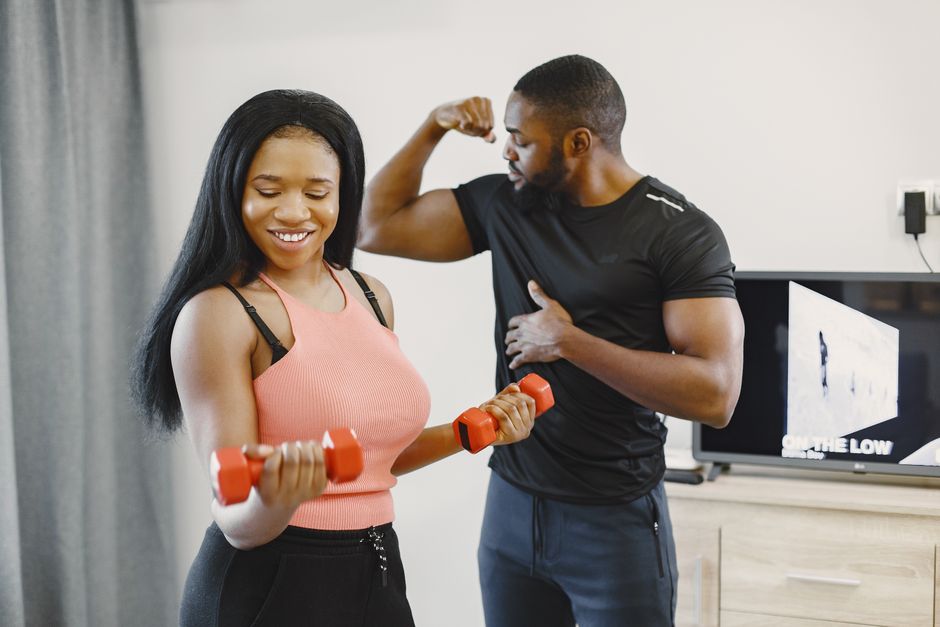
Adjustable dumbbells top every expert's list for good reason. A single pair replaces an entire rack, with used PowerBlock or Bowflex SelectTech sets available on Facebook Marketplace for $80-120. These systems offer 5-50 pound increments, supporting everything from rehabilitation exercises to serious strength training.
Resistance bands deserve equal priority, providing variable resistance that's impossible with free weights alone. A complete set costs $20-40 and enables over 100 different exercises. Research shows resistance band training produces similar strength gains to free weights while being gentler on joints—crucial for long-term fitness sustainability.
Mid-Range Investment ($500-1,500): Serious Training Capabilities
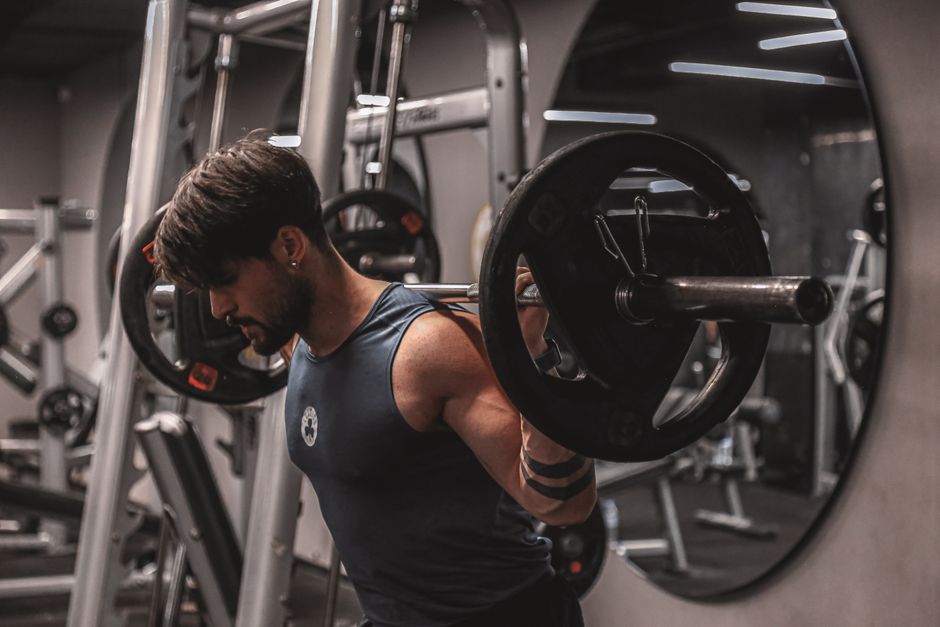
This tier transforms your space into a legitimate training facility. **Essential home gym equipment** at this level includes a quality barbell—experts consistently recommend the Rogue Ohio Bar for its versatility across squats, deadlifts, and bench presses.
An adjustable bench multiplies your exercise options exponentially. York Fitness data shows that adding an adjustable bench increases available exercises by 300%, making it one of the highest ROI purchases in home fitness. Look for benches supporting 600+ pounds with smooth adjustment mechanisms.
Smart Space Planning: Maximizing Your Home Gym Layout
**Effective home gym design** isn't about square footage—it's about strategic space utilization. Garage Gym Reviews, after nearly a decade of testing setups, emphasizes that even a 6x8 foot area can accommodate serious training with proper planning.
Vertical storage revolutionizes small spaces. Wall-mounted plate storage, adjustable dumbbell stands, and resistance band anchors keep equipment accessible while maintaining floor space for movement. Horse stall mats from farm supply stores provide excellent flooring protection for $40-60 per 4x6 foot section—significantly cheaper than specialized gym flooring.
Multi-Functional Equipment Strategy
Choose equipment serving multiple purposes. A stability ball functions as seating, core training tool, and bench substitute. Kettlebells enable strength, cardio, and flexibility training in one compact package. This approach, recommended by professional trainers, reduces cost per exercise by up to 60% compared to single-purpose machines.
The Non-Negotiable Equipment List
After analyzing recommendations from fitness professionals and surveying thousands of home gym owners, these items consistently appear on every **budget home gym essentials** list:
Tier 1: Foundation Equipment
- Adjustable Dumbbells: PowerBlock Sport 24 or Bowflex SelectTech 552 ($200-300 new, $80-120 used)
- Resistance Band Set: Include loop bands, tube bands with handles, and door anchor ($25-40)
- Yoga Mat: 6mm thickness minimum for floor exercise comfort ($25-50)
- Jump Rope: Weighted rope for cardio intervals ($15-30)
Tier 2: Expansion Equipment
- Adjustable Bench: Rep Fitness AB-3000 or equivalent ($150-250)
- Kettlebell Set: 20, 35, and 50-pound bells cover most needs ($150-200)
- Barbell and Plates: Olympic barbell with 300+ pounds of plates ($300-500)
- Pull-up Bar: Doorway or wall-mounted options ($30-100)
"The key insight from surveying over 1,300 home gym owners is that those who started with quality basics and expanded gradually had 85% higher satisfaction rates than those who bought everything at once," notes StrongHomeGym.com's comprehensive analysis.

The Progressive Building Strategy
**Building a home gym gradually** isn't just budget-friendly—it's scientifically sound. The Art of Manliness recommends setting achievement-based purchase goals: work out four days per week for three months, then reward yourself with new equipment. This approach ensures you're investing in gear you'll actually use.
Month 1-3: Foundation Phase
Start with adjustable dumbbells, resistance bands, and a quality mat. This $200-300 investment enables full-body workouts while you establish consistent habits. Focus on compound movements: squats, lunges, push-ups, and rows using your basic equipment.
Month 4-6: Expansion Phase
Add a bench and kettlebells once you've proven consistency. These additions unlock advanced exercises like bench press variations, kettlebell swings, and Turkish get-ups. Your exercise repertoire expands from roughly 30 to over 100 movements.
Month 7-12: Optimization Phase
Introduce specialized equipment based on your discovered preferences. Powerlifters might add a squat rack and Olympic plates. Cardio enthusiasts might invest in a quality rower or bike. This targeted approach prevents expensive mistakes common in hasty gym buildouts.

Money-Saving Strategies and Budget Hacks
**Affordable home gym setup** requires strategic shopping and creative solutions. Facebook Marketplace and Craigslist offer substantial savings—used adjustable dumbbells typically sell for 60-70% of retail price.
Timing Your Purchases
January and September represent peak equipment availability as resolution-makers and back-to-school fitness enthusiasts abandon their plans. Commercial gym closures and relocations also create opportunities for professional-grade equipment at fraction of retail costs.
DIY Alternatives
While not suitable for all equipment, some DIY solutions offer significant savings: - Sandbags replacing expensive specialty bags (70% cost reduction) - PVC pipe for mobility work instead of $50 foam rollers - Gallon water jugs as adjustable light weights - Towels for suspension training basics
However, prioritize safety over savings. Never compromise on structural elements like benches, racks, or barbells where failure could cause injury.
Integrating Nutrition Planning with Home Fitness
Your **home gym investment** extends beyond equipment to supporting your nutrition goals. Home workouts burn 15-20% more calories per session than gym workouts due to reduced rest periods and increased intensity, according to exercise physiology research.
Consider dedicating space for meal prep equipment alongside your fitness gear. A small refrigerator for post-workout nutrition and storage for supplements optimizes your fitness ecosystem. Many successful home gym owners report that having everything in one space increases adherence to both exercise and nutrition protocols.
Frequently Asked Questions
How much space do I actually need for an effective home gym?
You need a minimum 6x8 foot area (48 square feet) for basic strength training. This accommodates adjustable dumbbells, a bench, and movement space for bodyweight exercises. Garage Gym Reviews data shows 80% of effective home gyms operate in spaces under 100 square feet using smart storage and multi-functional equipment.
Should I buy new or used home gym equipment?
Used equipment offers 40-60% savings with minimal functionality loss. Buy used for: dumbbells, plates, benches, and basic cardio machines. Buy new for: resistance bands, yoga mats, and items requiring hygiene considerations. PowerBlock adjustable dumbbells, for example, retain 90% functionality after 5+ years of use.
What's the biggest mistake people make when building a home gym?
Buying everything at once without testing preferences first. StrongHomeGym.com's survey of 1,300 owners shows 67% of people who spent over $2,000 initially later sold equipment they rarely used. Start with versatile basics, establish 3-month consistency, then expand based on actual usage patterns.
How do I maintain motivation working out at home versus a gym?
Create environmental cues that trigger workout mode: dedicated space, specific playlist, and consistent timing. Research shows home gym users who establish ritual routines maintain 78% consistency versus 45% for those without structured approaches. Consider virtual training apps or online communities for accountability.
When should I upgrade from budget to premium equipment?
Upgrade when current equipment limits progression or breaks from regular use. If you're using 40+ pound dumbbells 4+ times weekly, invest in heavier options. If your bench wobbles during heavy pressing, prioritize stability. Generally, upgrade after 6-12 months of consistent use when you've identified specific limitations.
Building your **ideal home gym** doesn't require massive upfront investment or professional-grade equipment from day one. The most successful home gym owners, according to comprehensive industry research, start strategically with versatile basics and expand based on proven usage patterns and evolving fitness goals.
Remember that consistency beats perfection every time. A $300 setup you use daily outperforms a $3,000 setup that intimidates you into inaction. Start where your budget allows, focus on establishing sustainable habits, and let your growing expertise guide future investments. Your future self—and your bank account—will thank you for taking this measured, strategic approach to home fitness.
Sources
- The Art of Manliness - How to Build a Home Gym on the Cheap
- York Fitness - Ultimate Guide to Setting Up Your Home Gym
- Hampton Fitness - Home Gym Essentials Ultimate Guide
- Strong Home Gym - How to Build a Home Gym for Any Budget
- Garage Gym Reviews - Ultimate Home Gym Guide
- PowerBlock - How to Build a Home Gym on a Budget