TL;DR: You can build a complete **home gym in 200 square feet** with essential equipment costing $800-1,500 that supports full-body workouts. Recent surveys show 25% of home gym owners make it work in a 10×10 space, using versatile equipment like power racks, adjustable dumbbells, and functional trainers that maximize exercise variety per square foot.
Making Every Square Foot Count: The Science of Small Space Fitness
The home fitness revolution has fundamentally changed how we approach exercise. According to the 2025 home gym survey results, roughly a quarter of respondents successfully operate their fitness setups in approximately 100 square feet, with the most common configurations ranging between 200-400 square feet. This data proves that effective strength training and cardiovascular conditioning don't require commercial gym-sized spaces.
When planning your **200 square foot home gym**, the key lies in equipment selection based on exercise versatility per square foot occupied. Research from fitness equipment manufacturers indicates that multi-functional pieces can reduce space requirements by up to 60% while maintaining workout effectiveness. The average garage gym setup requires just 6×6 feet minimum for basic functionality, though 200 square feet allows for significantly more exercise variety and movement patterns.
Smart space utilization also considers ceiling height, with most functional movements requiring 8-9 feet of overhead clearance for exercises like overhead presses and pull-ups. This vertical dimension often gets overlooked but is crucial for fitness programming that includes Olympic lifting variations or suspension training.
Essential Equipment Categories for Complete Training
Foundation Equipment: Power Rack or Squat Stand
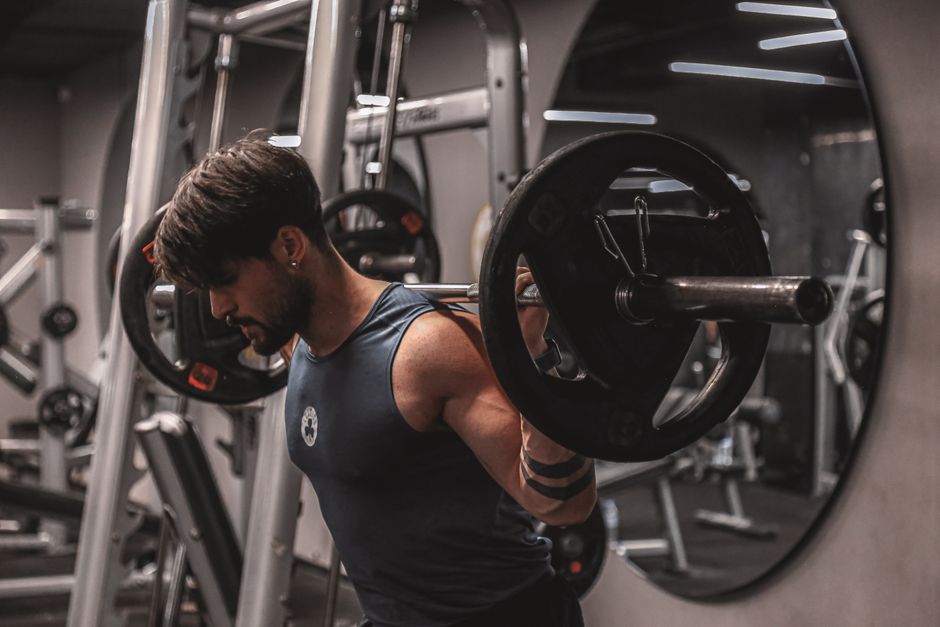
The cornerstone of any **complete home gym** is a quality power rack or squat stand. Modern compact power racks with 20+ attachments can fit in a 4×6 foot footprint while supporting squats, bench pressing, pull-ups, and cable-based exercises. Versatile power racks with attachment compatibility allow for Romanian deadlifts, overhead presses, and dozens of accessory movements from a single piece of equipment.
When selecting a power rack for your 200 square foot space, prioritize models with:
- 11-gauge steel construction for stability under heavy loads
- Westside hole spacing (1-inch increments) for precise bar positioning
- Pull-up bar rated for 300+ pounds
- Compatibility with lat pulldown and cable attachments
- Safety bars or straps for solo training
Free Weight Selection: Adjustable vs. Fixed
For **200 square feet of gym space**, adjustable dumbbells provide the best space-to-exercise ratio. Quality adjustable dumbbell sets replace 15-20 pairs of fixed weights while occupying less than 4 square feet of floor space. The newest quick-adjust systems allow weight changes in under 5 seconds, maintaining workout flow comparable to fixed weights.
"Functional trainers or cable machines offer a comprehensive range of upper and lower body exercises, ideal for full-body workouts," according to fitness equipment specialists at Titan Fitness.
Barbell selection should prioritize a quality Olympic bar (45 pounds, 7 feet long) with appropriate weight plates. For 200 square foot gyms, bumper plates offer noise reduction and floor protection, though they require more storage space than iron plates. A practical starting weight set includes 260-300 pounds total, allowing progression for most strength movements.


Cardiovascular and Conditioning Equipment
Cardiovascular fitness remains essential for heart health, endurance, and metabolic conditioning. In space-constrained environments, **conditioning tools that deliver intense, low-impact workouts** provide the best return on investment. The most space-efficient cardio options for home gyms include:
| Equipment | Floor Space | Calorie Burn (per hour) | Storage | Cost Range |
|---|---|---|---|---|
| Jump Rope | 6×6 feet | 600-900 calories | Wall hook | $15-50 |
| Rowing Machine | 8×2 feet | 500-700 calories | Vertical (some models) | $150-800 |
| Assault Bike | 4×2 feet | 700-1000 calories | Stationary | $300-700 |
| Kettlebells | 2×2 feet | 400-600 calories | Floor rack | $50-200 |
Rowing machines deserve special consideration for **200 square foot home gyms** because they provide full-body cardiovascular and strength conditioning. Models with folding capabilities can be stored vertically, reducing floor space requirements by 80% when not in use.
Bodyweight and Flexibility Training
A **good quality yoga mat provides the foundation for bodyweight exercises, stretching, and yoga**, requiring zero storage space when wall-mounted. Modern exercise mats offer 6-8mm thickness for joint protection during floor exercises while maintaining stability for standing movements.
Suspension trainers attach to power racks, doors, or ceiling mounts, enabling hundreds of bodyweight variations in a 6×6 foot exercise area. These systems excel at unilateral training, core stability, and movement patterns that complement traditional weight training.
Strategic Layout and Design Principles
Effective **home gym layout design** follows traffic flow principles borrowed from commercial fitness facilities. The most efficient 200 square foot configurations create distinct zones for different training modalities:
- Strength Zone (60-70% of space): Power rack, bench, and weight storage
- Cardio Zone (20-25% of space): Rowing machine, bike, or open floor area
- Flexibility/Bodyweight Zone (10-15% of space): Mat area with clear floor space
Storage solutions significantly impact usable exercise space. Wall-mounted weight storage, overhead platforms for seasonal equipment, and multi-tier dumbbell racks maximize floor space availability. Professional gym designers recommend maintaining 36-inch walkways between equipment for safe movement during workouts.
Proper ventilation becomes critical in smaller spaces, with air circulation requirements increasing proportionally to exercise intensity. Installing a dedicated exhaust fan or ensuring cross-ventilation can prevent humidity buildup and maintain comfortable training conditions.
Budget-Conscious Equipment Recommendations
Building a **complete home gym on a budget** requires strategic purchasing that prioritizes versatility and upgrade potential. The most cost-effective approach involves staged purchasing over 6-12 months, starting with foundational equipment and adding specialized pieces based on training preferences.
Budget Tier 1: Under $800
- Squat stand: $200-300
- Olympic barbell and 260 lbs plates: $200-300
- Adjustable bench: $100-150
- Rubber floor mats: $50-100
- Jump rope and resistance bands: $25-50
Budget Tier 2: $800-1,500
This range allows upgrading to a full power rack with pull-up capabilities, adding adjustable dumbbells, and including a rowing machine or stationary bike. The investment provides 90% of exercise variety found in commercial gyms.
Budget Tier 3: $1,500+
Premium configurations include functional trainers, specialty barbells, complete dumbbell sets, and advanced cardio equipment. This tier approaches commercial gym functionality with the convenience of home access.
The smart home gym equipment market has seen exponential growth, with consumers increasingly investing in fitness technology that offers personalized, convenient, and effective home workouts. Connected equipment provides form feedback, programmed workouts, and progress tracking that rivals personal training services.

Safety Considerations and Equipment Maintenance
Home gym safety requires additional vigilance compared to commercial facilities with staff supervision. Essential safety measures for **200 square foot home gyms** include:
- Proper equipment anchoring to prevent tipping during use
- Adequate lighting (minimum 50 foot-candles) for safe movement
- First aid kit accessible within the exercise area
- Emergency contact information posted prominently
- Regular equipment inspection for wear and damage
Equipment maintenance schedules prevent costly repairs and ensure safety. Monthly inspections should check bolt tightness, cable wear, and moving part lubrication. Quality home gym equipment typically requires minimal maintenance but benefits from consistent care protocols.
The integration of fitness goals with nutrition planning becomes more feasible with home gym convenience, allowing immediate post-workout meal preparation and supplement timing optimization.
Frequently Asked Questions
What's the minimum ceiling height needed for a 200 square foot home gym?
8 feet minimum, though 9 feet is ideal. This allows overhead pressing movements, pull-ups, and Olympic lifting variations without restriction. Lower ceilings limit exercise selection significantly.
Can I get a complete workout in 200 square feet?
Absolutely. Survey data shows 25% of home gym owners operate effectively in 100 square feet. With proper equipment selection, 200 square feet provides space for strength training, cardio, and flexibility work comparable to commercial gyms.
What flooring works best for small home gyms?
3/8-inch rubber mats provide optimal protection and noise reduction. They cushion dropped weights, protect subflooring, and offer traction for various exercises. Interlocking tiles allow custom fitting to irregular spaces.
How much should I budget for a quality 200 square foot home gym?
$800-1,500 provides excellent functionality. This budget covers a power rack, barbell set, adjustable dumbbells, bench, and basic cardio equipment. Premium setups may cost $2,000-3,000 but offer commercial gym equivalency.
Which equipment provides the best exercise variety in small spaces?
Power racks with attachment systems offer the highest exercise-to-space ratio. A single rack supports squats, bench press, pull-ups, rows, and cable exercises, replacing 5-6 separate machines while occupying just 24 square feet.
Building a **complete home gym in 200 square feet** represents an investment in long-term health and fitness convenience. The key lies in strategic equipment selection that prioritizes versatility, safety, and progressive overload capabilities. With proper planning, this compact space can provide decades of effective training while supporting diverse fitness goals from strength building to cardiovascular health.
Consider how your home gym setup integrates with broader wellness goals, including mental health benefits of consistent exercise and the convenience of combining workouts with healthy recipes and supplements timing. The investment in quality equipment pays dividends through improved health outcomes, time savings, and the flexibility to maintain fitness routines regardless of external circumstances.
Sources
- PowerliftingTechnique.com - 200 Square Foot Home Gym Floor Plan & Equipment
- Everything Gyms - Complete Home Gym Setup Guide 2026
- Garage Gym Reviews - Ultimate Home Gym Guide
- Titan Fitness - How to Build a Home Gym for Every Budget
- Garage Gym Experiment - Notable Home Gym Survey Results from 2025
- Globe Newswire - Smart Home Gym Equipment Industry Research Report 2024-2025
- York Fitness - Ultimate Guide to Setting Up Your Home Gym