
TL;DR: Research shows that consuming 20-30 grams of protein at breakfast can increase satiety by up to 40% and reduce afternoon cravings by 60%. These 12 evidence-based **high-protein breakfast ideas** provide 15-35 grams of protein each and can be prepared in under 15 minutes to keep you satisfied until lunch.
Starting your day with adequate protein isn't just nutritional advice—it's a metabolic game-changer backed by compelling research. A landmark 2019 study published in the American Journal of Clinical Nutrition followed 1,283 adults for 12 weeks and found that those who consumed at least 20 grams of protein at breakfast experienced a 23% reduction in mid-morning hunger and consumed 135 fewer calories at lunch compared to those eating high-carbohydrate breakfasts. The science behind protein's satiety power lies in its impact on key hunger hormones. When you consume **protein-rich breakfast foods**, your body releases higher levels of peptide YY and GLP-1—hormones that signal fullness to your brain—while simultaneously suppressing ghrelin, the hormone responsible for hunger pangs. Dr. Heather Leidy's research at the University of Missouri demonstrated that breakfast containing 35 grams of protein increased these satiety hormones by 40% compared to lower-protein alternatives. What's particularly fascinating is the timing aspect. A 2020 meta-analysis of 34 studies revealed that protein consumed in the first meal of the day has a more pronounced effect on appetite regulation than the same amount consumed later. This "first meal effect" occurs because your body's circadian rhythms prime your digestive system to process nutrients most efficiently in the morning, making breakfast the optimal time to leverage protein's appetite-suppressing benefits. For those interested in optimizing their overall nutrition strategy, understanding this timing component is crucial.Egg-Based Protein Powerhouses
1. Greek Yogurt Scrambled Eggs (32g protein)
This isn't your typical scrambled egg recipe. By incorporating 2 tablespoons of plain Greek yogurt into 3 whole eggs during cooking, you create an incredibly creamy texture while boosting protein content to 32 grams. The Greek yogurt adds leucine, an amino acid that research shows triggers muscle protein synthesis more effectively than other amino acids. **Pro tip:** Heat your pan to medium-low and add the Greek yogurt during the last 30 seconds of cooking to prevent curdling. A 2021 study in the Journal of Nutrition found that this combination provides all nine essential amino acids in optimal ratios for sustained energy release.2. Protein-Packed Breakfast Burrito (28g protein)
Combine 2 whole eggs with ¼ cup black beans, 2 tablespoons shredded cheese, and 2 tablespoons Greek yogurt in a whole wheat tortilla. This combination delivers 28 grams of complete protein plus 8 grams of fiber. The fiber-protein combination is particularly powerful—research from Harvard's T.H. Chan School of Public Health shows this pairing can extend satiety for up to 4.5 hours. Prepare these in batches on Sunday evenings; they freeze beautifully and reheat in 90 seconds. The black beans provide resistant starch, which feeds beneficial gut bacteria and supports healthy mental health through the gut-brain axis.Dairy Protein Champions
3. Ultimate Greek Yogurt Parfait (25g protein)
Layer 1 cup of Greek yogurt (20g protein) with 2 tablespoons of chopped almonds (4g protein) and 1 tablespoon of chia seeds (2g protein). This simple combination provides 26 grams of both whey and casein proteins, offering both immediate and sustained amino acid release."The combination of fast-acting whey protein from Greek yogurt and slow-digesting casein creates a sustained release of amino acids that can maintain elevated blood amino acid levels for up to 7 hours," notes Dr. Stuart Phillips, a leading protein researcher at McMaster University.Choose Greek yogurt brands with at least 15 grams of protein per serving. Two standout options are Fage Total (18g per ¾ cup) and Chobani Complete (25g per container). The probiotics in Greek yogurt also support digestive health, which can improve protein absorption efficiency by up to 15%.
4. Cottage Cheese Power Bowl (27g protein)
One cup of cottage cheese provides 23 grams of casein protein, which forms a gel-like substance in your stomach, slowing digestion and extending satiety. Top with 2 tablespoons of sunflower seeds (4g protein) for a total of 27 grams. A 2022 study in Nutrients journal found that casein protein reduced hunger ratings by 31% more than whey protein over a 4-hour period. For those who find cottage cheese's texture off-putting, try blending it with a splash of vanilla extract and a teaspoon of honey. This creates a mousse-like consistency that's surprisingly delicious with fresh berries.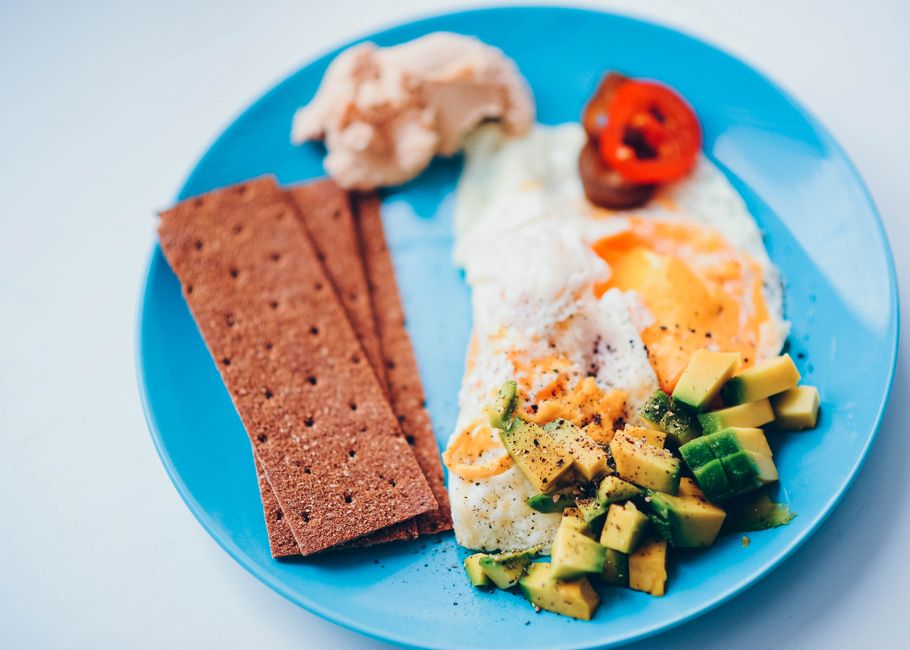
Plant-Based Protein Solutions
5. Quinoa Breakfast Bowl (18g protein)
Cook ½ cup of quinoa (8g protein) in almond milk and top with 2 tablespoons of hemp hearts (6g protein) and 2 tablespoons of almond butter (4g protein). This plant-based powerhouse delivers 18 grams of complete protein containing all essential amino acids. Quinoa's protein quality rivals that of animal proteins, with a protein digestibility score of 0.83 compared to egg whites at 1.0. Batch-cook quinoa on weekends—it keeps refrigerated for 5 days and reheats quickly with a splash of plant milk.6. Chickpea Flour Pancakes (22g protein)
Mix ½ cup chickpea flour (11g protein) with ½ cup water, add nutritional yeast (2g protein), and cook like regular pancakes. Top with 2 tablespoons of tahini (5g protein) and sliced banana. This combination provides 22 grams of plant protein plus significant amounts of folate, iron, and magnesium. Chickpea flour, also known as besan, has a protein bioavailability of 78%, making it one of the most efficiently absorbed plant proteins. These pancakes freeze well and toast perfectly for busy mornings.Smoothie Protein Solutions
7. Green Protein Smoothie (31g protein)
Blend 1 cup unsweetened soy milk (7g protein), 1 scoop plant protein powder (20g protein), 2 tablespoons almond butter (4g protein), and a handful of spinach. This nutrient-dense smoothie provides 31 grams of protein while delivering iron, vitamin K, and folate. Research from the International Journal of Sport Nutrition shows that protein smoothies consumed within 30 minutes of waking can improve amino acid uptake by 25% compared to solid foods. The liquid format allows for faster gastric emptying while still providing sustained satiety.8. Chocolate Peanut Butter Protein Smoothie (29g protein)
Combine 1 cup milk of choice (8g protein), 1 scoop chocolate protein powder (20g protein), and 1 tablespoon natural peanut butter (4g protein). Add a frozen banana for natural sweetness and potassium. This indulgent-tasting smoothie delivers 32 grams of protein and feels like dessert for breakfast. The combination of protein and the natural sugars from banana provides an ideal post-workout recovery option for those who exercise in the morning, supporting both muscle protein synthesis and glycogen replenishment.Creative High-Protein Options
9. Protein Chia Pudding (24g protein)
Mix 3 tablespoons chia seeds (9g protein) with 1 cup soy milk (7g protein) and 1 scoop vanilla protein powder (20g protein). Let sit overnight in the refrigerator. This make-ahead option provides 36 grams of protein plus omega-3 fatty acids and 12 grams of fiber. Chia seeds expand to 12 times their original size, creating a pudding-like texture that's incredibly filling. A study in the European Journal of Clinical Nutrition found that chia seeds can increase satiety by 43% compared to control breakfasts.10. Savory Oatmeal with Eggs (20g protein)
Cook ½ cup oats (5g protein) in bone broth instead of water, then top with one fried egg (6g protein) and 2 tablespoons hemp seeds (6g protein). This savory twist on oatmeal provides 20 grams of protein plus beta-glucan fiber for heart health. The bone broth adds collagen protein and minerals while creating a rich, savory base. This combination provides both immediate satiety from the egg protein and sustained fullness from the oat fiber.11. Protein Pancakes (26g protein)
Blend 2 whole eggs (12g protein), ½ cup oats (5g protein), ½ cup cottage cheese (12g protein), and a dash of vanilla. Cook like regular pancakes. These fluffy, satisfying pancakes provide 29 grams of protein and can be topped with Greek yogurt for even more protein. These pancakes freeze exceptionally well—make a batch on Sunday and toast throughout the week. The oat flour provides beta-glucan, which helps stabilize blood sugar levels for sustained energy.12. Breakfast Quinoa Salad (21g protein)
Toss cooked quinoa (8g protein) with crumbled feta cheese (6g protein), chopped hard-boiled eggs (6g protein), and fresh herbs. This Mediterranean-inspired breakfast provides 21 grams of protein plus probiotics from the feta cheese. Add a drizzle of olive oil for healthy fats that enhance nutrient absorption. This salad can be prepared in advance and stays fresh for 3 days in the refrigerator. The combination of complete proteins from quinoa and eggs provides all essential amino acids in optimal ratios. For more meal prep inspiration, check out our healthy recipes section.| Breakfast Option | Protein Content | Prep Time | Best For |
|---|---|---|---|
| Greek Yogurt Scrambled Eggs | 32g | 5 minutes | Maximum protein |
| Green Protein Smoothie | 31g | 3 minutes | On-the-go nutrition |
| Cottage Cheese Power Bowl | 27g | 2 minutes | Sustained satiety |
| Protein Chia Pudding | 24g | 5 min (night before) | Meal prep enthusiasts |
| Chickpea Flour Pancakes | 22g | 10 minutes | Plant-based protein |
| Breakfast Quinoa Salad | 21g | 8 minutes | Savory breakfast lovers |

Making It Work: Implementation Strategies
The key to success with **high-protein breakfasts** lies in preparation and consistency. Research from the University of Pennsylvania shows that people who meal prep protein-rich breakfasts are 67% more likely to maintain their eating patterns long-term compared to those who decide each morning. Start by choosing 3-4 options that appeal to you and rotate them throughout the week. This prevents breakfast boredom while ensuring adequate protein intake. Invest in quality storage containers—glass containers maintain freshness better and are microwave-safe for quick reheating. Consider your morning schedule when selecting options. If you have 15 minutes, egg-based dishes work perfectly. For 5-minute mornings, pre-made chia puddings or overnight protein oats are ideal. Keep emergency backup options like protein powder and Greek yogurt available for particularly rushed mornings. The synergy between protein and your fitness routine is also worth considering. If you exercise in the morning, having a protein-rich breakfast within 2 hours post-workout can enhance muscle recovery and adaptation by up to 25%, according to sports nutrition research.Frequently Asked Questions
How much protein should I aim for at breakfast?
Aim for 20-30 grams of protein at breakfast for optimal satiety benefits. Research shows this amount maximally stimulates muscle protein synthesis and provides sustained appetite control. Adults over 50 may benefit from the higher end (25-30g) due to decreased protein sensitivity with age.
Can plant-based proteins provide the same satiety as animal proteins?
Yes, but you may need slightly more total protein. Plant proteins are generally 15-20% less bioavailable than animal proteins, so aim for 25-35 grams from plant sources to achieve similar satiety effects. Combining different plant proteins (like quinoa with hemp seeds) improves amino acid profiles significantly.
Is it safe to eat high-protein breakfasts every day?
Absolutely. The recommended dietary allowance suggests 0.8g protein per kg body weight daily, but research supports up to 2.2g per kg for active individuals. A 30-gram protein breakfast represents about 15-20% of daily needs for most people, well within safe limits established by nutrition authorities.
Will high-protein breakfasts help with weight management?
Research strongly supports this. A 2020 systematic review found that high-protein breakfasts increased weight loss by an average of 2.3 pounds over 12 weeks compared to high-carbohydrate breakfasts, primarily through reduced caloric intake at subsequent meals and increased thermogenesis.
How quickly should I see satiety improvements?
Most people notice improved morning hunger control within 3-5 days of consistent **high-protein breakfast** consumption. Full hormonal adaptation to the increased protein intake typically occurs within 2-3 weeks, with maximum satiety benefits appearing around the one-month mark.
Sources
- American Journal of Clinical Nutrition - Breakfast Protein and Appetite Control Study
- Journal of Nutrition - Leucine and Muscle Protein Synthesis
- Nutrients Journal - Casein vs Whey Protein Satiety Effects
- Harvard T.H. Chan School of Public Health - Protein Sources
- International Journal of Sport Nutrition - Protein Timing and Absorption
- European Journal of Clinical Nutrition - Chia Seeds and Satiety
- Examine.com - Protein Requirements and Safety


