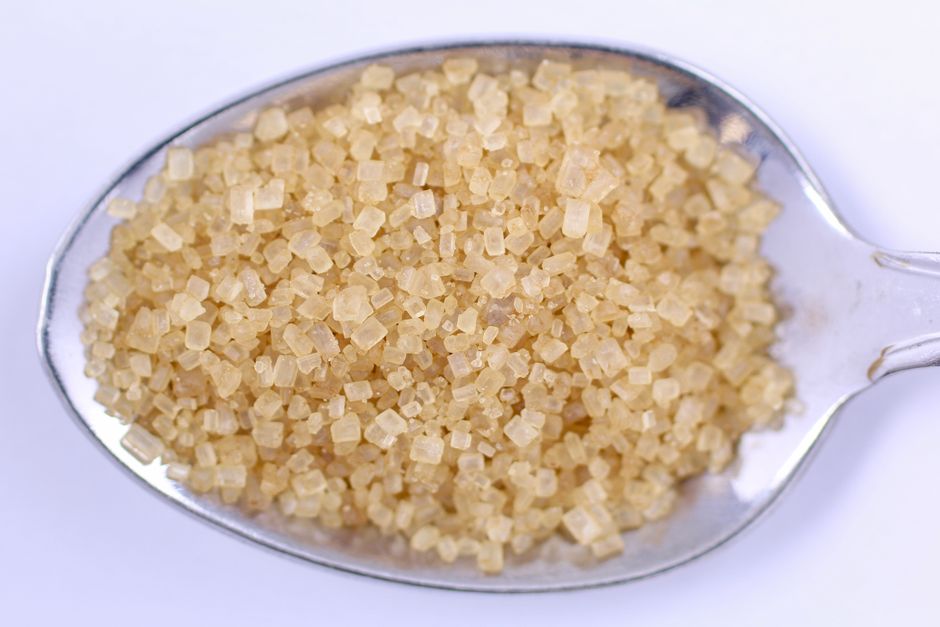
TL;DR: Many foods marketed as "healthy" contain 12-20 grams of hidden added sugars per serving—equivalent to 3-5 teaspoons of sugar. By learning to spot over 60 different sugar aliases on ingredient lists and choosing cereals with less than 10-12 grams of sugar per serving, you can reduce your daily added sugar intake by up to 40%.
The Sweet Deception: Why "Healthy" Foods Aren't Always What They Seem
Picture this: You're standing in the grocery store, proudly filling your cart with yogurt parfaits, granola bars, and fruit smoothies—all marketed as nutritious choices. What you might not realize is that single "healthy" smoothie could contain up to 40 grams of added sugar, more than the entire daily recommended limit for women.
As a health journalist who's spent over a decade investigating food industry practices, I've learned that **hidden sugar in healthy foods** is one of the most pervasive nutritional challenges we face today. The average American consumes 17 teaspoons of added sugar daily—triple the American Heart Association's recommendation of 6 teaspoons for women and 9 for men.
The food industry has become masterful at disguising sugar under dozens of different names, making it nearly impossible for consumers to make truly informed choices. But armed with the right knowledge, you can learn to read labels like a nutritionist and make decisions that align with your health goals.
Understanding the Sugar Spectrum: Natural vs. Added
Before diving into label-reading strategies, it's crucial to understand the fundamental difference between naturally occurring and added sugars. According to nutrition experts, naturally occurring sugars are found in whole foods like milk (lactose), fruits (fructose), and vegetables. These come packaged with beneficial nutrients such as vitamins, minerals, and fiber that your body needs for optimal health.
Added sugars, on the other hand, are sweeteners introduced during food processing or preparation. According to Diabetes UK (2024), added or "free" sugars include those introduced during processing or found naturally in honey, syrups, and juices.
The distinction matters because your body processes these sugars differently. When you eat an apple, the natural fructose comes with fiber that slows absorption and prevents blood sugar spikes. But when manufacturers add high fructose corn syrup to a "fruit" snack, you get the sugar rush without any nutritional benefits.
This understanding is fundamental to making better choices across all areas of nutrition and supports broader mental health by helping you avoid the mood swings associated with blood sugar fluctuations.


The Usual Suspects: Where Sugar Hides in "Healthy" Foods
Let's examine the most surprising sources of **hidden sugar** in foods commonly perceived as healthy choices:
Breakfast Cereals and Granola
Johns Hopkins Medicine recommends choosing cereals with 10-12 grams or less of sugar per serving. Yet many cereals marketed with terms like "whole grain" or "added vitamins and minerals" contain 15-20 grams per serving—that's 4-5 teaspoons of sugar before you've even added milk.
Granola presents an even trickier challenge. A single serving of popular granola brands can contain 12-16 grams of added sugar, often from multiple sources like brown rice syrup, cane juice, and honey.
Yogurt and Dairy Products
Plain Greek yogurt naturally contains about 6 grams of lactose per serving. However, flavored varieties often contain an additional 15-25 grams of added sugar. That strawberry yogurt cup could deliver more sugar than a candy bar while masquerading as a healthy breakfast option.
Smoothies and Juice Bars
Pre-made smoothies are particularly deceptive. Nutrition experts warn that serving size manipulation is common—a small pre-made smoothie might list 2.5 servings, meaning you're consuming 2.5 times the sugar amount shown on the label.
Even "green" smoothies often contain apple juice concentrate, agave nectar, or other sweeteners that can push the total sugar content above 35-40 grams per bottle.
Decoding Labels: Professional Strategies That Work
Learning to **read food labels** effectively requires understanding both what to look for and what food manufacturers try to hide. Here are the professional strategies I use:
The Ingredient List Detective Work
Nutrition experts emphasize that if any sugar appears within the first three ingredients, it's likely a high-sugar product. But manufacturers often split sugars across multiple ingredients to push them lower on the list.
Here are over 20 common sugar aliases to watch for:
- Syrups: High fructose corn syrup, brown rice syrup, agave syrup, maple syrup
- Juices and Concentrates: Apple juice concentrate, grape juice concentrate, fruit juice
- Crystals and Powders: Coconut sugar, turbinado sugar, confectioner's sugar
- Chemical Names: Dextrose, maltose, sucrose, fructose, glucose
- Natural-Sounding Options: Coconut nectar, date syrup, monk fruit sweetener with added sugars
The Nutrition Facts Panel Strategy
The CDC emphasizes that nutrition labels now show total sugars and added sugars separately, giving you clearer insight into what manufacturers have added during processing.
Focus on these key numbers:
- Added sugars: Aim for products with 5 grams or less per serving
- Serving size: Always check if the package contains multiple servings
- Total carbohydrates: Compare this to the sugar content—if sugar makes up more than 50% of total carbs, it's essentially candy

Sugar Content Comparison: "Healthy" vs. Whole Food Options
To illustrate the dramatic differences, here's a comparison of popular "healthy" foods versus their whole food alternatives:
| Food Category | Processed "Healthy" Option | Added Sugar (grams) | Whole Food Alternative | Added Sugar (grams) | Sugar Savings |
|---|---|---|---|---|---|
| Breakfast | Flavored Greek Yogurt (1 cup) | 18-24g | Plain Greek Yogurt + Fresh Berries | 0g | 18-24g |
| Snack | Granola Bar | 8-12g | Handful of Nuts + Dried Fruit | 0g | 8-12g |
| Beverage | Bottled Green Smoothie (15.2 oz) | 28-36g | Homemade Spinach-Apple Smoothie | 0g | 28-36g |
| Cereal | "Healthy" Granola (3/4 cup) | 12-16g | Steel-Cut Oats + Cinnamon | 0g | 12-16g |
| Sauce | Pasta Sauce (1/2 cup) | 6-8g | Homemade Tomato Basil Sauce | 0g | 6-8g |
By making these simple swaps, you could eliminate 72-96 grams of added sugar daily—that's equivalent to 18-24 teaspoons of sugar!

Actionable Strategies You Can Implement Today
Armed with knowledge about **hidden sugar in healthy foods**, here are specific strategies you can start using immediately:
The 5-Second Label Scan
Always check the servings per container first, then multiply the sugar content accordingly. If you're buying a "single-serve" smoothie that actually contains 2.5 servings, you're getting 2.5 times the sugar listed.
The First Three Ingredients Rule
If sugar (in any form) appears in the first three ingredients, consider it a high-sugar product regardless of health claims on the package. This simple rule eliminates about 60% of processed foods marketed as "healthy."
Strategic Shopping Techniques
- Shop the perimeter: Focus on whole foods that typically don't require ingredient lists
- Question "low-fat" claims: Watch "low-fat" or "energy" labels—these often hide added sugars to compensate for reduced fat
- Compare similar products: Sugar content can vary dramatically between brands of similar items
Home Preparation Strategies
The most effective way to control sugar intake is cooking at home when possible. This connects to broader healthy recipe planning and supports your overall fitness goals by ensuring you fuel your body appropriately.
When you do buy packaged foods:
- Choose products with fewer than 5 grams of added sugar per serving
- Pair carbohydrate-rich foods with protein or fiber to slow glucose absorption
- Read both the nutrition facts panel and ingredient list—they tell different stories
Decoding Marketing Claims: What They Really Mean
Food manufacturers use specific language designed to make products appear healthier than they are. Understanding these claims helps you make better decisions:
"No Sugar Added" vs. "Sugar-Free"
According to diabetes education resources, "no sugar added" means no sugar or sugar-containing ingredient is added during processing, but the food may still contain naturally occurring sugars or artificial sweeteners.
"Natural" Sweeteners
Terms like "naturally sweetened" or "contains natural sugars" don't necessarily mean healthier. Agave nectar, for example, is often higher in fructose than high fructose corn syrup.
"Organic" Sugar
Organic sugar affects your blood glucose and insulin response exactly the same as conventional sugar. The "organic" label doesn't make it healthier from a metabolic standpoint.
Building Long-Term Label-Reading Habits
Becoming proficient at identifying **hidden sugar** requires practice, but these habits will become second nature within 2-3 weeks:
Week 1: Awareness Building
- Check every packaged food you currently eat
- Note sugar content in a simple phone app or notebook
- Don't change your diet yet—just observe
Week 2: Strategic Substitutions
- Replace your highest-sugar items with lower-sugar alternatives
- Focus on one meal at a time (start with breakfast)
- Experiment with whole food replacements
Week 3: Optimization
- Fine-tune your choices based on taste preferences
- Expand successful strategies to snacks and beverages
- Share knowledge with family members for household-wide changes
This systematic approach supports not just better nutrition but also improved energy levels and mood stability, contributing to overall mental health and well-being.
Special Considerations for Different Dietary Needs
Certain populations need to be especially vigilant about hidden sugars:
Diabetes Management
Nutrition experts emphasize that people managing diabetes should focus on total carbohydrate content alongside added sugars, as both affect blood glucose levels.
Weight Management Goals
Added sugars contribute calories without satiety, making weight management more challenging. Prioritizing whole foods with natural sugars paired with fiber and protein helps maintain stable energy and reduces cravings.
Children's Nutrition
Children's taste preferences are shaped early, making it crucial to limit exposure to heavily sweetened "kids' foods" that can contain 15-25 grams of added sugar per serving.
Frequently Asked Questions
How much added sugar is safe to consume daily?
The American Heart Association recommends no more than 25 grams (6 teaspoons) of added sugar daily for women and 36 grams (9


