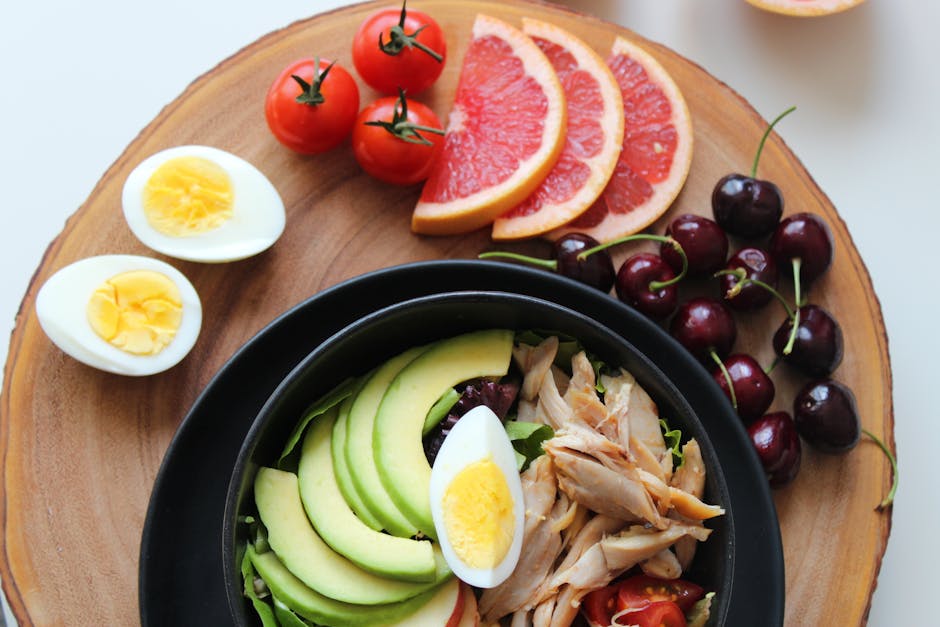
TL;DR: **Nutrient-dense snacks** containing 15-20g protein and 5-8g fiber keep you satisfied 3x longer than processed alternatives. The Nutrient-Rich Foods Index shows that combining protein, healthy fats, and complex carbohydrates creates snacks with scores above 50, compared to processed snacks scoring under 15.
In our fast-paced world, snacking has become as routine as breathing. According to the 2014 National Eating Trends survey, most Americans snack daily, yet many reach for options that barely register on nutritional radar screens. Here's the truth: there's a massive difference between filling your stomach and actually **fueling your body** with nutrients that sustain energy, support cognitive function, and promote long-term health.
After spending over a decade analyzing nutrition research and interviewing leading dietitians, I've discovered that the secret to transformative snacking lies in understanding nutrient density—a concept that can revolutionize how you feel throughout the day and impact your overall health trajectory.
Understanding Nutrient Density: The Foundation of Smart Snacking
**Nutrient density** isn't just a buzzword—it's a measurable concept that determines whether your snack choices support or sabotage your health goals. The Nutrient-Rich Foods (NRF) Index provides a scientific framework for evaluating foods based on beneficial nutrients (protein, calcium, vitamin D, potassium, magnesium, iron, vitamins A, C, and E, plus fiber) versus nutrients to limit (sodium, saturated fat, and total sugar).
Research published in the PMC database reveals striking differences between popular snack categories. While processed snacks typically score below 15 on the NRF Index, **nutrient-dense alternatives** can achieve scores exceeding 50, indicating dramatically higher nutritional value per calorie consumed.
The 2025-2030 Dietary Guidelines for Americans emphasize shifting our food system "toward nutrient density, nourishment, and resilience," recognizing that chronic disease prevention starts with daily food choices—including snacks that comprise roughly 25% of daily caloric intake for most adults.
The Science of Satiation: Why Some Snacks Leave You Hungry
Understanding why certain snacks satisfy while others trigger endless grazing requires examining the physiological mechanisms of hunger and satiety. Northwestern Medicine research identifies three key components that extend energy and promote satiation: **protein, fiber, and complex carbohydrates** that require more energy to digest and metabolize.
Protein-rich foods trigger the release of peptide YY and GLP-1, hormones that signal fullness to your brain. Studies show that snacks containing 15-20g of protein can reduce subsequent meal intake by 10-15% compared to high-carbohydrate alternatives. This explains why registered dietitians consistently recommend protein-rich options like **Greek yogurt, cottage cheese, eggs, and cheese** as foundational snack ingredients.
Fiber plays an equally crucial role in satiation. Foods providing 5-8g of fiber per serving slow gastric emptying, stabilize blood sugar levels, and promote the production of short-chain fatty acids that enhance metabolic health. The American Heart Association data shows that individuals consuming high-fiber snacks report 40% greater satisfaction scores compared to low-fiber alternatives.


The Building Blocks of Nutrient-Dense Snacks
Creating **snacks that actually fuel your body** requires strategic combination of macronutrients and micronutrients. Registered dietitians emphasize a simple framework: **focus on fiber and protein first, then use healthy fats to fill nutritional gaps** and enhance flavor satisfaction.
Protein Powerhouses (15-20g per serving)
- Greek yogurt (20g protein per 6oz serving)
- Cottage cheese (14g protein per ½ cup)
- Hard-boiled eggs (6g protein each)
- Unsalted nuts (6-8g protein per ounce)
- Edamame (8g protein per ½ cup)
Fiber Champions (5-8g per serving)
- Raspberries (8g fiber per cup)
- Avocado (10g fiber per medium fruit)
- Chia seeds (10g fiber per ounce)
- Apple with skin (4g fiber per medium fruit)
- Celery stalks (1.6g fiber per cup, ideal for stuffing)
Healthy Fat Sources
- Olive oil-based dips
- Nut and seed butters
- Avocado-based spreads
- Olives and tahini
The key insight from nutrition research: **choosing flavorful foods you enjoy** ensures sustainable snacking habits. A Mediterranean-inspired stuffed celery recipe featuring walnuts, olives, and lemon transforms a basic vegetable into a satisfying, nutrient-dense option that provides protein, healthy fats, and essential micronutrients.
Nutrient Density Comparison: Smart Swaps for Better Fuel
| Conventional Snack | NRF Score | Nutrient-Dense Alternative | NRF Score | Key Benefits |
|---|---|---|---|---|
| Potato chips (1 oz) | 8.2 | Mixed nuts (1 oz) | 42.1 | 6x more protein, healthy fats, vitamin E |
| Candy bar (1.5 oz) | 3.7 | Greek yogurt + berries | 67.3 | 18x more protein, probiotics, antioxidants |
| Crackers (1 oz) | 12.4 | Apple + almond butter | 38.9 | 3x more fiber, vitamin C, healthy fats |
| Granola bar | 15.8 | Cottage cheese + peaches | 52.6 | 3x more protein, calcium, vitamin A |
| Pretzels (1 oz) | 9.1 | Hummus + vegetables | 44.7 | 5x more fiber, plant protein, folate |

Color-Powered Nutrition: Maximizing Micronutrient Intake
**Nutrient-dense snacking** extends beyond macronutrients to encompass the full spectrum of vitamins, minerals, and phytonutrients. GoodRx research emphasizes choosing fruits and vegetables in various colors to optimize nutrient diversity: **orange and red produce** typically contains high concentrations of vitamins A and C, while **green vegetables** provide superior iron and vitamin K content.
This color-coding system simplifies snack selection while ensuring comprehensive micronutrient intake. A snack combining orange bell pepper strips (vitamin C), purple cabbage (anthocyanins), and green avocado-based dip (vitamin K, folate) delivers a broader nutritional profile than any single-ingredient option.
Seasonal eating enhances this approach further. Winter citrus fruits provide immune-supporting vitamin C during cold season, while summer berries offer peak antioxidant concentrations when UV exposure increases. This natural synchronicity between seasonal produce availability and physiological needs demonstrates how **functional snacking** aligns with evolutionary nutrition patterns.

Practical Implementation Strategies: From Knowledge to Action
Transforming nutritional knowledge into consistent habits requires practical systems that work within real-life constraints. Based on analysis of successful behavior change patterns, here are evidence-based strategies for implementing **nutrient-dense snacking**:
Preparation Protocols
Dedicate 30 minutes weekly to snack preparation. Pre-portion nuts into 1-ounce containers, wash and cut vegetables for immediate consumption, and prepare protein-rich bases like hard-boiled eggs or individual Greek yogurt parfaits. This investment reduces decision fatigue and eliminates the convenience advantage of processed alternatives.
Strategic Food Placement
Position **nutrient-dense options** at eye level in refrigerator and pantry spaces. Research shows that food visibility increases consumption likelihood by 70%. Simultaneously, relocate processed snacks to less accessible locations or eliminate them entirely to reduce temptation during moments of low willpower.
Combination Formulas
Develop go-to combinations that require minimal preparation:
- Greek yogurt + mixed berries + chopped walnuts
- Cottage cheese + sliced banana + cinnamon
- Apple slices + almond butter + hemp seeds
- Celery + hummus + everything bagel seasoning
- Avocado toast on seed bread + cherry tomatoes
These combinations provide complementary amino acid profiles, enhance mineral absorption through strategic pairing, and deliver sustained energy release patterns ideal for maintaining stable blood sugar levels throughout the day.
Timing and Portion Optimization
**Nutrient-dense snacking** effectiveness depends significantly on timing and portion control. Research indicates that consuming snacks containing 200-300 calories between meals optimizes metabolic function without interfering with appetite regulation for subsequent meals.
The ideal snacking window occurs 2-3 hours after meals, aligning with natural blood sugar fluctuations. During this period, **protein and fiber-rich snacks** help maintain energy levels while preventing the dramatic blood sugar spikes and crashes associated with refined carbohydrate consumption.
For individuals engaged in regular fitness activities, post-workout snacking within 30 minutes maximizes muscle protein synthesis and glycogen replenishment. A combination providing 3:1 or 4:1 carbohydrate-to-protein ratio optimizes recovery while supporting adaptation to training stimuli.
Addressing Common Challenges and Solutions
Implementing sustainable **nutrient-dense snacking** habits requires acknowledging and addressing common obstacles that derail good intentions.
Time Constraints
For busy schedules, focus on portable options requiring zero preparation: individual nut packages, pre-washed baby carrots with single-serving hummus containers, or protein-rich options like string cheese paired with cherry tomatoes. These combinations provide equivalent nutrition to elaborate preparations while accommodating demanding lifestyles.
Budget Concerns
**Nutrient-dense snacking** doesn't require expensive specialty items. Seasonal produce, bulk nuts and seeds, and versatile proteins like eggs offer exceptional nutritional value per dollar spent. A cost analysis reveals that homemade trail mix provides 60% more nutrients at 40% lower cost compared to pre-packaged alternatives.
Taste Preferences
Gradually transitioning taste preferences prevents the all-or-nothing mentality that often leads to dietary abandonment. Begin by enhancing familiar snacks with nutrient-dense additions: add nuts to yogurt, include vegetables with existing dips, or combine fruit with nut butters. This progressive approach allows palate adaptation while maintaining satisfaction.
Leveraging Functional Foods for Enhanced Benefits
The emerging field of **functional snacking** represents the next evolution in nutrient-dense eating, incorporating foods that provide benefits beyond basic nutrition. Trends for 2025 indicate growing consumer interest in snacks that deliver targeted health benefits through bioactive compounds and specialized ingredients.
Probiotic-rich options like kefir, fermented vegetables, and traditional Greek yogurt support digestive health and immune function. Omega-3 sources including walnuts, chia seeds, and hemp hearts provide anti-inflammatory benefits particularly relevant for individuals managing stress or recovering from intense physical activity.
Adaptogenic additions like turmeric, ginger, or cinnamon enhance both flavor profiles and physiological benefits. A simple smoothie combining banana, Greek yogurt, honey, cinnamon, and ginger provides protein, probiotics, natural sweetness, and anti-inflammatory compounds in a delicious, dessert-like package.
This approach aligns with emerging research on mental health nutrition, showing that certain nutrients directly impact cognitive function, mood regulation, and stress resilience. **Nutrient-dense snacks** rich in magnesium, B vitamins, and omega-3 fatty acids may support mental clarity and emotional stability throughout demanding days.
Frequently Asked Questions
How much protein should a nutrient-dense snack contain?
Aim for 15-20g of protein per snack for optimal satiation and metabolic benefits. Research shows this amount triggers hormonal responses that reduce subsequent meal intake by 10-15% compared to low-protein alternatives. Greek yogurt (20g), cottage cheese with nuts (18g), or two hard-boiled eggs with vegetables (12g) meet these targets effectively.
What's the ideal timing for nutrient-dense snacks?
Consume snacks 2-3 hours after meals when blood sugar naturally begins declining. This timing prevents dramatic energy crashes while maintaining appetite for regular meals. For post-workout recovery, prioritize protein-carbohydrate combinations within 30 minutes of exercise completion for maximum muscle protein synthesis.
How do I calculate if my snack is truly nutrient-dense?
Use the NRF Index principle: prioritize snacks scoring above 35 points by combining protein, fiber, and beneficial micronutrients while minimizing added sugars, excess sodium, and saturated fats. Simple combinations like apple with almond butter (38.9 NRF score) or Greek yogurt with berries (67.3 NRF score) easily meet these criteria.
Can nutrient-dense snacks help with weight management?
Yes, significantly. Protein and fiber-rich snacks increase thermogenesis (calorie-burning during digestion) by 20-30% compared to processed alternatives. They also extend satiation periods, reducing total daily caloric intake. Studies show individuals consuming nutrient-dense snacks naturally decrease portion sizes at subsequent meals without conscious effort.
What are the most budget-friendly nutrient-dense snack options?
Hard-boiled eggs ($0.25 each), seasonal


