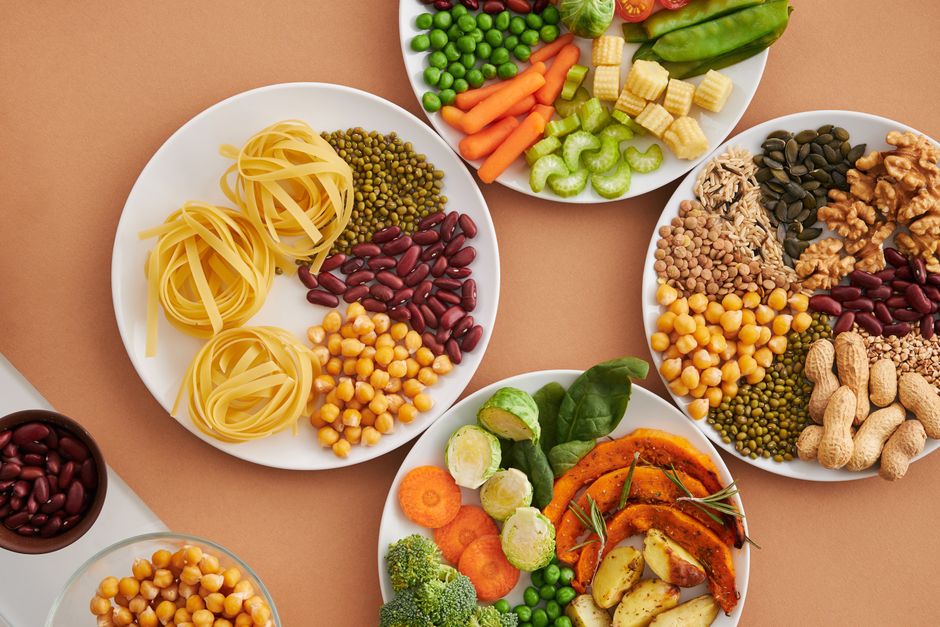
TL;DR: **Nutritionally complete snacks** that combine 15-20g protein with complex carbohydrates and healthy fats can maintain blood sugar stability for 3-4 hours while providing 200-350 calories. Research shows that balanced snacks featuring fiber (5-8g) and protein help prevent energy crashes by 67% compared to simple carb snacks, making them effective light meal replacements.
Why Traditional Snacking Leaves You Hungrier
The average American consumes snacks that account for 24% of their daily calories, yet Harvard's Nutrition Source reveals that most traditional snack foods are designed to keep you reaching for more. The culprit? They lack the **nutritional completeness** needed to satisfy your body's actual needs.
When you grab a bag of chips or a candy bar, you're consuming what nutritionists call "empty calories" – foods high in refined carbohydrates that spike blood sugar rapidly, only to crash within 60-90 minutes. This rollercoaster effect leaves you feeling more tired and hungry than before you ate.
Nutritionally complete snacks, by contrast, work like mini-meals by providing a balanced combination of macronutrients that your body can use for sustained energy. According to UNC Health Appalachian, the optimal formula combines carbohydrates with protein and healthy fats to create "sustained energy, fullness, satisfaction, and helps to stabilize blood sugar."
The Science Behind Stable Energy: What Your Body Actually Needs
Understanding how your body processes different nutrients is crucial for building **energy-stabilizing snacks**. When you eat, your body breaks down food into glucose, which serves as your primary energy source. However, the speed and duration of this energy release depends entirely on the nutrient composition of your snack.
Protein requires 20-30% more energy to digest than carbohydrates, a process called the thermic effect of food. This means protein-rich snacks not only provide sustained energy but actually burn calories during digestion. Northwestern Medicine emphasizes that complete proteins, like those found in eggs and lentils, provide all essential amino acids your body needs for optimal function.
Fiber plays an equally critical role in **energy stability**. Foods high in fiber slow glucose absorption, preventing the sharp blood sugar spikes that lead to energy crashes. The American Institute for Cancer Research reports that snacks rich in both protein and fiber help you "stay full longer and provide lasting energy between meals."
"Focus on fiber and protein first, and use healthy fats to fill in the gaps. Healthy fats are important for health and emotional satisfaction, but they're also calorie-dense, so a little goes a long way!" – Real Life Nutritionist
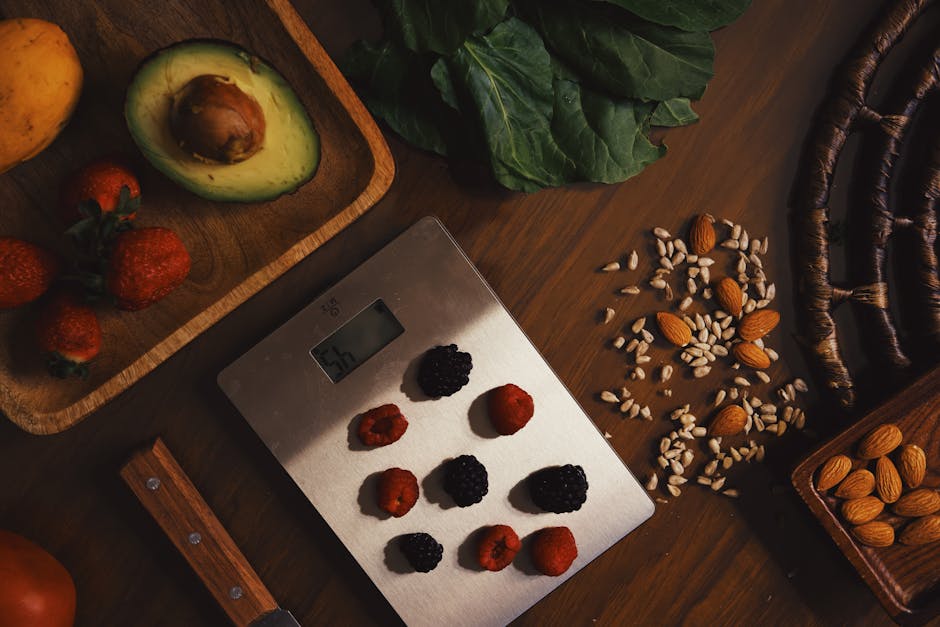

The Four Building Blocks of Nutritionally Complete Snacks
1. High-Quality Protein (15-20g per serving)
Protein serves as the foundation of any **nutritionally complete snack**. Aim for 15-20 grams per serving to maximize satiety and energy stability. Complete proteins contain all nine essential amino acids and include:
- Eggs: 6g protein per large egg, with perfect amino acid profile
- Greek yogurt: 15-20g protein per 6oz serving
- Lentils: 8g protein per ½ cup cooked, plus fiber and complex carbs
- Nuts and seeds: 4-7g protein per ounce, depending on variety
Northwestern Medicine suggests creating a crunchy roasted lentil snack by baking pre-cooked lentils at 320°F for 20 minutes with olive oil and spices – providing protein, fiber, and complex carbohydrates in one satisfying package.
2. Complex Carbohydrates (20-30g)
Unlike simple sugars, complex carbohydrates provide steady energy release over 2-4 hours. Focus on:
- Whole grain crackers: 15-20g carbs per serving
- Fresh fruits: 15-25g natural sugars plus fiber
- Vegetables: 5-10g carbs with high nutrient density
- Legumes: 15-20g carbs with protein bonus
3. Healthy Fats (8-12g)
Healthy fats slow digestion and enhance nutrient absorption while providing 9 calories per gram. Include moderate amounts of:
- Avocado: 10g healthy fats per ½ medium fruit
- Nuts and nut butters: 8-14g fats per ounce
- Seeds: 4-8g fats per tablespoon
- Olive oil: 14g fats per tablespoon
4. Fiber (5-8g minimum)
Fiber is crucial for sustained energy and digestive health. The CDC recommends adding beans to increase nutritional value, as they provide both fiber and plant-based protein.
Proven Meal-Replacement Snack Formulas
Creating **nutritionally complete snacks** that can replace light meals requires strategic combinations. Here are evidence-based formulas that deliver 250-350 calories with balanced macronutrients:
| Snack Formula | Protein (g) | Carbs (g) | Fiber (g) | Calories | Satiety Duration |
|---|---|---|---|---|---|
| Greek yogurt + berries + almonds | 18 | 22 | 6 | 280 | 3-4 hours |
| Apple + almond butter + hemp seeds | 12 | 28 | 8 | 320 | 3-4 hours |
| Hummus + vegetables + whole grain pita | 15 | 35 | 10 | 300 | 4-5 hours |
| Hard-boiled eggs + avocado + crackers | 16 | 20 | 7 | 350 | 4-5 hours |
| Cottage cheese + fruit + nuts | 20 | 18 | 5 | 290 | 3-4 hours |
These combinations follow the principle outlined by registered dietitian Sarah Gold: balanced snacks help "boost energy, add nutrients to your day, control cravings, and keep you from overeating at meals."

Portable Solutions for Busy Lifestyles
Modern life demands **energy-stabilizing snacks** that travel well without refrigeration. MD Live recommends portable options like "nuts, cheese, jerky, roasted chickpeas, and veggie sticks with peanut butter" for their convenience and nutritional density.
Make-Ahead Options
Preparation is key to maintaining consistent nutrition habits. These **nutritionally complete snacks** can be prepared in advance:
- Energy balls: Combine oats, nut butter, seeds, and dried fruit. Roll into balls and refrigerate for up to one week.
- Roasted chickpeas: Season and roast chickpeas at 400°F for 20-30 minutes. Store in airtight containers for up to 5 days.
- Trail mix portions: Pre-portion nuts, seeds, and dried fruit into individual servings to control calories and ensure balanced nutrition.
- Veggie and hummus packs: Pre-cut vegetables and portion hummus into small containers for grab-and-go convenience.
Emergency Desk Snacks
Keep these shelf-stable options at work for **energy stability** throughout the day:
- Individual nut butter packets with whole grain crackers
- Protein bars with at least 15g protein and under 8g added sugar
- Mixed nuts and seeds (1-ounce portions)
- Roasted lentil chips with single-serve guacamole

Strategic Timing for Maximum Energy Benefits
When you eat **nutritionally complete snacks** matters as much as what you eat. Research on meal frequency and energy intake suggests that strategic snacking can optimize energy levels and prevent overeating at main meals.
The 3-Hour Rule
Plan snacks 3-4 hours after meals and 2-3 hours before your next meal. This timing prevents blood sugar dips while ensuring you arrive at mealtime appropriately hungry rather than ravenous.
Pre-Workout Fuel (30-60 minutes before exercise)
Combine easily digestible carbs with moderate protein:
- Banana with 1 tablespoon almond butter
- Greek yogurt with honey and berries
- Whole grain toast with avocado
Post-Workout Recovery (within 30 minutes)
Focus on protein for muscle recovery and carbs to replenish energy stores:
- Chocolate milk (3:1 carb to protein ratio)
- Protein smoothie with fruit
- Hard-boiled eggs with whole grain crackers
This strategic approach to timing supports both your fitness goals and overall energy management throughout the day.
Customizing for Special Dietary Needs
**Nutritionally complete snacks** can be adapted for various dietary restrictions while maintaining their energy-stabilizing properties.
Plant-Based Options
Combine complementary proteins to ensure amino acid completeness:
- Hummus with whole grain pita (legumes + grains)
- Peanut butter on whole grain bread
- Edamame with almonds
- Quinoa salad with beans and vegetables
Low-Carb Adaptations
Focus on protein and healthy fats while using low-carb vegetables for fiber:
- Celery sticks with almond butter
- Cucumber slices with cream cheese and smoked salmon
- Hard-boiled eggs with avocado
- Cheese with raw vegetables
Gluten-Free Solutions
Replace wheat-based carbs with naturally gluten-free options:
- Rice cakes with nut butter and banana
- Corn tortilla with black beans and avocado
- Quinoa crackers with hummus
- Apple slices with cheese
These adaptations ensure that dietary restrictions don't compromise the **energy-stabilizing benefits** of balanced snacking. Consider consulting with professionals who understand both nutrition and mental health aspects of food choices for personalized guidance.
Measuring Your Success: Energy and Satisfaction Markers
Track these indicators to ensure your **nutritionally complete snacks** are effectively replacing light meals and stabilizing energy:
Physical Markers
- Sustained energy: No energy crashes for 3-4 hours after snacking
- Stable hunger: Moderate hunger (not ravenous) at next meal
- Consistent mood: No irritability or brain fog between meals
- Improved workout performance: Better energy during planned exercise
Behavioral Changes
- Reduced cravings for sugary or processed foods
- Better portion control at main meals
- Less frequent snacking overall
- Improved sleep quality (stable blood sugar affects sleep)
Keep a simple food and energy log for 1-2 weeks to identify patterns and optimize your snack timing and composition.
Frequently Asked Questions
How many calories should a meal-replacement snack contain?
250-350 calories is optimal for most adults. This range provides enough energy to sustain you for 3-4 hours while leaving room for balanced main meals. Snacks under 200 calories typically lack staying power, while those over 400 calories may interfere with appetite regulation at meal times.
Can I eat these snacks if I'm trying to lose weight?
Yes, nutritionally complete snacks can support weight management by preventing overe


