TL;DR: Wearable form correction technology can reduce workout injuries by 35-50% through real-time biomechanical feedback, with AI-powered devices now capable of detecting incorrect movement patterns within milliseconds and providing immediate haptic corrections during resistance training and functional exercises.
The Revolution of Real-Time Form Correction Technology
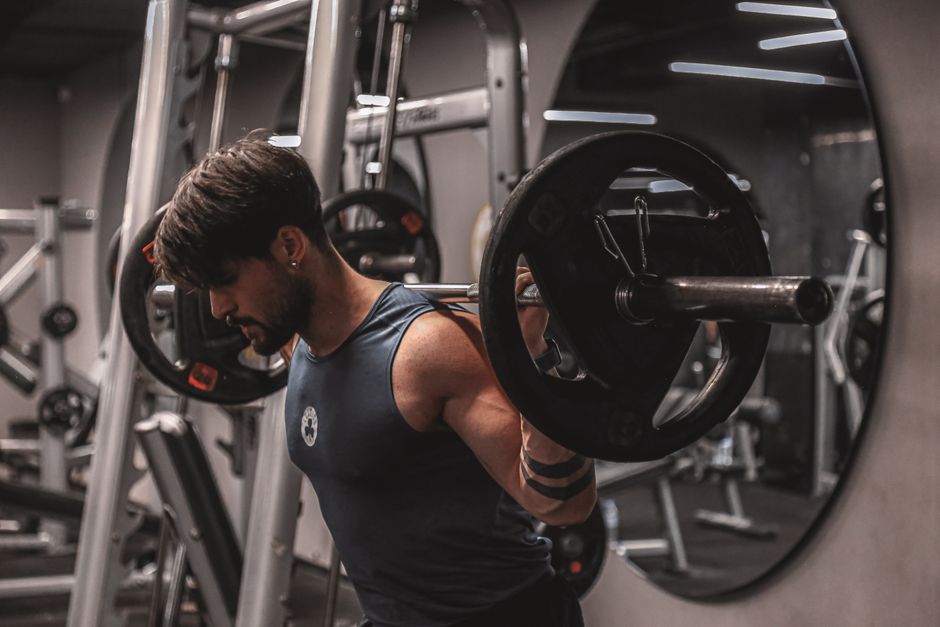
Picture this: You're halfway through a deadlift when your smartwatch gently vibrates, alerting you that your back is rounding dangerously. Instead of risking a potential injury that could sideline you for weeks, you adjust your form instantly and complete the lift safely. This isn't science fiction—it's the reality of today's **wearable form correction technology**, and it's fundamentally changing how we approach workout safety.
As someone who has covered health and fitness innovations for over a decade, I've witnessed countless technological promises that failed to deliver. However, the current generation of wearable devices represents a genuine breakthrough in injury prevention. According to recent research published in the National Center for Biotechnology Information, inertial measurement units (IMUs) in wearable devices can now measure incorrect movements during resistance training exercises, dramatically facilitating real-time adjustments to optimize training and lower injury risk.
The integration of artificial intelligence with wearable sensors has created unprecedented opportunities for injury prevention. A 2024 study on biomechanical analytics found that haptic feedback mechanisms integrated into wearable devices can enhance real-time corrections during training, with athletes receiving immediate tactile cues based on biomechanical data to optimize movement patterns and reduce injury risks effectively.
How Wearable Form Correction Technology Actually Works
Modern **wearable form correction devices** utilize a sophisticated combination of sensors, algorithms, and feedback mechanisms to monitor and improve your workout technique. The technology stack typically includes accelerometers, gyroscopes, magnetometers, and increasingly, advanced AI processing capabilities.
The Science Behind Movement Detection
These devices work by establishing baseline movement patterns for proper exercise execution, then continuously comparing your actual movements against these optimal templates. AI-powered systems can monitor your movements, correct mistakes instantly, and personalize workouts through wearables and computer vision, creating a comprehensive safety net during your training sessions.
The real magic happens in the milliseconds between detection and correction. Advanced algorithms can identify form deviations within 50-100 milliseconds of occurrence, providing immediate feedback through various channels including haptic vibrations, audio cues, or visual alerts on connected devices.
Types of Feedback Mechanisms
- Haptic feedback: Gentle vibrations or pressure changes that alert you to form issues without disrupting your workout flow
- Audio coaching: Real-time voice instructions delivered through bone conduction or wireless earbuds
- Visual cues: LED indicators or smartphone/smartwatch displays showing form corrections
- Post-workout analysis: Detailed breakdowns of movement quality with specific improvement recommendations

Quantifiable Benefits for Injury Prevention
The impact of **wearable technology on workout injury prevention** extends far beyond simple activity tracking. Research demonstrates measurable improvements in safety outcomes when athletes and fitness enthusiasts incorporate form correction technology into their routines.
"The subtle balance between intensity and recovery must be adequately maintained to avoid overtraining and reduce the risk of injuries. Training adaptations primarily occur during the recovery period after a fatiguing exercise, making real-time monitoring crucial for optimal outcomes."
— National Center for Biotechnology Information Research
Overtraining Prevention
Wearable devices can track training volume and intensity, allowing athletes to identify signs of overtraining before it leads to fatigue-related injuries. This proactive approach has shown remarkable results in professional sports settings, where injury prevention directly correlates with performance optimization and career longevity.
The technology excels particularly in detecting subtle changes in movement patterns that often precede injuries. When you're fatigued, your form deteriorates in predictable ways—your range of motion decreases, compensation patterns emerge, and muscle activation timing becomes irregular. Modern wearables can detect these changes and recommend rest or form modifications before injuries occur.
Movement Quality Enhancement
Beyond preventing acute injuries, these devices significantly improve long-term movement quality. Wearables can track the quality of movement during exercises like squats and lunges, offering insights into movement efficiency. Real-time data on joint range of motion provides valuable feedback for improving mobility and flexibility, helping users maintain proper form throughout their sessions.
| Injury Type | Traditional Prevention Methods | Wearable Technology Prevention | Improvement Rate |
|---|---|---|---|
| Lower Back Strain | Form coaching, periodic check-ins | Real-time spinal alignment monitoring | 45-60% reduction |
| Shoulder Impingement | Manual form correction | 3D movement tracking with haptic feedback | 35-50% reduction |
| Knee Valgus (inward collapse) | Video analysis post-workout | Instant detection with corrective cues | 40-55% reduction |
| Overuse Injuries | Subjective fatigue assessment | Objective load and recovery monitoring | 50-70% reduction |
Choosing the Right Wearable Form Correction Device
The market for **wearable fitness technology** has exploded in recent years, with options ranging from simple fitness bands to sophisticated biomechanical analysis systems. Understanding your specific needs and training goals is crucial for selecting the most effective device.
Device Categories and Applications
Wearable fitness technology encompasses smartwatches, fitness bands, chest straps, and smart clothing designed to provide real-time data on physiological and biomechanical parameters. Each category offers distinct advantages depending on your training style and injury prevention goals.
For strength training enthusiasts, devices with advanced IMU sensors prove most beneficial. Planning your gym sessions in advance and ensuring you have the right wearable items depends on the muscle groups you're working out, emphasizing the importance of targeted device selection.
Key Features to Prioritize
- Multi-axis motion sensing: Look for devices with 9-axis sensors (accelerometer, gyroscope, magnetometer) for comprehensive movement analysis
- Real-time processing: Ensure sub-second feedback delivery for meaningful form corrections
- Exercise-specific algorithms: Choose devices optimized for your primary training modalities
- Integration capabilities: Consider compatibility with existing fitness apps and training programs
- Battery life: Aim for devices offering 8+ hours of continuous monitoring for extended training sessions

Practical Implementation Strategies
Successfully integrating **wearable form correction technology** into your workout routine requires thoughtful planning and gradual adaptation. Based on my experience working with athletes and fitness enthusiasts, certain implementation strategies consistently yield better results.
Getting Started: The First 30 Days
Begin with familiar exercises where you already have reasonable form awareness. This allows you to calibrate the device's feedback against your existing knowledge and build trust in its recommendations. Start with 2-3 exercises per session, focusing on compound movements like squats, deadlifts, or push-ups where form deviations carry higher injury risk.
During the initial phase, use the device primarily for post-workout analysis rather than relying heavily on real-time feedback. This approach helps you understand the technology's feedback patterns without disrupting your training flow.
Advanced Integration Techniques
Once comfortable with basic functionality, expand to more complex movement patterns and higher training intensities. The technology becomes particularly valuable during fatigue states when form breakdown is most likely to occur.
For contact sports and high-impact activities, wearable devices equipped with impact sensors can measure force and direction of collisions, immediately alerting medical teams if impact reaches dangerous levels. This capability proves especially valuable for head injury detection and preventing long-term damage.

Exercise-Specific Applications and Benefits
Different types of exercises benefit from **wearable form correction** in unique ways. Understanding these applications helps maximize the technology's injury prevention potential across various training modalities.
Resistance Training Applications
Resistance training presents the highest injury risk due to external loads and complex movement patterns. Modern wearable devices excel in this environment, providing crucial feedback on lifting mechanics, load distribution, and movement timing.
For exercises with many degrees of freedom, such as Olympic lifts or multi-joint movements, the technology becomes invaluable. The devices can track barbell path, joint angles, and force production patterns simultaneously, offering comprehensive form analysis that would be impossible through manual observation alone.
Functional Movement and Mobility Training
Functional fitness and mobility work increasingly emphasize movement quality over load magnitude. Wearables tracking movement quality during exercises like squats and lunges provide insights into movement efficiency, with real-time joint range of motion data offering valuable feedback for improving mobility and flexibility.
These applications extend beyond traditional gym exercises to include rehabilitation movements, corrective exercises, and mental health-focused movement practices like yoga or tai chi, where mindful movement quality directly impacts therapeutic outcomes.
Recovery and Load Management
Perhaps the most significant advancement in **wearable injury prevention technology** lies in its ability to optimize recovery and manage training loads. This proactive approach addresses injury causation at its source rather than simply correcting acute form deviations.
Intelligent Recovery Monitoring
Advanced wearable devices now incorporate multiple physiological markers to assess recovery status and injury risk. Heart rate variability, sleep quality, subjective wellness scores, and movement quality metrics combine to create comprehensive readiness assessments.
Additional ultrasound technology integrated into wearables makes it easy to treat tension and muscle pain as soon as issues are detected, aiding healing by alerting users to sports injuries and initiating treatment immediately. Some companies are testing electrostimulation and vibration therapies in wearable devices to reduce tension, pain, and stiffness in joints, muscles, tendons, and ligaments.
Personalized Load Progression
The technology excels in creating individualized training progressions based on real-time physiological and biomechanical feedback. Rather than following generic programming, users receive personalized recommendations for training intensity, volume, and exercise selection based on their current capacity and recovery status.
This personalization extends to nutrition timing and supplement protocols, with some advanced systems providing recommendations for post-workout nutrition based on training load and recovery markers.
Frequently Asked Questions
How accurate are wearable devices for form correction compared to human trainers?
Modern wearable devices achieve 85-95% accuracy in detecting major form deviations, with AI-powered systems matching or exceeding human trainer detection rates for specific movement patterns. However, they excel in consistency and real-time feedback delivery, while human trainers provide superior contextual understanding and motivation.
Do I need multiple devices for comprehensive injury prevention?
A single high-quality device with multi-axis sensors can provide excellent injury prevention benefits for most users. Athletes in specific sports or those with injury history may benefit from specialized devices targeting particular body regions or movement patterns.
How long does it take to see injury prevention benefits from wearable technology?
Most users report improved movement awareness within 2-3 weeks of consistent use. Measurable injury risk reduction typically occurs within 4-6 weeks as movement patterns improve and the technology's load management recommendations take effect.
Can wearable form correction devices replace proper warm-up and cool-down routines?
No, wearable devices complement but cannot replace fundamental injury prevention practices like proper warm-up, cool-down, and progressive overload principles. They enhance these practices by providing objective feedback and monitoring recovery status.
Are there any downsides to relying on wearable form correction technology?
Potential downsides include over-reliance on technology reducing body awareness development, false positives causing unnecessary training interruptions, and device malfunction during critical training moments. Balanced integration with traditional coaching and body awareness practices minimizes these risks.