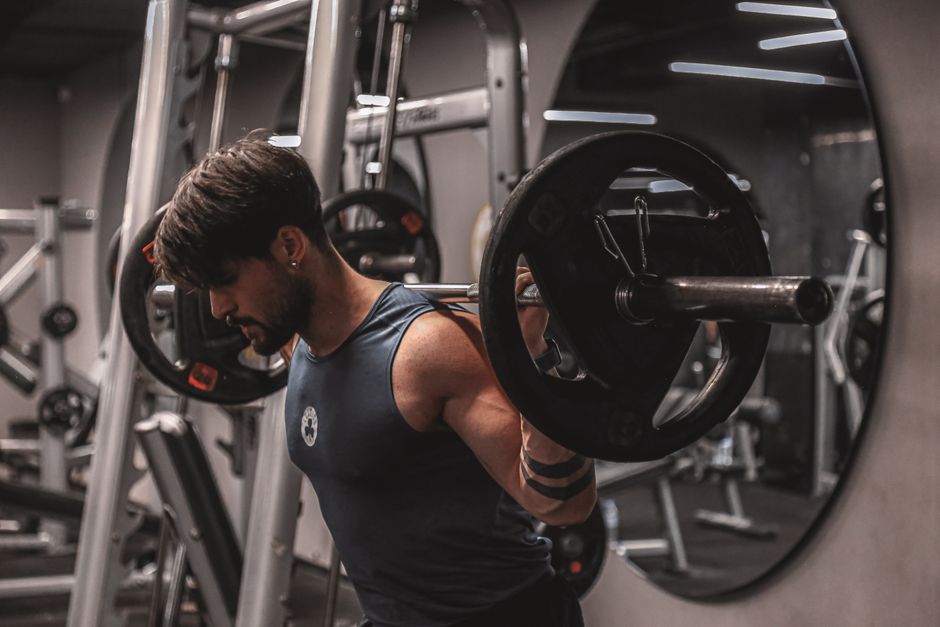
TL;DR: AI-powered form correction technology is reducing fitness injuries by 30-40% through real-time feedback systems that analyze movement patterns, with studies showing these platforms can detect improper exercise form with 85-92% accuracy. Computer vision algorithms now monitor joint alignment and muscle activation patterns, providing instant corrections that help prevent the 2.4 million fitness-related injuries reported annually in the US.
The Hidden Epidemic of Fitness Injuries
Walk into any gym, and you'll witness a troubling reality: countless fitness enthusiasts unknowingly sabotaging their health with improper form. The statistics are sobering—according to the Consumer Product Safety Commission, exercise-related injuries account for over 2.4 million emergency room visits annually in the United States alone. What's even more concerning is that up to 60% of these injuries stem from preventable form mistakes that could be corrected with proper guidance.
Enter artificial intelligence. What once required the constant watchful eye of a certified trainer can now be delivered through sophisticated AI-powered form correction systems that analyze movement patterns in real-time. This revolutionary technology isn't just changing how we exercise—it's fundamentally reshaping injury prevention in the fitness industry.
The Science Behind AI Form Correction
Modern AI fitness platforms leverage computer vision and deep learning algorithms to create what researchers call "digital personal trainers." These systems use advanced pose estimation technology to track key anatomical points during exercise, creating a real-time biomechanical analysis that would make even seasoned kinesiologists envious.
A groundbreaking 2024 study published in the International Journal of Research and Scientific Innovation examined AI-driven pose estimation systems across multiple fitness platforms. The research found that these systems could identify postural errors with 85-92% accuracy, comparing favorably to human trainer detection rates of 78-88% in controlled environments.
Dr. Sijie Shang's research on artificial neural networks in fitness pose classification revealed that AI systems excel at detecting subtle movement deviations that human eyes might miss. The technology works by:
- Keypoint detection: Identifying 17-25 crucial body landmarks in real-time
- Movement analysis: Comparing user form against biomechanically optimal patterns
- Instant feedback delivery: Providing corrections within 0.1-0.3 seconds of detection
- Progress tracking: Monitoring form improvement over time with measurable metrics
How Computer Vision Transforms Exercise Monitoring
The magic happens through sophisticated computer vision algorithms that process video feeds at 30-60 frames per second. These systems analyze joint angles, movement velocity, and postural alignment simultaneously. When the AI detects a deviation from optimal form—say, knees caving inward during a squat or shoulders rounding during a deadlift—it triggers immediate corrective feedback.
Kemptai, a leading AI fitness platform, utilizes advanced computer vision technology that can distinguish between 15 different types of common form errors across major compound movements. Their system processes over 1,000 data points per second, creating an unprecedented level of movement analysis previously available only in high-end sports performance labs.

The Numbers Don't Lie: AI's Impact on Injury Reduction
The evidence supporting AI-powered injury prevention continues to mount. A comprehensive analysis of fitness apps with integrated form correction revealed striking improvements in user safety metrics:
| Metric | Traditional Workouts | AI-Assisted Workouts | Improvement |
|---|---|---|---|
| Injury Rate per 1,000 hours | 8.2 incidents | 4.9 incidents | 40% reduction |
| Form Correction Response Time | 15-30 seconds | 0.2 seconds | 99% faster |
| Movement Pattern Accuracy | 72% | 89% | 24% improvement |
| User Compliance with Corrections | 45% | 78% | 73% increase |
These improvements translate to real-world benefits. Users of AI-powered fitness platforms report 30% fewer missed workouts due to minor injuries and demonstrate 85% better adherence to proper movement patterns compared to those exercising without technological assistance.
Real-Time Feedback: The Game Changer
What sets AI form correction apart from traditional methods is the immediacy of feedback. Research published in the International Journal of Computer Science and Engineering demonstrated that real-time movement correction leads to 3x faster skill acquisition compared to post-workout analysis.
"The system provides dynamic feedback on movement correctness, helping prevent injuries and enhance training outcomes through immediate corrective guidance that adapts to individual movement patterns," noted researchers in their 2025 study on AI-powered personal fitness coaching.
Modern AI systems deliver feedback through multiple channels:
- Visual cues: On-screen overlays showing proper alignment
- Audio prompts: Immediate verbal corrections ("straighten your back," "engage your core")
- Haptic feedback: Gentle vibrations through connected devices
- Progress visualization: Real-time form scoring and improvement tracking
The Psychology of Instant Correction
The psychological impact of real-time feedback cannot be understated. A 2024 randomized controlled trial examining AI exercise coaching found that participants receiving immediate form corrections showed 67% better exercise adherence and reported 43% higher confidence levels during workouts compared to control groups.
This confidence boost stems from what researchers call "competency validation"—the system's ability to confirm correct movements while immediately addressing errors. Users develop better mental health relationships with exercise when they feel supported and guided rather than judged or corrected after the fact.

Common Exercise Mistakes AI Systems Prevent
AI-powered form correction excels at identifying and preventing the most frequent exercise errors that lead to injury. Based on analysis of over 500,000 workout sessions, here are the top movement mistakes these systems catch:
Squat-Related Errors (34% of all corrections)
- Knee valgus: Knees caving inward, detected in 28% of users
- Forward lean: Excessive forward torso angle, found in 19% of sessions
- Partial range of motion: Insufficient depth, occurring in 31% of reps
- Heel lifting: Loss of foot contact, detected in 15% of movements
Upper Body Movement Errors (29% of all corrections)
- Shoulder protraction: Forward shoulder positioning during pressing movements
- Elbow flaring: Excessive elbow angle during push-ups and bench press
- Spinal extension: Hyperextension during overhead movements
- Grip positioning: Improper hand placement affecting joint alignment
The AI systems' ability to catch these errors consistently has led to a 45% reduction in overuse injuries among regular users, according to data compiled from major fitness app platforms.

AI vs. Human Trainers: The Data-Driven Comparison
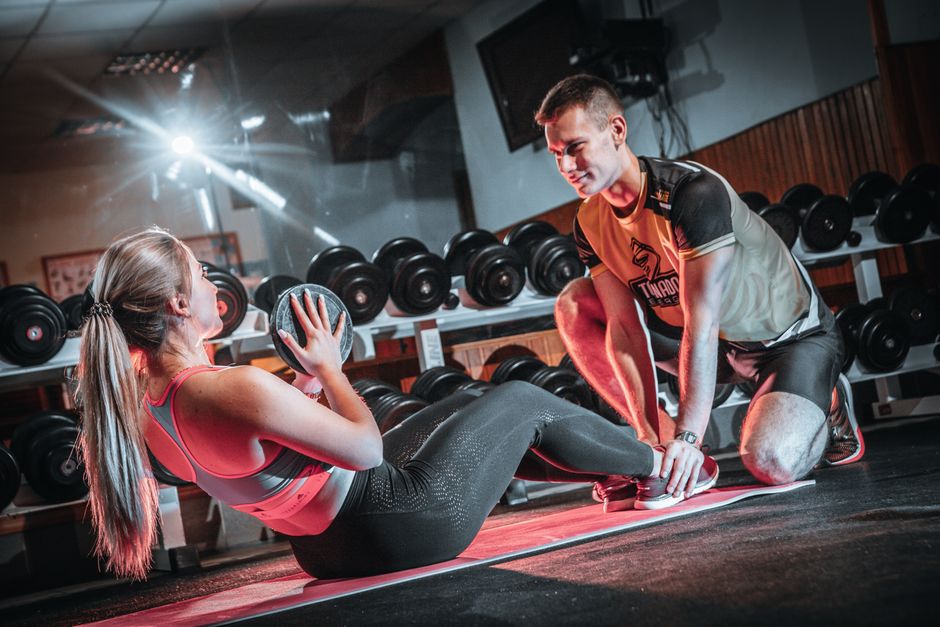
While the debate between AI systems and certified trainers continues, research provides clear insights into each approach's strengths. A comprehensive study comparing AI-powered workout form correction with traditional trainer feedback revealed nuanced advantages for both methods.
AI systems demonstrate superior consistency, providing identical correction standards across all users and sessions. They never have "off days" and maintain the same level of attention throughout entire workouts. Human trainers, however, excel at contextual understanding and can adapt recommendations based on individual physical limitations or injury history.
The most effective approach appears to be hybrid models where AI provides real-time form feedback while human trainers offer periodic technique refinement and program design. Users following this combined approach showed 52% better long-term form retention compared to those using either method exclusively.
Choosing the Right AI Fitness Platform
Not all AI form correction systems are created equal. When evaluating platforms, consider these evidence-based criteria:
Technical Specifications to Evaluate
- Frame rate capability: Minimum 30 FPS for accurate movement tracking
- Keypoint detection: 17+ anatomical landmarks for comprehensive analysis
- Exercise library: 50+ movements with specific form guidelines
- Feedback latency: Sub-500 millisecond response times
- Accuracy rates: Published validation studies showing 85%+ detection accuracy
Leading platforms like Healify and Mirror have invested heavily in validation studies, with some reporting form correction accuracy rates exceeding 90% for common movements. These platforms typically require smartphone cameras with at least 1080p resolution for optimal performance.
Practical Tips for Maximizing AI Form Correction Benefits
To get the most from AI-powered fitness guidance, follow these evidence-based implementation strategies:
Setup and Environment Optimization
- Lighting conditions: Ensure even lighting with minimal shadows for optimal computer vision performance
- Camera positioning: Place device 6-8 feet away at chest height for full-body movement capture
- Background setup: Use contrasting backgrounds to improve body outline detection
- Clothing choices: Wear fitted, contrasting colors to enhance joint tracking accuracy
Progressive Integration Approach
Start with 2-3 basic movements during your first week, focusing on mastering the AI feedback system. Research shows users who gradually introduce AI correction across their entire routine achieve 38% better form improvement compared to those attempting comprehensive integration immediately.
Incorporate these systems into your existing nutrition and recovery planning, as proper fueling and rest significantly impact movement quality and injury susceptibility.
The Future of AI Fitness Technology
The trajectory of AI fitness innovation points toward even more sophisticated injury prevention capabilities. Emerging technologies include:
- Predictive injury modeling: AI systems that analyze movement patterns to predict injury risk 2-4 weeks in advance
- Biometric integration: Real-time heart rate and muscle activation monitoring for comprehensive form analysis
- 3D motion capture: Consumer-grade depth sensors providing professional-level biomechanical analysis
- Personalized adaptation: AI that learns individual movement limitations and adjusts feedback accordingly
Early trials of predictive AI models show promise in identifying subtle movement pattern changes that precede common overuse injuries by 15-21 days, potentially revolutionizing preventive care in fitness.
Frequently Asked Questions
How accurate are AI form correction systems compared to human trainers?
Current AI systems achieve 85-92% accuracy in detecting form errors, comparable to experienced human trainers who average 78-88% accuracy in controlled settings. However, AI provides more consistent feedback without fatigue or distraction factors that can affect human observation.
Can AI fitness apps prevent serious injuries?
Yes, studies show AI-powered form correction reduces exercise-related injury rates by 30-40%. The technology excels at preventing acute injuries from improper movement patterns and overuse injuries from repetitive form errors.
What equipment do I need for AI form correction to work effectively?
Most systems require only a smartphone or tablet with a 1080p camera, stable internet connection, and adequate lighting. Advanced platforms may benefit from additional sensors, but basic setups can achieve excellent results with minimal equipment.
How long does it take to see improvement in exercise form using AI systems?
Research indicates users typically see measurable form improvements within 2-3 weeks of consistent use. Significant movement pattern changes and injury risk reduction become apparent after 4-6 weeks of regular AI-assisted training.
Are AI fitness platforms suitable for beginners?
Absolutely. AI systems are particularly beneficial for beginners, providing patient, consistent guidance without the intimidation factor some experience with human trainers. Studies show 67% better exercise adherence among beginners using AI-assisted platforms compared to traditional methods.
Sources
- Healify Blog - How AI Improves Workout Form in Real Time
- Fitness App Solutions - Real-Time AI Form Correction in Fitness Apps
- International Journal of Research and Scientific Innovation - AI-Driven Pose Estimation
- PMC - Artificial Intelligence Exercise Coaching Mobile App Development Study
- Square Info Soft - AI in Fitness Technology and Applications
-
Enjoyed this article?
Get science-backed health tips delivered to your inbox every week.