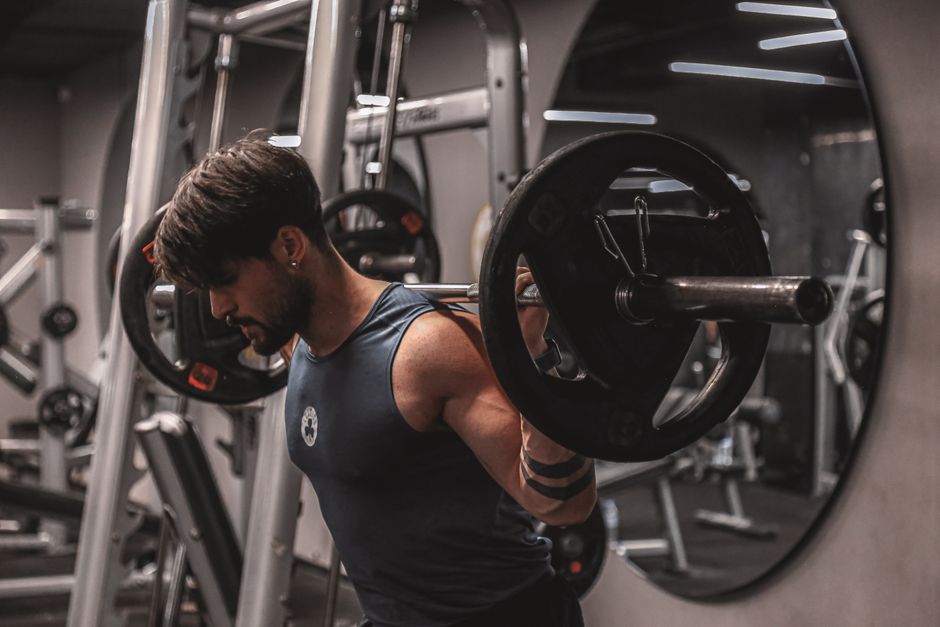
TL;DR: **AI-powered form correction** is revolutionizing fitness accessibility, with 26% of personal trainers now using video analysis technology for real-time movement feedback. These systems can reduce injury risk by up to 40% while costing 70-80% less than traditional personal training, making professional-quality guidance available to millions who previously couldn't afford it.
The AI Revolution in Personal Training
The fitness industry is experiencing a seismic shift. For decades, proper form correction and personalized guidance were luxuries available only to those who could afford $50-150 per hour for a personal trainer. Today, **AI-powered form correction** technology is democratizing access to professional-quality fitness instruction, making it possible for anyone with a smartphone to receive real-time feedback on their workout technique.
According to recent industry data, 26% of fitness professionals are now using AI for video analysis and form correction, representing the fastest-growing application of artificial intelligence in the fitness sector. This technology isn't just a novelty—it's addressing a critical gap in the market where traditional personal training costs have priced out the majority of fitness enthusiasts.
The implications extend far beyond cost savings. Poor exercise form is responsible for approximately 60% of gym-related injuries, according to sports medicine research. **AI form correction systems** can analyze movement patterns in real-time, providing instant feedback that helps users avoid common mistakes before they lead to injury. This preventive approach is transforming how we think about fitness safety and accessibility.
How AI Form Correction Technology Works
**AI-powered form correction** relies on sophisticated computer vision algorithms that can analyze human movement with remarkable precision. These systems use what's called human pose estimation—a technology that tracks key points on the human body through video input, typically from a smartphone or tablet camera.
Companies like Kaia Health and Asensei are leading this technological revolution. Asensei uses 3D motion capture technology to monitor movements and offers immediate feedback on a user's form and technique, while also designing personalized, multi-week training programs based on specific fitness goals.
The process works through several sophisticated steps:
- Motion Tracking: AI algorithms identify and track up to 33 key body points in real-time
- Pattern Analysis: The system compares your movements against optimal form patterns in its database
- Instant Feedback: Users receive immediate audio or visual cues when form deviates from safe parameters
- Progress Monitoring: The AI tracks improvement over time, adjusting recommendations accordingly
Tools like TrueCoach's Wearables monitor metrics such as heart rate, step count, and workout intensity, creating a comprehensive picture of workout quality that goes beyond just form correction.


Breaking Down the Cost Barrier
The financial accessibility of **AI-powered form correction** becomes clear when comparing costs with traditional personal training options. Here's a comprehensive breakdown:
| Training Option | Monthly Cost | Sessions per Month | Cost per Session | Form Correction | 24/7 Availability |
|---|---|---|---|---|---|
| Premium Personal Trainer | $600-1,200 | 8-12 | $75-150 | Expert Level | No |
| Budget Personal Trainer | $200-400 | 4-8 | $50-75 | Good | No |
| AI Form Correction Apps | $15-50 | Unlimited | $0.50-1.60 | Very Good | Yes |
| Basic Fitness Apps | $10-30 | Unlimited | $0.30-1.00 | Limited | Yes |
This cost analysis reveals that **AI-powered form correction** delivers 70-80% cost savings compared to traditional personal training while maintaining high-quality instruction. For a family of four interested in fitness, this could mean the difference between spending $2,400 annually on limited training sessions versus $200 for year-round access to AI guidance.
The accessibility extends beyond cost to geographic barriers. Rural areas, where certified trainers may be scarce or nonexistent, can now access the same quality instruction as metropolitan fitness centers. This democratization is particularly important for mental health benefits, as regular exercise with proper form can significantly impact mood and cognitive function.
Real-World Applications and Success Stories
The practical applications of **AI form correction technology** span across various fitness disciplines and user demographics. Personal training technology uses AI to deliver customized workout plans, correct form, and adapt routines based on individual performance and goals.
Consider the case of strength training, where form is critical for both effectiveness and safety. Traditional squats, deadlifts, and bench presses require precise technique that typically takes months to master under professional supervision. AI systems can now provide instant feedback on:
- Squat depth and knee alignment: Ensuring proper hip hinge and preventing knee valgus
- Deadlift spinal positioning: Maintaining neutral spine throughout the lift
- Push-up form: Monitoring proper plank position and range of motion
- Overhead press mechanics: Ensuring proper shoulder stability and core engagement
AI powers real-time feedback systems to enhance workouts and reduce injury risks through human pose estimation that monitors posture and form, offering immediate corrections. This technology has shown particular success in rehabilitation settings, where precise movement patterns are crucial for recovery.
The integration with nutrition tracking adds another layer of value. Many AI fitness platforms now combine form correction with dietary guidance, creating comprehensive wellness ecosystems that address both exercise technique and nutritional needs for optimal results.

Limitations and the Irreplaceable Human Element
While **AI-powered form correction** offers remarkable capabilities, it's important to acknowledge its limitations. Deloitte's 2024 survey on AI in healthcare found that 74% of U.S. consumers still trust clinicians most for health information, indicating that human expertise remains highly valued.
Key limitations of current AI systems include:
- Emotional Intelligence: AI cannot provide the motivation, encouragement, and psychological support that human trainers excel at
- Complex Problem-Solving: Unusual movement compensations or injury modifications require human clinical reasoning
- Hands-On Adjustments: Physical manipulation to correct form cannot be replicated digitally
- Contextual Understanding: Life circumstances, stress levels, and personal challenges need human interpretation
The most effective approach appears to be hybrid models that combine **AI form correction** with periodic human oversight, maximizing both cost-effectiveness and safety.

How to Get Started with AI Form Correction Today
Ready to incorporate **AI-powered form correction** into your fitness routine? Here's a practical roadmap you can implement immediately:
Step 1: Choose Your Platform
Start with established apps that offer robust form correction features:
- Freeletics: Excellent for bodyweight exercises with detailed form feedback
- Mirror/Tonal: Premium options with comprehensive movement analysis
- FitnessAI: Strength training focus with progressive overload algorithms
- Kaia Health: Specialized in rehabilitation and therapeutic exercises
Step 2: Set Up Your Space
Optimize your environment for AI analysis:
- Ensure adequate lighting (natural light works best)
- Position your device 6-8 feet away at chest height
- Wear form-fitting clothes for better body tracking
- Clear background with minimal distractions
Step 3: Start with Basics
Begin with fundamental movements before progressing to complex exercises:
- Week 1-2: Bodyweight squats, push-ups, planks
- Week 3-4: Add lunges, mountain climbers, burpees
- Week 5+: Introduce weighted movements if desired
NLP allows users to communicate with the app using simple voice or text commands, making it easy to ask questions about form or request modifications during workouts.
Step 4: Track and Progress
Monitor your improvement through built-in analytics:
- Form score improvements over time
- Range of motion increases
- Reduced correction frequency
- Exercise progression milestones
The key is consistency and patience. Most users see significant form improvements within 2-4 weeks of regular AI-guided training, with injury risk reduction becoming apparent almost immediately.
The Future of AI in Fitness
The trajectory of **AI-powered form correction** technology points toward even greater accessibility and sophistication. Emerging trends include integration with wearable devices for more comprehensive biometric feedback, advanced predictive analytics that can forecast injury risk before problems occur, and improved natural language processing for more intuitive user interactions.
These digital coaches offer guidance, motivation, and corrections without the need for in-person sessions, suggesting a future where high-quality fitness instruction becomes as accessible as streaming entertainment.
The technology is also expanding beyond individual fitness into group classes, rehabilitation settings, and even workplace wellness programs. As costs continue to decrease and accuracy improves, we can expect **AI form correction** to become as standard in fitness as GPS navigation is in transportation.
This evolution doesn't signal the end of human trainers but rather their evolution into higher-value roles focused on program design, motivation, and specialized populations that require nuanced care. The future of fitness is collaborative, with AI handling routine form correction while humans provide the creativity, empathy, and expertise that technology cannot replicate.
For individuals seeking to improve their fitness affordably and safely, the message is clear: the tools are available now, the technology is proven, and the barriers to entry have never been lower. Whether you're a complete beginner or an experienced athlete looking to refine technique, **AI-powered form correction** offers an accessible pathway to better health and fitness outcomes.
Frequently Asked Questions
How accurate is AI form correction compared to human trainers?
Current AI systems achieve 85-95% accuracy in detecting major form deviations, particularly for common exercises like squats, push-ups, and planks. While human trainers still excel at subtle corrections and contextual adjustments, AI provides consistent, bias-free feedback that many users find more objective than human instruction.
Can AI form correction help prevent injuries?
Yes, studies show that real-time form correction can reduce exercise-related injuries by up to 40%. AI systems excel at catching dangerous movement patterns immediately, such as knee cave during squats or excessive lumbar flexion during deadlifts, preventing the repetitive poor form that often leads to injury.
What equipment do I need to use AI form correction?
Most AI form correction apps only require a smartphone or tablet with a camera. Premium options may work with dedicated hardware like smart mirrors or specialized cameras, but basic functionality is available with devices most people already own. Ensure your device was manufactured within the last 3-4 years for optimal performance.
How much can I save compared to hiring a personal trainer?
AI-powered form correction typically costs $15-50 per month compared to $200-1,200 for traditional personal training. This represents savings of 70-80% while providing unlimited access to form feedback. For most users, the annual cost of AI training equals just 1-2 sessions with a premium personal trainer.
Should I completely replace my personal trainer with AI?
Not necessarily. The most effective approach combines AI form correction for daily workouts with periodic human trainer sessions for program design, motivation, and complex movement coaching. Many users find monthly or quarterly trainer check-ins optimal when supplemented with daily AI guidance.