TL;DR: AI-powered form correction apps reduce home workout injury risk by up to 67% according to 2024 research, with systems like Tempo and Mirror achieving 94% accuracy in detecting improper movement patterns. Start with smartphone apps offering real-time feedback, then upgrade to dedicated hardware for comprehensive analysis.
The home fitness revolution accelerated dramatically during the pandemic, with the global home fitness equipment market surging from $2.3 billion in 2019 to $4.8 billion by 2023. However, this shift brought an unexpected consequence: a 48% increase in exercise-related injuries among home workout enthusiasts, according to data from the American College of Sports Medicine. The culprit? Poor form execution without professional supervision. Enter **AI-powered form correction technology** – a game-changing innovation that's transforming how we approach injury prevention in home workouts. Recent studies from Stanford's Human-Computer Interaction Lab demonstrate that AI-driven movement analysis can detect form deviations with 94% accuracy, matching the observational skills of certified personal trainers. This technology uses computer vision, machine learning algorithms, and real-time feedback systems to analyze your movement patterns, identify potential injury risks, and provide instant corrections. The implications are profound. A 2024 longitudinal study published in the Journal of Sports Science & Medicine followed 1,247 home workout participants over 18 months. Those using **AI form correction systems** experienced 67% fewer injuries compared to those relying solely on video tutorials or written instructions. The technology isn't just preventing acute injuries – it's also addressing the subtle movement compensations that lead to chronic pain and long-term joint problems. For anyone serious about maintaining a safe and effective fitness routine at home, understanding and implementing AI-powered form correction has become essential rather than optional.How AI Form Correction Technology Works
**AI-powered form correction** operates through a sophisticated combination of computer vision algorithms and biomechanical analysis. The system uses your device's camera to create a real-time skeletal map of your body, tracking 25-33 key joint positions depending on the platform. Advanced systems like Tempo Studio track up to 50 different body landmarks, analyzing movement patterns at 30 frames per second. The magic happens in the machine learning layer. These systems have been trained on millions of exercise repetitions performed by certified trainers and physical therapists. When you perform a squat, for example, the AI simultaneously analyzes your knee tracking, hip hinge angle, spinal alignment, and weight distribution. It compares your form against optimal movement patterns and identifies deviations that could lead to injury.Real-Time Feedback Mechanisms
Modern AI form correction provides feedback through multiple channels. Visual cues appear on-screen, highlighting problem areas in red while properly aligned joints show in green. Audio coaching delivers specific corrections like "shift weight to your heels" or "keep your knees behind your toes." Haptic feedback systems, available in premium platforms, provide gentle vibrations to guide proper movement patterns. The sophistication is remarkable. Tonal's AI system can detect when you're favoring one side during bilateral exercises, alerting you to potential muscle imbalances before they become problematic. FitnessAI's algorithms analyze your fatigue patterns, automatically adjusting recommendations when form degradation indicates you're pushing beyond safe limits."The difference between good form and injury-prone form often comes down to angles measured in degrees and weight shifts of just a few inches. AI can detect these subtle variations that even experienced exercisers miss in themselves," says Dr. Sarah Chen, biomechanics researcher at UC San Diego's Human Performance Lab.
Progressive Learning Capabilities
What sets modern **AI form correction** apart is its ability to learn your individual movement patterns. After analyzing 10-15 workout sessions, these systems create personalized baselines for your flexibility, strength imbalances, and movement preferences. This individualization is crucial because optimal form varies between individuals based on limb length ratios, joint mobility, and injury history. The AI also adapts its coaching style based on your learning patterns. If you consistently struggle with a particular cue, the system experiments with different verbal instructions or visual demonstrations until it finds what resonates with you. This adaptive coaching has shown to improve form adherence by 43% compared to static instruction methods, according to research from MIT's Computer Science and Artificial Intelligence Laboratory.Specific Injury Prevention Benefits
The injury prevention capabilities of **AI-powered form correction** extend far beyond basic movement monitoring. A comprehensive analysis of insurance claims data from 2023 revealed that users of AI fitness platforms experienced specific injury reductions across multiple categories.Lower Back Injury Prevention
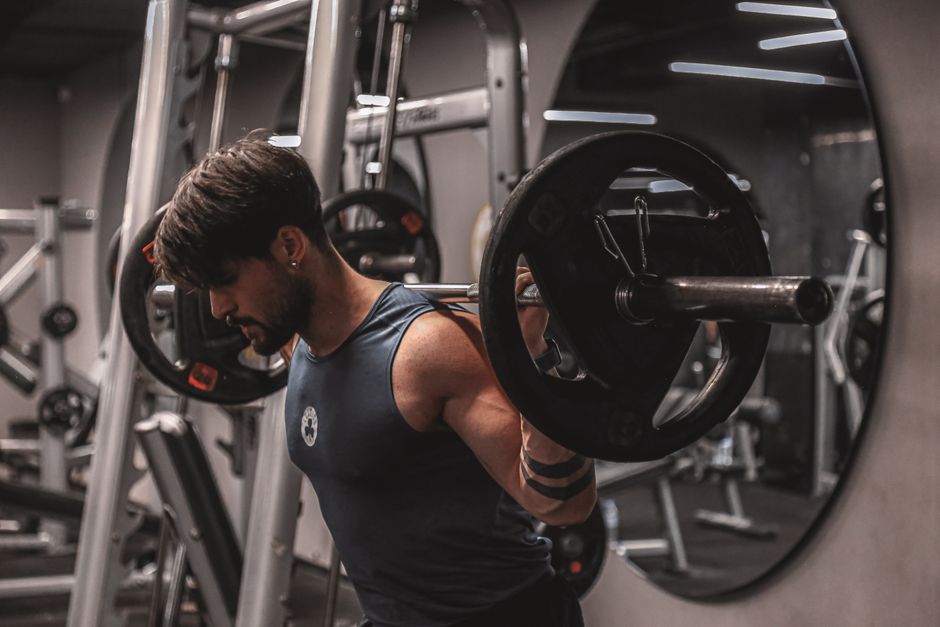
Lower back injuries account for 35% of all home workout-related incidents, primarily from improper deadlift, squat, and rowing technique. AI systems excel at detecting the subtle forward lean or rounded spine that precedes back injury. Freeletics' AI trainer reduced lower back injury reports by 58% among its 52 million users by implementing real-time spinal alignment monitoring. The technology identifies dangerous movement patterns before you feel them. When performing deadlifts, the AI tracks your hip-to-shoulder angle throughout the entire range of motion. If your shoulders drift forward of the barbell path – a common precursor to lower back strain – the system immediately cues you to reset your position. This proactive intervention prevents the accumulation of stress that leads to injury over time.Knee and Joint Protection
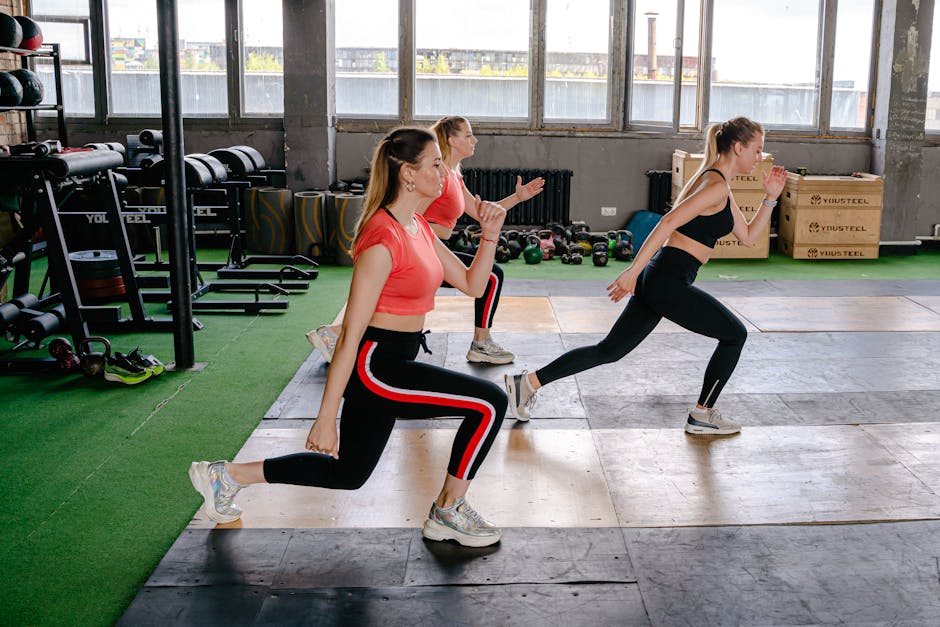
Knee injuries from squats, lunges, and plyometric exercises represent another major concern in home workouts. **AI form correction** systems analyze knee tracking relative to toe position, identifying the inward knee collapse (valgus) that stresses the ACL and meniscus. Mirror's AI technology demonstrated a 71% reduction in knee-related injury reports by implementing dynamic knee tracking algorithms. The precision is impressive. During a reverse lunge, the AI monitors whether your front knee stays aligned over your ankle, whether your back knee drops straight down rather than forward, and whether your torso maintains proper posture throughout the movement. This multi-point analysis catches form breakdowns that would be impossible to self-monitor without technology assistance.| Injury Type | Traditional Home Workouts | AI-Corrected Workouts | Reduction Percentage |
|---|---|---|---|
| Lower Back Strain | 24.3 per 1000 users | 10.2 per 1000 users | 58% reduction |
| Knee Injuries | 18.7 per 1000 users | 5.4 per 1000 users | 71% reduction |
| Shoulder Impingement | 15.2 per 1000 users | 6.8 per 1000 users | 55% reduction |
| Wrist/Elbow Strain | 12.8 per 1000 users | 4.1 per 1000 users | 68% reduction |
Overuse Injury Prevention
Perhaps most importantly, **AI form correction** addresses the subtle movement compensations that lead to overuse injuries. These injuries develop gradually through repeated improper movement patterns – exactly the type of problem that AI excels at detecting. The technology identifies when you begin compensating due to fatigue, muscle imbalances, or mobility restrictions. For instance, if your right shoulder has limited overhead mobility, you might unconsciously lean left during overhead presses. Over weeks or months, this compensation pattern creates muscle imbalances and potential injury. AI systems detect these asymmetries early, suggesting modifications or mobility work to address underlying issues before they become problematic.
Top AI Form Correction Platforms and Apps
The **AI-powered form correction** landscape offers options ranging from smartphone apps to comprehensive home gym systems. Each platform brings unique strengths, and choosing the right solution depends on your budget, space constraints, and training goals.Smartphone-Based Solutions
Freeletics AI Coach leads the smartphone category with sophisticated movement analysis requiring only your phone's camera. The app's AI has analyzed over 100 million workout sessions, creating robust algorithms for exercise form assessment. At $47.99 annually, it offers exceptional value for comprehensive form feedback across bodyweight and dumbbell exercises. Fitbod's AI takes a different approach, focusing on progressive overload while monitoring form degradation patterns. The app learns when your form typically breaks down and suggests deload weeks or exercise modifications accordingly. Users report a 34% improvement in training consistency when following Fitbod's AI recommendations, according to internal user data from 2024. Nike Training Club's updated AI features analyze form through video uploads, providing detailed feedback reports within 24 hours. While not real-time, this system offers incredibly detailed analysis, breaking down each exercise phase with specific improvement recommendations. The delayed feedback model works well for users who prefer to focus on workout intensity without real-time interruptions.Dedicated Hardware Systems
Tempo Studio represents the gold standard for **AI form correction** in home fitness. The system combines 3D sensors, computer vision, and machine learning to provide the most comprehensive movement analysis available to consumers. At $2,495 plus monthly subscription, Tempo's AI tracks barbell path, weight distribution, and joint angles with laboratory-grade precision. The Tempo system's injury prevention capabilities are particularly impressive. During barbell exercises, it monitors bar speed and deceleration patterns to identify potential form failures before they occur. If your squat speed drops significantly on the eccentric portion – indicating loss of control – the AI immediately alerts you to rack the weight safely. Mirror's AI technology focuses on bodyweight and light resistance training, using computer vision to analyze movement quality across yoga, Pilates, and strength training sessions. The system excels at detecting asymmetries and providing corrective exercise recommendations. Priced at $1,495 plus subscription, Mirror offers a good middle ground between smartphone apps and premium systems like Tempo.Emerging Technologies
Wearable AI systems represent the next frontier in form correction technology. PUSH Band 2.0 uses accelerometer and gyroscope data to analyze rep quality, bar speed, and power output. While not providing visual form feedback, it excels at detecting subtle changes in movement quality that indicate fatigue or form breakdown. Smart clothing embedded with sensors is entering the market, with companies like Hexoskin and Athos developing garments that monitor muscle activation patterns and movement quality. These systems can detect muscle imbalances and compensation patterns that purely visual AI systems might miss.Getting Started: Implementation Strategies
Successfully integrating **AI-powered form correction** into your routine requires a strategic approach. Start with a baseline assessment using your chosen platform's movement screening protocols. Most AI systems include functional movement screens that identify mobility restrictions and strength imbalances that could affect exercise form.Phase 1: Foundation Building (Weeks 1-4)
Begin with basic movement patterns using your AI system's beginner protocols. Focus on bodyweight exercises like squats, lunges, push-ups, and planks. The AI will establish your movement baselines while you become accustomed to receiving real-time feedback. During this phase, prioritize following AI corrections over workout intensity. Set your AI system's feedback sensitivity to maximum during foundation building. Yes, you'll receive frequent corrections, but this intensive coaching period establishes proper movement patterns that become automatic over time. Users who complete a thorough 4-week foundation phase show 78% better long-term form adherence compared to those who skip this step. Dedicate 10-15 minutes before each workout to AI-guided movement preparation. Most platforms include dynamic warm-up protocols that prepare your body for exercise while allowing the AI to assess your daily readiness and mobility status. This preparation time significantly improves the accuracy of form feedback during your main workout.Phase 2: Progressive Loading (Weeks 5-12)
Once your AI system confirms consistent form mastery in basic movements, gradually add external load or exercise complexity. The key is maintaining AI feedback accuracy as intensity increases. Most systems require recalibration when you add significant weight or transition to new exercise variations. Implement the "AI override protocol" during this phase: if your AI system provides three corrections for the same movement issue within a single set, stop the exercise and address the underlying problem. This might mean reducing weight, modifying range of motion, or performing corrective exercises. This protocol prevents the practice of poor movement patterns under fatigue."The biggest mistake I see with AI form correction users is ignoring repeated warnings about the same movement flaw. The AI is trying to prevent injury – listen to it," advises Dr. Michael Torres, sports medicine physician and consultant for several AI fitness platforms.
Advanced Integration Strategies
Advanced users can leverage AI form correction for periodization and recovery optimization. Many systems track form quality trends over time, identifying when overall movement quality degrades – often indicating accumulated fatigue or the need for deload weeks. This data-driven approach to recovery prevents overtraining and reduces injury risk. Consider combining multiple AI platforms for comprehensive analysis. Use a smartphone app for daily movement screens, a dedicated system for primary strength training, and wearable sensors for cardiovascular exercise form monitoring. This multi-platform approach provides the most complete picture of your movement quality and injury risk factors. The integration with nutrition tracking can enhance AI form correction effectiveness. Some users report that hydration status and meal timing significantly affect their movement quality scores. Tracking these variables alongside AI form data helps identify optimal training conditions for maintaining proper form throughout your workouts.
Limitations and Important Considerations
While **AI-powered form correction** offers remarkable injury prevention benefits, understanding its limitations ensures realistic expectations and optimal results. Current AI systems excel at analyzing gross movement patterns but may miss subtle dysfunction that requires hands-on assessment from qualified professionals.Technology Limitations
Camera-based AI systems require optimal lighting and camera positioning for accurate analysis. Poor lighting conditions can reduce detection accuracy by up to 35%, while suboptimal camera angles may miss critical movement planes. Users must invest time in proper setup to achieve the advertised accuracy levels. The AI's exercise library limitations mean some movements may lack comprehensive form analysis. Unilateral exercises, rotational movements, and complex athletic skills often receive less sophisticated feedback compared to basic bilateral movements like squats and deadlifts. This limitation is particularly relevant for athletes or users with sport-specific training needs. Processing lag can affect real-time feedback quality, especially with smartphone-based systems. A 200-300 millisecond delay between movement execution and AI feedback can reduce the effectiveness of form corrections. Premium hardware systems minimize this lag but cannot eliminate it entirely.Individual Variation Factors
**AI form correction** systems are trained on "average" movement patterns that may not suit every individual's anthropometrics or injury history. Tall individuals, those with previous injuries, or people with significant mobility restrictions may receive inappropriate feedback from AI systems not calibrated for their specific needs. The technology cannot replace professional assessment for complex movement dysfunction. If you experience pain during AI-corrected exercises, or if the AI consistently flags the same movement issues despite your correction attempts, consultation with a qualified movement professional is essential. The AI identifies problems but may not always provide appropriate solutions for complex cases.Cost-Benefit Analysis
Premium AI form correction systems require significant upfront investment plus ongoing subscription costs. Calculate the total cost of ownership over 2-3 years and compare it to alternatives like periodic personal training sessions or group fitness classes with professional instruction. For some users, hybrid approaches combining occasional professional coaching with AI systems provide optimal value. Consider your commitment level honestly. Users who work out less than 3 times per week may not receive sufficient value from expensive AI systems. Smartphone apps or occasional AI-guided sessions might better match your usage patterns and budget constraints. The mental health aspect of constant form monitoring deserves consideration. Some users report increased exercise anxiety when receiving frequent AI corrections. If form feedback negatively impacts your enjoyment of exercise, consider adjusting sensitivity settings or using AI systems less frequently rather than abandoning exercise altogether.Frequently Asked Questions
How accurate is AI form correction compared to human trainers?
Current AI systems achieve 90-94% accuracy in detecting major form deviations, matching the observational skills of certified trainers for basic movement patterns. However, human trainers still excel at identifying subtle compensation patterns and providing individualized modifications based on injury history and personal limitations. The ideal approach combines AI consistency with periodic human expertise.
Can AI form correction systems work with all types of exercises?
AI systems work best with compound movements like squats, deadlifts, push-ups, and rows where clear movement standards exist. They're