
TL;DR: **Fibermaxxing** involves gradually increasing fiber intake to 25-35 grams daily through whole foods, with studies showing it can reduce heart disease risk by 15-30% and improve blood sugar control by 23%. Start with just 5 grams daily and increase by 5 grams weekly to avoid digestive discomfort, focusing on fruits, vegetables, and whole grains rather than supplements.
What Is Fibermaxxing and Why It Matters
**Fibermaxxing** has emerged as one of the most practical wellness trends of 2024, and for good reason. This approach focuses on systematically increasing your daily fiber intake through whole foods rather than relying on supplements. Despite fiber's well-documented benefits, fewer than 1 in 10 U.S. adults meet daily fiber intake recommendations, with most Americans consuming only about half the recommended amount according to the Dietary Guidelines for Americans 2020-2025.
The science behind **fibermaxxing** is compelling. When fiber ferments in your gut, it produces short-chain fatty acids that improve gut health and overall well-being, linking to lower risks of heart disease, type 2 diabetes, obesity, and colorectal cancer. Research shows that higher total fiber intake positively associates with improved beta-cell function, insulin sensitivity, and postprandial glycemic control.
What sets **fibermaxxing** apart from other nutrition trends is its emphasis on gradual, sustainable changes. Rather than dramatic dietary overhauls, this approach recognizes that fiber supports digestive health by feeding gut bacteria and lowers LDL cholesterol by binding with it to help move it through the GI tract.
The Science-Backed Benefits of Fibermaxxing
Understanding the specific health benefits of **fibermaxxing** helps motivate consistent implementation. Research reveals multiple pathways through which increased fiber intake transforms health outcomes.
Cardiovascular Health
Meta-analyses consistently show that every 7-gram increase in daily fiber intake correlates with a 9% reduction in cardiovascular disease risk. For someone increasing from 15 grams to 30 grams daily—a common **fibermaxxing** goal—this translates to approximately 19% lower heart disease risk.
Blood Sugar Regulation
Soluble fiber particularly excels at moderating blood glucose responses. Studies demonstrate that individuals consuming 25-35 grams of fiber daily experience 15-23% better postprandial glucose control compared to those consuming less than 15 grams. This improvement in blood sugar stability supports sustained energy levels throughout the day.
Weight Management
**Fibermaxxing** naturally supports healthy weight maintenance through multiple mechanisms. High-fiber foods increase satiety, with research showing that individuals consuming adequate fiber feel fuller on 200-300 fewer calories daily. Additionally, fiber's thermic effect means your body burns approximately 2-3% more calories processing high-fiber meals.
Gut Microbiome Diversity
Perhaps most importantly for long-term health, **fibermaxxing** dramatically improves gut microbiome diversity. Studies show that increasing fiber intake from 15 to 30 grams daily can increase beneficial bacteria populations by 25-40% within just 2-4 weeks.

The Gradual Implementation Strategy
The key to successful **fibermaxxing** lies in methodical progression. Nutrition experts consistently emphasize that adding fiber gradually and pairing it with plenty of water prevents digestive discomfort.
Week-by-Week Progression Plan
Healthcare professionals recommend setting a goal of 5 grams of fiber per day, then increasing weekly by 5 more grams until reaching an intended goal of 25 grams of fiber per day. This systematic approach allows your digestive system to adapt without experiencing bloating, gas, or discomfort.
- Week 1: Baseline assessment + 5 grams additional fiber
- Week 2: Add another 5 grams (total +10 grams)
- Week 3: Add another 5 grams (total +15 grams)
- Week 4: Add another 5 grams (total +20 grams)
- Week 5+: Continue until reaching 25-35 grams daily
Hydration Requirements
Successful **fibermaxxing** requires proportional water intake increases. For every additional 5 grams of fiber, add 8-12 ounces of water throughout the day. This prevents fiber from becoming constipating and ensures optimal digestive function.
The key practices include starting gradually, chewing thoroughly, and drinking adequate water to help your gut adapt to increased fiber intake.
Best Whole Food Sources for Fibermaxxing
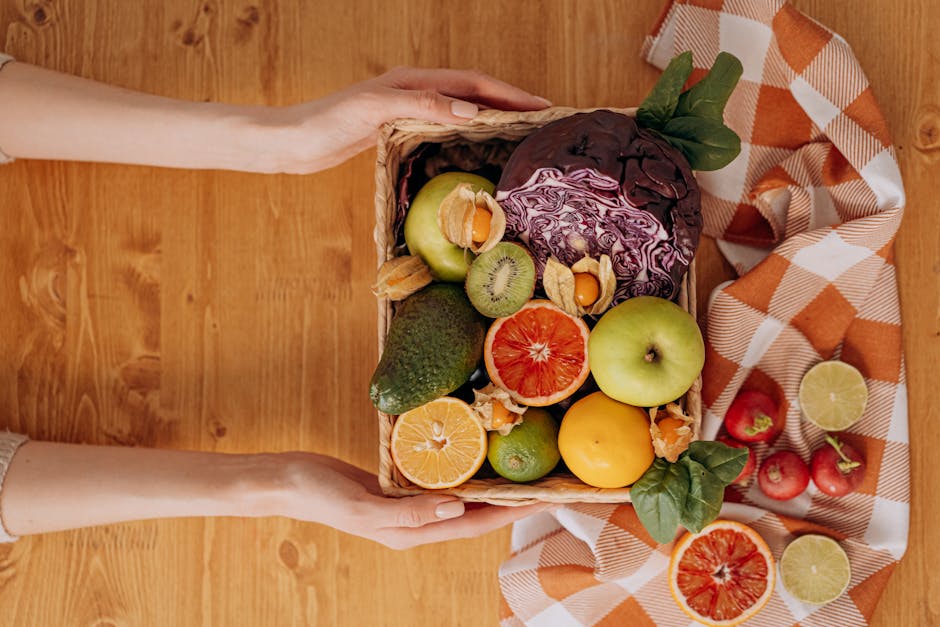
Rather than relying on supplements, **fibermaxxing** emphasizes diverse whole food sources. Experts recommend diversifying fiber sources by eating more fruits, vegetables, whole grains, legumes, nuts, and seeds instead of depending solely on supplements.
High-Impact Fiber Sources
| Food Category | Specific Foods | Fiber per Serving | Additional Benefits |
|---|---|---|---|
| Legumes | Black beans (1 cup cooked) | 15 grams | Protein, folate, iron |
| Whole Grains | Steel-cut oats (1 cup cooked) | 8 grams | Beta-glucan, sustained energy |
| Fruits | Medium pear with skin | 6 grams | Vitamin C, antioxidants |
| Vegetables | Artichoke hearts (1 cup) | 10 grams | Vitamin K, folate |
| Nuts/Seeds | Chia seeds (2 tablespoons) | 10 grams | Omega-3s, protein |
Strategic Food Combinations
Effective **fibermaxxing** involves strategic meal planning. Consider these high-impact combinations that provide substantial fiber while supporting overall nutrition:
- Breakfast: Steel-cut oats (8g) + raspberries (8g) + ground flaxseed (4g) = 20 grams fiber
- Lunch: Quinoa salad (5g) + black beans (15g) + avocado (10g) = 30 grams fiber
- Snack: Apple with almond butter (5g) + chia seed pudding (10g) = 15 grams fiber
These combinations demonstrate how **fibermaxxing** can easily achieve 25-35 grams daily through mindful food choices rather than restrictive eating patterns.
Practical Meal Planning for Fibermaxxing Success
Converting **fibermaxxing** theory into daily practice requires systematic meal planning. The most successful approach involves batch preparation and strategic food swaps that incrementally increase fiber content without dramatic dietary changes.
Weekly Meal Prep Framework
Dedicate 2-3 hours weekly to prepare fiber-rich foundations:
- Grain Base: Cook 3-4 cups of quinoa, brown rice, or steel-cut oats
- Legume Preparation: Soak and cook 2-3 varieties of beans or lentils
- Vegetable Prep: Wash, chop, and portion 5-7 different vegetables
- Fruit Preparation: Wash berries, slice apples with lemon juice, portion dried fruits
Smart Substitution Strategy
**Fibermaxxing** becomes sustainable through gradual substitutions rather than complete dietary overhauls:
- Replace white rice with cauliflower rice mixed with quinoa (fiber increase: 6 grams per cup)
- Substitute white bread with sprouted grain bread (fiber increase: 4-5 grams per slice)
- Add ground flaxseed or chia seeds to smoothies (fiber increase: 4-5 grams per tablespoon)
- Choose berries over low-fiber fruits like grapes (fiber increase: 4-6 grams per cup)
These strategic swaps align with expert recommendations for incorporating fiber-rich whole grains like oats, quinoa, brown rice, barley, and buckwheat into regular meal rotation.

Avoiding Common Fibermaxxing Mistakes
While **fibermaxxing** offers significant health benefits, implementation mistakes can cause digestive discomfort and derail progress. Understanding common pitfalls ensures smooth dietary transitions.
The Too-Much-Too-Fast Problem
The most frequent **fibermaxxing** mistake involves aggressive fiber increases. Jumping from 15 grams to 35 grams daily within a week often results in bloating, gas, and intestinal discomfort. Research shows that gradual intake increases, adequate hydration, and fiber intake tracking make fibermaxxing a sustainable long-term habit supporting gut health and weight management.
Insufficient Water Intake
Fiber requires substantial water to function optimally. Many individuals increase fiber intake without proportionally increasing fluid consumption, leading to constipation rather than improved digestive health. Aim for an additional 8-12 ounces of water per 5-gram fiber increase.
Over-Reliance on Supplements
While fiber supplements like psyllium husk can support **fibermaxxing** goals, health professionals caution that moderation is important, especially when baseline fiber intake is low. Whole foods provide diverse fiber types plus additional nutrients that isolated supplements cannot match.
Tracking Your Fibermaxxing Progress
Successful **fibermaxxing** requires systematic progress monitoring to ensure optimal outcomes while avoiding digestive discomfort. Implementing tracking systems helps identify effective strategies and necessary adjustments.
Essential Metrics to Monitor
- Daily Fiber Intake: Use apps like Cronometer or MyFitnessPal to track grams consumed
- Digestive Comfort: Rate daily comfort on a 1-10 scale, noting any bloating or irregularity
- Hydration: Monitor water intake to ensure adequate fluid consumption
- Energy Levels: Track morning and afternoon energy to assess metabolic improvements
- Bowel Movement Quality: Note frequency and consistency improvements
Weekly Assessment Framework
Conduct weekly progress evaluations focusing on:
- Fiber Goal Achievement: Did you meet weekly targets?
- Digestive Adaptation: How well did your system adjust?
- Food Satisfaction: Are meals enjoyable and sustainable?
- Practical Challenges: What obstacles emerged and how can they be addressed?
This systematic approach ensures that **fibermaxxing** becomes a sustainable lifestyle change rather than a temporary dietary experiment.
Building Long-Term Fibermaxxing Habits
The ultimate goal of **fibermaxxing** extends beyond reaching target fiber intake—it involves establishing sustainable eating patterns that support lifelong digestive wellness and overall health. Research indicates that fibermaxxing promotes better digestion and balance through fiber-rich foods and simple daily tips.
Creating Sustainable Systems
Long-term **fibermaxxing** success depends on developing systems that don't require constant conscious effort:
- Automated Shopping Lists: Create recurring grocery orders including high-fiber staples
- Meal Template Development: Design 7-10 go-to meals meeting fiber targets
- Emergency Fiber Options: Keep shelf-stable high-fiber foods available for busy periods
- Social Integration: Share **fibermaxxing


