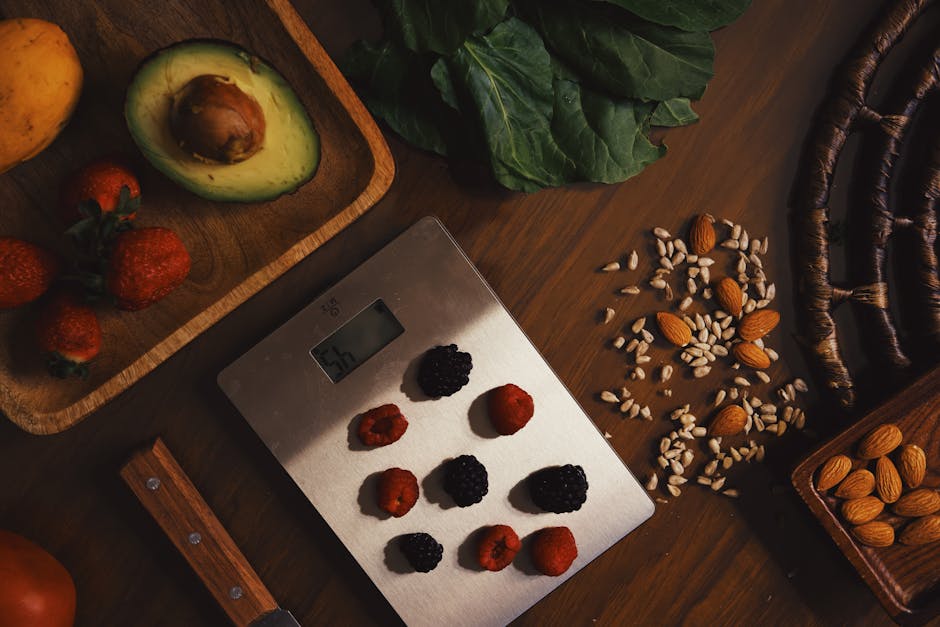
TL;DR: **Fibermaxxing** involves gradually increasing your daily fiber intake to 25-35 grams to optimize gut health, with studies showing a 2:1 ratio of insoluble to soluble fiber provides maximum benefits. Start slowly by adding just 5 grams per week while drinking at least 8-10 glasses of water daily to avoid digestive discomfort and achieve lasting results within 4-6 weeks.
What Is Fibermaxxing? The Science Behind the Trend
In the ever-evolving landscape of health and wellness trends, **fibermaxxing** has emerged as one of the most scientifically-backed approaches to improving digestive health. Unlike fleeting diet fads, this strategy focuses on systematically maximizing your dietary fiber intake to achieve optimal gut function and overall wellbeing.
According to Brown University Health, fiber is a type of carbohydrate found in plant-based foods that passes through the digestive system largely undigested. However, this "indigestible" nature is precisely what makes it so valuable for our health.
The trend has gained momentum on social media, but its foundation rests on decades of research. A 2024 systematic review found that **dietary fiber interventions alter gut microbiota composition** in ways that may favorably modulate gut-brain modules involved in mental health regulation. This connection between fiber intake and mental wellness represents just one facet of fiber's comprehensive health benefits.
Current dietary guidelines from the U.S. Department of Health and Human Services recommend that **adults should consume between 22 and 34 grams of fiber each day, depending on age and sex**. However, most Americans fall significantly short of these targets, consuming only about half the recommended amount daily.
Understanding Fiber Types and Optimal Ratios
Not all fiber is created equal, and understanding the distinction between different types is crucial for effective **fibermaxxing**. The two primary categories—soluble and insoluble fiber—each serve unique functions in your digestive system.
| Fiber Type | Daily Target (30g total) | Primary Functions | Best Food Sources |
|---|---|---|---|
| Insoluble Fiber | 20 grams (67%) | Promotes regularity, prevents constipation | Whole grains, nuts, beans, cauliflower |
| Soluble Fiber | 10 grams (33%) | Lowers cholesterol, stabilizes blood sugar | Oats, apples, beans, Brussels sprouts |
Research from Tufts University indicates that to achieve optimal benefits, you should **aim for a two-to-one ratio of insoluble to soluble fiber**. For example, if you're targeting 30 grams of dietary fiber daily, aim for 20 grams of insoluble fiber and 10 grams of soluble fiber.
This ratio matters because each type contributes differently to gut health. Insoluble fiber acts like a natural broom, sweeping waste through your digestive tract and promoting regular bowel movements. Soluble fiber, meanwhile, forms a gel-like substance that slows digestion, helping regulate blood sugar levels and reducing cholesterol absorption.


The Scientifically-Proven Benefits of Fibermaxxing
The health benefits of **fibermaxxing** extend far beyond improved digestion. Recent research has uncovered connections between adequate fiber intake and nearly every aspect of human health, from cardiovascular function to mental wellness.
Digestive and Gut Health Benefits
When fiber ferments in your gut, it produces short-chain fatty acids (SCFAs) that serve as fuel for beneficial bacteria. A comprehensive analysis published in PMC showed that high-fiber diets lead to the enrichment of specific fiber-digested strains, most of which are beneficial SCFA producers that may inhibit the residence or growth of detrimental species.
This fermentation process creates a thriving environment that benefits not just digestion, but overall health and hormone balance. Studies consistently show that individuals following high-fiber diets experience reduced rates of colorectal cancer, improved bowel regularity, and enhanced gut barrier function.
Metabolic and Cardiovascular Benefits
The metabolic advantages of **fibermaxxing** are particularly compelling. Soluble fiber helps stabilize blood glucose levels by slowing the absorption of sugars, making it especially beneficial for individuals managing diabetes or prediabetes. Additionally, the same gel-like properties that moderate blood sugar also bind to cholesterol particles, helping remove them from the body before they can contribute to arterial plaque formation.
Research indicates that each 10-gram increase in daily fiber intake correlates with a 10% reduction in risk of coronary heart disease and a 6% reduction in stroke risk. For individuals following a comprehensive nutrition plan, these statistics represent substantial protective benefits.
Mental Health and Cognitive Function
Perhaps most surprising is fiber's impact on mental health. The gut-brain axis—the bidirectional communication network between your digestive system and brain—relies heavily on the metabolic byproducts of fiber fermentation. SCFAs produced by beneficial gut bacteria can cross the blood-brain barrier and influence neurotransmitter production, potentially improving mood and cognitive function.
How to Safely Implement Fibermaxxing: A Step-by-Step Approach
While the benefits of **fibermaxxing** are clear, implementation requires careful planning. The Mayo Clinic emphasizes that "adding too much fiber too quickly can lead to gas, bloating and cramping," making gradual increases essential for success.
Week-by-Week Implementation Plan
Week 1-2: Foundation Building
Start by adding just 5 grams of fiber daily to your current intake. Focus on easily digestible sources like oats, bananas, and cooked vegetables. Track your baseline intake for three days to establish your starting point—most people consume 10-15 grams daily without conscious effort.
Week 3-4: Gradual Expansion
Increase by another 5 grams, bringing your daily addition to 10 grams above baseline. Introduce beans and lentils in small portions (1/4 cup servings initially). Health experts recommend starting the day with a fiber boost by adding chia seeds or ground flaxseed to morning smoothies, oats, or yogurt.
Week 5-6: Target Achievement
Add the final 5-10 grams to reach your target range of 25-35 grams daily. At this stage, you can incorporate higher-fiber foods like artichokes (10 grams per medium artichoke), raspberries (8 grams per cup), and split peas (16 grams per cup).
Critical Success Factors
**Hydration is non-negotiable** during fibermaxxing. As noted by Henry Ford Health, "Fiber absorbs water in your digestive tract as it moves through. If you don't have enough water in your system, the fiber can form a bulky stool that is difficult to pass." Aim for at least 8-10 glasses of water daily, increasing intake proportionally with fiber increases.
Experts from ALOHA recommend three key strategies: **start gradually, chew thoroughly, and drink water**. These small adjustments help your gut adapt to increased fiber loads without triggering uncomfortable side effects.

Optimal Food Sources for Maximum Benefit
The most effective **fibermaxxing** approach emphasizes whole food sources over supplements. Nutrition experts recommend feeding your gut a steady supply of different fibers from beans and lentils to flax, oats, fruits, and vegetables to create a thriving environment that benefits overall health.
High-Impact Fiber Sources
Legumes and Pulses (15-16g per cup cooked):
Split peas, lentils, and black beans represent the most fiber-dense options available. A single cup of cooked split peas provides 16 grams of fiber—more than half the daily requirement for many adults. These foods also offer complete proteins, making them excellent choices for those following plant-based recipes.
Fruits (4-8g per serving):
Raspberries lead the fruit category with 8 grams per cup, followed by pears with skin (7 grams per medium fruit) and apples with skin (5 grams per medium fruit). The key is consuming fruits with their natural fiber-rich skins whenever possible.
Vegetables (3-10g per serving):
Artichokes top the vegetable list at 10 grams per medium artichoke, while Brussels sprouts provide 4 grams per cup. Cruciferous vegetables like broccoli and cauliflower offer additional benefits through sulfur compounds that support detoxification pathways.
Whole Grains (3-10g per serving):
Steel-cut oats provide 8 grams per cup cooked, while quinoa offers 5 grams plus complete protein. Choose minimally processed grains to maximize fiber content and minimize added sugars.
Enhancing Results with Synergistic Strategies
**Fibermaxxing** becomes even more effective when combined with complementary approaches that support digestive health and overall wellness.
Probiotic Pairing
Research consistently shows that pairing fiber with probiotics creates synergistic benefits. Healthy Owl Wellness recommends eating fiber alongside probiotic-rich foods like yogurt, kefir, or kimchi to improve gut health synergy. The fiber serves as "prebiotic" fuel for beneficial bacteria, while probiotics populate your gut with helpful microorganisms.
Consider incorporating fermented foods daily: a cup of kefir with breakfast, sauerkraut with lunch, or kimchi with dinner. This combination approach typically shows results within 2-3 weeks, compared to 4-6 weeks for fiber alone.
Timing and Distribution
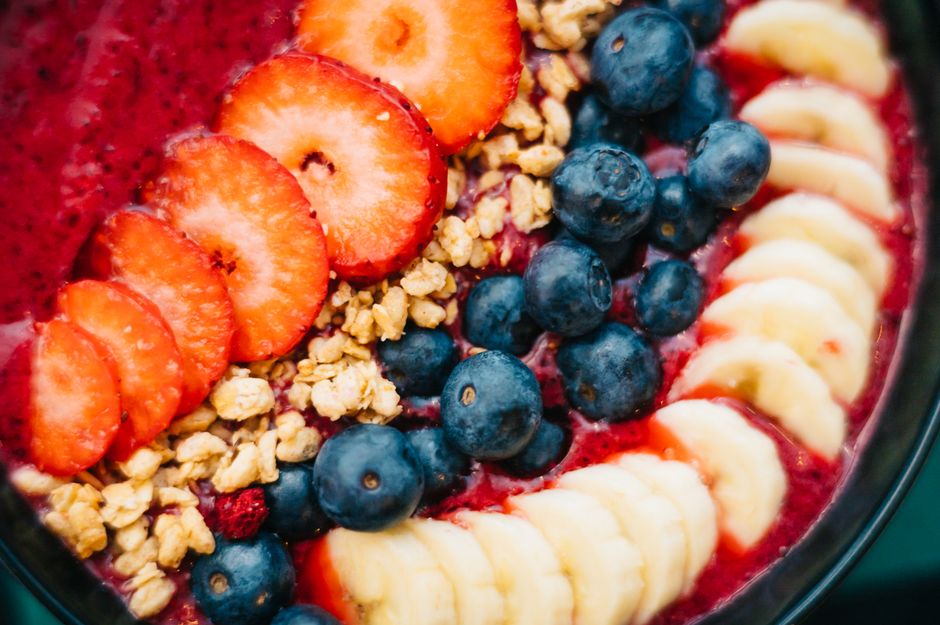
Rather than consuming all your fiber in one meal, distribute intake throughout the day for optimal absorption and minimal digestive stress. Start with 8-10 grams at breakfast (oatmeal with berries), add 10-12 grams at lunch (large salad with beans), and finish with 8-10 grams at dinner (vegetables and whole grains).
This distribution pattern aligns with your body's natural digestive rhythms and prevents the bloating that often occurs when large amounts of fiber are consumed simultaneously.
Monitoring Progress and Troubleshooting
Successful **fibermaxxing** requires attention to both positive outcomes and potential side effects. Most individuals notice improvements in regularity within 1-2 weeks, with optimal benefits typically achieved within 4-6 weeks of consistent implementation.
Positive Indicators
Track these markers of successful fibermaxxing: regular, well-formed bowel movements (1-3 times daily), reduced bloating after meals, stable energy levels throughout the day, and improved satiety after meals. Many individuals also report better sleep quality and enhanced mood stability within 3-4 weeks.
Managing Side Effects
If you experience excessive gas, bloating, or cramping, reduce your fiber intake by 25% for one week before gradually increasing again. The Ohio State Health & Discovery team notes that "increases are best made gradually over several weeks" to allow your gut microbiome time to adapt.
Consider digestive enzymes or simethicone if gas becomes problematic, but these should be temporary solutions while your system adjusts. Most side effects resolve within 2-3 weeks as beneficial bacteria populations stabilize.
Frequently Asked Questions
How quickly should I increase my fiber intake when fibermaxxing?
Add 5 grams per week maximum. Research from Mayo Clinic and other institutions consistently shows that gradual increases over 4-6 weeks prevent digestive discomfort while allowing your gut bacteria to adapt properly.
What's the ideal daily fiber target for fibermaxxing?
Aim for 25-35 grams daily depending on your age and sex, with a 2:1 ratio of insoluble to soluble fiber. Women typically target 25 grams while men should aim for 30-35 grams daily according to USDA guidelines.
Should I take fiber supplements or focus on whole foods?
Prioritize whole food sources for maximum benefit. Whole foods provide diverse fiber types plus additional nutrients, antioxidants, and compounds that supplements can't replicate. Use supplements only to fill gaps, not as primary sources.
How much water should I drink when fibermaxxing?
Drink at least 8-10 glasses daily, increasing proportionally with fiber intake. Henry Ford Health emphasizes that inadequate hydration can cause fiber to form difficult-to-pass stools, negating the benefits.
Can fibermaxxing help with weight management?
Yes, fiber increases satiety and reduces calorie absorption. Studies show that each gram of fiber consumed reduces net calorie absorption by approximately 7 calories, while improving appetite regulation through enhanced satiety signals.
**Fibermaxxing** represents a evidence-based approach to optimizing digestive health and overall wellness. By gradually increasing your intake to 25-35 grams daily through diverse whole food sources, maintaining adequate hydration, and combining with probiotic-rich foods, you can achieve significant improvements in gut health, cardiovascular function, and even mental health within 4-6 weeks.
Remember that consistency trumps perfection in this journey. Focus on sustainable changes that fit your lifestyle, and don't hesitate to adjust the timeline if your body needs more time to adapt. The investment in your digestive health will pay dividends across every aspect of your wellbeing, from enhanced fitness performance to improved cognitive function and emotional balance.


