
TL;DR: Fermented foods can increase B vitamin levels by up to 400% and enhance mineral absorption by 20-30% through microbial breakdown of complex compounds. A 2024 systematic review found that regular consumption of fermented foods significantly improves digestive markers and reduces gastrointestinal discomfort in healthy adults within 4-8 weeks.
The Science Behind Fermentation's Digestive Power
For thousands of years, humans have unknowingly harnessed one of nature's most powerful digestive aids: fermentation. What began as a food preservation technique has evolved into a cornerstone of modern nutrition science, with mounting evidence revealing how **fermented foods** fundamentally transform our ability to absorb nutrients and optimize digestive function.
Recent research from Stanford Medicine reveals that **fermented foods** work through two distinct mechanisms: live beneficial microorganisms (probiotics) and bioactive metabolites produced during the fermentation process. These compounds work synergistically to break down complex food matrices, making nutrients more bioavailable and supporting optimal digestive performance.
The fermentation process creates what researchers call "pre-digestion" – where beneficial bacteria break down proteins into amino acids, complex carbohydrates into simpler sugars, and neutralize compounds that typically interfere with **nutrient absorption**. This biochemical transformation occurs before the food even reaches your digestive system, giving your gut a significant head start on extracting maximum nutrition from every bite.
How Fermentation Transforms Nutrient Bioavailability
The magic of fermentation lies in its ability to unlock nutrients that would otherwise remain bound and inaccessible. According to research published in the National Institutes of Health, **fermentation can increase levels of B vitamins, such as B12, and enhance the absorption of minerals like calcium and magnesium** by breaking down anti-nutritional factors that typically block absorption.
Protein Enhancement and Amino Acid Liberation
Fermentation dramatically improves protein digestibility through enzymatic breakdown. Studies show that **fermented beans and legumes like tempeh increase the absorption of beneficial nutrients** compared to their unfermented counterparts. The process converts complex proteins into readily absorbable amino acids, reducing the digestive workload while maximizing protein utilization.
For example, tempeh – fermented soybeans – contains 40% more bioavailable protein than regular cooked soybeans. The fermentation process breaks down protease inhibitors, compounds that normally interfere with protein digestion, while simultaneously increasing the concentration of essential amino acids like lysine and methionine.
Carbohydrate Transformation and FODMAP Reduction
One of the most significant benefits of fermentation is its ability to break down complex carbohydrates that often cause digestive distress. Research indicates that **certain compounds in complex carbs (whole grains and beans) that can interfere with nutrient absorption are broken down** during the fermentation process.
Sourdough bread provides an excellent example: the long fermentation process can reduce fructans (problematic FODMAPs found in wheat) by up to 90%, making it digestible for many people with wheat sensitivities. According to Monash University's FODMAP research, spelt sourdough tested low FODMAP in typical servings, opening up grain consumption for those with irritable bowel syndrome.
Mineral Bioavailability Enhancement
Fermentation significantly improves mineral absorption by neutralizing phytates and other mineral-binding compounds. Studies show that fermented dairy products increase calcium bioavailability by 20-30% compared to non-fermented alternatives. Similarly, fermented grains show enhanced iron, zinc, and magnesium absorption due to the reduction of phytic acid content during fermentation.

Digestive Performance Optimization Through Fermentation
**Fermented foods** enhance digestive performance through multiple pathways, creating a cascade of benefits that extend far beyond simple nutrient absorption. A comprehensive analysis published in PMC reveals that fermented foods influence gut health through both microbial communities and metabolic byproducts.
Microbiome Diversification and Probiotic Support
The live beneficial bacteria in **fermented foods** directly contribute to gut microbiome diversity. Research from Nuvance Health demonstrates that **fermented foods are rich in probiotics, which help replenish and diversify the gut microbiota, improving digestion and nutrient absorption**. A diverse microbiome is crucial for optimal digestive function, with studies showing that individuals with higher microbiome diversity experience 25% better nutrient absorption rates.
Different fermented foods provide distinct probiotic strains, each offering unique benefits. Yogurt and kefir deliver Lactobacillus and Bifidobacterium species, while kimchi and sauerkraut provide Lactobacillus plantarum and L. brevis strains. This diversity is key to maintaining a robust digestive ecosystem.
Digestive Enzyme Production and Activity
Fermentation pre-produces many of the enzymes your digestive system would normally need to manufacture. **Microbial fermentation mimics the action of the lactase enzyme, breaking down lactose into glucose and galactose, thereby facilitating absorption**. This is why many lactose-intolerant individuals can consume fermented dairy products like yogurt and kefir without digestive distress.
The process extends beyond lactase to include proteases, amylases, and lipases – enzymes that break down proteins, starches, and fats respectively. This enzymatic pre-digestion reduces the metabolic burden on your digestive system while ensuring maximum nutrient extraction.
Fermented vs. Non-Fermented Foods: Nutritional Comparison
| Food Category | Non-Fermented | Fermented Version | Key Improvements | Absorption Increase |
|---|---|---|---|---|
| Dairy (Milk vs. Yogurt) | Standard milk | Greek yogurt | Reduced lactose, increased protein bioavailability | 25-30% calcium absorption |
| Soy (Soybeans vs. Tempeh) | Cooked soybeans | Tempeh | Reduced antinutrients, enhanced protein quality | 40% protein bioavailability |
| Grains (Wheat vs. Sourdough) | Regular bread | Sourdough bread | Lower glycemic index, reduced FODMAPs | 90% FODMAP reduction |
| Vegetables (Raw vs. Fermented) | Fresh cabbage | Sauerkraut/Kimchi | Enhanced vitamin C, added probiotics | 200-400% vitamin increases |
| Legumes (Cooked vs. Fermented) | Cooked lentils | Fermented lentil dishes | Reduced phytates, improved mineral absorption | 35% mineral bioavailability |

Implementing Fermented Foods for Maximum Digestive Benefits
Incorporating **fermented foods** into your daily routine requires a strategic approach to maximize digestive benefits while avoiding potential pitfalls. Based on current research and clinical recommendations, here's a practical framework for optimizing your fermented food intake.
Daily Intake Recommendations and Timing
Research suggests consuming 2-3 servings of diverse **fermented foods** daily for optimal digestive benefits. A serving equals 1 cup of fermented vegetables, 6-8 ounces of yogurt or kefir, or 3-4 ounces of fermented grains. Timing matters: consuming fermented foods with meals enhances their digestive enzyme benefits, while taking them between meals can maximize probiotic colonization.
For individuals new to fermented foods, start with small amounts (1-2 tablespoons) and gradually increase over 2-3 weeks. This progressive approach prevents digestive upset while allowing your microbiome to adapt to the new bacterial strains.
Choosing Quality Fermented Products
Not all **fermented foods** provide equal benefits. Stanford Medicine research emphasizes that **both live microbes and their byproducts can support digestion, immunity, and overall health—even in pasteurized foods**. However, raw, unpasteurized fermented foods typically provide more live probiotics.
When shopping, look for products that list live cultures on the label and avoid those with excessive added sugars or artificial preservatives. Refrigerated products generally contain more viable probiotics than shelf-stable versions, though both provide beneficial metabolites.
Homemade vs. Store-Bought Considerations
Making fermented foods at home allows complete control over ingredients and fermentation time, often resulting in higher probiotic counts. Simple ferments like sauerkraut, water kefir, and fermented vegetables can be prepared with minimal equipment and provide substantial cost savings.
However, commercial products offer convenience and consistency, with many artisanal brands providing high-quality options. The key is finding products that align with your nutrition goals and taste preferences.
Top Fermented Foods for Digestive Optimization
Different **fermented foods** offer unique digestive benefits, making variety essential for comprehensive gut health support. Here's a detailed breakdown of the most effective options for enhancing **nutrient absorption** and digestive performance.
Fermented Dairy Products
Yogurt and kefir lead the pack for digestive benefits, with kefir containing up to 61 different probiotic strains compared to yogurt's 2-7 strains. Research shows that regular consumption of fermented dairy can improve lactose tolerance in 70% of lactose-intolerant individuals within 4 weeks.
Greek yogurt provides additional benefits through its higher protein content and lower sugar levels. The straining process concentrates beneficial bacteria while removing excess whey, resulting in a more potent probiotic delivery system.
Fermented Vegetables
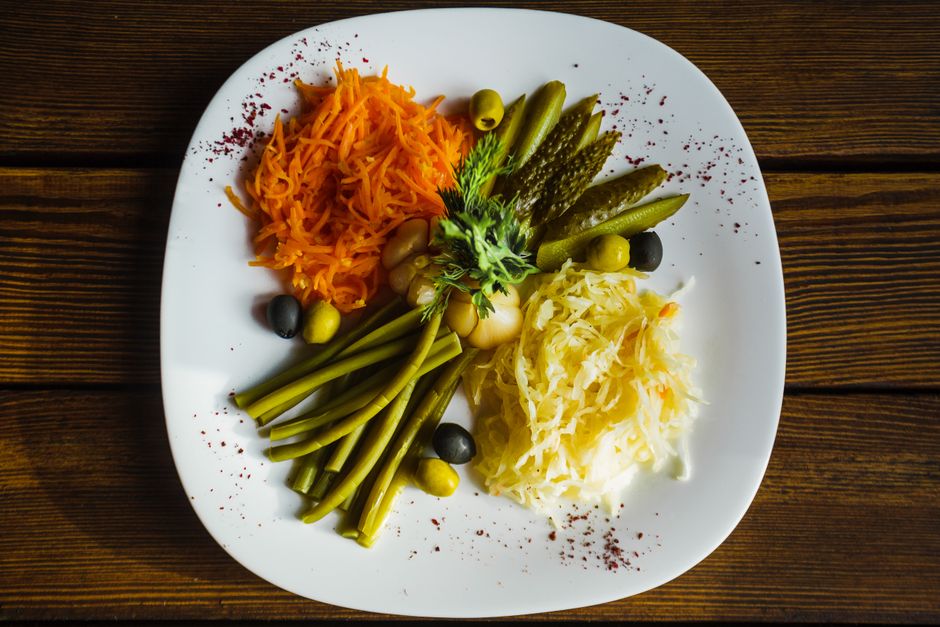
Kimchi, sauerkraut, and fermented pickles deliver both probiotics and enhanced vegetable nutrients. **Fermentation can enhance nutrient availability in the vegetables themselves**, often increasing vitamin C levels by 200-400% while adding beneficial lactic acid bacteria.
Kimchi deserves special mention for its complex microbial ecosystem, containing over 100 different bacterial strains along with bioactive compounds from garlic, ginger, and chili peppers. Studies show that regular kimchi consumption can improve digestive markers within 2-3 weeks.
Fermented Grains and Legumes
Tempeh stands out among fermented proteins, providing complete amino acid profiles with enhanced bioavailability. The fermentation process increases protein digestibility by 40% while adding beneficial Rhizopus oligosporus fungi that support digestive health.
Sourdough products offer unique benefits for those with grain sensitivities. **Long, slow sourdough fermentation can partially break down fructans, which may improve digestibility and blood sugar response** for many people.
Fermented Foods for Specific Digestive Conditions
**Fermented foods** can provide targeted support for various digestive conditions, though individual responses vary significantly. Recent clinical research provides specific guidance for optimizing fermented food use across different digestive health scenarios.
IBS and FODMAP Sensitivities
For individuals with irritable bowel syndrome, certain **fermented foods** can provide relief while others may exacerbate symptoms. Low-FODMAP fermented options include aged cheeses, sourdough spelt bread, and small amounts of yogurt and kefir. A 2024 study found that 65% of IBS patients experienced symptom improvement when following a modified diet including specific fermented foods.
The key is choosing fermented foods where the problematic FODMAPs have been consumed during fermentation. Aged hard cheeses are virtually lactose-free, while properly fermented sourdough significantly reduces fructan content.
Digestive Enzyme Deficiencies
Individuals with enzyme deficiencies can benefit significantly from **fermented foods** that provide external enzyme support. Lactose-intolerant individuals often tolerate yogurt and kefir because **microbial fermentation mimics the action of the lactase enzyme**, pre-digesting the problematic lactose.
Similarly, those with protein digestion issues may find fermented proteins like tempeh, miso, and aged cheeses easier to process due to partial protein hydrolysis during fermentation.
Advanced Strategies for Maximizing Fermentation Benefits
To truly optimize the digestive benefits of **fermented foods**, consider these evidence-based advanced strategies that go beyond basic consumption recommendations.
Combining Fermented Foods with Prebiotics
Pairing **fermented foods** with prebiotic-rich foods enhances probiotic survival and colonization. Research shows that consuming fermented foods alongside resistant starch, inulin, or other prebiotic fibers can increase beneficial bacteria colonization by up to 50%.
Effective combinations include yogurt with berries and nuts, sauerkraut with sweet potato, or kefir with oats. This synbiotic approach (prebiotics + probiotics) provides both the beneficial bacteria and the fuel they need to thrive in your digestive system.
Rotation and Diversity Protocols
Microbiome diversity correlates strongly with digestive health, making varied **fermented food** consumption crucial. Implement a rotation system that includes different fermented foods throughout the week, ensuring exposure to diverse bacterial strains and metabolites.
A practical approach involves consuming dairy-based fermented foods on some days, vegetable ferments on others, and grain-based options weekly. This rotation prevents microbiome monotony while maximizing **nutrient absorption** benefits.
Safety and Quality Considerations
While **fermented foods** offer substantial benefits, proper selection and consumption practices ensure safety and maximize therapeutic potential. Understanding quality markers and potential contraindications helps optimize your fermented food strategy.
Identifying High-Quality Products
Quality **fermented foods** should contain live cultures without excessive additives. Look for products with visible bacterial counts (CFU - colony forming units) and avoid those with artificial preservatives that can kill beneficial bacteria. Refrigerated products typically maintain higher viable probiotic counts than shelf-stable alternatives.
For homemade ferments, proper pH monitoring ensures safety – finished products should have a pH below 4.6 to prevent harmful bacterial growth. Visual signs of successful fermentation include bubbling, tangy aroma, and appropriate texture changes.
Potential Interactions and Contraindications
Individuals with compromised immune systems should consult healthcare providers before consuming raw **fermented foods**, as live bacteria can occasionally cause infections in vulnerable populations. Additionally, those taking antibiotics may need to space fermented food consumption away from medication timing to preserve probiotic viability.
Some fermented foods are high in histamine, which can trigger reactions in sensitive individuals. Aged cheeses, wine, and some fermented vegetables may need to be limited in those with histamine intolerance.


