
TL;DR: Fat-soluble vitamins (A, D, E, K) require dietary fat for optimal absorption and can be stored in body tissues for weeks to months, while water-soluble vitamins (B-complex and C) are absorbed directly into the bloodstream but must be replenished daily since 50-90% are excreted within 1-4 days. Taking fat-soluble vitamins with just 3-5 grams of healthy fats can increase absorption by up to 500%.
Understanding Vitamin Solubility: The Foundation of Optimal Absorption
Your body requires exactly 13 essential vitamins to function optimally, and understanding how each one behaves in your system can dramatically impact your health outcomes. According to research published in the NCBI, these vitamins fall into two distinct categories based on their solubility: fat-soluble vitamins (A, D, E, and K) and water-soluble vitamins (the eight B vitamins plus vitamin C).
The difference isn't just academic—it directly affects how you should time your supplements, what you should eat them with, and how often you need to replenish them. Cleveland Clinic research shows that unlike water-soluble vitamins, which are quickly passed through your body and excreted in urine, your body stores fat-soluble vitamins in liver and fatty tissues for extended periods.
This storage capability means that while you have more flexibility with fat-soluble vitamin timing, you also face a higher risk of toxicity if you overconsume them. Conversely, water-soluble vitamins offer a built-in safety mechanism through rapid excretion, but require more consistent daily intake to maintain optimal levels.
Fat-Soluble Vitamins: Your Body's Long-Term Storage System
Fat-soluble vitamins include vitamins A, D, E, and K, and they share several crucial characteristics that directly impact how you should supplement and consume them. Healthline research indicates that these vitamins are most abundant in high-fat foods and are much better absorbed into your bloodstream when consumed with dietary fats.
Vitamin A (Retinol and Beta-Carotene)
Vitamin A supports immune function, vision, and cellular communication. Clinical studies show that vitamin A deficiency affects over 250 million children worldwide, making it a critical nutrient for global health. The recommended daily allowance (RDA) is 900 micrograms for men and 700 micrograms for women.
Vitamin D (Calciferol)
Often called the "sunshine vitamin," vitamin D aids in bone development by encouraging calcium and phosphorus absorption. Research indicates that approximately 42% of American adults are vitamin D deficient, with levels below 20 ng/mL. The RDA ranges from 600-800 IU, though many experts recommend 1000-2000 IU daily for optimal levels.
Vitamin E (Tocopherol)
This powerful antioxidant protects cells from oxidative damage and supports immune function. The RDA is 15 milligrams for adults, and deficiency is rare in healthy individuals consuming a balanced nutrition plan.
Vitamin K (Phylloquinone and Menaquinone)
Essential for blood clotting and bone health, vitamin K comes in two primary forms: K1 from plants and K2 from fermented foods and animal products. The adequate intake level is 120 micrograms for men and 90 micrograms for women.
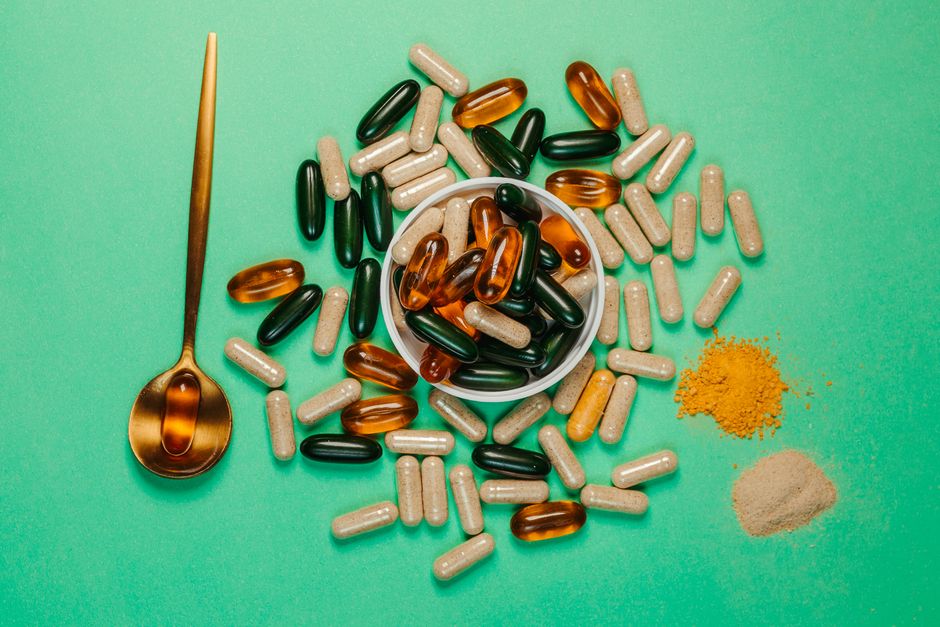

Water-Soluble Vitamins: Daily Replenishment Requirements
Water-soluble vitamins dissolve in water and are readily absorbed into the bloodstream during digestion. NCBI research demonstrates that these vitamins are not easily stored in body tissues and are rapidly excreted through urine, requiring consistent daily intake.
B-Complex Vitamins: The Energy Metabolism Team
The eight B vitamins work synergistically to support energy metabolism, nervous system function, and red blood cell formation:
- B1 (Thiamine): 1.1-1.2 mg daily, supports glucose metabolism
- B2 (Riboflavin): 1.1-1.3 mg daily, essential for cellular energy production
- B3 (Niacin): 14-16 mg daily, supports cardiovascular health
- B5 (Pantothenic Acid): 5 mg daily, crucial for hormone synthesis
- B6 (Pyridoxine): 1.3-1.7 mg daily, supports neurotransmitter production
- B7 (Biotin): 30 mcg daily, essential for gene regulation
- B9 (Folate): 400 mcg daily, critical for DNA synthesis
- B12 (Cobalamin): 2.4 mcg daily, supports nerve function and red blood cell formation
Vitamin C (Ascorbic Acid): The Immunity Powerhouse
Vitamin C supports immune function, collagen synthesis, and iron absorption. The RDA is 75-90 mg daily, though doses up to 2000 mg are considered safe. Research shows that vitamin C levels drop by approximately 50% within 12-16 hours without replenishment, highlighting the need for daily intake.
Optimization Strategies: Maximizing Vitamin Absorption
Understanding when and how to take each type of vitamin can significantly impact their bioavailability and therapeutic effects. Laboratory studies indicate that fat-soluble vitamins are stored in liver and fat tissues, allowing the body to use them as needed over extended periods.
Fat-Soluble Vitamin Absorption Enhancement
Fat-soluble vitamin absorption can be increased by up to 500% when taken with appropriate dietary fats. Cleveland Clinic recommends taking fat-soluble vitamins along with a healthy snack or meal containing fats.
Optimal fat sources for vitamin absorption include:
- Avocado (containing 15 grams of healthy fats per half fruit)
- Nuts and seeds (almonds provide 6 grams of fat per ounce)
- Olive oil (1 tablespoon contains 14 grams of monounsaturated fats)
- Fatty fish (salmon provides 12 grams of omega-3 fats per 3.5 ounces)
Research shows that consuming just 3-5 grams of fat with fat-soluble vitamins significantly enhances absorption compared to taking them on an empty stomach.
Water-Soluble Vitamin Optimization
Water-soluble vitamins are best absorbed on an empty stomach, as they don't require dietary fats for absorption. However, some individuals experience gastric irritation when taking B vitamins or vitamin C without food. In such cases, taking them with a light meal or snack is preferable to avoiding them entirely.
Timing considerations for water-soluble vitamins:
- Morning intake optimizes energy metabolism support
- Spacing doses throughout the day maintains steady blood levels
- Avoiding evening B12 supplementation prevents potential sleep disruption

Vitamin Solubility Comparison: Key Differences at a Glance
| Characteristic | Fat-Soluble (A, D, E, K) | Water-Soluble (B-complex, C) |
|---|---|---|
| Storage Duration | Weeks to months in liver/fat tissues | 1-4 days in body fluids |
| Excretion Rate | Slow, minimal urinary loss | Rapid, 50-90% excreted daily |
| Absorption Requirements | 3-5g dietary fat needed | No fat required |
| Toxicity Risk | Moderate to high with megadoses | Low due to rapid excretion |
| Optimal Timing | With meals containing fat | Empty stomach or light meal |
| Replenishment Frequency | 2-3 times per week acceptable | Daily intake recommended |

Practical Supplementation Guide: Implementing Optimal Timing
Creating an effective supplementation routine requires understanding not just what to take, but when and how to take it for maximum benefit. Nature Made research emphasizes that eating a balanced diet to get all the fat and water-soluble vitamins you need daily is crucial, but supplementation can fill specific gaps.
Morning Routine for Water-Soluble Vitamins
Start your day with water-soluble vitamins to support energy metabolism and cognitive function throughout the day:
- 7:00 AM: B-complex vitamin with 8 oz water, 30 minutes before breakfast
- 7:30 AM: Vitamin C (500-1000 mg) with breakfast to enhance iron absorption
- 12:00 PM: Additional vitamin C if taking more than 1000 mg daily (split doses improve absorption)
Evening Routine for Fat-Soluble Vitamins
Take fat-soluble vitamins with your largest meal of the day, which typically contains the most dietary fats:
- 6:00 PM: Vitamins A, D, E, and K with dinner containing healthy fats
- Include 1-2 tablespoons of olive oil in salad dressing or cooking
- Add avocado, nuts, or seeds to provide additional absorption-enhancing fats
Special Considerations for Specific Populations
Certain groups require modified approaches to vitamin supplementation:
Athletes and Active Individuals: May need 25-50% higher doses of B vitamins due to increased energy demands and higher metabolic rates. Fitness enthusiasts should monitor B12 and folate levels quarterly.
Vegetarians and Vegans: Require careful attention to B12, vitamin D, and potentially vitamin A (from beta-carotene conversion). Monthly B12 monitoring is recommended for strict vegans.
Older Adults (65+): Often need higher doses of vitamin D (1000-2000 IU daily) and B12 due to decreased absorption efficiency. Annual vitamin D blood testing is recommended.
Common Mistakes That Sabotage Vitamin Absorption
Even with the best intentions, many people unknowingly reduce their vitamin absorption through common mistakes. Understanding these pitfalls can help you avoid them and maximize your supplement investment.
Mistake 1: Taking All Vitamins at Once
Many people take their entire daily vitamin regimen simultaneously, but this approach can significantly reduce absorption efficiency. Fat-soluble and water-soluble vitamins compete for absorption pathways when taken together in large quantities.
Solution: Separate fat-soluble and water-soluble vitamins by at least 2-3 hours. Take water-soluble vitamins in the morning and fat-soluble vitamins with your evening meal.
Mistake 2: Insufficient Fat Intake for Fat-Soluble Vitamins
Research shows that taking fat-soluble vitamins with less than 3 grams of fat reduces absorption by up to 70%. Many people take these vitamins with low-fat meals or snacks, dramatically limiting their effectiveness.
Solution: Always include at least 1-2 tablespoons of healthy fats when taking vitamins A, D, E, or K. A handful of nuts (providing 6-8 grams of fat) is sufficient.
Mistake 3: Ignoring Medication Interactions
Certain medications can interfere with vitamin absorption or metabolism. For example, proton pump inhibitors reduce B12 absorption, while blood thinners interact with vitamin K.
Solution: Consult with your healthcare provider about timing supplements around medications. Some may need to be taken 2-4 hours apart from medications.
Monitoring Your Vitamin Status: When to Test and What to Look For
Regular monitoring ensures your supplementation strategy is working effectively and helps identify deficiencies before they impact your health and mental health. Bailey Medical Center research indicates that understanding the difference between water-soluble and fat-soluble vitamins is crucial for optimal health outcomes.
Essential Tests and Recommended Frequency
- Vitamin D (25-hydroxyvitamin D): Test annually; optimal levels 30-50 ng/mL
- Vitamin B12


