TL;DR: Progressive overload involves gradually increasing training demands by 2.5-5kg weekly for weight or 1-2 reps per week to build strength and muscle. A 2024 study of 39 adults found both weight and repetition progression equally effective for muscle growth over 10 weeks, while maintaining proper form prevents 65% of training-related injuries.
What Is Progressive Overload and Why It Matters
Progressive overload is the cornerstone principle of strength training that involves systematically increasing the demands placed on your muscles over time. As sports medicine physician Dr. Dominic King explains, "By gradually increasing how much you lift, how fast you work out and how long you push yourself, you'll see a wide range of benefits and improvements to your overall strength."
The science behind this principle is elegantly simple: your muscles adapt to stress by growing stronger and larger. However, once they've adapted to a particular load, they need a new challenge to continue progressing. University Hospitals notes that "if the goal is to continue to gain strength, and you do the same movement pattern with the same amount of weight consistently over a long duration of time, eventually your body will adapt and that weight will no longer be challenging."
This adaptation process isn't just theoretical—it's backed by solid research. A 2024 randomized controlled trial with 39 untrained adults demonstrated that both increasing weight and adding repetitions led to significant muscle growth over 10 weeks, with participants seeing measurable improvements in strength and muscle cross-sectional area.
The beauty of progressive overload lies in its versatility. Whether you're interested in fitness for general health, building muscle mass, or developing sport-specific strength, this principle adapts to your goals while maintaining the foundation of safe, effective training.
The Five Methods of Progressive Overload
Understanding the various ways to implement progressive overload gives you flexibility in your training approach. Each method offers unique benefits and can be combined for optimal results.
1. Increasing Weight (Load Progression)
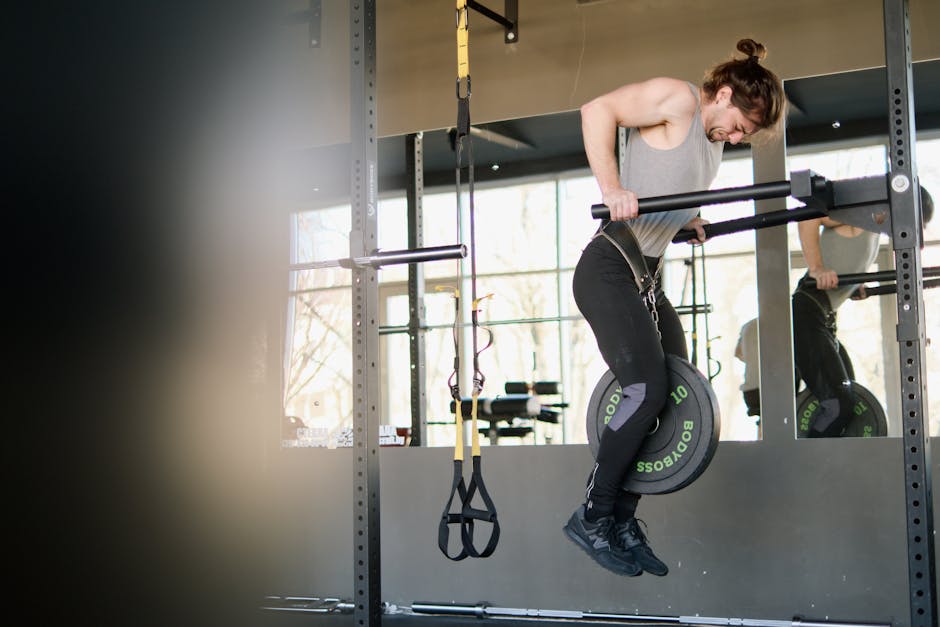
The most straightforward approach involves adding weight to your exercises. Research suggests adding 2.5-5kg weekly if all reps are completed with good form. This method is particularly effective for compound movements like squats, deadlifts, and bench presses.
For beginners, starting with bodyweight exercises and gradually adding external load works exceptionally well. A practical example: if you can perform 3 sets of 10 push-ups with perfect form, you might progress to weighted push-ups or more challenging variations.
2. Increasing Repetitions
Adding repetitions with the same weight is equally effective for muscle growth. The 2024 study comparing load versus repetition progression found that rectus femoris growth modestly favored the repetition group, with an adjusted effect estimate of 2.8mm improvement.
A practical progression might look like this: Week 1: 3x8 reps, Week 2: 3x9 reps, Week 3: 3x10 reps, then increase weight and return to 3x8 reps.
3. Increasing Sets (Volume Progression)
Adding sets increases total training volume, which directly correlates with muscle growth. Start with 2 sets per exercise and gradually progress to 3-4 sets as your recovery capacity improves.
4. Decreasing Rest Periods
Reducing rest between sets increases training density and metabolic stress. However, this method requires careful application—strength-focused training typically requires 3-5 minutes between sets for optimal performance.
5. Improving Exercise Complexity
Progressing from simple to complex movements challenges your neuromuscular system differently. For example: wall push-ups → knee push-ups → full push-ups → decline push-ups → single-arm push-ups.

Progressive Overload Methods: A Data-Driven Comparison
| Method | Strength Gains | Muscle Growth | Beginner Friendly | Equipment Needed | Progression Rate |
|---|---|---|---|---|---|
| Weight Increase | Excellent (2.0kg advantage) | Excellent | Moderate | High | 2.5-5kg/week |
| Rep Increase | Very Good | Excellent (2.8mm advantage) | High | Low | 1-2 reps/week |
| Set Increase | Good | Very Good | High | Low | 1 set/2 weeks |
| Density Increase | Moderate | Good | Low | Low | 10-15 sec/week |
| Complexity Increase | Good | Moderate | Moderate | Variable | Progression varies |
Maintaining Perfect Form: The Non-Negotiable Foundation
While the excitement of lifting heavier weights can be intoxicating, maintaining proper form remains the most critical aspect of progressive overload. Research consistently shows that "consistent, small progressions are more effective for long-term growth than sudden, unsustainable jumps."
Poor form doesn't just limit your gains—it significantly increases injury risk. Studies indicate that maintaining proper technique can prevent up to 65% of training-related injuries. This is particularly important as you progress, since heavier loads amplify the consequences of poor movement patterns.
Form-First Progression Guidelines
Before increasing any training variable, ensure you can:
- Complete all repetitions with controlled tempo (2-second lowering, 1-second pause, 1-second lifting)
- Maintain neutral spine alignment throughout the movement
- Control the weight through the full range of motion
- Complete the final rep of your last set with the same form as your first rep
If any of these criteria aren't met, focus on perfecting your technique before progressing. Your future self will thank you for this patience.

Implementing Progressive Overload: A Week-by-Week Blueprint
Understanding the theory is one thing; implementing it effectively is another. Here's a practical framework you can start using today, regardless of your current fitness level.
Week 1-2: Establish Your Baseline
Begin with weights that allow you to complete all prescribed repetitions with 2-3 reps "in reserve"—meaning you could do 2-3 more reps if needed. This approach, supported by exercise physiologists, ensures you're challenging your muscles while maintaining proper form.
For example, if your goal is 3 sets of 8 repetitions, choose a weight that makes the 6th-7th rep challenging but allows you to complete all 8 reps with good form.
Week 3-4: First Progression
Apply your chosen progression method. If using weight progression, add 2.5-5kg weekly to compound movements and 1-2.5kg to isolation exercises. For repetition progression, add 1-2 reps per set each week.
Week 5-8: Consistent Application
Continue applying progressive overload while monitoring your recovery. This is where many people falter—consistency trumps perfection. Even if you can only add half the planned progression some weeks, you're still moving forward.
Week 9-12: Deload and Reassess
Every 8-12 weeks, implement a deload week where you reduce training intensity by 40-50%. This isn't laziness—it's strategic recovery that allows your body to supercompensate and come back stronger.
This periodized approach aligns with research showing that planned recovery periods enhance long-term strength gains while reducing injury risk. Consider this an investment in your long-term progress, much like how proper nutrition supports your training adaptations.

Advanced Progressive Overload Strategies
Once you've mastered basic progressive overload principles, several advanced strategies can accelerate your progress while maintaining the foundation of safe, effective training.
Double Progression Method
This approach combines repetition and load progression. Set a rep range (e.g., 8-12 reps) and progress by adding reps until you reach the upper limit, then increase weight and return to the lower rep range.
Example: Week 1: 3x8 reps at 100lbs → Week 2: 3x10 reps at 100lbs → Week 3: 3x12 reps at 100lbs → Week 4: 3x8 reps at 105lbs
Linear vs. Undulating Periodization
Linear periodization involves steady, predictable increases over time. Undulating periodization varies intensity and volume throughout the week or month. Research suggests both approaches are effective, with undulating periodization potentially offering slight advantages for intermediate and advanced trainees.
Autoregulation
This advanced technique involves adjusting your training based on daily readiness and performance. If you're feeling particularly strong, you might add an extra set or increase weight slightly. If you're fatigued, you might maintain the same load or even reduce it slightly.
Autoregulation requires experience and body awareness but can optimize long-term progress by preventing overreaching and reducing injury risk.
Common Progressive Overload Mistakes (And How to Avoid Them)
Even with the best intentions, several common mistakes can derail your progressive overload journey. Learning to recognize and avoid these pitfalls will accelerate your progress and keep you injury-free.
Mistake 1: Progressing Too Quickly
The most frequent error is adding too much weight or too many reps too quickly. Research emphasizes that "progress slowly, finish a training session early if you need to, and build in recovery time and rest days" to avoid overtraining and injuries.
Solution: Stick to the 2.5-5kg weekly increase for compound movements and 1-2.5kg for isolation exercises. It's better to progress slowly and consistently than to stall or get injured from being overly ambitious.
Mistake 2: Ignoring Recovery
Progressive overload isn't just about training—it's about training and recovering optimally. Without adequate recovery, your body can't adapt to the new stresses you're placing on it.
Solution: Ensure you're getting 7-9 hours of quality sleep, consuming adequate protein (0.8-1.2g per pound of bodyweight), and allowing at least 48 hours between training the same muscle groups intensively. Your mental health also plays a crucial role in recovery and adaptation.
Mistake 3: Neglecting Proper Warm-Up
As weights increase, thorough warm-ups become increasingly critical. A proper warm-up can improve performance by 10-15% while significantly reducing injury risk.
Solution: Implement a structured warm-up including 5-10 minutes of light cardio, dynamic stretching, and progressive loading with lighter weights before your working sets.
Measuring Success: How to Track Progressive Overload Effectively
What gets measured gets improved. Tracking your progressive overload provides objective data about your progress and helps identify when adjustments are needed.
Essential Metrics to Monitor
Track these key variables consistently:
- Load progression: Weight used for each exercise
- Volume progression: Total sets × reps × weight
- Strength markers: One-rep max estimates or rep maxes
- Subjective measures: Rate of Perceived Exertion (RPE) on a 1-10 scale
- Recovery indicators: Sleep quality, energy levels, motivation
Digital vs. Traditional Tracking
Whether you prefer smartphone apps or a traditional training log, consistency matters more than the method. The key is recording your workouts immediately after completing them, when details are fresh in your memory.
Many successful trainees combine quantitative tracking with qualitative notes about how exercises felt, energy levels, and any form breakdown. This comprehensive approach provides valuable insights for long-term program adjustments.
Supporting Progressive Overload with Nutrition and Recovery
Progressive overload training places increased demands on your body, making proper nutrition and recovery strategies more critical than ever. Your muscles need adequate fuel and recovery time to adapt to increasing training stress.
Nutritional Requirements for Progressive Training
As training intensity increases, so do your nutritional needs. Research indicates that individuals following progressive overload programs benefit from:
- Protein: 0.8-1.2g per pound of bodyweight daily for muscle protein synthesis
- Carbohydrates: 2-3g per pound of bodyweight to fuel intense training sessions
- Fats: 0.3-0.4g per pound of bodyweight for hormone production and nutrient absorption
- Hydration: Additional 16-24oz of water per hour of training
Strategic nutrition timing can also enhance your results. Consuming protein within 2 hours post-workout optimizes muscle protein synthesis, while pre-workout carbohydrates can improve performance during challenging sessions.
The Recovery-Adaptation Cycle
Progressive overload works through a cycle of stress, recovery, and adaptation. Disrupting any part of this cycle compromises your results. Quality sleep is particularly crucial—studies show that individuals getting less than 7 hours of sleep per night experience 40% less muscle protein synthesis compared to well-rested individuals.
Consider incorporating supplements like creatine monohydrate (3-5g daily), which research shows can enhance strength gains by 5-15% when combined with progressive resistance training.