TL;DR: Poor exercise form causes 409,224 equipment-related injuries annually, with strains and sprains accounting for 60% of all gym injuries. Proper form and technique can reduce injury risk by up to 70% when combined with 5-10 minute warm-ups and progressive training loads.
Walking into any gym, you'll witness a troubling sight: well-intentioned exercisers unknowingly setting themselves up for injury through common exercise form mistakes. The statistics paint a stark picture – according to the Victorian Emergency Medicine Database, there were at least 2,873 documented cases of injuries at fitness facilities over a 14-year period, with 28.1% directly linked to improper exercise execution.
As someone who's covered health and wellness for over a decade, I've seen countless individuals derail their fitness journeys due to preventable injuries. The good news? Understanding and correcting these exercise form mistakes can dramatically reduce your injury risk while maximizing your training results.
The Hidden Cost of Poor Form: By the Numbers
Before diving into solutions, let's examine the scope of the problem. In 2021 alone, exercise equipment caused 409,224 injuries across the United States. This staggering number represents real people whose fitness goals were interrupted by preventable accidents.
Research published in the National Center for Biotechnology Information reveals that strains and sprains account for 60% of all gym-related injuries. These aren't freak accidents – they're the predictable result of poor movement patterns, inadequate preparation, and improper technique.
What makes this particularly concerning is that many of these injuries occur in fitness facilities where professional guidance should be readily available. A systematic review analyzing exercise selection and injuries in fitness centers found that weight resistance training, while incredibly beneficial, becomes a primary injury source when performed with incorrect form.
Why Good People Make Bad Movement Choices
Understanding why exercise form mistakes happen is crucial for prevention. Physical therapy experts at Precision Performance Physical Therapy identify several key factors:
- Ego-driven progression: Rushing intensity increases by lifting heavier weights before mastering basic movement patterns
- Lack of body awareness: Many exercisers can't feel when they're compensating or using incorrect muscle groups
- Information overload: Conflicting advice from social media, friends, and outdated sources creates confusion
- Time pressure: Rushing through workouts leads to shortcuts in both warm-up and technique
Harvard Health researchers emphasize that the most fundamental mistake is skipping proper preparation. They recommend warming up muscles with 5-10 minutes of repetitive motion such as marching in place or arm circles to increase blood flow, heat, and oxygen delivery to working muscles.

Lower Body Landmines: Squat and Deadlift Errors
The squat and deadlift form the foundation of most fitness programs, yet they're also where I see the most egregious form breakdowns. Poor squatting technique, as noted by Baylor College of Medicine experts, can aggravate knees and strain the back when the body isn't properly aligned.
Critical Squat Corrections
The most dangerous squat mistake involves knee valgus – when knees cave inward during the movement. This places enormous stress on the ACL and can lead to long-term knee problems. Here's how to fix it:
- Engage your glutes: Before descending, consciously activate your glute muscles by imagining you're trying to spread the floor apart with your feet
- Track your knees: Your knees should travel in line with your toes throughout the entire movement
- Control the descent: Take 2-3 seconds to lower yourself, maintaining tension throughout your core and legs
- Drive through your heels: Focus on pushing the floor away rather than lifting the weight up
Deadlift Danger Zones
The deadlift, when performed correctly, is one of the safest exercises for your back. When performed incorrectly, it becomes one of the most dangerous. The key is maintaining spinal neutrality throughout the movement.
"Hold your spine in a neutral position — keep your back flat — to minimize the risk of spinal injuries," advises the team at 24Life fitness experts.
Common deadlift fixes include:
- Hip hinge first: Initiate the movement by pushing your hips back, not by bending your knees
- Maintain chest position: Keep your chest up and shoulders slightly in front of the bar
- Grip the ground: Create stability by gripping the floor with your feet
- Lock out properly: Finish by driving your hips forward, not by arching your back excessively
Upper Body Blunders That Sabotage Progress
Upper body exercises present their own unique challenges, particularly around shoulder health and spinal alignment. The rowing movement, fundamental to balanced fitness programming, is frequently butchered in ways that reduce effectiveness and increase injury risk.
Rowing Form Revolution
According to UPPPER Gear fitness experts, many exercisers allow their elbows to travel too far behind their ribcage during rowing movements, missing the full benefits of back strengthening and shoulder health improvement.
The correct rowing technique involves:
- Shoulder blade activation: Allow your shoulder blades to glide inward over your ribcage as you pull
- The pencil test: At the top of the movement, imagine pinching a pencil between your shoulder blades
- Ribcage positioning: Keep your ribcage down and in, not flared up and out
- Elbow path: Your elbows should stay close to your body and stop when they reach your ribcage
Pull-Up Progressions and Pitfalls
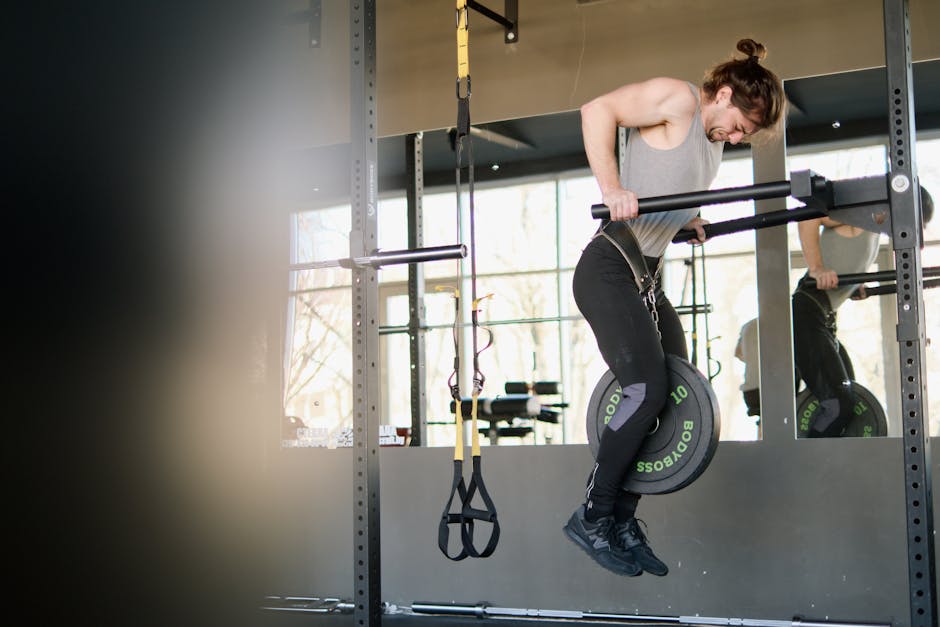
Pull-ups reveal shoulder and neck compensation patterns more clearly than almost any other exercise. The most common mistake involves straining the neck to reach the bar, creating unnecessary cervical spine stress.
Proper pull-up execution focuses on:
- Full shoulder engagement: Start each rep by depressing and retracting your shoulder blades
- Core activation: Maintain a slight hollow body position throughout
- Controlled lowering: Take 2-3 seconds to lower yourself with control
- Range of motion: Achieve full arm extension at the bottom without losing shoulder position

Running Form Fixes for Injury Prevention
Running injuries affect millions of athletes annually, with many stemming from common form mistakes that increase strain on joints and connective tissues. Research from ExaktHealth identifies the most problematic running patterns that predispose athletes to injury.
| Running Mistake | Injury Risk | Quick Fix | Long-term Solution |
|---|---|---|---|
| Overstriding | Knee pain, IT band syndrome | Land under your center of gravity | Cadence training (180+ steps/min) |
| Excessive vertical oscillation | Energy waste, joint stress | Focus on forward movement | Plyometric training |
| Poor pelvic alignment | Hip flexor tightness, back pain | Engage core while running | Hip strengthening exercises |
| Improper foot strike | Shin splints, plantar fasciitis | Midfoot landing | Barefoot running drills |
The research shows that regular strength training can improve running economy and reduce ground contact time through increased tendon stiffness and better muscle activation patterns. This connection between strength work and running performance highlights why a comprehensive approach to fitness prevents more injuries than focusing on single activities.

Smart Progression: The Art of Doing More Without Getting Hurt
One of the most overlooked aspects of injury prevention is progressive loading – the systematic increase of training stress over time. Physical Therapy & Sports Medicine Centers emphasize that rushing intensity often leads to improper form and overuse injuries.
Texas Health experts note that injuries commonly occur when people "do too much too soon" in new exercise routines. This principle applies whether you're a complete beginner or an experienced athlete adding new movements to your repertoire.
The 10% Rule in Practice
While the traditional 10% weekly increase rule has limitations, it provides a useful framework for progression. Here's how to apply progressive loading principles:
- Master bodyweight first: Perfect movement patterns without external load before adding weight
- Increase one variable at a time: Don't simultaneously increase weight, reps, and sets
- Plan deload weeks: Every 4-6 weeks, reduce training intensity by 40-50%
- Listen to your body: Persistent soreness, declining performance, or movement compensation signals the need for recovery
Pre-Exercise Preparation: Your Injury Insurance Policy
The importance of proper warm-up cannot be overstated. Harvard Health researchers specifically recommend 5-10 minutes of repetitive motion to prepare muscles and joints for exercise demands.
An effective warm-up protocol includes three phases:
- General movement (3-5 minutes): Light cardio to increase heart rate and circulation
- Dynamic mobility (5-7 minutes): Movement-specific patterns that mirror your workout
- Activation exercises (3-5 minutes): Target key muscle groups that will be working
This systematic approach ensures your body is physically and neurologically prepared for the demands you're about to place on it.
When to Seek Professional Help
Baylor College of Medicine experts suggest engaging with a fitness trainer with a strong rehabilitation background when starting new workout routines. This recommendation becomes even more critical if you have a history of injuries or are returning to exercise after a layoff.
Consider professional guidance if you experience:
- Persistent pain during or after exercise
- Inability to perform basic movement patterns correctly
- Plateaued progress despite consistent effort
- Previous injuries that required medical attention
- Compensation patterns you can't seem to correct
Remember, the cost of a few sessions with a qualified professional pales in comparison to the time, money, and frustration associated with injury recovery. Many people also benefit from integrating proper nutrition and mental health practices to support their physical training.
Frequently Asked Questions
How long should I warm up before exercising to prevent injuries?
5-10 minutes minimum, according to Harvard Health research. Start with 3-5 minutes of general movement like marching in place or arm circles, followed by dynamic stretches specific to your workout. This gets blood, heat, and oxygen to your muscles, making them more amenable to the demands you're about to place on them.
What percentage of gym injuries are caused by poor form?
28.1% of fitness facility injuries are directly attributed to improper exercise execution, based on 14 years of emergency department data. However, poor form likely contributes to many more injuries indirectly through muscle imbalances and compensation patterns that develop over time.
Should I continue exercising if I feel minor pain during a movement?
Stop immediately if you feel pain during exercise. Pain is your body's warning system that something is wrong. Muscle fatigue and mild discomfort are normal, but sharp, shooting, or persistent pain indicates potential tissue damage. Continuing to exercise through pain often transforms minor issues into major injuries.
How quickly can I increase weight or intensity safely?
Increase one variable by no more than 10% weekly. If you're adding weight, don't simultaneously increase reps or sets. Master the current load for at least 2 weeks before progressing, and plan deload weeks every 4-6 weeks where you reduce intensity by 40-50% to allow full recovery.
What's the most important form cue for beginners to focus on?
Maintain neutral spine alignment across all movements. Whether you're squatting, deadlifting, rowing, or running, keeping your spine in its natural curves minimizes injury risk and optimizes force transfer. Focus on this before worrying about any other technical details.