
TL;DR: Energy drinks contain five hidden ingredients beyond caffeine that pose serious health risks: synthetic food dyes linked to behavioral issues, taurine that can disrupt mineral balance, artificial sweeteners potentially causing metabolic dysfunction, high fructose corn syrup driving insulin resistance, and unstudied proprietary blends with unknown effects. A comprehensive 2024 review found energy drinks containing 70-240mg caffeine per 16oz serving are associated with cardiovascular issues, seizures, and gastrointestinal problems.
The Hidden Chemistry Behind Your Energy Boost
Walk down any convenience store aisle, and you'll see shelves lined with colorful cans promising instant energy and enhanced performance. The global energy drink market has exploded, with Americans consuming billions of these beverages annually. While most people know these drinks pack a serious caffeine punch—typically containing 70 to 240 mg of caffeine per 16-oz serving according to the National Center for Complementary and Integrative Health—few understand the complex cocktail of additional ingredients that may pose significant health risks.
Energy drinks are essentially "pharmacological concoctions of multiple ingredients," as described in a comprehensive 2024 review published in the journal Food Science and Technology. Beyond the obvious caffeine content, these beverages contain a maze of synthetic compounds, artificial additives, and unstudied herbal blends that work together in ways scientists are still trying to understand.
Recent research has uncovered concerning connections between energy drink ingredients and various health issues, from cardiovascular problems to neurological effects. A systematic review examining energy drinks' impact on human health found links to seizures, gastrointestinal problems, dental issues, and compromised mental health outcomes.
Hidden Risk #1: Synthetic Food Dyes and Artificial Colors
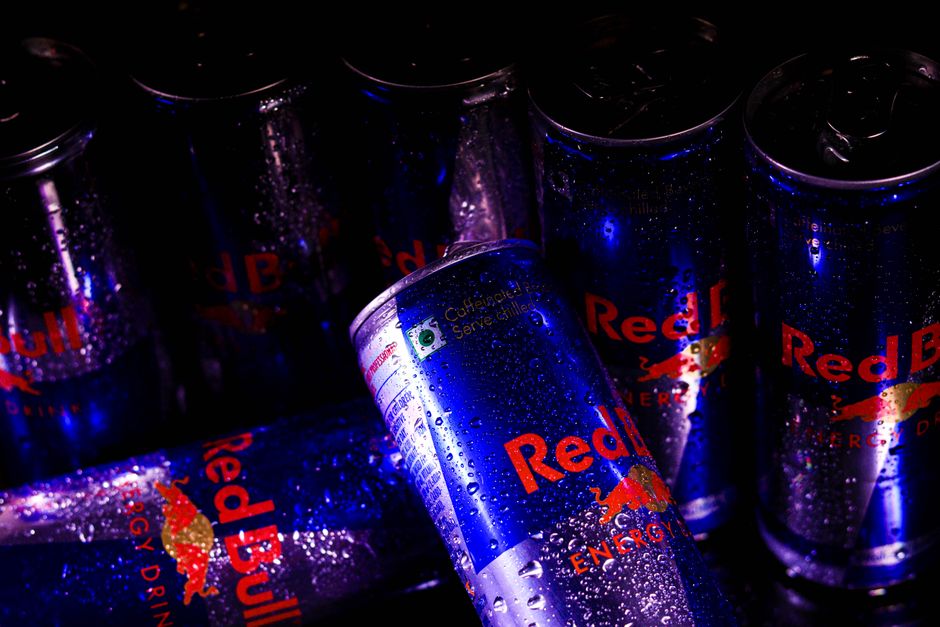
Those vibrant blues, electric greens, and neon yellows that make energy drinks visually appealing aren't just cosmetic choices—they're synthetic food dyes that may significantly impact your health, particularly brain function and behavior.
Synthetic food dyes are among the most concerning ingredients in energy drinks, yet they receive little attention compared to caffeine. These petroleum-derived colorants, including Red 40, Yellow 5, and Blue 1, have been linked to hyperactivity, attention problems, and behavioral issues in multiple studies.
A landmark European Food Safety Authority analysis found that artificial colors can trigger hyperactive behavior in children, leading to warning labels on products containing these dyes in European markets. However, no such warnings exist in the United States, where energy drink consumption is highest among teenagers and young adults.
The concerning aspect of synthetic dyes in energy drinks is their interaction with caffeine and other stimulants. While individual ingredients may seem harmless in small doses, the combination creates what researchers call a "synergistic effect" that can amplify negative outcomes. For those interested in understanding more about how artificial additives affect our bodies, exploring nutrition research reveals important connections between synthetic ingredients and long-term health.
What You Can Do Today:
- Check ingredient labels specifically for artificial colors (Red 40, Yellow 5, Blue 1, etc.)
- Choose clear or naturally colored energy alternatives
- Look for products that use natural colorants like beetroot or spirulina

Hidden Risk #2: Taurine and Amino Acid Disruption
Taurine, one of the most common amino acids found in energy drinks, is often marketed as a performance enhancer. However, emerging research suggests this synthetic amino acid can significantly disrupt your body's delicate mineral and water balance.
According to CNN Health's analysis of energy drink ingredients, taurine can affect the levels of water and minerals in your blood. Most energy drinks contain between 750-1000mg of synthetic taurine per serving—far exceeding what your body naturally produces or obtains from food sources.
A study published in the journal Nutrients found that excessive taurine consumption can interfere with calcium absorption and disrupt electrolyte balance, potentially leading to muscle cramping, irregular heartbeat, and kidney stress. The synthetic version used in energy drinks differs structurally from naturally occurring taurine, which may explain why some individuals experience adverse reactions.
The timing of taurine consumption matters significantly. When combined with caffeine and consumed on an empty stomach—a common pattern among energy drink users—taurine's effects on mineral balance become more pronounced. This combination can create a cascade of physiological stress that extends far beyond the intended energy boost.
Natural Alternatives to Consider:
- Natural taurine from fish and meat sources
- Coconut water for electrolyte balance
- Magnesium supplementation for muscle function
Hidden Risk #3: Artificial Sweeteners and Metabolic Disruption
Sugar-free and "zero-calorie" energy drinks have surged in popularity, but the artificial sweeteners used to replace sugar—primarily sucralose and aspartame—present their own set of health challenges that extend far beyond calorie content.
A comprehensive meta-analysis published in the British Medical Journal examined data from over 400,000 participants and found that artificial sweetener consumption was associated with increased risk of type 2 diabetes, cardiovascular disease, and stroke. The study specifically noted that sucralose, the most common sweetener in energy drinks, showed the strongest association with metabolic dysfunction.
The mechanism behind these effects involves gut microbiome disruption. Research from the Weizmann Institute of Science demonstrated that artificial sweeteners can alter gut bacteria composition within just one week of regular consumption, leading to glucose intolerance and insulin resistance—the opposite of what health-conscious consumers expect from "sugar-free" products.
Energy drinks typically contain 40-80mg of sucralose per serving, often combined with acesulfame potassium and other synthetic sweeteners. This combination creates what researchers call a "cocktail effect" that may be more problematic than individual sweeteners consumed separately.
| Sweetener Type | Typical Amount per Serving | Potential Health Concerns | Natural Alternatives |
|---|---|---|---|
| Sucralose | 40-80mg | Gut microbiome disruption, glucose intolerance | Stevia, monk fruit |
| Aspartame | 30-60mg | Headaches, mood changes, potential carcinogenic effects | Erythritol, xylitol |
| Acesulfame K | 20-40mg | Insulin response, appetite disruption | Raw honey, maple syrup |
Hidden Risk #4: High Fructose Corn Syrup and Insulin Chaos
Regular energy drinks often contain staggering amounts of high fructose corn syrup (HFCS), with some varieties containing as much sugar as soda—up to 39 grams per 16-oz serving. This isn't just about calories; HFCS creates a unique metabolic challenge that can trigger insulin resistance and inflammation.
Unlike glucose, which can be metabolized by every cell in your body, fructose must be processed exclusively by the liver. When consumed in the concentrated amounts found in energy drinks, HFCS overwhelms liver function and triggers a cascade of metabolic dysfunction.
A landmark study published in the Journal of Clinical Investigation tracked 32 healthy adults who consumed fructose-sweetened beverages for 10 weeks. Researchers found significant increases in visceral fat, insulin resistance, and triglyceride levels—changes that began appearing within just two weeks of regular consumption.
The energy drink context makes HFCS particularly problematic because it's typically consumed rapidly, often on an empty stomach, and frequently combined with caffeine that can mask the body's natural satiety signals. This combination creates what researchers call a "metabolic storm" that can persist for hours after consumption.
Understanding how different sugars affect our bodies is crucial for making informed choices about nutrition and energy management throughout the day.
Immediate Steps You Can Take:
- Read labels carefully—HFCS may be listed as "corn syrup," "glucose-fructose," or "fructose"
- Limit energy drink consumption to no more than one serving per week
- Never consume energy drinks on an empty stomach
- Choose whole food energy sources like fruits, nuts, and complex carbohydrates

Hidden Risk #5: Proprietary "Energy Blends" and Unknown Interactions
Perhaps the most concerning aspect of modern energy drinks is the inclusion of proprietary "energy blends"—mysterious combinations of herbs, extracts, and synthetic compounds that manufacturers aren't required to fully disclose or study for safety.
These blends often include ingredients like guarana (which contains additional caffeine), yerba mate, ginseng, Ginkgo biloba, and various amino acid derivatives. While individual ingredients may have some research backing, their interactions when combined are largely unstudied, creating what the FDA acknowledges as a regulatory gray area.
A concerning example is the combination of guarana and synthetic caffeine. Guarana naturally contains caffeine, but because it's listed as an herbal ingredient rather than a stimulant, consumers may unknowingly consume far more caffeine than indicated on labels. Some energy drinks contain up to 350mg of total caffeine when guarana content is properly calculated—nearly four times the amount in a typical cup of coffee.
Research published in the journal Regulatory Toxicology and Pharmacology found that many proprietary blends contain ingredients that can interact with common medications, including blood pressure medications, antidepressants, and diabetes drugs. The study noted that these interactions are particularly dangerous because consumers and even healthcare providers often don't recognize energy drinks as potential sources of drug interactions.
"Energy drinks are effectively pharmacological concoctions of multiple ingredients that can have significant physiological effects, yet they're regulated as dietary supplements with minimal safety oversight." - Dr. Sarah Heckman, lead researcher on energy drink safety
Science-Backed Alternatives for Natural Energy
Understanding the risks doesn't mean you have to accept energy crashes or poor performance. Research supports several natural alternatives that can provide sustainable energy without the hidden health risks of commercial energy drinks.
Immediate Energy Boosters:
- Green tea: Contains 25-50mg of natural caffeine plus L-theanine for sustained energy without crashes
- Yerba mate: Provides balanced stimulation with vitamins A, C, and E
- Matcha: Delivers antioxidants alongside gentle caffeine release
- Cold brew coffee: Higher caffeine content than regular coffee but smoother absorption
For those interested in optimizing their energy through fitness and mental health strategies, research shows that regular exercise and stress management techniques provide more sustainable energy than any beverage.
Long-term Energy Strategies:
- Stabilize blood sugar with protein-rich snacks
- Optimize sleep quality and duration
- Stay hydrated with electrolyte-rich water
- Include B-vitamin rich foods in your daily diet
Making Informed Choices: A Practical Framework
If you choose to consume energy drinks occasionally, understanding how to minimize risks while maximizing benefits requires a strategic approach based on current research.
Timing Matters: Research shows consuming energy drinks 30-45 minutes before physical activity can minimize negative metabolic effects while maintaining performance benefits. Never consume them on an empty stomach or within 6 hours of bedtime.
Dosage Awareness: The American Heart Association recommends limiting caffeine intake to 400mg daily for healthy adults. When calculating your total intake, remember that energy drinks often contain hidden caffeine from guarana and other herbal sources.
Quality Indicators: Look for products that fully disclose ingredient amounts, avoid artificial colors and sweeteners, and use natural caffeine sources. Some newer brands focus on transparency and cleaner ingredient profiles.
Creating sustainable energy through proper nutrition and healthy recipes ultimately provides better results than relying on synthetic stimulants and questionable additives.
Frequently Asked Questions
How much caffeine is actually in energy drinks compared to coffee?
Energy drinks contain 70-240mg of caffeine per 16-oz serving, while a typical 8-oz cup of coffee contains 80-100mg. However, energy drinks often contain additional caffeine from guarana and other herbal sources, potentially bringing total caffeine content to 350mg or higher—information that isn't always clearly disclosed on labels.
Are sugar-free energy drinks actually healthier?
Sugar-free versions avoid blood sugar spikes but introduce artificial sweeteners like sucralose and aspartame, which research links to gut microbiome disruption, glucose intolerance, and potential metabolic dysfunction. A meta-analysis of over 400,000 participants found artificial sweetener consumption associated with increased diabetes and cardiovascular disease risk.
Can energy drinks interact with medications?
Yes, significantly. Energy drinks can interact with blood pressure medications, antidepressants, diabetes drugs, and blood thinners due to their caffeine content and proprietary herbal blends. The high caffeine content can amplify or counteract medication effects, and ingredients like ginseng can affect blood clotting and blood sugar levels.
What are the warning signs of energy drink overconsumption?
Warning signs include rapid heart rate, chest pain, difficulty sleeping, anxiety, digestive issues, frequent headaches, and dependency feelings. Research shows these symptoms can occur with regular consumption of just one energy drink daily due to the combination of caffeine, taurine, and other stimulants.
How long do the effects of energy drinks last, and when do crashes occur?
Peak effects occur 30-50 minutes after consumption and can last 4-6 hours. Energy crashes typically happen 3-4 hours post-consumption when blood sugar drops and caffeine effects diminish. The combination of high fructose corn syrup and caffeine creates a more severe crash than coffee alone due to rapid blood sugar fluctuations.


